
Cathedral of Magdeburg
Overview
The Cathedral of Magdeburg, known as the oldest Gothic cathedral in Germany, stands as a monumental representation of architectural innovation and religious significance. Located in the heart of Magdeburg, this Protestant cathedral has witnessed the ebb and flow of history, serving as a pivotal site for worship and culture since its inception. The cathedral’s towering spires and intricate facades draw visitors into a narrative that intertwines the spiritual and the historical, echoing the stories of the many souls who have passed through its doors.
As you approach the cathedral, its impressive silhouette against the skyline captures attention, inviting exploration. Inside, the vast nave, adorned with stunning artwork and stained glass, provides a contemplative space for reflection. Visitors are often struck by the cathedral’s ability to convey both grandeur and intimacy, making it a significant stop for those interested in heritage, architecture, or spirituality.
Magdeburg itself, a city rich in history, complements the cathedral’s allure. With roots tracing back to the early Middle Ages, Magdeburg offers a blend of modern vibrancy and historical depth, making the cathedral a must-see for anyone traveling through this region of Germany.
History and Significance
The Cathedral of Magdeburg has played a central role in the religious and cultural life of Germany, particularly as a key site of Protestant worship. Its origins can be traced to the early medieval period when it was first established as a church. Over the centuries, the cathedral has undergone various transformations, reflecting the evolving architectural styles and religious practices of the time.
As the oldest Gothic cathedral in Germany, its construction marked a significant shift in ecclesiastical architecture, moving from Romanesque styles to more elaborate Gothic designs. This transformation not only influenced local architecture but also set a precedent for future cathedral constructions throughout Germany. The cathedral’s significance is further underscored by its role in major historical events, serving as a site for royal ceremonies and significant religious gatherings.
The cathedral is also notable for its connection to notable figures in German history, which adds layers of cultural importance. Its walls have witnessed pivotal moments in the Protestant Reformation, aligning it closely with the history of Lutheranism and the spread of Protestant beliefs in Europe.
Today, the cathedral continues to serve as a place of worship and community gathering, while also functioning as a vital heritage site that attracts visitors from around the globe. Its enduring legacy is a reflection of both its architectural splendor and its deep-rooted connection to the cultural and spiritual life of Germany.
Architecture and Features
The Cathedral of Magdeburg is a striking example of Gothic architecture, characterized by its soaring spires and intricate stonework. Its design reflects the transition from the Romanesque to the Gothic style, evident in the pointed arches and ribbed vaults that define its interior spaces. The cathedral features a distinct façade adorned with detailed sculptures, depicting biblical scenes and saints that invite closer examination.
One of the most notable features of the cathedral is its grand nave, which is spacious and illuminated by large stained-glass windows. These windows not only add to the beauty of the interior but also serve to tell stories from the Bible, enhancing the spiritual experience for visitors. The intricate designs and vibrant colors of the glass are particularly captivating, especially when sunlight filters through.
The cathedral’s towers, which rise prominently above the surrounding landscape, are a defining aspect of its silhouette. These towers are not only architectural statements but also serve a practical purpose, housing bells that resonate throughout the city. The overall layout of the cathedral, with its cross-shaped plan, is symbolic of its religious function and reflects Gothic architectural principles.
Inside, visitors can explore various chapels and altars, each with its own unique artistic features. The interplay of light and shadow within the cathedral creates an atmosphere that is both solemn and inspiring, inviting contemplation and reverence.
Visiting Information
Visiting the Cathedral of Magdeburg is a rewarding experience for those interested in history, architecture, and spirituality. The cathedral is accessible via various modes of transportation, including public buses and local trains that connect to the city center. Ample signage will guide you to the cathedral, which is a prominent landmark in Magdeburg.
Check the official website for current information regarding opening hours and admission prices. Typically, visitors should allocate at least an hour to fully appreciate the cathedral’s architecture and interior details. Guided tours may also be available, providing insights into the cathedral’s history and significance.
The best times to visit are during the spring and summer months when the weather is mild and conducive to exploring the surrounding area. However, the cathedral remains a captivating site year-round, with each season offering a different perspective of its beauty.
When visiting, be prepared for security measures, as it is a place of worship and may have specific guidelines for entry. Respect for the sacred space is expected, and visitors are encouraged to maintain a quiet demeanor while inside.
Nearby Attractions
Magdeburg City Hall: A short walk from the cathedral, this historic building features a beautiful façade and houses a museum showcasing the city’s history.
Elbauenpark: A lovely green space, perfect for a leisurely stroll. The park includes a variety of gardens, a lake, and recreational areas.
Green Citadel of Magdeburg: This unique building, designed by the artist Friedensreich Hundertwasser, is a striking example of modern architecture and is home to shops, hotels, and apartments.
Museum of Cultural History: Located nearby, this museum offers exhibitions on Magdeburg’s history, art, and culture, providing context to the cathedral’s significance in the region.
St. John’s Church: Just a short distance away, this church features remarkable baroque architecture and is a fine example of the city’s religious heritage.
Insider Tips
For the best photography opportunities, consider visiting early in the morning or late in the afternoon when the sunlight casts dramatic shadows on the cathedral’s façade. The interior can be quite dark, so be prepared to adjust your camera settings accordingly or use a tripod for stability.
To avoid crowds, particularly during peak tourist seasons, aim to visit on weekdays rather than weekends. This will allow for a more serene experience as you explore the cathedral’s many features.
If you wish to attend a service or concert, check the cathedral’s official website for schedules, as these events can offer a unique insight into the building’s ongoing role in the community.
Practical Information
When planning your visit to the Cathedral of Magdeburg, it’s wise to dress comfortably, as you may spend considerable time walking and exploring. As a place of worship, modest attire is recommended; be mindful of local customs.
Seasonal considerations should also be taken into account. During winter, the weather can be cold, so layering is advisable. In contrast, summer visits may require sun protection, especially if you plan to explore the cathedral’s surrounding outdoor areas.
Bring a water bottle and perhaps a light snack, as you may want to take a moment to rest and reflect in one of the nearby parks after your visit to the cathedral.
Frequently Asked Questions
How long should I spend visiting?
A visit typically lasts about one hour, but you may want to spend more time if you are interested in the detailed architecture and artwork.
Is photography allowed?
Photography is generally permitted, but always be respectful of the space and those around you. Check for any specific restrictions upon entry.
Are there guided tours?
Yes, guided tours are often available and can enhance your understanding of the cathedral’s history and significance. Check the official website for details.
What’s the best time to visit?
Spring and summer are ideal for pleasant weather, but the cathedral is beautiful year-round. Weekdays may have fewer visitors compared to weekends.
Is it wheelchair accessible?
Check the official website for current accessibility information, as facilities may vary.
Can I buy tickets online?
Ticket purchasing options may be available online; please refer to the official website for the most current information.
Are there restrooms and cafes?
Facilities may exist nearby, but check the official website for specific details regarding amenities during your visit.
What should I wear?
Dress comfortably and respectfully, in consideration of the cathedral’s status as a place of worship.
Location
More in Brandenburg
Agnetenkloster
📍 Brandenburg, Germany
Agnetenkloster, a former monastery located in the heart of Magdeburg, Germany, invites visitors to explore its serene ambiance and historical …

Agroneum
📍 Brandenburg, Germany
Agroneum is a museum located in the serene landscape of Alt Schwerin, Germany. This establishment serves as a vibrant hub for those interested in the …

Alexander Nevsky Memorial Church
📍 Brandenburg, Germany
The Alexander Nevsky Memorial Church in Potsdam, Germany, offers visitors a unique glimpse into the city’s cultural and religious heritage. This …
Alexandrowka
📍 Brandenburg, Germany
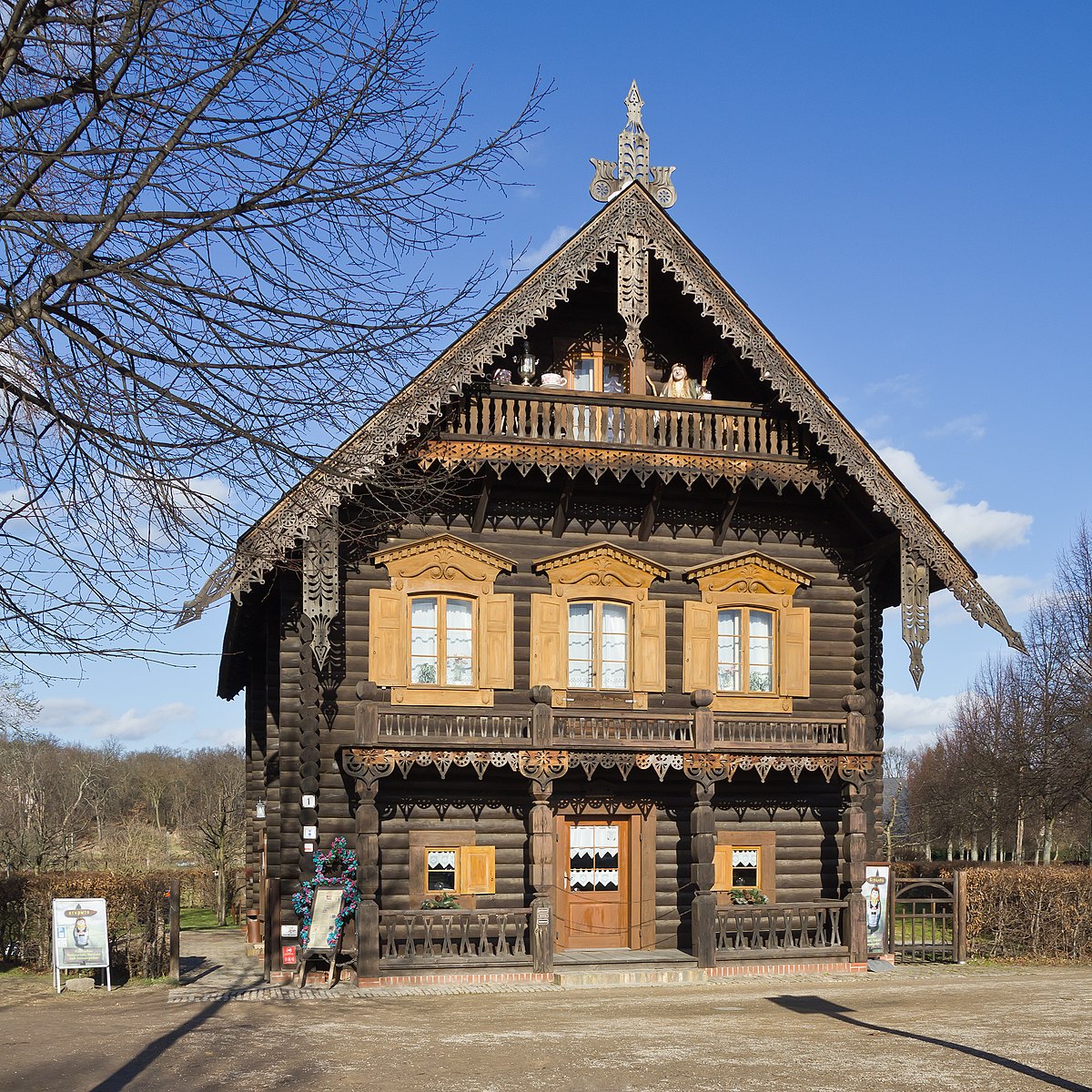
Located in the picturesque city of Potsdam, Germany, Alexandrowka is an intriguing architectural ensemble that reflects a unique blend of Russian and …

Alte Burg Penzlin
📍 Brandenburg, Germany
Alte Burg Penzlin, a captivating castle located in the quaint town of Penzlin, Germany, serves as a remarkable example of medieval architecture and …

Alte Dorfkirche Röxe
📍 Brandenburg, Germany
The Alte Dorfkirche Röxe stands as a poignant symbol of architectural and cultural history in the Stendal region of Germany. This church building, …
More Cathedrals

Basilica of St. John the Baptist, Berlin
📍 Berlin, Germany
The Basilica of St. John the Baptist in Berlin stands as a prominent parish church in the vibrant Neukölln district, reflecting both the architectural …

Basilica of St. Quirinus
📍 North Rhine-Westphalia, Germany
The Basilica of St. Quirinus is an iconic Roman Catholic church located in Neuss, North Rhine-Westphalia, Germany. This cathedral not only serves as a …

Bonn Minster
📍 North Rhine-Westphalia, Germany
Bonn Minster, a stunning cathedral located in the heart of Bonn, Germany, is a significant landmark that reflects the city’s religious and …

Cathedral of St Peter, Bautzen
📍 Saxony, Germany
The Cathedral of St Peter in Bautzen, Germany, stands as a significant religious and cultural landmark within the region. This cathedral is not only a …

Cathedral of the Resurrection
📍 Berlin, Germany
The Cathedral of the Resurrection, located in the Charlottenburg-Wilmersdorf district of Berlin, is a striking example of contemporary ecclesiastical …