
Cathedral Hill in Erfurt
Overview
Cathedral Hill in Erfurt, Germany, is a remarkable architectural ensemble that captures the essence of the city’s historical significance. Rising prominently above the surrounding landscape, this site serves as a focal point for both local residents and visitors, revealing layers of cultural and architectural history. The area harmoniously combines the majestic Erfurt Cathedral and the St. Severus Church, showcasing the evolution of ecclesiastical architecture over centuries. As a part of the broader historical fabric of Erfurt, Cathedral Hill offers insights into the religious, social, and artistic developments that have shaped this vibrant city.
Located in the heart of Thuringia, Cathedral Hill not only provides a picturesque backdrop for the city but also serves as a reminder of the region’s historical importance in German history. The site is easily accessible and represents an essential stop for those wishing to explore the rich narratives of Erfurt’s past. Visitors can expect to encounter stunning architectural details, serene surroundings, and a deep sense of history, making it a significant destination for both heritage enthusiasts and casual travelers alike.
History and Significance
The history of Cathedral Hill is intertwined with the religious and cultural evolution of Erfurt, one of Germany’s oldest cities. The significance of this site is underscored by its role in the development of Christianity in the region. The Erfurt Cathedral, dedicated to St. Mary, has served as a central place of worship since its inception, reflecting the city’s religious importance throughout the ages. The architectural ensemble showcases a blend of styles, particularly Gothic and Romanesque influences, which have emerged as the result of extensive renovations and expansions over time.
The area surrounding Cathedral Hill has long been a vital hub for trade and commerce, contributing to Erfurt’s prosperity during the medieval period. The city’s strategic location made it a key player in regional politics and economics, further elevating the importance of its religious institutions. As a result, Cathedral Hill has not only served spiritual needs but also acted as a symbol of power and community cohesion.
In addition to its religious significance, Cathedral Hill has been a site of numerous historical events. It has witnessed the transformation of the city through various political regimes and societal changes, making it a living testament to Erfurt’s dynamic history. The ongoing preservation efforts reflect a commitment to maintaining this cultural heritage for future generations, providing a space for reflection and education about the past.
Architecture and Features
The architectural ensemble of Cathedral Hill is characterized by its striking buildings, notably the Erfurt Cathedral and St. Severus Church. The Erfurt Cathedral, with its impressive twin towers, exemplifies the Gothic architectural style, boasting intricate stone carvings and stunning stained glass windows that illuminate the interior. The cathedral’s nave is particularly noteworthy, featuring a soaring ceiling and a remarkable organ that attracts music lovers and worshippers alike.
Adjacent to the cathedral, St. Severus Church offers a contrast with its unique Romanesque elements, showcasing a different facet of medieval architecture. The church is adorned with beautiful frescoes and altarpieces that illustrate biblical narratives and serve as a visual feast for visitors. The harmonious relationship between these two structures highlights the architectural diversity and historical layers present at Cathedral Hill.
The surrounding landscape adds to the site’s ambiance, with pathways inviting exploration of the area. Visitors can admire the meticulously landscaped gardens and take in the serene atmosphere that envelops this historical ensemble. The vantage points around Cathedral Hill also provide chances to appreciate the architectural details from various perspectives, enhancing the overall experience.
Visiting Information
Cathedral Hill is conveniently located in Erfurt, making it accessible via various modes of transportation. Public transport options, including buses and trams, are available for those looking to explore the area without the need for a car. For those who prefer to walk, the hill is within a reasonable distance from the city center, allowing for a leisurely stroll through Erfurt’s charming streets.
When planning a visit, it is advisable to check the official website for current information regarding opening hours and ticket prices. Visitors can expect to spend a couple of hours exploring the architectural ensemble, allowing ample time to appreciate the details of both the Erfurt Cathedral and St. Severus Church.
The best times to visit Cathedral Hill are typically during the spring and early autumn months, when the weather is mild, and the area is less crowded. However, each season offers a unique charm, and visitors may find beauty in the winter’s tranquility or the blooming gardens of summer.
Nearby Attractions
Krämerbrücke (Merchant’s Bridge): This historic bridge, lined with charming shops and cafes, is a vibrant part of Erfurt’s cultural landscape and a short walk from Cathedral Hill.
Augustinerkloster (Augustinian Monastery): This notable monastery played a significant role in Martin Luther’s life and is a fascinating site for those interested in religious history.
Erfurt Synagogue: One of the oldest synagogues in Europe, it provides insight into the Jewish community’s history in Germany and is located close to the city center.
Petersberg Citadel: An impressive fortress that offers panoramic views of Erfurt, providing a deeper understanding of the city’s strategic importance.
Egapark Erfurt: A beautiful garden park that showcases a variety of plants and landscapes, ideal for a leisurely stroll after a visit to Cathedral Hill.
Insider Tips
To capture the best photographs of Cathedral Hill, consider visiting early in the morning or later in the afternoon when the light casts a warm glow on the buildings. The interplay of light and shadow enhances the intricate architectural details. Additionally, weekdays tend to be less crowded, allowing for a more serene experience and better opportunities for photography.
For those seeking a quieter visit, consider exploring the area during off-peak seasons. The tranquility of the surroundings can enhance the experience, allowing for a deeper appreciation of the site’s historical significance.
Practical Information
When visiting Cathedral Hill, it is advisable to wear comfortable footwear, as the area may require some walking and exploration. A light jacket or sweater is recommended, especially during the cooler months, as the weather can change unexpectedly.
Additionally, bringing a camera is a must for those wishing to document their visit, though be mindful of any photography restrictions within the churches. Seasonal considerations, such as events or festivals, may also affect visitor experience, so checking the official website for updates is wise.
Frequently Asked Questions
How long should I spend visiting?
Visitors typically spend about 2-3 hours exploring Cathedral Hill, allowing time to appreciate both the Erfurt Cathedral and St. Severus Church.
Is photography allowed?
Photography is generally permitted in public areas, but be sure to check for any restrictions inside the churches.
Are there guided tours?
Guided tours may be available; check the official website for details and scheduling.
What’s the best time to visit?
Spring and early autumn are ideal for pleasant weather and fewer crowds, but each season offers its unique appeal.
Is it wheelchair accessible?
Accessibility may vary by building, so check the official website for specific details regarding wheelchair access.
Can I buy tickets online?
Check the official website for information on ticket availability and purchasing options.
Are there restrooms and cafes?
Facilities may be available nearby; check the official website for specific locations.
What should I wear?
Comfortable clothing and footwear are recommended due to the potential for walking and exploring the site.
More in Saxony-Anhalt

Ägidienkurie (Naumburg)
📍 Saxony-Anhalt, Germany
The Ägidienkurie, a quaint chapel located in the heart of Naumburg, Germany, offers visitors a glimpse into the rich ecclesiastical heritage of the …
Al-Kholafa´a Moschee
📍 Saxony-Anhalt, Germany
The Al-Kholafa´a Moschee, located in Weimar, Germany, is a significant religious site that embodies the cultural diversity of this historic city. As a …

Alte Oper
📍 Saxony-Anhalt, Germany
The Alte Oper, a distinguished theatre building in Erfurt, Germany, serves as a vibrant hub for cultural events and artistic performances. This …

Altes Schloss Dornburg
📍 Saxony-Anhalt, Germany
Altes Schloss Dornburg, a magnificent palace located in the charming region of Dornburg-Camburg, Germany, is a site that draws visitors with its …

Anatomieturm Jena
📍 Saxony-Anhalt, Germany
The Anatomieturm Jena, a historic tower located in the city of Jena, Germany, is an intriguing remnant of the region’s architectural heritage. This …

Andreaskirche (Erfurt)
📍 Saxony-Anhalt, Germany
The Andreaskirche, an emblematic church building located in the heart of Erfurt, Germany, stands as a significant architectural and cultural landmark. …
More Architectural Ensembles

144., 176. und 184. Gemeindeschule
📍 Berlin, Germany
The 144., 176. und 184. Gemeindeschule, an architectural ensemble located in the vibrant city of Berlin, stands as a noteworthy example of educational …

Adelheidstraße 3–7, 9–12, 12a, 14, 15, 22–31, Amelungstraße 1, Friedrich-Ebert-Platz
📍 Lower Saxony, Germany
In the heart of Quedlinburg, Germany, lies a captivating architectural ensemble that reflects the town’s historical significance and cultural …

Aegidiimarkt
📍 Lower Saxony, Germany
Aegidiimarkt is a captivating architectural ensemble located in the heart of Münster, Germany. This vibrant square not only serves as a hub for local …
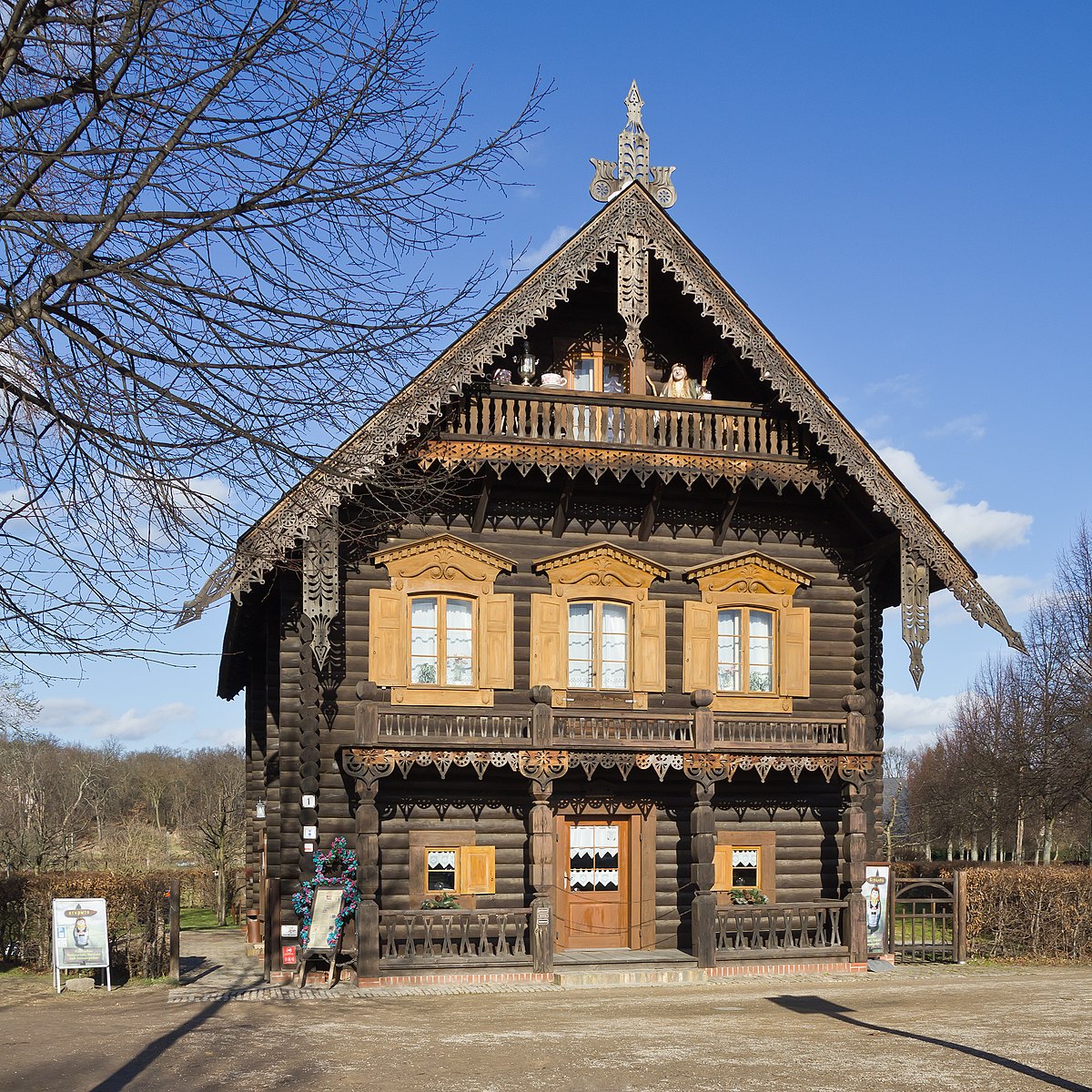
Alexandrowka
📍 Brandenburg, Germany
Located in the picturesque city of Potsdam, Germany, Alexandrowka is an intriguing architectural ensemble that reflects a unique blend of Russian and …

Alhauser Hammer
📍 North Rhine-Westphalia, Germany
Alhauser Hammer is a remarkable architectural ensemble located in Ennepetal, Germany, known for its historical significance as a water-driven hammer …

Alsdorfer Ölmühle
📍 North Rhine-Westphalia, Germany
The Alsdorfer Ölmühle, an architectural ensemble located in the heart of Alsdorf, Germany, is a remarkable example of a traditional watermill that …