Overview
As you approach the Castra of Osterburken, the remnants of this ancient Roman fort invite you to explore a significant chapter of history. Set against the backdrop of Germany’s diverse landscape, this archaeological site offers a window into military life during the Roman Empire. The fort, once a bustling center of activity, played a crucial role in the Roman military strategy and settlements during its time.
Located in the heart of Germany, the Castra of Osterburken is a remarkable testament to the grandeur and complexity of Roman engineering and societal organization. The site serves not only as a historical landmark but also as a crucial part of the archaeological narrative that helps us understand the Roman Empire’s influence in this region. Here, you will discover the strategic layout of the fortifications, the remnants of its buildings, and the cultural exchanges that took place within its walls.
Your visit promises to immerse you in the archaeological wonders of the site, where you can walk through the remnants of history and imagine the lives of those who once inhabited this fort. Whether you’re an avid history buff or simply curious about the past, the Castra of Osterburken offers a unique experience that connects you to the ancient world.
History and Significance
The Castra of Osterburken stands as an important archaeological site that reflects the Roman Empire’s expansion and influence in Central Europe. As a Roman fort, it was strategically established to support military campaigns and provide a base of operations for soldiers. The fort’s construction and subsequent usage highlight the military architecture of the Romans, characterized by its robust defenses and structured layout.
Over the centuries, the fort has undergone various transformations, adapting to the changing needs of its inhabitants and the military strategies of the time. The remnants of its walls and structures reveal how the Romans integrated their architectural knowledge with local resources, creating a functional yet formidable site. The fort also serves as a reminder of the cultural interactions between the Roman Empire and the indigenous populations, showcasing how these exchanges shaped the region’s history.
The significance of the Castra of Osterburken extends beyond its military function. It provides invaluable insights into Roman engineering, urban planning, and daily life. Archaeological findings from the site contribute to our understanding of Roman society, including military organization, trade practices, and the everyday experiences of soldiers and civilians alike. The fort remains a focal point for researchers and historians, offering a tangible connection to a pivotal period in European history.
Architecture and Features
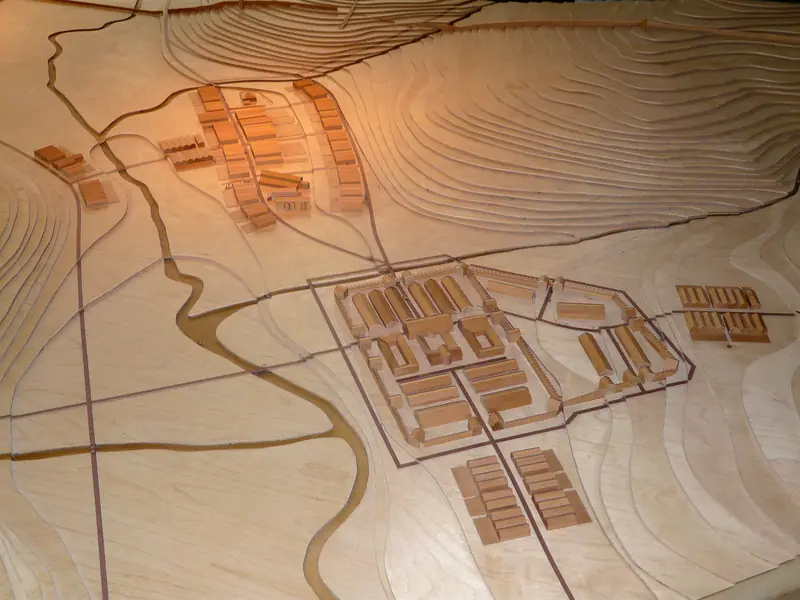
The architecture of the Castra of Osterburken reflects the military efficiency and strategic planning typical of Roman forts. The layout is characterized by high defensive walls and a clearly defined perimeter, designed to protect its inhabitants and withstand potential attacks. Though specific architectural styles are not detailed, Roman forts often feature rectangular designs, with a combination of barracks, storage facilities, and command structures.
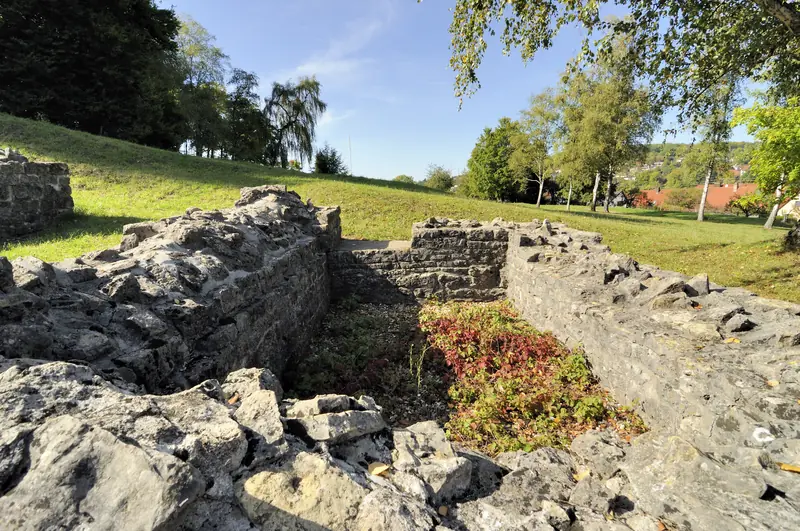
Visitors can observe the remnants of the fort’s walls, which once stood tall and formidable, serving as a protective barrier. The foundations of various buildings within the fort outline the functional spaces that catered to the needs of soldiers and officials. This includes areas for living quarters, administrative functions, and storage, all meticulously planned to optimize the use of space and resources.
One notable feature of the Castra of Osterburken is its integration with the surrounding landscape, providing a strategic vantage point for surveillance and defense. The fort’s elevated position allows for clear views of the nearby area, enhancing its military capabilities. As you explore, pay attention to the layout of the ruins, which reveals much about Roman military life and their architectural prowess.
Visiting Information
Visiting the Castra of Osterburken is an enriching experience that allows you to engage with history in a meaningful way. To reach the site, you can utilize various transport options available in the region. Public transportation may be an option, but for the most flexibility, consider driving or arranging for local guided tours that can provide further insights into the site and its significance.
Check the official website for current opening hours to plan your visit. Admission prices can also vary, so it’s advisable to visit the official website for current admission prices. Upon arrival, you can expect to encounter informative displays and signage that enhance your understanding of the fort’s history and significance.
Typically, a visit to the Castra of Osterburken might take around 1-2 hours, allowing you to explore the site at a comfortable pace. Mornings often offer a quieter experience, making it an ideal time to visit, while spring and fall seasons tend to provide pleasant weather for outdoor exploration.
Accessibility is an important consideration, so check with the site directly for the latest information regarding facilities and accommodations for visitors with mobility needs.
Nearby Attractions
While exploring the Castra of Osterburken, consider visiting these nearby attractions that further enrich your historical journey:
Archaeological Museum: Located not far from the fort, this museum showcases artifacts and exhibits that provide context to the Roman presence in the region. It offers a deeper understanding of daily life during the Roman Empire and the interactions between cultures.
Historic Town Center: The nearby town center features charming architecture and historical buildings that reflect the local culture and heritage. Strolling through its streets allows you to experience the blend of past and present.
Local Parks: The surrounding area often includes parks that offer a serene environment for relaxation and reflection after your visit to the fort. These green spaces can provide a lovely contrast to the historical site.
Cultural Events: Check local listings for any cultural events or festivals that may be taking place during your visit. Engaging with the community can provide a unique perspective on the region’s heritage.
Insider Tips
To make the most of your visit to the Castra of Osterburken, consider these insider tips:
Best Photography Spots: Capture stunning images from various angles of the fort’s walls, particularly during the golden hour (early morning or late afternoon) when the light enhances the textures of the ancient stone.
Lesser-known Details: Look for specific features in the architecture, such as remnants of the original fortifications or unique structural designs that highlight Roman engineering.
Avoiding Crowds: Visiting early in the day or during weekdays typically results in fewer crowds, allowing for a more personal exploration of the site.
Local Tips: Engage with local guides or historians if available; they can provide fascinating insights and anecdotes that enrich your understanding of the site and its historical context.
Practical Information
When planning your visit to the Castra of Osterburken, keep these practical details in mind:
What to Bring: Comfortable walking shoes are essential, as you will be exploring uneven terrain. Also, bring water and snacks to stay refreshed during your visit.
Seasonal Considerations: Weather can vary, so check the forecast before your trip. Dressing in layers can help you adapt to changing conditions throughout the day.
Visitor Amenities: Facilities such as restrooms may be available on-site, but it’s best to check for the latest information directly with the site.
Frequently Asked Questions
How long should I spend visiting?
A typical visit to the Castra of Osterburken lasts about 1-2 hours, allowing ample time to explore the ruins and engage with informational displays.
Is photography allowed inside?
Photography is generally permitted, but be sure to respect any guidelines posted at the site.
Are there guided tours available?
Contact the site directly for the latest information regarding guided tours and any scheduled events that may enhance your experience.
What’s the best time of day to visit?
Morning visits are often quieter and offer a more peaceful exploration experience, making it the ideal time to arrive.
Is the site wheelchair accessible?
For the latest information on accessibility options, contact the site directly.
Can I buy tickets online?
Visit the official website for current admission prices and information on purchasing tickets ahead of your visit.
Are there facilities like restrooms and cafes?
Check with the site directly for the latest information on visitor facilities, including restrooms and any available dining options.
What should I wear when visiting?
Comfortable clothing and sturdy shoes are recommended, as you will be exploring an archaeological site with uneven surfaces. Dressing in layers is also advisable based on the weather.
Photo Gallery