Overview
Castle Chapel Torgau, located in the historic town of Torgau in the Saxony region of Germany, represents an important site of cultural and architectural significance. This chapel, also known as the Castle Church, is not only a religious structure but also a symbol of the Protestant Reformation, marking its place in the heart of German history. The chapel stands within the walls of the former royal castle, contributing to the rich tapestry of Torgau’s heritage. Visitors to this site can expect to engage with both its spiritual atmosphere and its artistic heritage, making it a vital stop for anyone interested in Germany’s religious history.
Torgau, situated along the Elbe River, has long served as a pivotal location in Saxony, renowned for its historical events and architectural landmarks. The Castle Chapel is particularly significant as it reflects the transition of architectural styles and the evolution of religious practices in the region. As you explore this site, you will uncover the layers of history that have shaped not just the chapel itself but also the surrounding town, giving insight into the cultural shifts that have occurred over the centuries.
History and Significance
The Castle Chapel Torgau holds a prominent place in the narrative of the Protestant Reformation. It is associated with pivotal figures of the era, particularly Martin Luther, who played a crucial role in the movement that reshaped Christianity in Europe. The chapel was built during a time of religious upheaval, and its construction reflects the emerging Protestant ideals that would change the course of religious practice in Germany.
Throughout the years, the chapel has served multiple purposes. Initially, it was established as a place of worship for the court of Saxony, becoming a central location for significant religious ceremonies. It is within these walls that many important events took place, including the marriage of prominent figures in the Protestant community. The chapel not only served as a religious site but also as a symbol of the power and influence of the Saxon Electorate.
The architectural style of the Castle Chapel is indicative of its era, with elements that reflect both Gothic and Renaissance influences. This blend of styles is a testament to the evolving artistic preferences of the time. The chapel’s significance extends beyond its physical structure; it embodies the spirit of an era characterized by a quest for religious reformation and the assertion of individual belief.
Architecture and Features
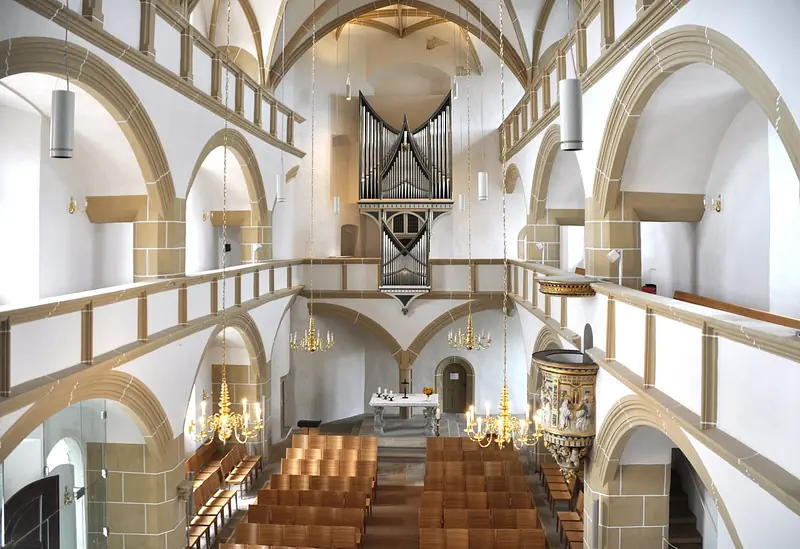
The architectural design of the Castle Chapel Torgau is a remarkable fusion of Gothic and Renaissance styles, which is evident in both its exterior and interior features. The chapel is characterized by its vertical lines and pointed arches, typical of Gothic architecture, while also incorporating elements that reflect Renaissance ideals of symmetry and proportion.
Upon entering the chapel, visitors are greeted by an atmosphere of reverence. The interior is adorned with intricate details, including ornate woodwork and stained glass windows that cast colorful light across the nave. The layout of the chapel is traditional, with a central nave flanked by aisles, leading to an altar that serves as the focal point of the space.
Noteworthy features include the beautifully crafted altar, which is a central element of the chapel’s design. The altar is not only a place for worship but also an artistic centerpiece that showcases the craftsmanship of the period. The stained glass windows are particularly striking, depicting biblical scenes and figures significant to the Protestant faith.
Additionally, the chapel’s acoustics are remarkable, making it a venue for music and choral performances, further enriching its cultural significance. The overall design and features of the Castle Chapel Torgau combine to create a space that is both spiritually uplifting and historically informative.
Visiting Information
When planning a visit to Castle Chapel Torgau, it is advisable to check the official website for current information on hours and ticket prices. The chapel is accessible by various modes of transport, including public transportation and private vehicles, making it a convenient destination for travelers.
Visitors can expect to spend around one to two hours exploring the chapel and its surroundings. The best times to visit are typically during weekdays when crowds are smaller, allowing for a more personal experience with the site.
Upon arrival, guests will find informative displays that provide context about the chapel’s history and significance. The atmosphere within the chapel is serene, inviting visitors to reflect and appreciate the artistic and spiritual heritage it embodies.
Be prepared for a range of weather conditions, as the region experiences seasonal variations. Comfortable walking shoes are recommended, as exploring the chapel and its grounds may involve some walking.
Nearby Attractions
While Castle Chapel Torgau is a highlight in itself, there are several nearby attractions that complement your visit:
- Torgau Castle: Just a short walk from the chapel, this historical castle offers insight into the region’s royal past and houses various exhibitions.
- St. Mary’s Church: A striking example of late Gothic architecture, this church is known for its impressive altars and historical significance.
- The Elbe River: A scenic spot for a leisurely stroll or a boat ride, providing a different perspective of Torgau’s landscape.
- Hartenfels Castle: Located not far from the chapel, this castle features beautiful gardens and offers guided tours showcasing its history.
- The Torgau Town Museum: A great place to learn more about the local history and culture, featuring exhibits on the town’s development through the ages.
Insider Tips
For those looking to capture the beauty of Castle Chapel Torgau through photography, consider visiting during early morning or late afternoon when the light is softer. This can enhance the details of the chapel’s architecture and the vivid colors of the stained glass windows.
To avoid crowds, plan your visit during weekdays, especially in the early hours. This allows for a more intimate experience with the chapel and its surroundings, providing ample opportunity for reflection and appreciation of its historical significance.
Practical Information
When visiting Castle Chapel Torgau, it is advisable to bring along essentials such as a water bottle and a light snack, as options may be limited in the immediate vicinity. Seasonal considerations should also be taken into account; during colder months, be sure to dress warmly, as the chapel can be chilly.
Comfortable footwear is recommended, as exploring the chapel and surrounding areas may involve a fair amount of walking. Additionally, if you are planning to take photographs, be mindful of any restrictions that may be in place within the chapel.
Frequently Asked Questions
How long should I spend visiting?
Visitors typically spend around one to two hours at Castle Chapel Torgau.
Is photography allowed?
While photography is generally permitted, it is advisable to check for any specific restrictions upon arrival.
Are there guided tours?
Guided tours may be available, but it is best to check the official website for details.
What’s the best time to visit?
Weekdays are often less crowded, making them ideal for a visit. Early morning or late afternoon light is also favorable for photography.
Is it wheelchair accessible?
Accessibility information can vary; check the official website prior to your visit for details.
Can I buy tickets online?
It is recommended to check the official website for current information on ticket purchasing options.
Are there restrooms and cafes?
While facilities may be limited nearby, it is best to check the official website for specific information.
What should I wear?
Comfortable clothing and footwear are recommended, especially if you plan to explore the surrounding areas. Dress appropriately for the weather conditions during your visit.