
Carlswerk
Overview
Carlswerk, a former factory located in Cologne, Germany, has a storied past as a manufacturer of overhead wires, overhead lines, conductor wires, and high-voltage cables. This industrial site is not just a relic of the past; it represents the evolution of manufacturing and the technological advancements that shaped the region. As you explore Carlswerk, you will encounter a site that reflects both the industrial heritage of Cologne and the role of engineering in Germany’s economic development. With its robust architecture and rich history, Carlswerk offers visitors a glimpse into the industrial processes that were vital to the growth of urban centers in the late 19th and early 20th centuries.
Located in the heart of Germany, Cologne is a city renowned for its impressive architecture, vibrant culture, and deep-rooted history. Carlswerk serves as a reminder of the industrial revolution’s impact on urban development. Visitors can expect not only to learn about the factory’s function and significance but also to appreciate the broader context of industrial heritage in Germany.
As you embark on your exploration of Carlswerk, prepare to engage with its historical narrative and architectural features that illustrate the ingenuity of past manufacturing processes. Whether you are an industrial history enthusiast or simply curious about the evolution of factories, Carlswerk promises to be an enlightening experience.
History and Significance
Carlswerk was established as a factory dedicated to the production of electrical components essential for the burgeoning demands of the industrial age. Its specialized focus on overhead wires, overhead lines, conductor wires, and high-voltage cables made it a critical player in the electrical manufacturing landscape of Germany. The factory’s operations contributed significantly to the electrification efforts of the early 20th century, which were pivotal in transforming energy usage in urban settings.
The industrial sector in Cologne, particularly during the late 19th century, was marked by rapid growth and innovation. Carlswerk’s establishment coincided with a period of significant technological advancement, reflecting the increasing reliance on electricity for public and industrial applications. The factory not only provided jobs to local residents but also played a crucial role in supporting the infrastructure development of Cologne and surrounding areas.
As the demand for electrical products grew, so did the importance of factories like Carlswerk. The factory’s contributions extended beyond mere production; it was integral in shaping the industrial identity of Cologne. Today, as the site undergoes various transformations, it continues to be a focal point of interest for those exploring the industrial heritage of the region.
While specific dates and events may not be available, the legacy of Carlswerk is evident in the ongoing discussions about industrial heritage preservation and the role of factories in economic development. The site serves as a reminder of the past and a point of reference for understanding the evolution of manufacturing in Germany.
Architecture and Features
The architecture of Carlswerk is emblematic of industrial design from its operational period. The factory’s structure is characterized by robust and functional design elements that served specific manufacturing purposes. As you approach the site, you will notice the substantial brickwork, which not only provides durability but also reflects the architectural trends of the time.
Large factory windows, typical of industrial buildings, allowed for ample natural light to illuminate the workspace, a feature that was essential for the labor-intensive processes involved in manufacturing wires and cables. The layout of Carlswerk was likely designed to facilitate an efficient workflow, with distinct areas allocated for different stages of production.
While specific architectural details may not be documented, the overall aesthetic of Carlswerk represents the industrial heritage of Cologne and serves as a visual reminder of the factory’s operational history. The combination of function and form in the architecture offers insights into the priorities of manufacturers during a time when efficiency and productivity were paramount.
Visitors will find that the physical remnants of Carlswerk are not only a testament to its past but also an invitation to contemplate the evolution of industrial architecture. The factory’s design continues to inspire discussions about the preservation of industrial sites and their adaptive reuse in contemporary contexts.
Visiting Information
Visiting Carlswerk allows you to immerse yourself in the industrial heritage of Cologne. To make the most of your experience, consider the following:
Transport: Carlswerk is accessible via public transportation. Depending on where you’re coming from, you may find several options, including buses and trams that service the area. Check local transit schedules for the most convenient routes.
Hours and Prices: For current visiting hours and ticket prices, check the official website. This is essential as schedules may change based on events or seasonal considerations.
What to Expect: As you explore the factory, anticipate a blend of historical insights and architectural observations. While there may not be extensive interactive exhibits, the site’s ambiance offers a unique perspective on industrial heritage.
Time Needed: A visit to Carlswerk can typically take 1-2 hours, depending on your level of interest in industrial history and architecture.
Best Times: The factory may attract fewer visitors during weekdays, making it an ideal time for a quieter exploration. If you prefer a livelier atmosphere, weekends may offer more opportunities for interactions with other visitors.
Nearby Attractions
While exploring Carlswerk, consider visiting these nearby attractions to enhance your experience:
Cologne Cathedral: A UNESCO World Heritage Site and one of Germany’s most famous landmarks, this stunning Gothic cathedral is a must-see.
Museum Ludwig: Known for its extensive collection of modern art, this museum is located near the cathedral and is perfect for art enthusiasts.
Cologne Chocolate Museum: A delightful experience for those with a sweet tooth, this museum explores the history of chocolate production and includes tastings.
Rheinauhafen: A modern waterfront area featuring restaurants, shops, and cultural institutions, ideal for a leisurely stroll along the Rhine River.
Roman-Germanic Museum: This museum provides insights into Cologne’s rich Roman history, showcasing artifacts and exhibitions that highlight the city’s past.
Insider Tips
Photography: Capture the architectural features of Carlswerk from various angles. Early mornings or late afternoons often provide the best natural lighting for photography.
Crowd Avoidance: To enjoy a more peaceful visit, consider going during weekdays, especially in the morning. This will help you avoid larger weekend crowds.
Practical Information
When planning your visit to Carlswerk, keep these practical considerations in mind:
What to Bring: Comfortable walking shoes are recommended, as you may want to explore the site thoroughly. Additionally, a camera for photography enthusiasts will help document your experience.
Seasonal Considerations: Be mindful of the weather when planning your visit. Dress appropriately for the season, and consider checking the forecast ahead of time to ensure a pleasant experience.
Frequently Asked Questions
How long should I spend visiting?
A visit to Carlswerk typically takes 1-2 hours, allowing you to appreciate the site’s historical and architectural significance.
Is photography allowed?
Yes, photography is generally permitted at Carlswerk. However, be respectful of any signage that may indicate restrictions.
Are there guided tours?
Information on guided tours may vary. Check the official website for details regarding availability and scheduling.
What’s the best time to visit?
Weekdays, particularly in the morning, tend to be less crowded and may offer a more tranquil experience.
Is it wheelchair accessible?
Access information may vary. It’s advisable to check the official website for details on accessibility options at Carlswerk.
Can I buy tickets online?
For the most current information regarding ticket purchases, including online options, visit the official website.
Are there restrooms and cafes?
Amenities such as restrooms and cafes may be available, but it is best to check the official website for specific details.
What should I wear?
Comfortable clothing and footwear are recommended, especially if you plan to walk around and explore the site thoroughly. Dress in layers according to the season.
Visiting Carlswerk provides a unique opportunity to engage with an important part of Germany’s industrial heritage. While you’re there, embrace the chance to reflect on the technological advancements that have shaped modern manufacturing and urban life.
More in North Rhine-Westphalia

Aachen Cathedral
📍 North Rhine-Westphalia, Germany
Aachen Cathedral, a magnificent Roman-Catholic structure located in the historic city of Aachen, Germany, is a masterpiece of architectural design and …

Aachen Cathedral Treasury
📍 North Rhine-Westphalia, Germany
Aachen Cathedral Treasury, located in the historic city of Aachen, Germany, is a remarkable art museum that houses an impressive collection of …

Aachen Chapel of Hungary
📍 North Rhine-Westphalia, Germany
The Aachen Chapel of Hungary, a significant part of the Aachen Cathedral complex in Germany, serves as an emblem of the cultural exchange between …

Aachen-Rothe Erde station
📍 North Rhine-Westphalia, Germany
Aachen-Rothe Erde station serves as a crucial node in the intricate web of Germany’s railway network, located in the vibrant city of Aachen. This …

Aachener Tierpark Euregiozoo
📍 North Rhine-Westphalia, Germany
The Aachener Tierpark Euregiozoo, located in the heart of Aachen-Mitte, Germany, is a captivating destination for animal lovers and families alike. …

Abtei Mariendonk
📍 North Rhine-Westphalia, Germany
Abtei Mariendonk, a serene monastery located in the tranquil region of Grefrath, Germany, invites visitors to explore its spiritual and architectural …
More Factories
A. Heucke
📍 Lower Saxony, Germany
A. Heucke, located in the historic town of Gatersleben in Germany’s Seeland region, represents a significant chapter in the story of industrial …
Adam Opel AG Werk Bochum I
📍 Lower Saxony, Germany
The Adam Opel AG Werk Bochum I, located in Germany, represents a significant chapter in the history of industrial production. This former production …
Adam Opel AG Werke Bochum II/III
📍 Lower Saxony, Germany
Adam Opel AG Werke Bochum II/III is a distinguished factory located in Germany, playing a significant role in the automotive industry. This site is …
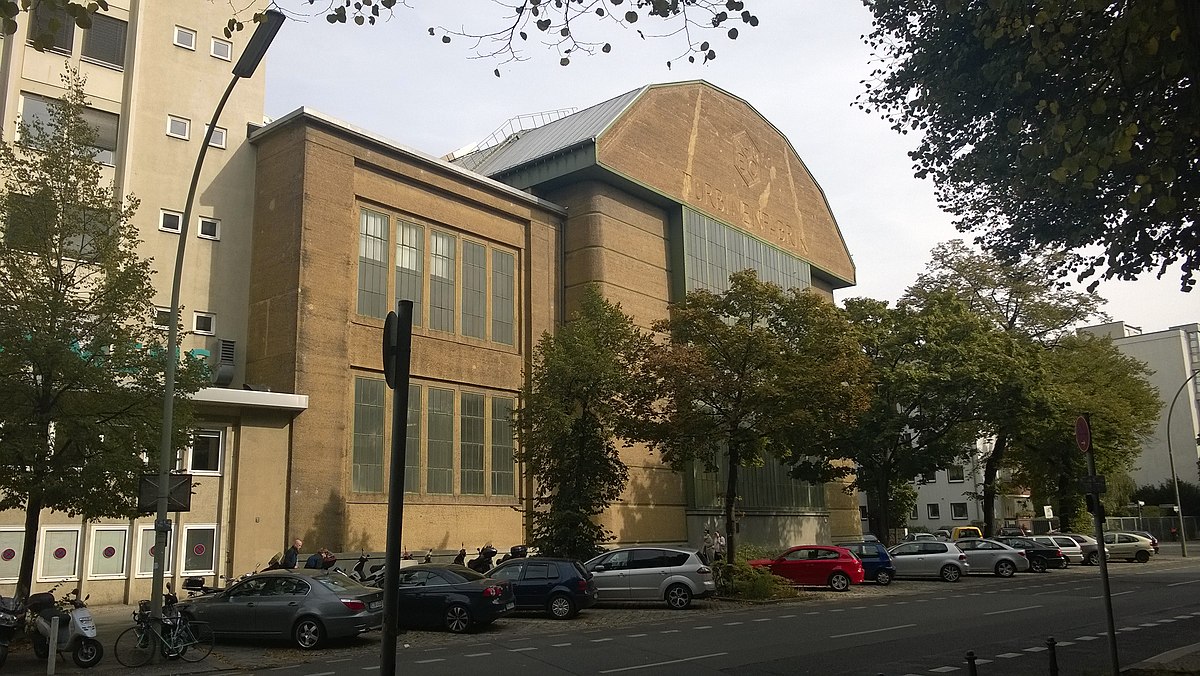
AEG's Turbine factory
📍 Berlin, Germany
The AEG Turbine Factory, an iconic structure in Berlin’s Bezirk Mitte, is a significant landmark that reflects the industrial heritage of the city. …
AKA-Radiergummifabrik
📍 Lower Saxony, Germany
The AKA-Radiergummifabrik, a significant former factory located in Hannover, Germany, offers a unique glimpse into the industrial past of the region. …

Alte Malzfabrik
📍 Lower Saxony, Germany
Alte Malzfabrik, located in Mülheim an der Ruhr, Germany, is an intriguing factory site that encapsulates the industrial heritage of the region. This …