Overview
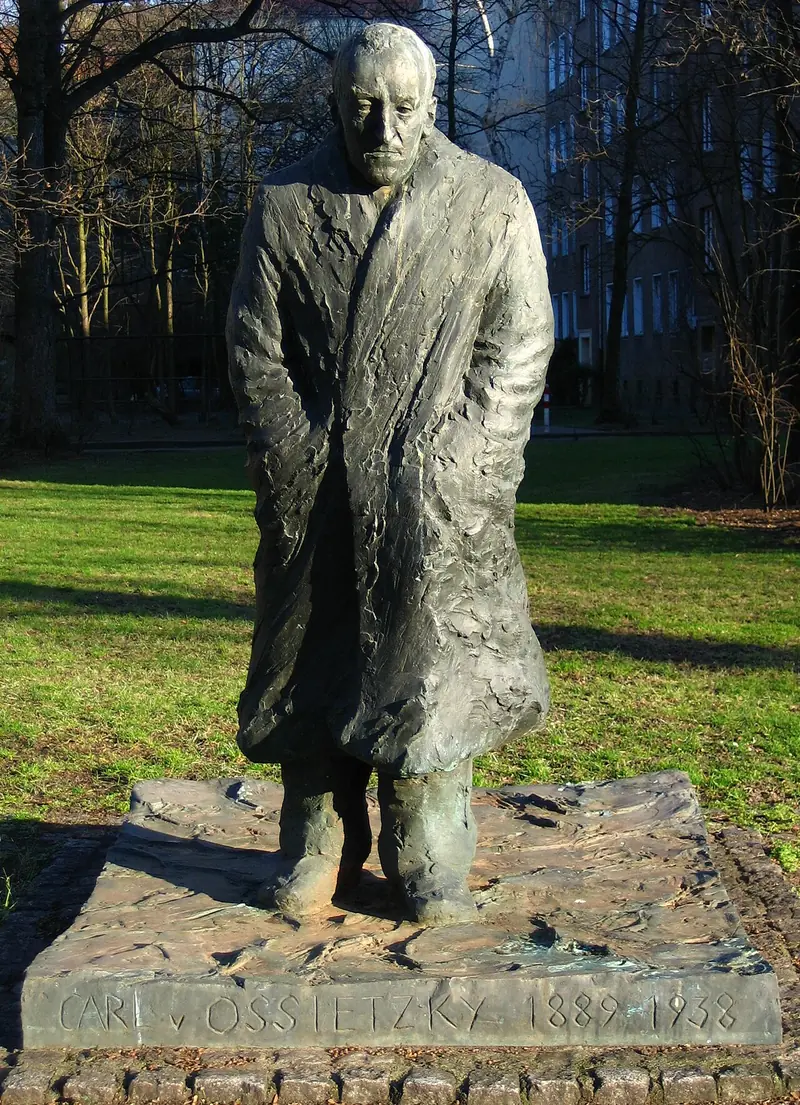
In the heart of Berlin-Pankow lies a memorial dedicated to one of Germany’s most courageous figures: Carl von Ossietzky. This monument is not merely a structure; it is a poignant reminder of the struggles and sacrifices made in the name of freedom and human rights. As a journalist, pacifist, and Nobel Peace Prize laureate, Ossietzky’s legacy continues to resonate, serving as a symbol of resistance against oppression. The site invites visitors to reflect on the importance of civil liberties and the ongoing fight for justice across the globe.
The memorial is situated within a vibrant urban landscape, surrounded by the history and culture that define Berlin. As you approach the monument, you are drawn into a narrative that transcends time—a narrative about the courage to speak out and the relentless pursuit of truth. Engaging with this site offers a unique opportunity to connect with both Ossietzky’s personal journey and the broader implications of his work.
Visiting this memorial is more than a simple stop on a tourist itinerary; it is an invitation to engage with the ideals of democracy and human rights that Ossietzky championed. Whether you are a history enthusiast, a student of social justice, or simply someone looking to understand the complexities of the past, the Carl von Ossietzky memorial provides a profound experience that lingers long after your visit.
History and Significance
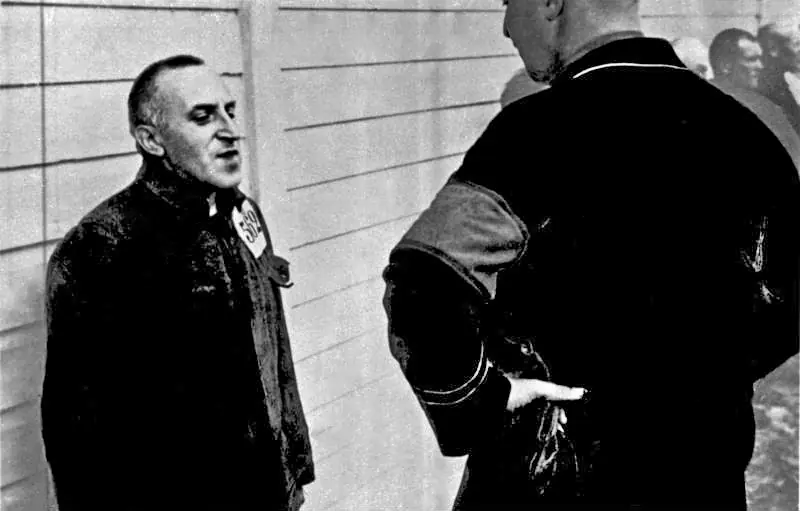
Carl von Ossietzky was a prominent figure in 20th-century Germany, known for his staunch opposition to militarism and his advocacy for peace. His work as an editor and journalist brought attention to the dangers of rising fascism and the erosion of civil liberties in Germany during the early 1930s. Ossietzky’s relentless pursuit of truth led to his imprisonment by the Nazi regime, a stark reminder of the harsh realities faced by those who dare to speak out against tyranny.
His dedication to human rights earned him the Nobel Peace Prize in 1935, making him the first German to receive the award after World War I. The recognition highlighted the international community’s acknowledgment of the threats posed by totalitarian regimes. Despite the oppressive environment, Ossietzky’s commitment to non-violence and justice inspired countless individuals and movements around the world.
The memorial itself serves as a tribute to Ossietzky’s life and ideals. It stands as a powerful symbol of resistance against oppression and a reminder of the importance of safeguarding civil rights. Through its design and location, the monument encourages visitors to engage with Ossietzky’s legacy, fostering a deeper understanding of the historical context in which he lived and the ongoing relevance of his message today.
Architecture and Features
The Carl von Ossietzky memorial is a thoughtfully designed monument that reflects both the dignity of its subject and the somber nature of his legacy. While specific architectural details are not provided, one can expect that the design is intended to evoke contemplation and respect. The monument likely incorporates elements that resonate with Ossietzky’s ideals of peace and justice, drawing visitors into a space that encourages reflection on his contributions.
The surrounding area of the memorial is intended to create an atmosphere conducive to quiet contemplation. Visitors may find pathways, seating areas, or landscaping that enhances the experience of the site, inviting them to pause and consider the significance of Ossietzky’s life and work. The use of materials and artistic expression in the memorial’s design is likely aimed at honoring his legacy while also serving as a reminder of the struggles faced by those who advocate for human rights.
As you approach the memorial, the design and its integration into the landscape may evoke a sense of solemnity and respect, encouraging a deeper connection to the themes of freedom and resistance that Ossietzky embodied.
Visiting Information
Accessing the Carl von Ossietzky memorial is straightforward, given its location in Berlin-Pankow. Public transportation options are readily available, allowing visitors to easily reach the site. From various points in the city, you can utilize buses or trains that service the area.
Check the official website for current information regarding hours of operation and any potential entry fees. While visiting, expect to spend approximately 30 minutes to an hour at the memorial. This time allows for a thorough exploration of the site, as well as some moments of reflection amidst the memorial’s surroundings.
For a more immersive experience, consider visiting during weekdays when crowds may be lighter, allowing for a quieter atmosphere conducive to contemplation. Early mornings or late afternoons can also provide a more serene environment for engaging with the memorial.
Bring comfortable walking shoes, as you may want to explore the nearby area or take a leisurely stroll after your visit. Depending on the season, prepare for varying weather conditions, and dress accordingly to ensure a pleasant experience.
Nearby Attractions
The Carl von Ossietzky memorial is well-placed within Berlin-Pankow, offering visitors the chance to explore several nearby attractions:
Schönhausen Palace: This historic palace is just a short distance away and provides insight into the royal history of Berlin. The beautiful gardens surrounding the palace make it an excellent spot for a leisurely walk.
Pankow’s Historic Center: Stroll through the historic center of Pankow, where charming architecture and local shops provide a glimpse into the neighborhood’s past while offering a vibrant contemporary atmosphere.
Berlin Wall Memorial: Located not too far from the memorial, this site offers a poignant look at the history of the Berlin Wall, featuring a visitor center and preserved sections of the wall itself.
Volkspark Prenzlauer Berg: A nearby park that offers green spaces for relaxation and leisurely walks. It is an ideal spot to reflect on your visit or enjoy a picnic.
Café Anna Blume: After visiting the memorial, consider stopping by this charming café for a break. Known for its delightful pastries and pleasant ambiance, it offers a nice respite in the bustling city.
Insider Tips
When visiting the Carl von Ossietzky memorial, consider a few insider tips to enhance your experience. For photography enthusiasts, early morning or late afternoon light can provide ideal conditions for capturing the memorial in a more tranquil setting. Be conscious of other visitors and aim for moments when the site is less crowded to allow for unobstructed views.
To avoid larger groups, consider planning your visit during weekdays rather than weekends. This timing can provide a more intimate experience, allowing you to engage more deeply with the memorial’s significance.
Practical Information
When planning your visit to the Carl von Ossietzky memorial, it’s advisable to bring along a few essentials. Comfortable walking shoes are recommended, as the surrounding area offers opportunities for exploration. Depending on the time of year, dress in layers to accommodate changing weather conditions, and consider bringing an umbrella if rain is in the forecast.
Given the memorial’s urban setting, amenities such as cafes and restrooms may be available nearby, enhancing your visit. Always check the official website for the most current visitor information, including any seasonal considerations that may affect your experience.
Frequently Asked Questions
How long should I spend visiting?
A visit to the Carl von Ossietzky memorial typically takes about 30 minutes to an hour, allowing for reflection and exploration of the surrounding area.
Is photography allowed?
Yes, photography is generally permitted at the memorial. However, be respectful of other visitors who may also wish to engage with the site.
Are there guided tours?
Currently, there are no specific guided tours mentioned for the memorial. However, visitors are encouraged to explore the site at their own pace.
What’s the best time to visit?
The best times to visit are typically on weekdays and during early morning or late afternoon hours, when crowds are smaller, allowing for a more peaceful experience.
Is it wheelchair accessible?
Details on wheelchair accessibility are not specified, so it is advisable to check the official website for the most accurate information.
Can I buy tickets online?
Information regarding ticket purchases is not provided. It is recommended to check the official website for any updates on entry fees and ticketing options.
Are there restrooms and cafes?
While specific amenities at the memorial are not detailed, nearby areas may offer cafes and restrooms. It is advisable to explore the vicinity for these facilities.
What should I wear?
Dress comfortably and in layers, as weather conditions can vary. Comfortable walking shoes are recommended for exploring both the memorial and its surrounding areas.
Photo Gallery