
Carl-Loewe-Museum
Overview
The Carl-Loewe-Museum, located in Löbejün, Saxony-Anhalt, Germany, is dedicated to the life and works of the notable composer and poet Carl Loewe. This museum serves as a cultural landmark, celebrating the contributions of Loewe to the world of music and literature. As visitors enter the museum, they are greeted by a wealth of exhibits that highlight Loewe’s artistic journey, his influences, and the legacy he left behind. Situated in a region rich in cultural history, the museum provides a unique glimpse into the 19th-century artistic landscape of Germany.
The museum not only honors Loewe’s personal achievements but also sheds light on the broader context of his time, making it a significant destination for those interested in classical music and German heritage. The collection features a range of artifacts, including manuscripts, letters, and personal items, which collectively paint a vivid picture of Loewe’s life and the era in which he thrived. Visitors to the museum can expect an enriching experience that combines education with appreciation for the arts.
History and Significance
Carl Loewe was born in 1796, and his career spanned several decades during which he became known for his lieder (songs) and operatic works. The museum was established to preserve and celebrate his contributions to music and literature. Loewe’s works were pivotal in the development of the romantic song tradition, and his influence can still be felt in the realm of classical music today.
The museum is situated in Löbejün, a town that has its roots deep in the cultural and historical fabric of Saxony-Anhalt. The region itself has been a center for artistic expression, making it an appropriate location for a museum dedicated to a figure like Loewe. The establishment of the Carl-Loewe-Museum signifies the community’s commitment to preserving its cultural heritage and honoring those who have made significant contributions to it.
Within its walls, the museum houses a collection of Loewe’s manuscripts, personal letters, and various memorabilia that provide insights into his life and creative process. These artifacts not only highlight Loewe’s artistic achievements but also reflect the social and cultural dynamics of his time. The museum serves as a resource for scholars, musicians, and enthusiasts alike, offering a space where the legacy of Carl Loewe can be appreciated and studied.
Architecture and Features
The Carl-Loewe-Museum is characterized by its inviting architecture, which reflects the traditional styles of the region. The exterior of the building is designed to blend harmoniously with the surrounding environment, showcasing features typical of historical German structures. Upon entering, visitors are welcomed into a thoughtfully curated space that highlights the life and works of Carl Loewe.
Inside, the museum is organized into various exhibits that guide visitors through different aspects of Loewe’s life. The layout is designed to facilitate an engaging experience, with informative displays that provide context and background for each artifact. Notable features include dedicated sections for Loewe’s music manuscripts, personal correspondence, and biographical information, allowing guests to delve deeper into his artistic legacy.
The museum’s design emphasizes both functionality and aesthetics, creating an atmosphere conducive to reflection and appreciation of the arts. The careful arrangement of exhibits ensures that visitors can navigate through the museum with ease, making it accessible to a wide range of audiences.
Visiting Information
For those planning a visit to the Carl-Loewe-Museum, it is advisable to check the official website for current information on hours and prices. The museum is accessible by various means of transport, including local bus services that connect Löbejün to larger cities in the region. Parking facilities are available for those traveling by car.
Typically, visitors can expect to spend around one to two hours at the museum, depending on their level of interest in the exhibits. The museum is designed to provide a comprehensive overview of Carl Loewe’s life and works, making it suitable for both casual visitors and serious music enthusiasts.
The best times to visit the museum are during weekdays when it is less crowded, allowing for a more intimate experience with the exhibits. Seasonal considerations may also play a role in planning your visit; spring and autumn often provide pleasant weather for exploring the surrounding area.
Nearby Attractions
Wettin Castle: Just a short distance from the museum, this historic castle offers insights into the local nobility and features stunning views of the surrounding landscape.
St. Mary’s Church: This beautiful church is known for its impressive architecture and rich history, providing another cultural stop for visitors in Löbejün.
The Saale River: Ideal for a leisurely stroll, the scenic riverbanks offer opportunities for relaxation and reflection in a peaceful natural setting.
Burg Giebichenstein: Located a bit further away, this hilltop castle in Halle showcases medieval architecture and provides panoramic views of the city.
Museum of Prehistory and Early History: Situated in Halle, this museum features a vast collection of artifacts that highlight the region’s prehistoric past.
Insider Tips
When visiting the Carl-Loewe-Museum, consider bringing a camera, as many of the exhibits and the building itself provide excellent opportunities for photography. However, be sure to respect any guidelines regarding flash photography and the handling of artifacts.
To avoid crowds, try to visit during weekday mornings. This is often when the museum sees the fewest visitors, allowing for a more personal experience with the exhibits and a chance to engage with staff if needed.
Practical Information
When planning your visit, it’s wise to bring along essentials such as water, comfortable walking shoes, and a light jacket, as the museum environment can be cooler than expected. Seasonal considerations, such as weather and local events, may affect your visit, so checking the forecast beforehand is advisable.
If you are traveling with family, consider packing snacks for younger visitors, as dining options may not be immediately available near the museum. Make sure to check the official website for any seasonal events or special exhibitions that may enhance your experience.
Frequently Asked Questions
How long should I spend visiting?
Most visitors typically spend around one to two hours at the museum.
Is photography allowed?
Check the museum’s guidelines, as photography policies may vary.
Are there guided tours?
Check the official website for information regarding guided tour availability.
What’s the best time to visit?
Weekday mornings tend to be less crowded, offering a more enjoyable experience.
Is it wheelchair accessible?
For accessibility details, please refer to the official website.
Can I buy tickets online?
Visit the official website to find out if online ticket purchasing is available.
Are there restrooms and cafes?
For facilities such as restrooms and cafes, please consult the official website for the most accurate information.
What should I wear?
Dress comfortably and consider the weather conditions on the day of your visit.
More in Brandenburg
Agnetenkloster
📍 Brandenburg, Germany
Agnetenkloster, a former monastery located in the heart of Magdeburg, Germany, invites visitors to explore its serene ambiance and historical …

Agroneum
📍 Brandenburg, Germany
Agroneum is a museum located in the serene landscape of Alt Schwerin, Germany. This establishment serves as a vibrant hub for those interested in the …

Alexander Nevsky Memorial Church
📍 Brandenburg, Germany
The Alexander Nevsky Memorial Church in Potsdam, Germany, offers visitors a unique glimpse into the city’s cultural and religious heritage. This …
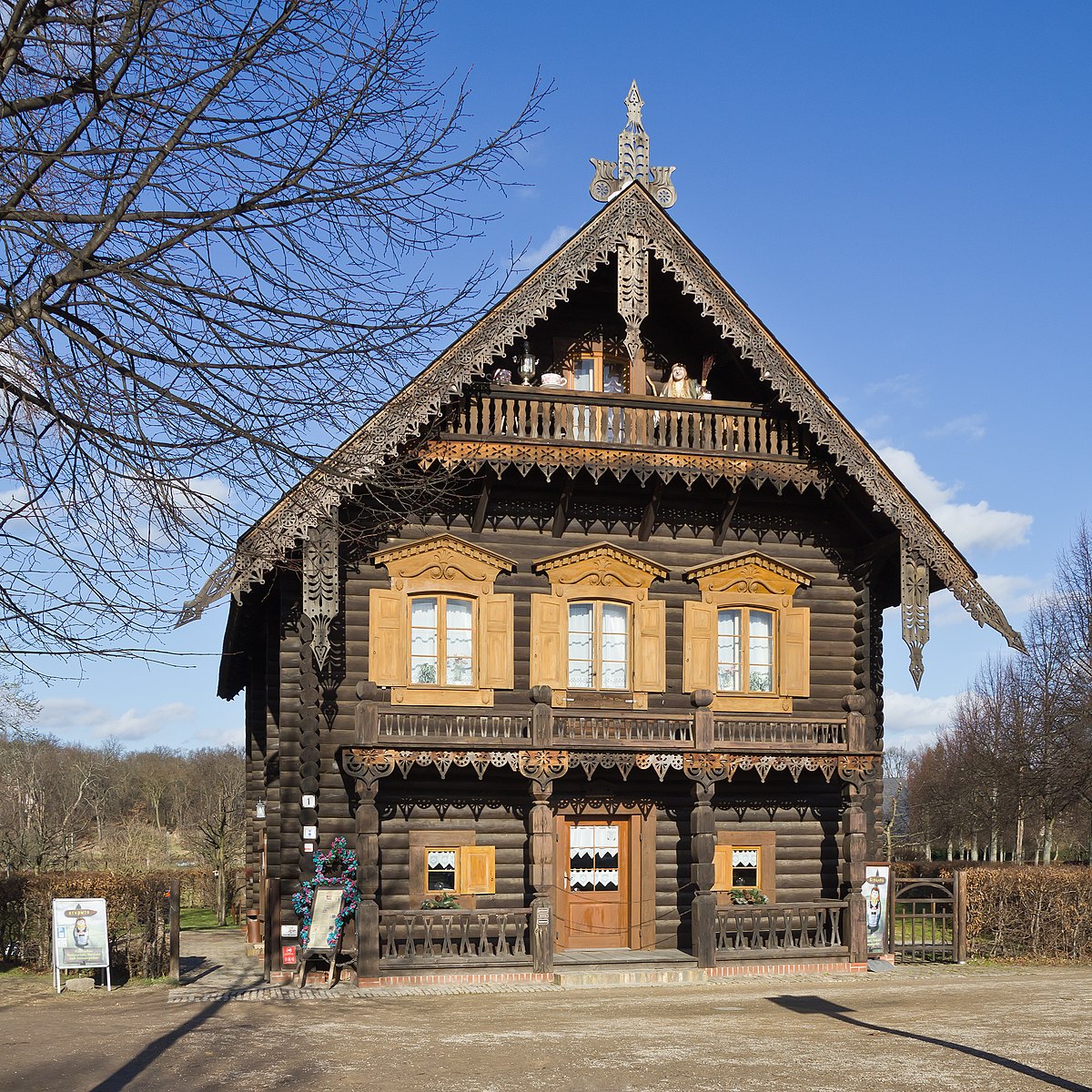
Alexandrowka
📍 Brandenburg, Germany
Located in the picturesque city of Potsdam, Germany, Alexandrowka is an intriguing architectural ensemble that reflects a unique blend of Russian and …

Alte Burg Penzlin
📍 Brandenburg, Germany
Alte Burg Penzlin, a captivating castle located in the quaint town of Penzlin, Germany, serves as a remarkable example of medieval architecture and …

Alte Dorfkirche Röxe
📍 Brandenburg, Germany
The Alte Dorfkirche Röxe stands as a poignant symbol of architectural and cultural history in the Stendal region of Germany. This church building, …
More Museums

Abbey and Altenmünster of Lorsch
📍 Baden-Württemberg, Germany
The Abbey and Altenmünster of Lorsch is a UNESCO World Heritage site located in the charming town of Lorsch, Germany. This significant cultural …
Abenteuermuseum
📍 Rhineland-Palatinate, Germany
The Abenteuermuseum, located in Germany, invites visitors to explore the wonders of adventure through its unique exhibits and engaging experiences. …

Abwasser- und Sielmuseum
📍 Hamburg, Germany
The Abwasser- und Sielmuseum, located in the heart of Hamburg-Mitte, offers a unique glimpse into the city’s historical infrastructure concerning …

Academy of Arts, Berlin
📍 Berlin, Germany
The Academy of Arts in Berlin is not just a museum; it is a prominent national institution dedicated to the advancement of the arts in Germany. …

Ackerbürgermuseum Haus Leck
📍 Hesse, Germany
Ackerbürgermuseum Haus Leck is a culturally significant museum located in Germany’s Grebenstein region, dedicated to preserving and showcasing the …

Active Museum Spiegelgasse
📍 Hesse, Germany
Active Museum Spiegelgasse is a vital institution dedicated to preserving and exploring the German-Jewish history of Wiesbaden, Germany. Located in …