Overview
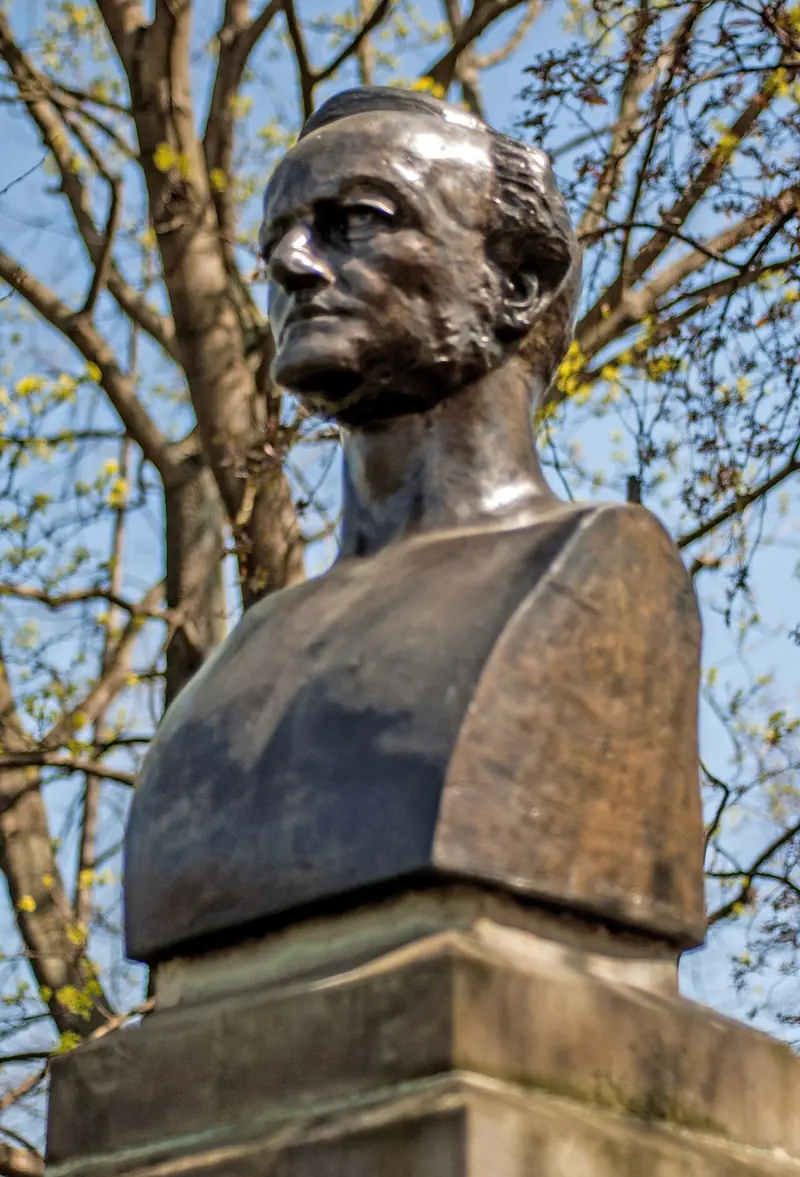
In the heart of Leipzig, Germany, stands the Busto de Richard Wagner, a distinguished monument dedicated to one of the most influential composers of the 19th century. Celebrated for his innovative operas and profound impact on the world of music, Richard Wagner’s legacy is honored through this striking bust, which serves not only as a memorial but also as a point of cultural interest for visitors and locals alike. Leipzig, a city known for its vibrant musical heritage and historical significance, provides a fitting backdrop for this tribute to Wagner, who spent considerable time in the city during his formative years.
The Busto de Richard Wagner is more than just a sculptural representation; it embodies the spirit of an era that championed the evolution of classical music. As you approach the monument, you’ll find yourself immersed in the cultural and historical context of Leipzig, a city that has been a hub for composers, musicians, and artists for centuries. This guide will take you through the history and significance of the bust, its architectural features, essential visiting information, and nearby attractions that can enhance your experience.
History and Significance
Richard Wagner was a revolutionary figure in the realm of music, known for his groundbreaking operas such as “The Ring Cycle” and “Tristan und Isolde.” His works not only transformed the landscape of opera but also paved the way for future composers. Wagner was born in Leipzig in 1813 and spent his early years in this vibrant city. The Busto de Richard Wagner serves as a reminder of his connection to Leipzig and his lasting influence on the world of classical music.
The monument reflects the city’s deep-rooted relationship with music and the arts, highlighting Leipzig’s role as a cultural center in Germany. The bust was erected to honor Wagner’s contributions to music and his innovative approach to opera, which emphasized the integration of music, drama, and visual arts. As such, the monument not only commemorates Wagner himself but also represents the broader cultural movements of the time.
While specific dates surrounding the monument’s unveiling are not provided, it is evident that the Busto de Richard Wagner has become an integral part of Leipzig’s cultural landscape. Visitors often reflect on the impact of Wagner’s work, contemplating how his innovations continue to resonate in contemporary music and performance art.
Architecture and Features
The Busto de Richard Wagner is characterized by its striking design, capturing the likeness of the composer with a sense of gravitas. The bust is crafted from high-quality materials, showcasing intricate details that reflect Wagner’s features and the artistic style of the period. The monument is positioned in a way that invites contemplation, allowing visitors to appreciate both the craftsmanship and the significance of the figure it represents.
While specific architectural details about the bust itself are not available, it is clear that the monument is designed to evoke a sense of respect and admiration for Wagner’s legacy. The surrounding area may also be landscaped to enhance the overall experience for visitors, providing a serene space for reflection on the contributions of this musical giant.
Visiting Information
Reaching the Busto de Richard Wagner is relatively straightforward, given its location in Leipzig. The city is well-connected by public transport, including trams and buses that can take you near the monument. Walking from the city center is also a pleasant option, allowing visitors to soak in the architectural beauty of Leipzig along the way.
Check the official website for current information regarding hours of operation and any potential entrance fees. While visiting, you can expect to spend about 30 minutes to an hour at the site, depending on your level of interest in Wagner and the surrounding cultural context. For those keen on photography, early mornings or late afternoons may offer the best natural light for capturing the bust and its surroundings.
The best times to visit are generally during spring and early autumn when the weather is mild, making outdoor exploration more enjoyable.
Nearby Attractions
Leipzig is rich in cultural attractions, making it easy to combine your visit to the Busto de Richard Wagner with other significant sites. Here are a few nearby attractions worth exploring:
Gewandhaus Concert Hall – Renowned for its exceptional acoustics, this concert hall is home to the Gewandhaus Orchestra and hosts a variety of performances year-round.
Thomaskirche (St. Thomas Church) – This historic church is famous for its association with Johann Sebastian Bach, who served as its music director. It features stunning architecture and often hosts concerts.
Museum der bildenden Künste (Museum of Fine Arts) – This museum showcases an impressive collection of artworks spanning several centuries, offering a glimpse into the artistic heritage of the region.
Völkerschlachtdenkmal (Monument to the Battle of the Nations) – A monumental structure commemorating the 1813 Battle of Leipzig, this site is an iconic landmark and offers panoramic views from its observation deck.
Naschmarkt – A vibrant market area where you can find local produce, crafts, and food. It’s a great place to experience the city’s culinary scene.
Insider Tips
When visiting the Busto de Richard Wagner, consider bringing a camera to capture the moment. The bust presents unique angles for photography, especially during different times of the day. To avoid crowds, try to visit early in the morning or on weekdays, when tourist traffic may be lighter. This will also give you a more peaceful experience as you reflect on Wagner’s contributions to music.
Practical Information
When planning your visit to the Busto de Richard Wagner, it’s advisable to wear comfortable shoes, as you may want to explore the surrounding area. Depending on the season, consider bringing an umbrella or sun protection, as weather conditions can vary. Additionally, it’s a good idea to have a bottle of water on hand, especially during warmer months.
Visitors should check the official website for any seasonal events or special exhibitions that may be occurring at the monument or nearby attractions, as these can enhance your overall experience.
Frequently Asked Questions
How long should I spend visiting?
A visit to the Busto de Richard Wagner typically requires about 30 minutes to an hour, depending on your interest in the monument and surrounding area.
Is photography allowed?
Yes, photography is generally permitted around the monument, allowing you to capture the bust and its artistic features.
Are there guided tours?
While specific guided tours may not be available for the bust itself, you can explore guided tours in Leipzig that include various cultural sites.
What’s the best time to visit?
The best times to visit are during spring and early autumn when the weather is typically milder, enhancing your overall experience.
Is it wheelchair accessible?
Accessibility information is not explicitly listed; it is advisable to check the official website for details regarding wheelchair access.
Can I buy tickets online?
Ticketing information is currently not specified, so check the official website for any updates on purchasing options.
Are there restrooms and cafes?
Information about nearby restrooms and cafes is not provided, so it’s best to explore the surrounding area for facilities.
What should I wear?
Comfortable clothing and shoes are recommended, as you may want to explore the area around the monument.
The Busto de Richard Wagner is a significant cultural landmark that invites reflection on the life and legacy of one of music’s great innovators. Whether you’re a music enthusiast or a casual visitor, this monument in Leipzig offers a unique glimpse into the city’s rich artistic heritage.



