Overview
Tucked away in Lübeck, Germany, Burgtorfriedhof is a cemetery that offers a serene escape from the bustling city life, while providing a reflective space steeped in history and cultural significance. This historic site invites visitors to explore not only the artistry of its memorials and gravestones but also the stories of those who have passed. As you wander through this hallowed ground, you will find a blend of artistry, remembrance, and tranquility that characterizes the essence of a traditional burial site.
The cemetery serves as a significant cultural landmark within Lübeck, known for its well-preserved architecture and the historical narratives etched into its stones. The strategic location of the Burgtorfriedhof adds to its allure, making it an accessible destination for both locals and tourists. The peaceful ambiance allows visitors to reflect on the lives that have shaped the region and to appreciate the artistry of the memorials that honor them. Burgtorfriedhof is not just a resting place; it is a connection to the past and a reminder of the lives lived within the vibrant tapestry of Lübeck’s history.
History and Significance
Burgtorfriedhof holds a vital place in Lübeck’s cultural landscape. Established as a cemetery, it has served as a final resting place for many notable figures throughout its history. The cemetery reflects various cultural influences and memorialization practices, showcasing the evolution of burial customs over time.
Historically significant, Burgtorfriedhof is associated with the city’s medieval past. Lübeck, known for its prominent role in the Hanseatic League, flourished as a trading hub, and the cemetery has countless stories intertwined with the lives of merchants, artisans, and influential residents. Each gravestone and monument tells a story of its own, representing the diverse backgrounds and contributions of those who once called Lübeck home.
The significance of Burgtorfriedhof extends beyond its function as a cemetery; it embodies the social history of Lübeck. The gravestones often display intricate designs and inscriptions that reflect the artistry and craftsmanship of their era. Many memorials commemorate not just individuals but also families, highlighting the importance of lineage and heritage in the community’s collective memory.
Moreover, Burgtorfriedhof serves as a space for contemplation and mourning, providing visitors with a quiet refuge to reflect upon life and loss. The cemetery’s ongoing relevance in contemporary society is a testament to the enduring nature of memory and remembrance, ensuring that the stories of those interred within continue to resonate.
Architecture and Features
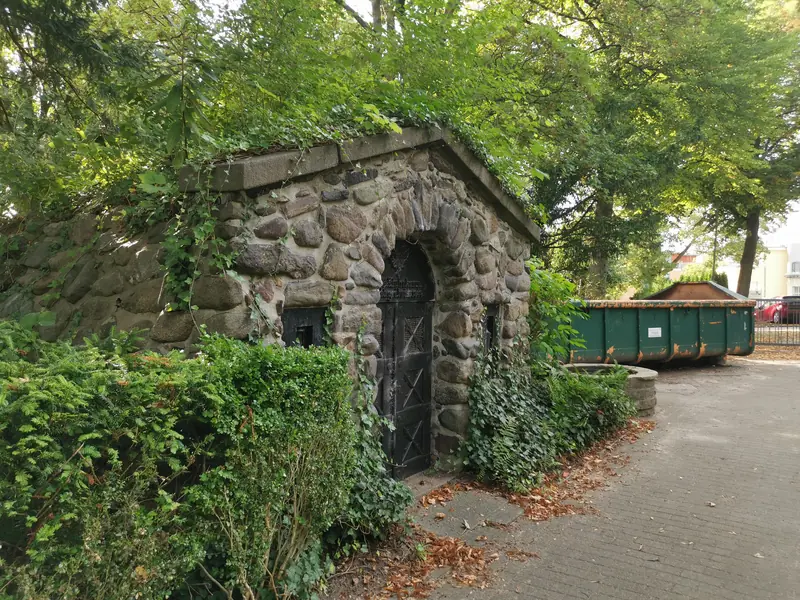
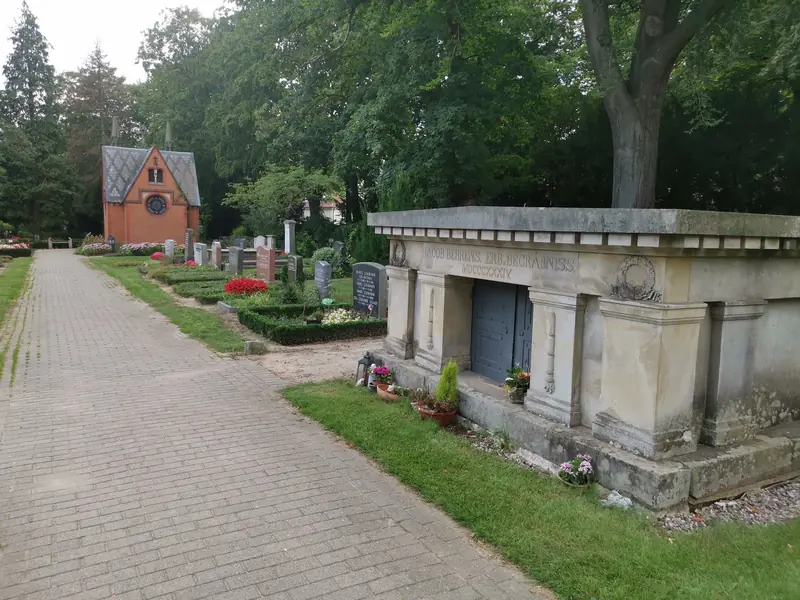
The architectural elements of Burgtorfriedhof are noteworthy, showcasing a range of styles that reflect the historical context in which they were created. As you enter the cemetery, you are greeted by a landscape dotted with gravestones that vary in size, shape, and material, each contributing to the overall aesthetic of the site.
The gravestones often feature intricate carvings and inscriptions, serving as both memorials and works of art. From the simplicity of stone markers to the elaborate monuments that celebrate the lives and legacies of the deceased, the diversity in design captures the artistic spirit of the period. Some memorials are adorned with motifs and symbols, representing faith, nature, and the personal beliefs of those honored.
Several features stand out within Burgtorfriedhof. Pathways meander through the grounds, offering visitors a chance to stroll leisurely and appreciate the beauty of the cemetery. The well-maintained landscape, complete with trees and shrubs, contributes to the tranquil atmosphere, inviting personal reflection amidst the echoes of history.
Moreover, the cemetery’s layout reflects careful planning, with sections designated for different families or social groups, illustrating the community’s structure over time. This organization adds another layer of significance, allowing visitors to trace the connections between individuals and their communities.
Visiting Information
Visiting Burgtorfriedhof provides an opportunity to engage with the past, offering a peaceful retreat ideal for reflection. The cemetery is accessible to the public, and visitors can explore its grounds at their own pace.
To reach Burgtorfriedhof, various modes of transportation are available. Public transport options are likely to be convenient, or visitors may opt to walk or cycle from nearby accommodations, given the site’s central location in Lübeck. Check the official website for current information regarding transport options to ensure a smooth journey.
As you plan your visit, it is important to check the official website for hours and any potential entry fees. While the cemetery is generally open to the public, certain times may be busier than others, so consider visiting during off-peak hours for a more tranquil experience. A visit typically requires about one to two hours, allowing ample time to explore the grounds and appreciate the memorials at a leisurely pace.
The best times to visit Burgtorfriedhof are during the spring and autumn months when the weather is mild, and the natural surroundings enhance the cemetery’s serene atmosphere. However, the cemetery can be visited year-round, each season offering its unique charm.
Nearby Attractions
Lübeck is a city rich in cultural and historical attractions, making Burgtorfriedhof a perfect starting point for further exploration. Here are a few nearby sites worth visiting:
St. Mary’s Church (Marienkirche): This iconic Gothic church features stunning architecture and is famous for its impressive altar and beautiful stained glass windows.
Lübeck’s Old Town: A UNESCO World Heritage site, the Old Town is known for its medieval architecture, charming streets, and vibrant cultural scene, offering a glimpse into Lübeck’s storied past.
Holstentor: One of Lübeck’s most recognizable landmarks, this iconic gate is a symbol of the city’s history as a defensive structure and its significance in the Hanseatic League.
Museum Holstentor: This museum provides insights into Lübeck’s history and the role of the Holstentor, complete with exhibitions and artifacts related to the city’s development.
St. Peter’s Church (Sankt Petri): Known for its tower offering panoramic views of Lübeck, this church is a remarkable example of medieval architecture and features an impressive interior.
Insider Tips
When visiting Burgtorfriedhof, consider bringing a camera to capture the artistry of the gravestones and the tranquil atmosphere of the cemetery. Early mornings or late afternoons are often quieter, providing an ideal setting for photography without the distraction of crowds.
To avoid peak times, plan your visit during weekdays rather than weekends, when the cemetery may experience higher foot traffic. This will allow for a more personal experience as you explore the grounds and reflect on the stories held within.
Practical Information
When visiting Burgtorfriedhof, it is advisable to wear comfortable shoes, as the cemetery features pathways and areas that may require walking. Given the outdoor setting, bringing weather-appropriate clothing is essential, particularly during the more variable seasons.
Consider carrying a small notebook or sketchpad if you wish to jot down thoughts or impressions inspired by your visit. A bottle of water is also recommended to stay hydrated while exploring.
Seasonal considerations are important as well. Spring and summer may present lush greenery, while autumn offers a picturesque display of changing leaves. Winter visits may provide a stark, serene beauty, but be prepared for colder temperatures.
Frequently Asked Questions
How long should I spend visiting?
A visit typically takes about one to two hours, allowing adequate time to explore the grounds and appreciate the memorials.
Is photography allowed?
Yes, photography is generally permitted in Burgtorfriedhof, but be mindful of the respectful nature of the site.
Are there guided tours?
Check the official website for information on any available guided tours or programs related to the cemetery.
What’s the best time to visit?
The best times to visit are during the spring and autumn months, when the weather is mild, and the surroundings are particularly inviting.
Is it wheelchair accessible?
Access may vary; it’s advisable to check the official website for specific accessibility information regarding pathways and entry points.
Can I buy tickets online?
Check the official website for current information on any entry fees and purchasing options.
Are there restrooms and cafes?
Facilities may not be available on-site; consider visiting nearby attractions in Lübeck for dining and restroom options.
What should I wear?
Dress comfortably and appropriately for the weather, considering the outdoor nature of the cemetery.
Visiting Burgtorfriedhof offers a unique opportunity to engage with history and reflect on the lives that shaped Lübeck, making it a worthwhile addition to any travel itinerary in Germany.
Photo Gallery