Buchholz Mining Landscape
Overview
The Buchholz Mining Landscape, located in Germany, is a remarkable cultural landscape that offers a glimpse into the historical significance of mining in the region. This UNESCO World Heritage site is a testament to the evolution of mining techniques and practices, showcasing the interplay between human ingenuity and the natural environment. The site is characterized by its diverse topography and the remnants of mining activities that have shaped the area over centuries.
As you explore the Buchholz Mining Landscape, you will find a unique combination of historical artifacts, industrial architecture, and scenic views that illustrate the story of mining and its impact on local communities. This cultural landscape serves not only as a reminder of the industrious spirit of the past but also as a place of education and reflection for visitors interested in the heritage of mining.
Significance
The Buchholz Mining Landscape is significant for its role in the development of mining in Germany, highlighting both traditional methods and the technological advancements that have shaped the industry. As a UNESCO World Heritage site, it emphasizes the importance of preserving cultural landscapes that embody human adaptation and interaction with the environment.
History and Significance
The Buchholz Mining Landscape is deeply intertwined with the history of mining in Germany. While specific dates are not available, the area reflects centuries of mining activity that have contributed to the local economy and culture. The landscape encapsulates the evolution of mining techniques, showcasing how human innovation has adapted to the demands of extracting resources from the earth.
Historically, mining has played a crucial role in the development of the region, providing employment and shaping the community’s way of life. The landscape is dotted with remnants of old mining operations, including shafts, tunnels, and processing facilities, which tell the story of the hard labor and determination of miners who worked in often challenging conditions.
The cultural significance of the Buchholz Mining Landscape extends beyond its industrial heritage. It serves as a symbol of the relationship between mankind and nature, illustrating how industrial activities can coexist with the environment. This site encourages reflection on sustainable practices and the need to preserve cultural landscapes for future generations.
Architecture and Features
The Buchholz Mining Landscape is characterized by its varied physical features that reflect its mining heritage. Visitors will encounter remnants of mining structures, including old shafts, processing buildings, and infrastructure that supported mining operations. These structures are not only functional but also possess a unique architectural charm that offers insight into the design and construction techniques of the era.
The landscape itself is shaped by the mining activities that have taken place over the years, resulting in alterations to the natural topography. Visitors can observe how the land has been transformed through excavation and other mining processes, creating a distinct environment that blends industrial remnants with natural beauty.
Notable features of the site include the preserved mining equipment and tools, which provide a tangible connection to the past. The layout of the landscape reflects the historical organization of mining activities, offering a glimpse into the operational aspects of this once-thriving industry.
Visiting Information
Visiting the Buchholz Mining Landscape offers an opportunity to engage with the region’s rich history and cultural significance. To reach the site, travelers can utilize various modes of transport, including private vehicles or public transport options that connect to nearby towns.
When planning your visit, it’s advisable to check the official website for current information regarding hours of operation and entry fees. The site typically welcomes visitors throughout the year, with specific seasonal considerations that may enhance your experience.
Expect to spend several hours exploring the landscape, as there are numerous points of interest to discover. Guided tours may be available, providing deeper insights into the history and significance of the site. The best times to visit are during mild weather, which allows for comfortable exploration of the outdoor areas.
Nearby Attractions
While visiting the Buchholz Mining Landscape, consider exploring these nearby attractions:
Mining Museum: Delve deeper into the history of mining in the region with exhibits showcasing artifacts, tools, and educational displays.
Local Towns: Discover charming nearby towns that offer traditional German architecture, local cuisine, and vibrant community life.
Natural Parks: Explore surrounding natural parks that provide opportunities for hiking, nature walks, and enjoying the picturesque landscape.
Cultural Events: Check for local cultural events or festivals that may coincide with your visit, offering a chance to experience regional traditions.
Historical Sites: Visit additional historical sites in the region that complement your understanding of the area’s mining heritage.
Insider Tips
For photography enthusiasts, the Buchholz Mining Landscape presents unique opportunities to capture the intersection of industrial remnants and natural beauty. Early mornings or late afternoons typically provide the best light for photography, allowing for stunning images of the landscape.
To avoid crowds, consider visiting during weekdays or outside of peak tourist seasons. This will enhance your experience as you explore the site at a leisurely pace, allowing for a more intimate connection with the history and environment.
Practical Information
When visiting the Buchholz Mining Landscape, it’s essential to come prepared. Comfortable footwear is recommended, as the terrain may include uneven surfaces. Additionally, consider bringing water, snacks, and possibly a light jacket, as weather conditions can change.
Seasonal considerations are important; check local forecasts to ensure you’re dressed appropriately for your visit. Spring and autumn typically offer pleasant temperatures for outdoor exploration.
Frequently Asked Questions
How long should I spend visiting?
A visit to the Buchholz Mining Landscape typically takes several hours, allowing time to explore the various features and historical elements.
Is photography allowed?
Yes, photography is generally permitted throughout the site, providing excellent opportunities to capture the unique landscape.
Are there guided tours?
Check the official website for information on guided tours, which can offer deeper insights into the history and significance of the site.
What’s the best time to visit?
The best times to visit are during mild weather, typically in spring or autumn, when outdoor exploration is most enjoyable.
Is it wheelchair accessible?
Accessibility information may vary, so it’s best to check the official website for details regarding wheelchair access.
Can I buy tickets online?
Check the official website for information on ticket purchasing options.
Are there restrooms and cafes?
Visitor facilities, including restrooms and cafes, may be available; check the official website for specific details.
What should I wear?
Wear comfortable clothing and sturdy footwear suitable for outdoor exploration, considering the weather conditions during your visit.
More in Bavaria

8. November 1939 (Denkmal)
📍 Bavaria, Germany
The 8. November 1939 (Denkmal) stands as a poignant monument in Munich, Germany, marking a significant moment in the nation’s history. Dedicated to …

Abbey of St. Nikola in Passau
📍 Bavaria, Germany
The Abbey of St. Nikola in Passau stands as a significant religious and cultural landmark in this historic German city. Located at coordinates …

Abensbergerdenkmal
📍 Bavaria, Germany
The Abensbergerdenkmal, a notable monument located in Freising, Upper Bavaria, Germany, serves as an evocative reminder of the region’s historical and …
Abrechen (München)
📍 Bavaria, Germany
Abrechen in München is a bridge that plays a significant role in the connectivity of this bustling German city. Located at coordinates 48.1357, …
Abschnittsbefestigung Andechs
📍 Bavaria, Germany
The Abschnittsbefestigung Andechs, a striking castle located in the scenic region of Andechs, Germany, offers a fascinating glimpse into the …
Abschnittsbefestigung im Taitinger Holz
📍 Bavaria, Germany
The Abschnittsbefestigung im Taitinger Holz represents an intriguing chapter in Germany’s medieval architectural narrative. Located in Bavaria, this …
More Cultural Landscapes

Altes Land
📍 Lower Saxony, Germany
Altes Land, located in northern Germany, is a remarkable cultural landscape that reflects the unique agricultural heritage and traditional practices …

Altmark
📍 Brandenburg, Germany
The Altmark region, located in the northwestern part of Saxony-Anhalt, Germany, offers a unique glimpse into a cultural landscape shaped by centuries …
Annaberg-Frohnau Mining Landscape
📍 Bavaria, Germany
The Annaberg-Frohnau Mining Landscape, located in Germany, represents a significant chapter in the story of European industrial heritage. This …
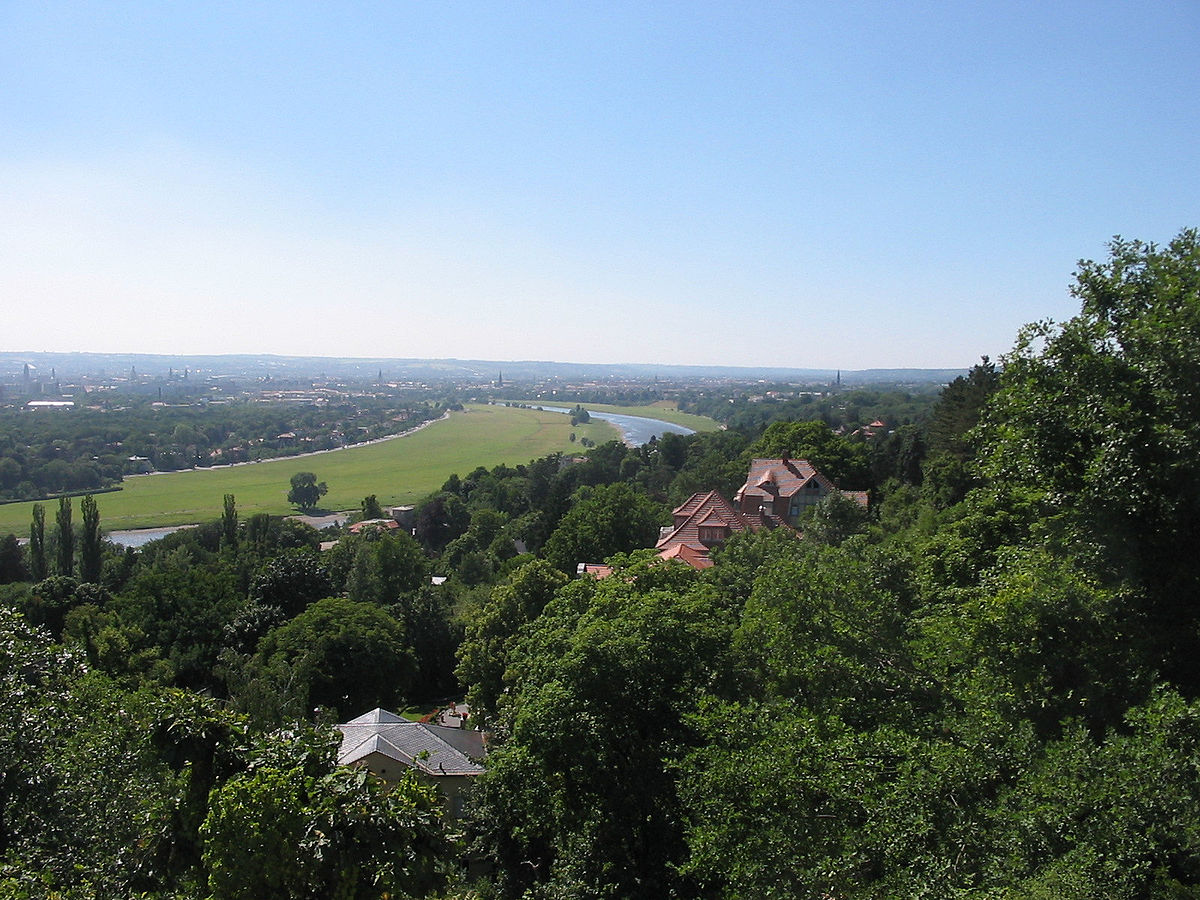
Dresden Elbe Valley
📍 Saxony, Germany
The Dresden Elbe Valley, a UNESCO World Heritage Site, is a cultural landscape that reflects the rich historical and artistic heritage of Saxony, …
Ehrenfriedersdorf Mining Landscape
📍 Saxony, Germany
The Ehrenfriedersdorf Mining Landscape, a significant cultural landscape in Germany, invites visitors to explore a rich history of mining that has …