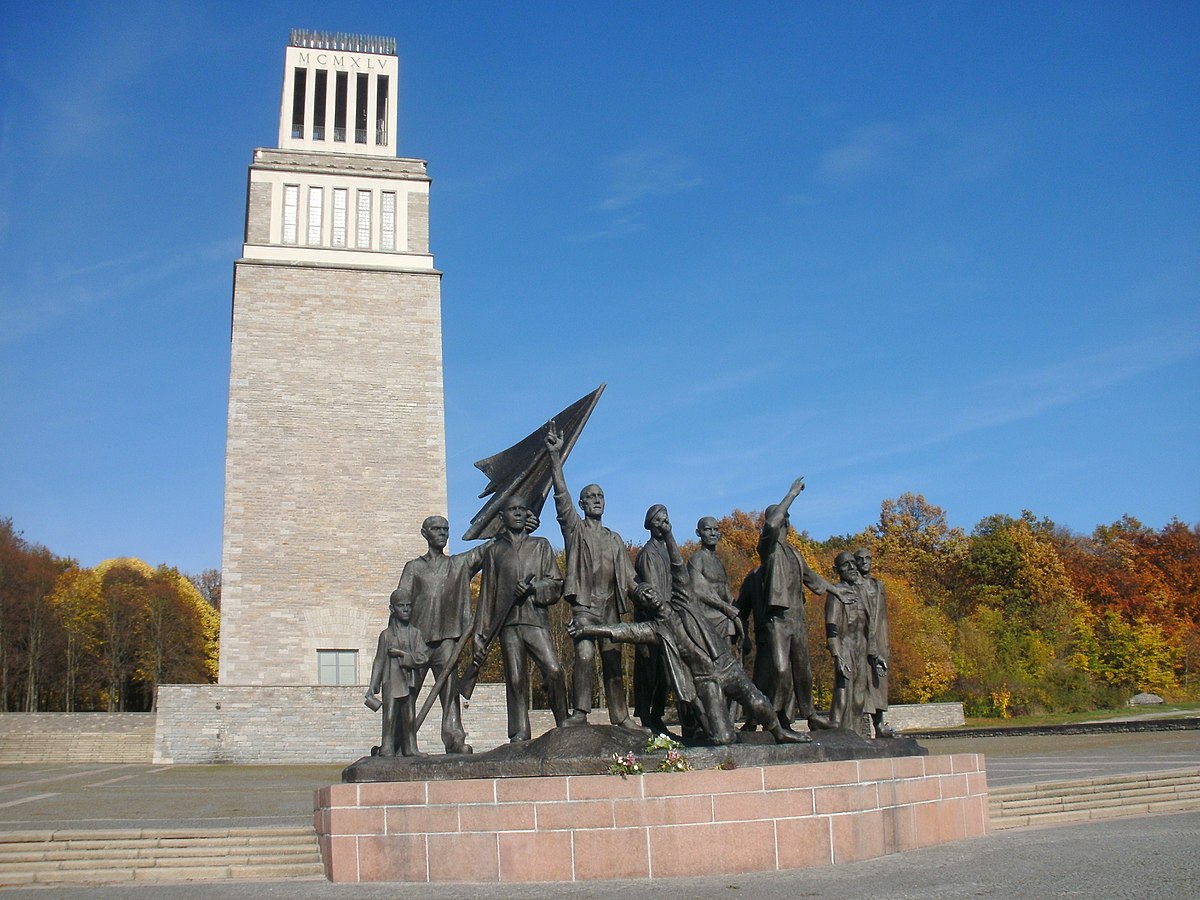
Buchenwald concentration camp
Overview
Buchenwald concentration camp, located near Weimar in Thuringia, Germany, serves as a profound reminder of one of humanity’s darkest chapters. Established by the Nazi regime in 1937, the camp was a site of immense suffering and loss, where thousands of individuals were imprisoned and perished during World War II. As a memorial and museum today, Buchenwald offers visitors an opportunity to reflect on the atrocities committed within its walls and to educate themselves about the broader implications of totalitarianism and intolerance.
The site is significant not only for its historical context but also for its role in promoting remembrance and awareness. Visitors are invited to engage with the complex narratives of the camp’s past, which encompass the experiences of various groups, including political prisoners, Jews, Roma, and homosexuals. This engagement is vital for fostering understanding and compassion in contemporary society.
As a museum, Buchenwald invites exploration of its extensive grounds, where remnants of the camp’s infrastructure can still be seen. The site fosters a respectful atmosphere that encourages contemplation and dialogue, making it an essential visit for those seeking to understand the implications of history on present and future generations.
History and Significance
Buchenwald concentration camp was established on the Ettersberg hill near Weimar in 1937, becoming one of the first major concentration camps in Germany. It was initially intended to house political prisoners, particularly those opposing the Nazi regime, but soon expanded to include individuals from various backgrounds, including Jews, Roma, and other marginalized groups. Over the years, the camp’s population swelled, with thousands imprisoned under brutal conditions.
The significance of Buchenwald lies in its role as a symbol of the systemic oppression and human rights violations perpetrated by the Nazis. By 1945, when the camp was liberated by Allied forces, it had become a site of unimaginable suffering, with estimates of tens of thousands of deaths resulting from executions, forced labor, starvation, and disease.
In the post-war years, Buchenwald transformed into a memorial site to commemorate the victims and educate future generations. The establishment of the Buchenwald Memorial in 1958 was pivotal in preserving the memory of those who suffered there, ensuring that the lessons of history are not forgotten. The site has since become a focal point for discussions on human rights, tolerance, and the need for vigilance against hate.
Today, Buchenwald serves as an important educational resource, fostering an understanding of the historical complexities of the Holocaust and the broader implications of unchecked power. Visitors are encouraged to engage with the narratives of resilience and resistance that emerged from the camp, emphasizing the importance of remembrance and advocacy in combating discrimination and intolerance.
Architecture and Features
The layout of Buchenwald concentration camp reflects its grim function as a place of confinement and control. The camp was constructed with utilitarian materials, primarily concrete and barbed wire, designed to create a sense of isolation and oppression. The barracks where prisoners were housed were basic and overcrowded, providing minimal shelter from the harsh conditions.
A central feature of the camp is the watchtower, which looms over the grounds, symbolizing the constant surveillance and terror faced by the inmates. The administration building, where the commandant operated, stands in stark contrast to the surrounding barracks, embodying the power dynamics of the camp.
The Buchenwald Memorial, established to honor the victims, includes various monuments and sculptures that commemorate those who suffered and died within the camp. These artistic installations invite reflection and serve as poignant reminders of the camp’s history. Among them is the imposing “Monument to the Victims of Fascism,” which stands as a powerful symbol of resistance and remembrance.
Visitors can explore the remnants of the camp, including the crematorium and the remains of the gallows, which provide a stark visual representation of the horrors that took place. The museum also houses exhibitions detailing the camp’s history, the lives of its prisoners, and the legacy of the Holocaust, fostering a deeper understanding of the events that transpired.
Visiting Information
Visiting Buchenwald concentration camp is a profound experience that requires thoughtful preparation. The site is accessible via public transport from nearby cities, with options for buses and trains. Visitors can check the official website for current information on the best routes and travel options.
Upon arrival, guests can expect a respectful and contemplative atmosphere. It is advisable to allocate several hours for the visit to fully engage with the museum exhibits, the memorial sites, and the extensive grounds. The site encourages reflection and learning, so visitors should plan accordingly.
Check the official website for current information on operating hours and admission fees. The site can be particularly busy during weekends and holidays, so visiting during weekdays may offer a quieter experience.
The best times to visit are during spring and autumn when the weather is mild, adding to the contemplative nature of the experience. However, regardless of the season, visitors should come prepared for varying weather conditions, as much of the exploration occurs outdoors.
Nearby Attractions
While Buchenwald concentration camp is a solemn destination, the surrounding area of Weimar offers additional cultural and historical attractions that enrich the visitor experience:
Weimar Classicism: This movement gave rise to significant figures such as Goethe and Schiller. Visitors can explore the historic sites associated with these literary giants, including the Goethe National Museum.
Memorial to the Victims of Fascism: Located in the city of Weimar, this memorial offers further insights into the impact of fascism and serves as a reminder of the importance of tolerance.
The Bauhaus Museum: Celebrating the influential Bauhaus design movement, this museum showcases the work and philosophy of one of the 20th century’s most important design schools.
The Duchess Anna Amalia Library: A UNESCO World Heritage site, this library houses an impressive collection of over one million volumes, including rare manuscripts and early printed books.
Park an der Ilm: This picturesque park offers a serene escape, with beautiful landscapes that invite leisurely strolls and reflection away from the somber history of Buchenwald.
Insider Tips
To enhance your visit to Buchenwald concentration camp, consider the following insider tips:
Photography: While photography is allowed in certain areas, be mindful of the site’s solemn nature. It is respectful to refrain from taking photos in specific memorial areas.
Crowd Avoidance: If possible, plan your visit during weekdays or early mornings to avoid larger crowds and to engage more deeply with the exhibits.
Guided Tours: Consider joining a guided tour to gain deeper insights into the history of the camp and the experiences of its prisoners. Guided tours often provide context that enriches the experience.
Practical Information
When planning your visit to Buchenwald concentration camp, consider the following practical information:
What to Bring: Comfortable walking shoes are essential, as you will be exploring a large outdoor area. Bring water, especially during warmer months, and a notebook if you wish to jot down reflections.
Seasonal Considerations: Be prepared for varying weather conditions. In winter, dress warmly as temperatures can drop significantly, while summer visits may require sun protection.
Respectful Attire: Given the nature of the site, it is advisable to dress modestly and respectfully, reflecting the solemnity of the location.
Frequently Asked Questions
How long should I spend visiting?
Visitors typically spend around 3 to 4 hours at Buchenwald to fully absorb the historical context and engage with the exhibits.
Is photography allowed?
Photography is allowed in many areas of the site, but visitors should exercise discretion and respect the memorial nature of specific locations.
Are there guided tours?
Yes, guided tours are available and provide valuable insights into the camp’s history and the experiences of its prisoners.
What’s the best time to visit?
Visiting during spring or autumn is recommended for mild weather, but weekdays tend to be less crowded regardless of the season.
Is it wheelchair accessible?
Check the official website for current accessibility information, as some areas of the site may present challenges for wheelchair users.
Can I buy tickets online?
Check the official website for current information regarding ticket purchasing options and availability.
Are there restrooms and cafes?
Yes, facilities such as restrooms are available on-site; however, options for dining may be limited, so consider bringing snacks or water.
What should I wear?
Dress comfortably and modestly. Comfortable walking shoes are essential, and layers are recommended to accommodate changing weather conditions.
More in Saxony-Anhalt

Ägidienkurie (Naumburg)
📍 Saxony-Anhalt, Germany
The Ägidienkurie, a quaint chapel located in the heart of Naumburg, Germany, offers visitors a glimpse into the rich ecclesiastical heritage of the …
Al-Kholafa´a Moschee
📍 Saxony-Anhalt, Germany
The Al-Kholafa´a Moschee, located in Weimar, Germany, is a significant religious site that embodies the cultural diversity of this historic city. As a …

Alte Oper
📍 Saxony-Anhalt, Germany
The Alte Oper, a distinguished theatre building in Erfurt, Germany, serves as a vibrant hub for cultural events and artistic performances. This …

Altes Schloss Dornburg
📍 Saxony-Anhalt, Germany
Altes Schloss Dornburg, a magnificent palace located in the charming region of Dornburg-Camburg, Germany, is a site that draws visitors with its …

Anatomieturm Jena
📍 Saxony-Anhalt, Germany
The Anatomieturm Jena, a historic tower located in the city of Jena, Germany, is an intriguing remnant of the region’s architectural heritage. This …

Andreaskirche (Erfurt)
📍 Saxony-Anhalt, Germany
The Andreaskirche, an emblematic church building located in the heart of Erfurt, Germany, stands as a significant architectural and cultural landmark. …
More Museums

Abbey and Altenmünster of Lorsch
📍 Baden-Württemberg, Germany
The Abbey and Altenmünster of Lorsch is a UNESCO World Heritage site located in the charming town of Lorsch, Germany. This significant cultural …
Abenteuermuseum
📍 Rhineland-Palatinate, Germany
The Abenteuermuseum, located in Germany, invites visitors to explore the wonders of adventure through its unique exhibits and engaging experiences. …

Abwasser- und Sielmuseum
📍 Hamburg, Germany
The Abwasser- und Sielmuseum, located in the heart of Hamburg-Mitte, offers a unique glimpse into the city’s historical infrastructure concerning …

Academy of Arts, Berlin
📍 Berlin, Germany
The Academy of Arts in Berlin is not just a museum; it is a prominent national institution dedicated to the advancement of the arts in Germany. …

Ackerbürgermuseum Haus Leck
📍 Hesse, Germany
Ackerbürgermuseum Haus Leck is a culturally significant museum located in Germany’s Grebenstein region, dedicated to preserving and showcasing the …

Active Museum Spiegelgasse
📍 Hesse, Germany
Active Museum Spiegelgasse is a vital institution dedicated to preserving and exploring the German-Jewish history of Wiesbaden, Germany. Located in …