Buchenwald and Mittelbau-Dora Memorials Foundation
Overview
The Buchenwald and Mittelbau-Dora Memorials Foundation serves as a somber reminder of the atrocities committed during the Holocaust, providing a space for reflection and remembrance. Located in Germany, these memorials are vital in educating visitors about the horrors of concentration camps and the importance of preserving human rights. The foundation stands at the site of former concentration camps, namely Buchenwald and Mittelbau-Dora, where countless individuals suffered and perished. The memorials aim to honor their memories while promoting awareness and understanding of the historical context surrounding these events.
Visiting these memorials is not merely an act of tourism; it is an essential pilgrimage for those seeking to understand the depths of human suffering and resilience. The site offers a profound insight into the past and serves as a crucial educational resource for current and future generations. Through its various exhibitions and programs, the foundation invites visitors to engage with history thoughtfully and respectfully.
History and Significance
Buchenwald was established in 1937 near Weimar, Germany, and became one of the largest concentration camps in the country. Initially intended for political prisoners, the camp expanded to include a diverse group of inmates, including Jews, Roma, homosexuals, and others deemed undesirable by the Nazi regime. The harsh conditions, forced labor, and systematic extermination contributed to the suffering of thousands. The camp was liberated by American forces in 1945, revealing the extent of the atrocities that took place within its walls.
Mittelbau-Dora, a subcamp of Buchenwald, was created to exploit the labor of prisoners for the production of V-2 rockets during World War II. The camp was characterized by its brutal working conditions, leading to high mortality rates among inmates. The significance of these camps extends beyond their physical structures; they symbolize the broader history of genocide and human rights violations.
The memorials are crucial for preserving the memory of the victims and fostering an environment of learning and dialogue. They serve as a reminder of the consequences of hatred and intolerance, urging visitors to confront the past to build a more just and equitable future. The foundation plays an essential role in promoting educational programs, research, and remembrance initiatives that honor those who suffered.
Architecture and Features
The memorials at Buchenwald and Mittelbau-Dora are designed to evoke reflection and contemplation. The architecture reflects the somber nature of the history it represents. Key structures include the former camp barracks, the crematorium, and the memorials erected in honor of the victims. The site also features a visitor center that houses exhibitions detailing the history and personal stories of those who endured unimaginable suffering.
One notable feature is the memorial to the victims, which stands as a focal point for visitors. Its design prompts contemplation and serves as a space for remembrance. The grounds themselves are expansive, allowing visitors to explore various areas of the camp, including the remains of the original barracks and other facilities that have been preserved or reconstructed.
Educational installations, such as plaques and information boards, provide context and historical background, ensuring that visitors leave with a deeper understanding of the events that transpired. The architecture is intentionally stark and unobtrusive, allowing the stories of the victims to take precedence.
Visiting Information
To visit the Buchenwald and Mittelbau-Dora Memorials Foundation, you should plan ahead for an impactful experience. The memorials are accessible via various forms of transportation, including public transit and private vehicles. Given the site’s significance, it is advisable to allocate ample time for exploration and reflection.
Check the official website for current information on hours and prices, as these can vary. Generally, visitors can expect to spend several hours at the memorial, particularly if they choose to engage with the various exhibitions and guided tours available. The site can be busy, especially during peak tourist seasons, so planning your visit during less crowded times may enhance your experience.
The memorials are open year-round, but the best times to visit often coincide with educational programs or commemorative events. These occasions can provide additional layers of context and engagement with the material, enriching your understanding of the site’s history.
Nearby Attractions
While visiting the Buchenwald and Mittelbau-Dora Memorials, several nearby attractions can enhance your experience:
Weimar: This historical city is known for its rich cultural heritage, including connections to famous figures like Goethe and Schiller. Explore its museums, parks, and architecture that reflect its significance in German history.
Eisenach: A short drive away, Eisenach is home to the Wartburg Castle, a UNESCO World Heritage site. The castle has a storied history and offers panoramic views of the surrounding landscape.
Darmstadt: Known for its Art Nouveau architecture, Darmstadt features various cultural institutions and parks, making it a pleasant stop for those interested in art and design.
Erfurt: This city is famous for its well-preserved medieval architecture, including the impressive Erfurt Cathedral and the Krämerbrücke, a bridge lined with shops.
Thuringian Forest: For nature enthusiasts, the nearby Thuringian Forest offers opportunities for hiking and enjoying the natural beauty of the region.
Insider Tips
When visiting the Buchenwald and Mittelbau-Dora memorials, consider these insider tips to enhance your experience:
Photography: While photography is allowed in certain areas, always be respectful of the solemn nature of the site. Certain memorials may not permit photography, so be sure to observe posted signs.
Crowd Avoidance: To experience the memorials with fewer visitors, consider visiting during weekdays or outside of peak tourist seasons.
Guided Tours: If available, opt for a guided tour to gain deeper insights and personal narratives that are often not captured in exhibitions.
Practical Information
When preparing for your visit to the Buchenwald and Mittelbau-Dora Memorials, keep the following practical information in mind:
What to Bring: Comfortable walking shoes are essential, as the site covers a considerable area. Bring a water bottle to stay hydrated and a notebook if you wish to take personal notes during your visit.
Seasonal Considerations: Weather can vary significantly, so check the forecast and dress accordingly. Layered clothing is advisable, as temperatures may fluctuate throughout the day.
Accessibility: Ensure you review accessibility options if needed, as some areas may present challenges.
Frequently Asked Questions
How long should I spend visiting?
To fully engage with the memorials and exhibitions, it is advisable to spend at least three to four hours.
Is photography allowed?
Photography is permitted in certain areas, but respect the memorial’s solemnity and check for signs indicating restrictions.
Are there guided tours?
Guided tours may be available, providing deeper insights into the history and personal stories associated with the memorials.
What’s the best time to visit?
Weekdays and off-peak seasons are generally less crowded, offering a more reflective experience.
Is it wheelchair accessible?
Check the official website for specific accessibility options available at the memorials.
Can I buy tickets online?
Check the official website for information on ticket purchasing options.
Are there restrooms and cafes?
Facilities may be available on-site; check the official website for current details.
What should I wear?
Comfortable clothing and shoes are recommended, considering the site’s outdoor areas and varying weather conditions.
Visiting the Buchenwald and Mittelbau-Dora Memorials Foundation is an opportunity to confront a painful part of history. It is a powerful reminder of the importance of remembrance, education, and the ongoing fight for human rights.
More in Saxony-Anhalt

Ägidienkurie (Naumburg)
📍 Saxony-Anhalt, Germany
The Ägidienkurie, a quaint chapel located in the heart of Naumburg, Germany, offers visitors a glimpse into the rich ecclesiastical heritage of the …
Al-Kholafa´a Moschee
📍 Saxony-Anhalt, Germany
The Al-Kholafa´a Moschee, located in Weimar, Germany, is a significant religious site that embodies the cultural diversity of this historic city. As a …

Alte Oper
📍 Saxony-Anhalt, Germany
The Alte Oper, a distinguished theatre building in Erfurt, Germany, serves as a vibrant hub for cultural events and artistic performances. This …

Altes Schloss Dornburg
📍 Saxony-Anhalt, Germany
Altes Schloss Dornburg, a magnificent palace located in the charming region of Dornburg-Camburg, Germany, is a site that draws visitors with its …

Anatomieturm Jena
📍 Saxony-Anhalt, Germany
The Anatomieturm Jena, a historic tower located in the city of Jena, Germany, is an intriguing remnant of the region’s architectural heritage. This …

Andreaskirche (Erfurt)
📍 Saxony-Anhalt, Germany
The Andreaskirche, an emblematic church building located in the heart of Erfurt, Germany, stands as a significant architectural and cultural landmark. …
More Foundations

Academy of the Konrad-Adenauer-Stiftung
📍 Berlin, Germany
The Academy of the Konrad-Adenauer-Stiftung, located in the heart of Berlin, is not just a foundation but a hub of intellectual discourse and …

Akademie Schloss Solitude
📍 Baden-Württemberg, Germany
Akademie Schloss Solitude is a distinguished foundation located in Stuttgart, Germany, that serves as a cultural and artistic haven for individuals …
Alerds-Stiftung
📍 Lower Saxony, Germany
Alerds-Stiftung, located in the historic city of Brunswick, Germany, represents a significant cultural and philanthropic institution dedicated to …

Alfred Wegener Institute for Polar and Marine Research
📍 Bremen, Germany
The Alfred Wegener Institute for Polar and Marine Research, located in Bremerhaven, Germany, stands as a cornerstone of scientific inquiry into the …

Bavarian Elite-Academy
📍 Bavaria, Germany
The Bavarian Elite-Academy, located in the vibrant city of Munich, Germany, is a foundation dedicated to fostering excellence in various fields of …
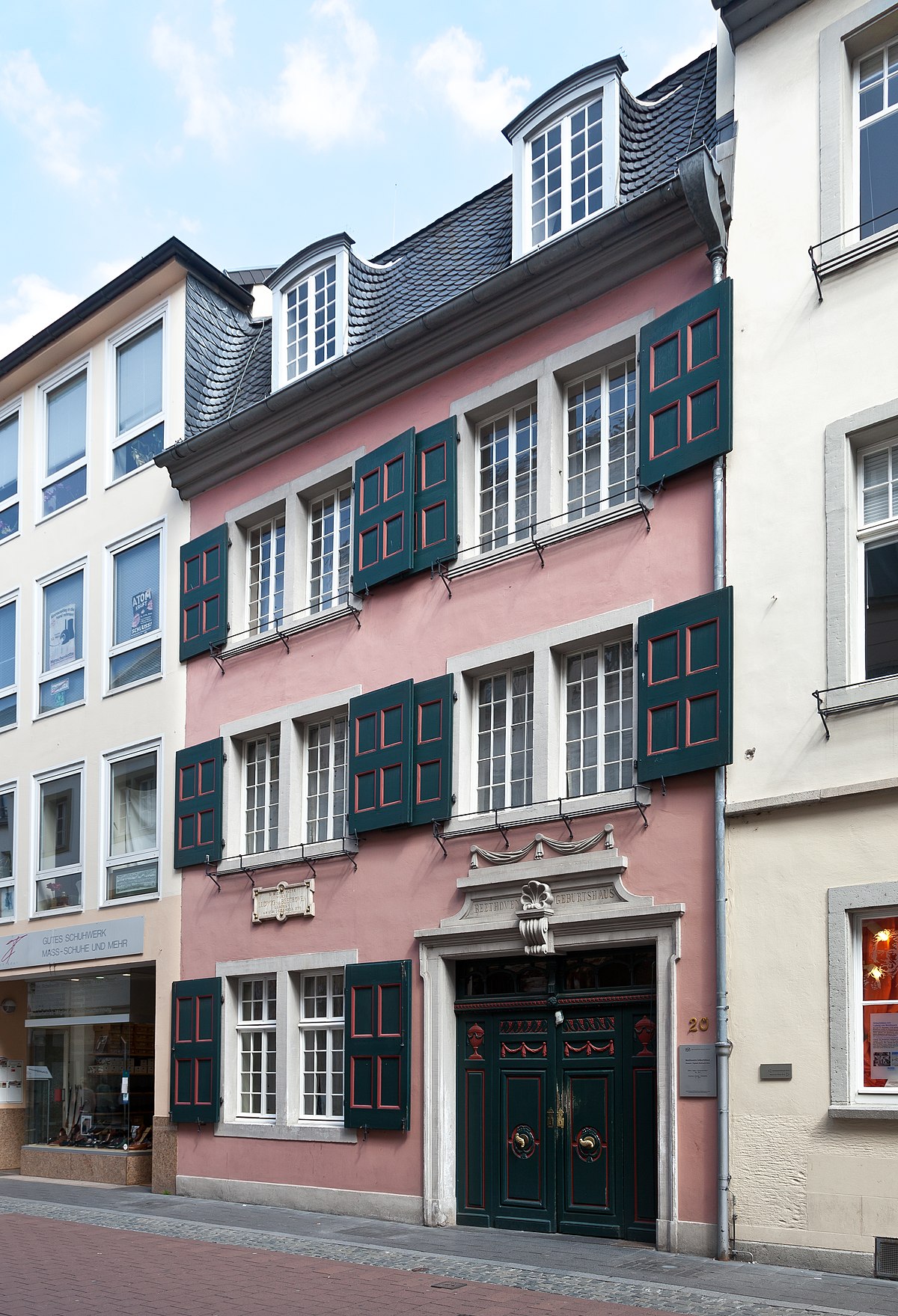
Beethoven House
📍 North Rhine-Westphalia, Germany
Beethoven House is a celebrated museum and the birthplace of Ludwig van Beethoven, one of the most influential composers in Western music history. …