
Brücke Museum
Overview
The Brücke Museum, located in the Steglitz-Zehlendorf district of Berlin, Germany, is a testament to the vibrant and revolutionary art movement known as Expressionism. Designed to celebrate the works of the artists associated with Die Brücke (The Bridge), this museum is an essential destination for art enthusiasts and cultural explorers alike. The museum provides an intimate glimpse into the lives and philosophies of these pioneering artists, whose works sought to convey profound emotional experiences and challenge the conventions of their time.
This unique art museum not only showcases a rich collection of paintings, prints, and sculptures but also embodies the spirit of a significant cultural shift that occurred in the early 20th century. The Brücke Museum represents a crucial chapter in the history of modern art, making it a must-visit spot for anyone interested in understanding the evolution of artistic expression. With its carefully curated exhibitions and serene setting, visitors can expect a profound and contemplative experience.
History and Significance
The Brücke Museum was established to honor the legacy of Die Brücke, an influential group of artists founded in 1905 in Dresden, Germany. This collective brought together some of the most prominent figures in Expressionism, including Ernst Ludwig Kirchner, Emil Nolde, and Karl Schmidt-Rottluff. The movement was characterized by its emphasis on emotional intensity, bold colors, and innovative techniques, challenging the norms of traditional aesthetics.
The museum’s collection is particularly significant as it focuses on the early works of the Brücke artists, capturing their innovative spirit and the socio-political context of their time. The artists of Die Brücke sought to reflect the tumultuous changes in society, exploring themes of alienation, anxiety, and the quest for identity. Their works often depicted urban life, human figures, and landscapes infused with expressive color and dynamic forms.
In addition to its permanent collection, the Brücke Museum frequently hosts temporary exhibitions that explore various facets of Expressionism and its impact on contemporary art. These exhibitions not only highlight the museum’s commitment to preserving the legacy of these artists but also engage with current artistic dialogues, making the museum a dynamic space for cultural exchange.
The museum’s dedication to the Brücke artists serves as an important cultural resource, fostering appreciation for a movement that significantly shaped modern art. By providing insight into the lives and works of these artists, the Brücke Museum plays a critical role in understanding the evolution of artistic expression in the 20th century.
Architecture and Features
The architectural design of the Brücke Museum reflects a thoughtful integration of modern aesthetics with the cultural significance of the art it houses. While specifics about the building’s design are not detailed in the available information, visitors will find that the museum’s layout complements its mission. The space is designed to facilitate an engaging viewing experience, allowing visitors to explore the art in a serene environment.
The museum’s galleries are organized to guide visitors through the collection in a coherent manner, encouraging reflection and engagement with the works on display. The lighting is carefully curated to enhance the vibrancy of the artworks, allowing the bold colors and intricate details of the Expressionist pieces to resonate with viewers.
Notable features include a dedicated area for temporary exhibitions, which provides a platform for contemporary artists and themes related to the legacy of Die Brücke. This commitment to ongoing dialogue with the art world ensures that each visit to the museum can offer something new and thought-provoking.
The museum is also surrounded by a peaceful garden, which adds to the overall ambiance and provides a space for contemplation and relaxation. This outdoor area can serve as a tranquil complement to the vibrant art within, allowing visitors to reflect on their experience in a serene setting.
Visiting Information
Visiting the Brücke Museum offers a unique opportunity to engage with significant works of Expressionist art in a dedicated space. To make the most of your visit, it is advisable to check the official website for current information regarding opening hours and ticket prices, as these can vary.
The museum is accessible via various modes of transportation, making it convenient for visitors to reach. Public transport options typically include buses and trains that connect to the broader Berlin transit system. The location is well-situated, allowing for easy access from other parts of the city.
When planning your visit, consider allocating at least a couple of hours to fully appreciate the collection and the museum’s offerings. The atmosphere is designed to encourage contemplation, so taking your time is recommended. Additionally, visiting during weekdays may help avoid larger crowds, creating a more intimate experience with the artworks.
For those wishing to extend their visit, check the museum’s website for any upcoming events, workshops, or special guided tours that may enhance your understanding of the artworks and the artists behind them.
Nearby Attractions
If you’re planning to explore the area surrounding the Brücke Museum, there are several attractions that complement a day of art and culture:
Schloss Charlottenburg: This stunning baroque palace offers a glimpse into the royal history of Berlin. Its beautiful gardens and opulent interiors provide a wonderful contrast to the modern art experience at the Brücke Museum.
Botanischer Garten Berlin: Located nearby, this expansive botanical garden features a diverse collection of plants from around the world. It’s a perfect spot for a leisurely stroll amidst nature.
Museum Berggruen: This museum, dedicated to modern art, houses an impressive collection of works by artists such as Picasso and Matisse. It’s a short distance from the Brücke Museum and offers additional insights into modern artistic movements.
Kunsthaus Dahlem: Known for its focus on contemporary art, this venue hosts various exhibitions that often explore themes relevant to the discussions initiated by the Expressionists.
Grunewald Forest: For those looking to escape the urban environment, this large forest area offers hiking trails, lakes, and the opportunity for outdoor activities, providing a refreshing contrast to the museum experience.
Insider Tips
When visiting the Brücke Museum, consider bringing a camera to capture the vibrant artworks, but remember to check the photography policy upon entry. To enhance your experience, visiting during the early hours on weekdays is advisable, as this is typically when the museum is less crowded.
Take your time with each piece; the emotional depth of the Expressionist works benefits from careful observation. If feasible, consider joining a guided tour for a more in-depth exploration of the exhibits and their historical context.
Practical Information
When preparing for your visit to the Brücke Museum, pack light but consider bringing a notebook or sketchbook if you enjoy jotting down thoughts or drawing inspiration from the artworks. Dress comfortably, as you may spend considerable time walking through the galleries and gardens.
Seasonal considerations may also play a role in your visit; the museum’s garden can be especially lovely in spring and summer, while autumn offers beautiful foliage. Be sure to check for any seasonal events or exhibitions that may enhance your experience.
Frequently Asked Questions
How long should I spend visiting?
A visit to the Brücke Museum typically takes about two hours, allowing time to appreciate the collection and any temporary exhibitions.
Is photography allowed?
Photography policies can vary, so it is recommended to check with museum staff upon arrival regarding the use of cameras within the galleries.
Are there guided tours?
Yes, the museum often offers guided tours. Check the official website for details on scheduling and availability.
What’s the best time to visit?
Weekdays, especially in the morning, tend to be less crowded, providing a more intimate experience with the artworks.
Is it wheelchair accessible?
The museum is equipped to accommodate visitors with mobility challenges, but it’s advisable to check the official website for specific accessibility features.
Can I buy tickets online?
Ticket purchasing options may be available through the official website, allowing for a convenient entry experience.
Are there restrooms and cafes?
Facilities, including restrooms, are typically available on-site. However, check the official website for specifics regarding cafés or dining options.
What should I wear?
Comfortable clothing and shoes are recommended, as you may spend time walking through the galleries and the outdoor areas.
More in Berlin

144., 176. und 184. Gemeindeschule
📍 Berlin, Germany
The 144., 176. und 184. Gemeindeschule, an architectural ensemble located in the vibrant city of Berlin, stands as a noteworthy example of educational …

Academy of Arts (Hanseatenweg)
📍 Berlin, Germany
The Academy of Arts (Hanseatenweg) stands as an emblem of Berlin’s vibrant cultural landscape, located in the historic Hansaviertel district. Renowned …

Academy of Arts, Berlin
📍 Berlin, Germany
The Academy of Arts in Berlin is not just a museum; it is a prominent national institution dedicated to the advancement of the arts in Germany. …

Academy of the Konrad-Adenauer-Stiftung
📍 Berlin, Germany
The Academy of the Konrad-Adenauer-Stiftung, located in the heart of Berlin, is not just a foundation but a hub of intellectual discourse and …

ACUD
📍 Berlin, Germany
Located in the heart of Berlin’s Bezirk Mitte, ACUD serves as a vibrant cultural center and cinema, showcasing an array of films and events that …

Admiralspalast
📍 Berlin, Germany
Admiralspalast is a prominent theatre and event venue located in the heart of Berlin, Germany. This architectural gem serves as a cultural hub, …
More Art Museums

Aachen Cathedral Treasury
📍 North Rhine-Westphalia, Germany
Aachen Cathedral Treasury, located in the historic city of Aachen, Germany, is a remarkable art museum that houses an impressive collection of …

Abteiberg Museum
📍 North Rhine-Westphalia, Germany
In the heart of Mönchengladbach, Germany, the Abteiberg Museum stands out as a prominent destination for art enthusiasts and cultural explorers alike. …

Akademisches Kunstmuseum
📍 North Rhine-Westphalia, Germany
In the heart of Bonn, Germany, lies the Akademisches Kunstmuseum, an art museum that invites visitors to explore a diverse collection of artworks …

Albertinum
📍 Saxony, Germany
Albertinum is a prominent art museum located in the heart of Dresden, Germany, serving as a significant cultural institution in the region. …

Albrecht Dürer's House
📍 Bavaria, Germany
Albrecht Dürer’s House stands as a significant cultural landmark in Nuremberg, Germany, celebrating the life and work of one of the Renaissance’s most …
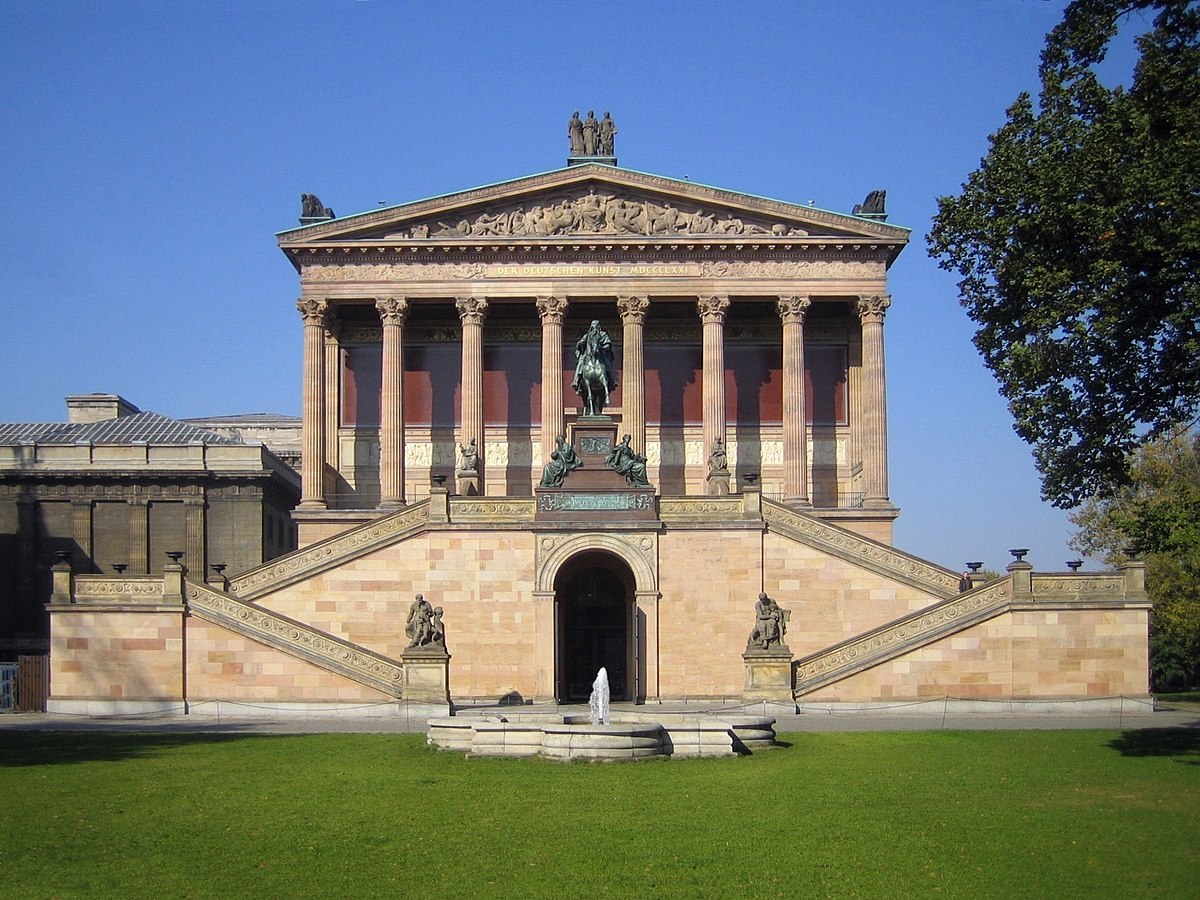
Alte Nationalgalerie
📍 Berlin, Germany
The Alte Nationalgalerie, an esteemed art museum located in Berlin’s Bezirk Mitte, is a cornerstone of cultural appreciation in Germany. This museum …