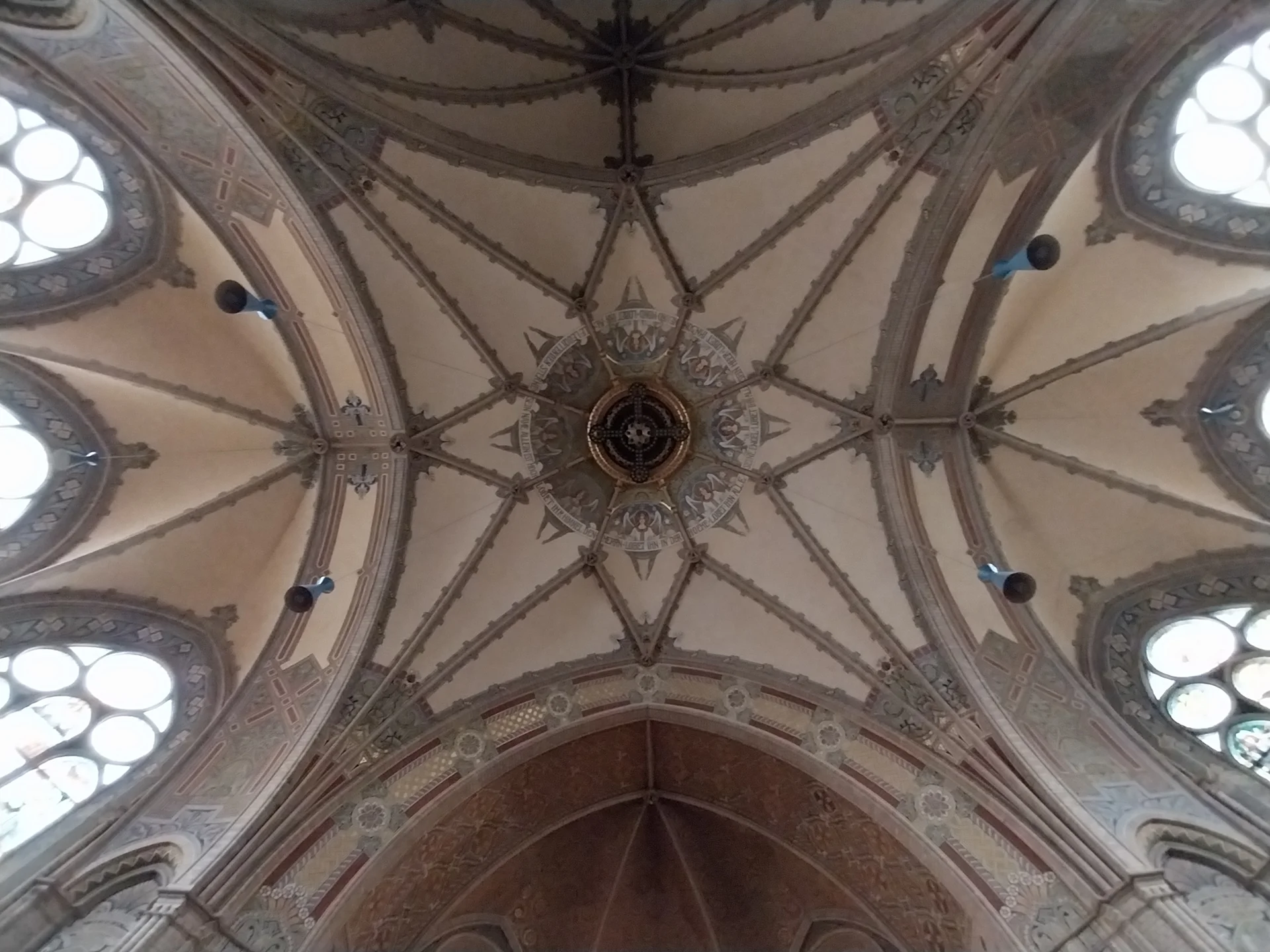
Brüderkirche
Overview
In the heart of Altenburg, Germany, stands the Brüderkirche, a striking example of Gothic Revival architecture. This church, with its intricate brickwork and soaring lines, captures the imagination of visitors who come to explore its historical significance and architectural beauty. The surrounding landscape offers a tranquil setting, enhancing the church’s spiritual ambiance. As you approach, the impressive façade hints at the craftsmanship and devotion that went into its creation.
Brüderkirche is not just another building; it represents a significant chapter in the region’s ecclesiastical history. Here, you can discover both the aesthetic appeal of Gothic Revival architecture and the deeper stories embedded in its walls. Visitors will find themselves immersed in a space where faith and artistry converge, making it a vital stop for anyone interested in heritage sites.
From its captivating design to its cultural relevance, Brüderkirche invites exploration and reflection. You’ll uncover the narratives that shaped this remarkable church and appreciate the artistry that continues to inspire awe in its visitors today.
History and Significance
Brüderkirche’s historical context is intertwined with the architectural movements of its time. While specific dates are not detailed, the church exemplifies characteristics of Gothic Revival style, which gained popularity across Europe during the 19th century. This architectural choice reflects a desire to return to the grandeur of medieval structures, emphasizing verticality and ornate details.
The church was designed by architect Jürgen Kröger, whose vision contributed to the establishment of Brüderkirche as a notable landmark in Altenburg. Over the years, it has served as a place of worship and community gathering, adapting to the changing needs of its congregation while maintaining its historical integrity.
Though not designated as a UNESCO World Heritage site, Brüderkirche holds significant local importance. It is cherished by the community for its architectural beauty and role in local traditions. The church has witnessed various transformations and events throughout its existence, serving as a silent witness to the social and cultural shifts that have occurred in Altenburg.
Architecture and Features
Brüderkirche is distinguished by its Gothic Revival architectural style, characterized by pointed arches, ribbed vaults, and an overall emphasis on height and light. The use of brick as the primary material showcases both durability and aesthetic appeal, creating a striking visual impact against the backdrop of Altenburg.
As you approach Brüderkirche, take note of the intricate brick detailing that adorns its exterior. The façade features elaborate patterns that draw the eye upward, inviting visitors to appreciate the craftsmanship that defines this structure. Inside, the high ceilings and spacious nave create an atmosphere conducive to reflection and worship.
While specific measurements are not provided, the overall scale of Brüderkirche is designed to inspire awe. Its interior may include stained glass windows that filter light beautifully, casting colorful reflections throughout the space. Visitors should take their time to explore both the exterior and interior features that reflect the artistic ideals of the Gothic Revival movement.
Visiting Information
Getting to Brüderkirche is accessible for travelers exploring Altenburg. Various transport options are available in the region, including public transportation and local walking paths.
Hours: Check the official website for current opening hours.
Prices: Visit the official website for current admission prices.
When visiting Brüderkirche, expect a serene experience enriched by art and history. The church typically provides an atmosphere conducive to contemplation, making it an ideal spot for those seeking spiritual reflection or simply an appreciation of architectural beauty. A visit can be comfortably completed in about one to two hours, allowing ample time to absorb your surroundings.
The best times to visit are often in the morning when crowds are smaller, or during spring and fall when weather conditions enhance the experience.
For those considering accessibility, it’s advisable to contact the site directly for the latest information regarding facilities available for visitors with mobility challenges.
Nearby Attractions
While exploring Brüderkirche, consider visiting these nearby attractions that further enrich your experience in Altenburg:
Altenburg Castle: This historic castle offers stunning views and insights into the region’s noble past. A tour can reveal fascinating stories about its former inhabitants and architectural evolution.
Skat Museum: Dedicated to Germany’s beloved card game, this museum provides an intriguing look into local culture and leisure activities over time.
Stadtkirche St. Bartholomew: This nearby church showcases beautiful architecture and provides an additional glimpse into the religious heritage of Altenburg.
The Old Town: A stroll through Altenburg’s charming old town allows you to experience traditional architecture and vibrant local shops and cafés.
The Botanical Garden: For those seeking tranquility, this garden features diverse plant species and peaceful walking paths—perfect for a leisurely afternoon.
Insider Tips
To make the most of your visit to Brüderkirche:
Best Photography Spots: Capture stunning images from various angles outside the church, especially during golden hour when sunlight enhances its brickwork.
Lesser-Known Details: Look closely at the intricate brick patterns; each tells a story about the craftsmanship involved in its construction.
Avoiding Crowds: Aim for early morning visits or weekdays when fewer tourists are likely to be present.
Local Tips: Engage with locals if possible; they may share personal stories or insights about Brüderkirche that enrich your understanding of its significance.
Practical Information
When planning your visit to Brüderkirche:
What to Bring: Comfortable walking shoes are recommended for exploring both inside and outside the church. A camera is also a must for capturing the unique architecture.
Seasonal Considerations: If you plan to visit during winter months, dress warmly as some areas may be less heated.
Visitor Amenities: While specific details about facilities are not provided, it’s wise to check ahead for restrooms or nearby cafes where you can enjoy refreshments after your visit.
Frequently Asked Questions
How long should I spend visiting?
You should plan for about one to two hours at Brüderkirche to fully appreciate its architecture and ambiance.
Is photography allowed inside?
Photography policies can vary; check with site personnel for specific guidelines upon your arrival.
Are there guided tours available?
Guided tours may be offered; contact Brüderkirche directly for information on availability.
What’s the best time of day to visit?
Visiting in the morning often provides a quieter experience with fewer crowds.
Is the site wheelchair accessible?
Contact the site directly for the latest information on accessibility options available for visitors with mobility challenges.
Can I buy tickets online?
Ticket purchasing options may vary; visit the official website for current details regarding online sales.
Are there facilities like restrooms and cafes?
Check with Brüderkirche for information on visitor amenities such as restrooms or nearby dining options.
What should I wear when visiting?
Dress comfortably and respectfully, keeping in mind that this is a place of worship.
Photo Gallery


Location
More in Saxony
Anne’s Church
📍 Saxony
In the heart of Dresden, Germany, Anne’s Church stands as a magnificent example of Baroque architecture, captivating visitors with its elegant design an...
Auferstehungskirche (Dresden)
📍 Saxony
Dresden’s Auferstehungskirche, a stunning example of Renaissance Revival architecture, stands tall at 49 meters, inviting visitors into its historical e...
Castle Church Lockwitz
📍 Saxony
Castle Church Lockwitz, a distinguished Protestant church located in the heart of Dresden, Saxony, captures the essence of baroque architecture. This ch...