
Brikettfabrik Louise
Overview
Brikettfabrik Louise presents a captivating glimpse into the industrial heritage of Germany, specifically within the region of Brandenburg. This technical monument and museum, located in Domsdorf, Uebigau-Wahrenbrück, underscores the significant role that briquette production played in the economic landscape of the area. Visitors can expect an immersive experience that highlights the historical and technological advancements of the time, making it a vital addition to any heritage travel itinerary.
The museum is not just a repository of artifacts; it serves as a narrative bridge connecting contemporary audiences with the industrial past. The site is characterized by its authentic machinery and structures, which have been preserved to reflect the operations that once bustlingly filled the air with the sounds of production. As you explore Brikettfabrik Louise, you’ll uncover the stories of the workers and the community, enriching your understanding of the local culture and industrial evolution.
History and Significance
Brikettfabrik Louise stands as a significant illustration of the briquette industry that surged in the late 19th and early 20th centuries in Europe. The production of briquettes, which are compacted blocks of coal dust mixed with a binding agent, became a vital source of fuel, particularly during periods of increasing energy demands. This facility not only contributed to the local economy but also reflected broader industrial trends that shaped the region.
The museum’s establishment serves to preserve the memory of this important industry and its impact on both local and wider contexts. It is a rare opportunity to gain insight into the technical processes involved in briquette manufacturing, as well as the societal changes that accompanied industrialization. Visitors can learn about the labor conditions, the technological innovations of the era, and the environmental implications of coal production, providing a comprehensive view of the industrial complexities that defined the time.
Brikettfabrik Louise also emphasizes the transition of energy sources over the decades, allowing for discussions about sustainability and contemporary energy practices. Such reflections are increasingly relevant as society grapples with the challenges of climate change and the quest for sustainable alternatives.
Architecture and Features
The architectural layout of Brikettfabrik Louise is reflective of its industrial purpose, showcasing a range of structures that were essential to the briquette production process. The buildings have been preserved to maintain their historical integrity, allowing visitors to appreciate the functional design characteristic of early 20th-century industrial architecture.
Key features include the original machinery that powered the operation, which remains intact and provides a tangible connection to the past. The layout of the factory, including the pressing machines and drying areas, allows for an understanding of the production flow and the various stages involved in creating briquettes. The physical presence of these machines, along with the surrounding structures, creates an authentic atmosphere that transports visitors into the heart of historical manufacturing.
In addition to the machinery, the museum may include informational displays and exhibits that elucidate the technology behind briquette production, enhancing the educational experience. The combination of preserved equipment and interpretive materials offers a comprehensive overview of the site’s significance within the industrial landscape of Germany.
Visiting Information
Reaching Brikettfabrik Louise is straightforward, with various transportation options available. Visitors can check for local public transport services that connect to Uebigau-Wahrenbrück, making it accessible for those traveling from nearby towns or cities. Given the significance of the site, it is recommended to plan your visit accordingly.
For the most current information regarding operational hours and ticket prices, it is advisable to check the official website before your visit. Guests can typically expect to spend a few hours exploring the museum, engaging with the exhibits, and absorbing the historical context.
The ambiance of the museum can vary, so for a more tranquil experience, consider visiting during weekdays or in the early morning. Engaging with the staff can also enhance your visit, as they often share insights and anecdotes about the site that are not available in the exhibits.
Nearby Attractions
Uebigau-Wahrenbrück: This quaint town offers a glimpse into local life and additional historical sites, perfect for a leisurely exploration after the museum visit.
Schloss Uebigau: A historical castle nearby that adds a cultural dimension to your exploration of the region.
Brandenburg Nature Reserve: A short distance away, this reserve offers opportunities for walking and enjoying the natural landscapes of the area.
Museum of Local History: Located in the vicinity, this museum presents a broader spectrum of the region’s past, complementing the industrial focus of Brikettfabrik Louise.
Café am Schloss: A charming café to enjoy refreshments and local cuisine after a day of exploration.
Insider Tips
For photography enthusiasts, the industrial machinery and architecture provide impressive backdrops, especially during the golden hours of early morning or late afternoon. Avoid peak visiting times, typically weekends, to capture images without crowds. Engaging with the staff can also yield unique perspectives and lesser-known spots worth photographing.
Consider bringing a notebook or sketchbook if you enjoy documenting your travels, as the detailed machinery and exhibits may inspire reflections or artistic endeavors. A comfortable pair of shoes is advisable, as exploring the museum may involve walking on uneven surfaces typical of industrial sites.
Practical Information
When planning your visit to Brikettfabrik Louise, it’s wise to bring essentials such as water, a camera, and a light jacket, as the temperature can vary within the museum spaces. If you’re visiting during the summer months, sunscreen and a hat could also enhance your experience.
Seasonal considerations may affect your visit, so checking the weather forecast beforehand is beneficial. The museum may host special events or exhibitions, so consider checking the official website for any announcements or seasonal highlights that might coincide with your visit.
Frequently Asked Questions
How long should I spend visiting?
Most visitors find that 2-3 hours is sufficient to explore the museum and engage with the exhibits fully.
Is photography allowed?
Yes, photography is generally permitted, but it’s always good to check for any specific restrictions upon your arrival.
Are there guided tours?
Guided tours may be available; check the official website for details regarding scheduling and availability.
What’s the best time to visit?
Weekdays, especially during early morning hours, tend to be less crowded, allowing for a more immersive experience.
Is it wheelchair accessible?
Information on accessibility can be confirmed on the official website; it is advisable to check before your visit.
Can I buy tickets online?
For the most current information on ticket purchasing options, please check the official website.
Are there restrooms and cafes?
Facilities such as restrooms and cafes may be available; it’s best to verify on the official website for specifics.
What should I wear?
Comfortable clothing and footwear are recommended, especially if you plan to spend a considerable amount of time exploring the site.
More in Brandenburg
Agnetenkloster
📍 Brandenburg, Germany
Agnetenkloster, a former monastery located in the heart of Magdeburg, Germany, invites visitors to explore its serene ambiance and historical …

Agroneum
📍 Brandenburg, Germany
Agroneum is a museum located in the serene landscape of Alt Schwerin, Germany. This establishment serves as a vibrant hub for those interested in the …

Alexander Nevsky Memorial Church
📍 Brandenburg, Germany
The Alexander Nevsky Memorial Church in Potsdam, Germany, offers visitors a unique glimpse into the city’s cultural and religious heritage. This …
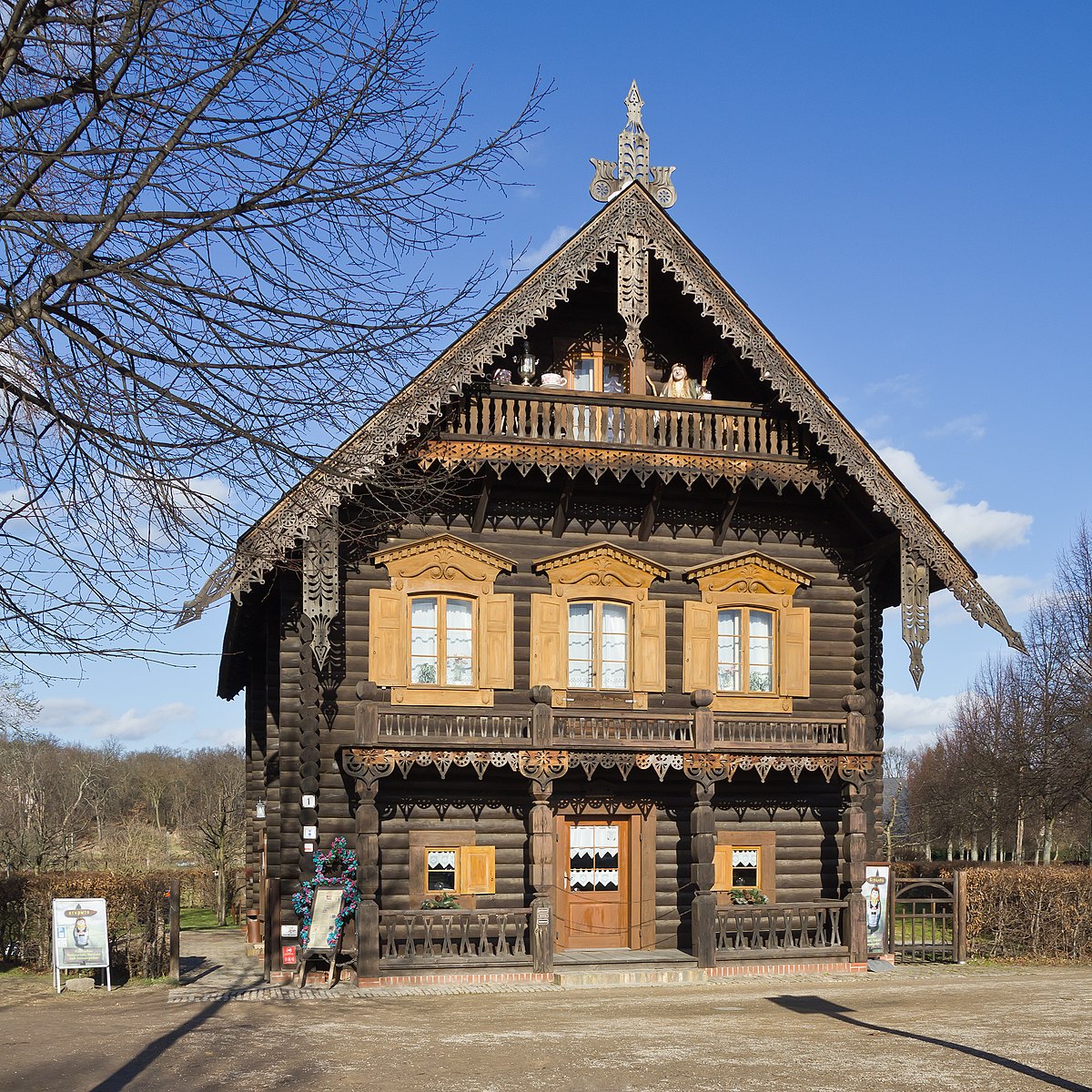
Alexandrowka
📍 Brandenburg, Germany
Located in the picturesque city of Potsdam, Germany, Alexandrowka is an intriguing architectural ensemble that reflects a unique blend of Russian and …

Alte Burg Penzlin
📍 Brandenburg, Germany
Alte Burg Penzlin, a captivating castle located in the quaint town of Penzlin, Germany, serves as a remarkable example of medieval architecture and …

Alte Dorfkirche Röxe
📍 Brandenburg, Germany
The Alte Dorfkirche Röxe stands as a poignant symbol of architectural and cultural history in the Stendal region of Germany. This church building, …
More Museums

Abbey and Altenmünster of Lorsch
📍 Baden-Württemberg, Germany
The Abbey and Altenmünster of Lorsch is a UNESCO World Heritage site located in the charming town of Lorsch, Germany. This significant cultural …
Abenteuermuseum
📍 Rhineland-Palatinate, Germany
The Abenteuermuseum, located in Germany, invites visitors to explore the wonders of adventure through its unique exhibits and engaging experiences. …

Abwasser- und Sielmuseum
📍 Hamburg, Germany
The Abwasser- und Sielmuseum, located in the heart of Hamburg-Mitte, offers a unique glimpse into the city’s historical infrastructure concerning …

Academy of Arts, Berlin
📍 Berlin, Germany
The Academy of Arts in Berlin is not just a museum; it is a prominent national institution dedicated to the advancement of the arts in Germany. …

Ackerbürgermuseum Haus Leck
📍 Hesse, Germany
Ackerbürgermuseum Haus Leck is a culturally significant museum located in Germany’s Grebenstein region, dedicated to preserving and showcasing the …

Active Museum Spiegelgasse
📍 Hesse, Germany
Active Museum Spiegelgasse is a vital institution dedicated to preserving and exploring the German-Jewish history of Wiesbaden, Germany. Located in …