
Breitscheidstraße 22, 24, 26, 28, 30
Overview
Breitscheidstraße 22, 24, 26, 28, and 30 is an architectural ensemble located in the historic city of Quedlinburg, Germany. Known for its picturesque half-timbered buildings, this group of structures exemplifies the rich architectural heritage that characterizes this UNESCO World Heritage site. Quedlinburg itself is situated in the heart of Saxony-Anhalt, surrounded by lush landscapes and steeped in medieval history. The buildings on Breitscheidstraße represent a significant chapter in the architectural narrative of the town, showcasing styles that have evolved over centuries.
Visitors to this ensemble will find themselves immersed in a unique blend of history and artistry, where every façade tells a story. The combination of wood, brick, and intricate detailing reflects the craftsmanship of eras gone by, making it a must-see for architecture enthusiasts and history buffs alike. A stroll along Breitscheidstraße invites exploration and appreciation of the unique aesthetic that defines Quedlinburg, ensuring a memorable experience for all who visit.
History and Significance
The architectural ensemble at Breitscheidstraße is a remarkable representation of Quedlinburg’s historical development over the centuries. Quedlinburg itself has been a focal point of German history since the early Middle Ages, with its roots tracing back to the 9th century. The town gained prominence as a royal residence and a center for trade and culture during the Holy Roman Empire.
The buildings at Breitscheidstraße are significant not only for their architectural style but also for their role in the community’s social and economic life. These structures have served various functions throughout their history, reflecting the changing needs and aspirations of the residents. The integration of residential and commercial spaces within the ensemble highlights the importance of community interaction in Quedlinburg’s urban fabric.
Moreover, this architectural ensemble contributes to the cultural identity of Quedlinburg, which was designated a UNESCO World Heritage site in 1994. This recognition underscores the global value of the town’s historical architecture and the efforts required to preserve such sites for future generations. The ensemble at Breitscheidstraße exemplifies the harmonious coexistence of diverse architectural styles, making it an essential part of Quedlinburg’s rich heritage.
Architecture and Features
The buildings at Breitscheidstraße 22, 24, 26, 28, and 30 are characterized by their half-timbered construction, a technique that has been utilized throughout Germany for centuries. This method involves a framework of timber filled with materials such as wattle and daub, brick, or plaster, creating a distinctive visual appeal. Each building in the ensemble showcases unique elements, from ornate wooden beams to colorful façades, contributing to a cohesive yet diverse architectural narrative.
One of the notable features of these buildings is the intricate detailing found in the timber framing, often adorned with geometric patterns and decorative motifs. The interplay of light and shadow created by the overhanging upper stories adds depth and character to the streetscape. Additionally, some structures may feature charming balconies, quaint windows, and inviting doorways that reflect the craftsmanship of their builders.
While the exact historical context of each building may vary, they collectively represent the architectural evolution of Quedlinburg and stand as a testament to the skills of local artisans. Visitors can appreciate the careful restoration efforts that have preserved the integrity of these structures, allowing them to remain a vibrant part of the community.
Visiting Information
To reach Breitscheidstraße, visitors can take advantage of Quedlinburg’s efficient public transport system or opt for a leisurely walk through the historic streets of the town. The ensemble is conveniently located within walking distance of major attractions, making it easily accessible for both local and international travelers.
While specific opening hours and ticket prices may vary, it is advisable to check the official website for current information before planning your visit. Expect to spend approximately an hour exploring the buildings and soaking in the atmosphere of this architectural ensemble. Early mornings or late afternoons may offer a quieter experience, allowing for a more intimate appreciation of the site.
As you wander along Breitscheidstraße, be prepared for a delightful experience that combines both history and architectural beauty. The surrounding streets are also lined with shops, cafes, and galleries, making it a perfect spot to pause and enjoy the local culture.
Nearby Attractions
St. Servatius Church - A short walk from Breitscheidstraße, this historic church is renowned for its impressive Romanesque architecture and beautiful stained glass windows.
Quedlinburg Castle - Overlooking the town, the castle offers not only a glimpse into the region’s royal past but also stunning views of the surrounding landscape.
Market Square - The heart of Quedlinburg, this lively square features charming cafés and shops, as well as the iconic Town Hall, showcasing stunning architecture and vibrant local life.
The Old Town - A UNESCO World Heritage site, the entire old town is filled with narrow streets lined with half-timbered houses, inviting exploration and discovery.
Museum of the History of the Town of Quedlinburg - Located nearby, this museum provides insights into the city’s history and culture, making it an excellent complement to your visit to Breitscheidstraße.
Insider Tips
For those keen on photography, the best light for capturing the architectural details of the buildings is during the golden hour, shortly after sunrise or before sunset. This natural light enhances the textures and colors of the timber frames and brickwork.
To avoid crowds, consider visiting on weekdays or during the off-peak season, as weekends and holidays tend to attract more visitors. Early mornings can provide a quieter atmosphere, allowing for unobstructed views and photographs.
Practical Information
When visiting Breitscheidstraße, comfortable walking shoes are recommended, as the area is best explored on foot. Depending on the season, bringing an umbrella or sunscreen can be beneficial, as weather conditions in Germany can change rapidly.
Additionally, it’s advisable to keep a camera or smartphone handy to capture the stunning architecture and lively street scenes. As you explore, be sure to take your time, as the charm of Quedlinburg lies in its details.
Frequently Asked Questions
How long should I spend visiting?
A visit of about one hour is recommended to fully appreciate the architectural ensemble and the surrounding area.
Is photography allowed?
Yes, photography is generally allowed in public spaces along Breitscheidstraße, but be respectful of private properties.
Are there guided tours?
Check the official website for information regarding guided tours that may provide deeper insights into the history and architecture of the area.
What’s the best time to visit?
Visiting during the early morning or late afternoon on weekdays can help avoid crowds and enhance your experience.
Is it wheelchair accessible?
The area is primarily pedestrian-friendly, but some sections may present challenges. Check the official website for more specific accessibility information.
Can I buy tickets online?
For current information on ticket purchases, check the official website prior to your visit.
Are there restrooms and cafes?
While there may not be facilities directly on Breitscheidstraße, nearby attractions and the Market Square offer restrooms and dining options.
What should I wear?
Dress comfortably and according to the season, as you may be walking for extended periods while exploring the area.
More in Lower Saxony

2000 Jahre Christentum
📍 Lower Saxony, Germany
The “2000 Jahre Christentum,” a prominent statue located in Brunswick, Germany, serves as a significant cultural landmark that reflects the rich …
A. Heucke
📍 Lower Saxony, Germany
A. Heucke, located in the historic town of Gatersleben in Germany’s Seeland region, represents a significant chapter in the story of industrial …

Aalto Theatre
📍 Lower Saxony, Germany
The Aalto Theatre in Essen, Germany, is a prominent cultural landmark that attracts both local and international visitors. Renowned for its …

Aasee
📍 Lower Saxony, Germany
Aasee is a picturesque lake located in the town of Ibbenbüren, Germany, serving as a popular destination for both locals and visitors alike. This …
Abgunst Mine
📍 Lower Saxony, Germany
Abgunst Mine, located in the industrial heart of Essen, Germany, is a significant heritage site that represents the country’s rich mining history. As …

Accumer Mühle
📍 Lower Saxony, Germany
Accumer Mühle is a captivating windmill located in Schortens, Germany, that showcases the remarkable engineering of traditional European mills. This …
More Architectural Ensembles

144., 176. und 184. Gemeindeschule
📍 Berlin, Germany
The 144., 176. und 184. Gemeindeschule, an architectural ensemble located in the vibrant city of Berlin, stands as a noteworthy example of educational …

Adelheidstraße 3–7, 9–12, 12a, 14, 15, 22–31, Amelungstraße 1, Friedrich-Ebert-Platz
📍 Lower Saxony, Germany
In the heart of Quedlinburg, Germany, lies a captivating architectural ensemble that reflects the town’s historical significance and cultural …

Aegidiimarkt
📍 Lower Saxony, Germany
Aegidiimarkt is a captivating architectural ensemble located in the heart of Münster, Germany. This vibrant square not only serves as a hub for local …
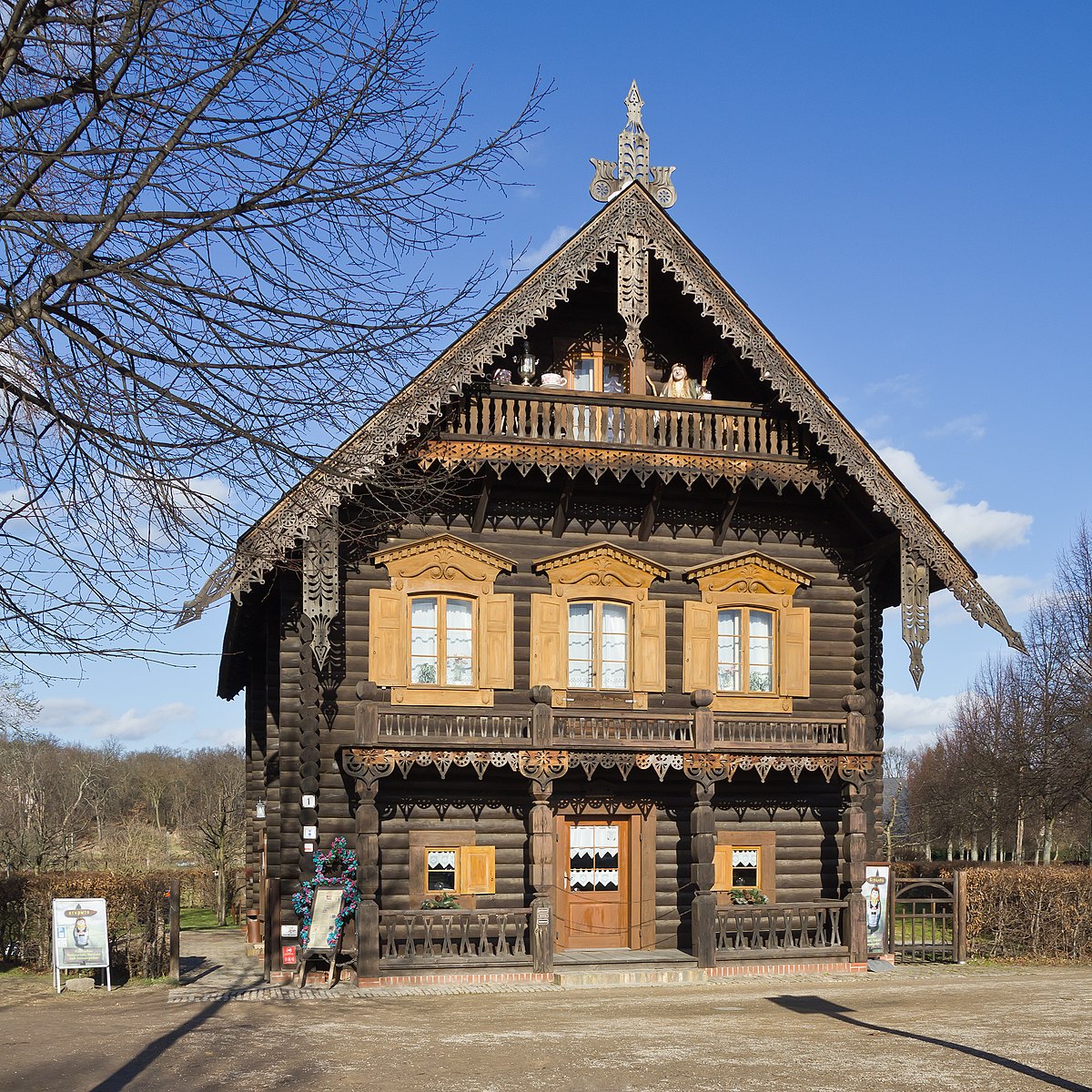
Alexandrowka
📍 Brandenburg, Germany
Located in the picturesque city of Potsdam, Germany, Alexandrowka is an intriguing architectural ensemble that reflects a unique blend of Russian and …

Alhauser Hammer
📍 North Rhine-Westphalia, Germany
Alhauser Hammer is a remarkable architectural ensemble located in Ennepetal, Germany, known for its historical significance as a water-driven hammer …

Alsdorfer Ölmühle
📍 North Rhine-Westphalia, Germany
The Alsdorfer Ölmühle, an architectural ensemble located in the heart of Alsdorf, Germany, is a remarkable example of a traditional watermill that …