Overview
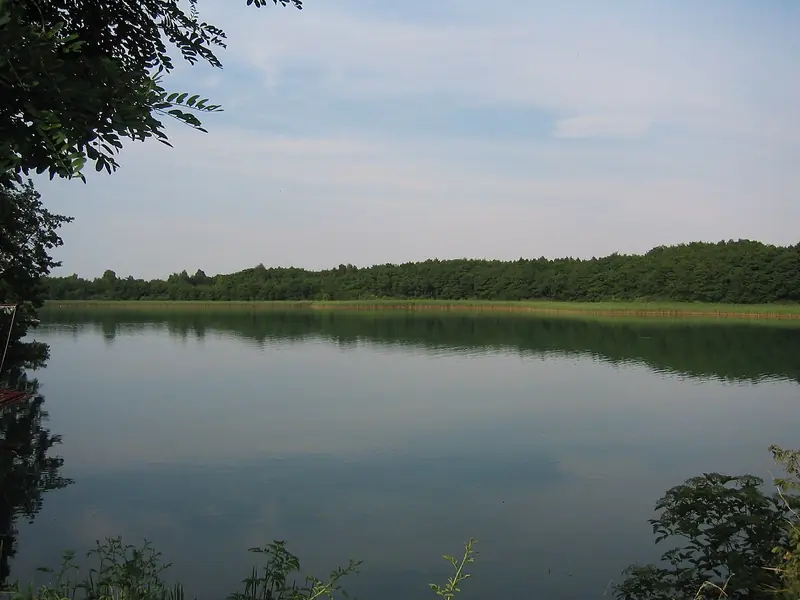
Breiter Luzin is a serene lake located within the scenic Feldberger Seenlandschaft in the northeastern part of Germany. This idyllic body of water is part of the Mecklenburg-Vorpommern region, an area celebrated for its natural beauty and rich biodiversity. Breiter Luzin is not only a prime destination for nature enthusiasts but also plays a vital role in the local ecosystem, offering a habitat for various plant and animal species. With its clear waters and surrounding lush landscapes, this lake provides an inviting setting for recreational activities such as hiking, boating, and birdwatching. Visitors can expect a tranquil experience, making it an ideal getaway for those looking to connect with nature.
History and Significance
The significance of Breiter Luzin extends beyond its picturesque aesthetics; it is a vital component of the Feldberger Seenlandschaft, a protected natural area that showcases the unique glacial landscape formed during the last Ice Age. The region’s lakes and wetlands are not only important for their ecological value but also for their contributions to local culture and recreation. Historically, lakes in this area have been utilized by local communities for fishing and gathering resources, reinforcing the relationship between the people and their natural surroundings.
While specific historical events related to Breiter Luzin are not documented, the lake has likely served as a meeting place and a source of livelihood for generations. The surrounding forests and wetlands add layers of complexity to the local ecosystem, supporting a variety of wildlife that thrives in this habitat. This ecological importance is crucial for the preservation of local biodiversity and contributes to the region’s appeal as a destination for environmental tourism.
In contemporary times, Breiter Luzin has become a focal point for outdoor activities, drawing visitors interested in nature exploration, photography, and relaxation. The lake’s natural beauty has made it a popular spot for both locals and tourists, fostering a sense of community and appreciation for the environment. The ongoing efforts to conserve this natural area ensure that future generations can experience the same tranquility and beauty that Breiter Luzin offers today.
Architecture and Features
Breiter Luzin is characterized by its expansive waters, which are surrounded by dense forests and lush greenery. The lake itself is noted for its clear, clean waters, providing an ideal environment for aquatic life. The surrounding landscape consists of a mixture of deciduous and coniferous trees, which not only enhance the natural beauty of the area but also offer habitats for a variety of bird species and other wildlife.
The lake is part of a larger network of natural and artificial lakes in the Feldberger Seenlandschaft, which together create a unique ecological landscape. The area is ideal for hiking trails, allowing visitors to explore the rich flora and fauna while taking in the scenic views of the lake and its surroundings. Boating is also a popular activity, with opportunities for kayaking and canoeing available for those looking to experience the lake from a different perspective.
Breiter Luzin serves as an important ecological zone, and its preservation is vital for maintaining the biodiversity of the region. The careful management of the surrounding areas helps to protect the delicate balance of life that thrives in and around the lake. Visitors can often observe various species of birds and other wildlife, making it a perfect location for nature enthusiasts and photographers alike.
Visiting Information
Reaching Breiter Luzin is relatively straightforward, with various transport options available. The nearest major city is Neubrandenberg, and visitors can drive or use public transportation to reach the lake. Once there, visitors can expect to find a well-maintained area conducive to a range of outdoor activities. It’s advisable to check the official website for current information regarding visitor access, parking, and any seasonal considerations that may affect the experience.
When planning a visit, consider allocating a few hours to fully enjoy the lake and its surroundings. This time allows for leisurely walks along the trails, exploration of the wildlife, and perhaps a picnic by the water’s edge. The best times to visit are typically during the spring and fall when the weather is pleasant, and the natural surroundings are at their most beautiful. Summer can also be delightful, but it may see larger crowds, especially on weekends.
Visitors are encouraged to check the official website for hours of operation and any potential fees associated with recreational activities or parking. It’s also wise to plan ahead for amenities, as the availability of facilities may vary throughout the year.
Nearby Attractions
Feldberg: A nearby town known for its hiking trails and scenic landscapes, Feldberg provides additional opportunities for outdoor activities, including cycling and exploring nature reserves.
Schwarzer See: Another picturesque lake in the vicinity, Schwarzer See is ideal for swimming and enjoying the natural beauty of the area, offering various recreational options for visitors.
Müritz National Park: Just a short drive away, this national park is one of Germany’s largest and features diverse habitats, including lakes, wetlands, and forests, making it a haven for wildlife enthusiasts.
Biosphere Reserve Schwäbische Alb: This UNESCO-designated site is home to a range of ecosystems and provides educational opportunities about conservation and sustainable practices in natural areas.
Local Wildlife Parks: Several wildlife parks in the region allow visitors to observe native species in their natural habitats, contributing to the educational experience of the area.
Insider Tips
When visiting Breiter Luzin, consider bringing a camera to capture the serene beauty of the lake and its surroundings. Early mornings or late afternoons often provide the best lighting for photography, especially if you aim to capture reflections on the water.
To avoid crowds, plan your visit during weekdays or early in the morning on weekends. This timing allows for a more peaceful experience, enhancing your connection with nature. Additionally, be mindful of the wildlife, and maintain a respectful distance to ensure their safety and well-being.
Practical Information
When preparing for your visit to Breiter Luzin, it is advisable to bring essentials such as water, snacks, and sunscreen. If you plan on hiking, comfortable walking shoes are a must, as the trails can vary in terrain. Binoculars are also recommended for birdwatching enthusiasts hoping to catch a glimpse of the local wildlife.
Seasonal considerations are important, as weather conditions can change, particularly in the fall and winter months. Be prepared for cooler temperatures, and check the forecast in advance to ensure a comfortable experience.
Frequently Asked Questions
How long should I spend visiting?
A visit to Breiter Luzin typically lasts between two to four hours, allowing ample time for hiking, photography, and relaxation by the lake.
Is photography allowed?
Yes, photography is welcomed, and the scenic landscapes provide numerous opportunities for capturing beautiful images.
Are there guided tours?
While specific guided tours may not be available, visitors can explore the area independently and enjoy its natural attractions at their own pace.
What’s the best time to visit?
The best times to visit Breiter Luzin are during the spring and fall when temperatures are mild and the natural scenery is vibrant.
Is it wheelchair accessible?
Check the official website for information on accessibility options as facilities may vary.
Can I buy tickets online?
Check the official website for current information regarding any necessary tickets or fees.
Are there restrooms and cafes?
Amenities may vary; check the official website for details regarding restroom facilities and nearby dining options.
What should I wear?
Comfortable clothing and sturdy footwear are recommended, particularly if you plan to hike or engage in outdoor activities. Dress in layers to accommodate changing weather conditions.