Overview
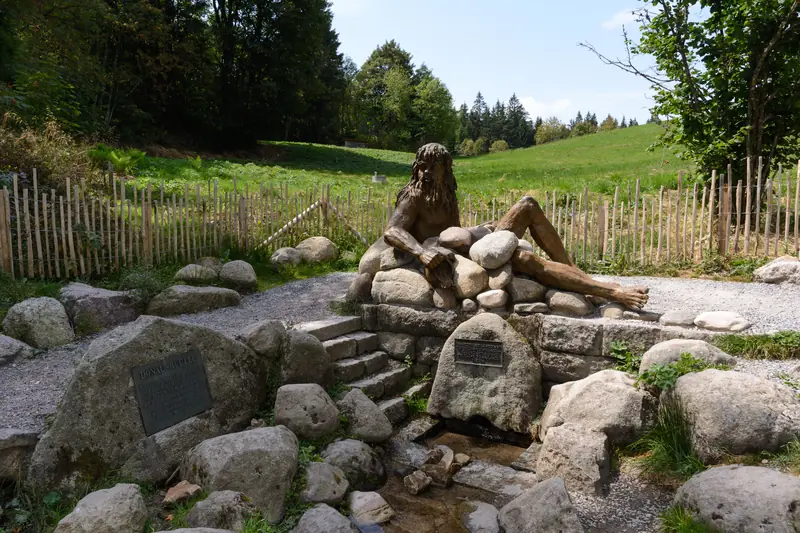
The Breg River, a significant waterway in Germany, flows through the picturesque landscapes of the Black Forest region. This river is not only a natural feature but also a vital component of the area’s ecosystem and cultural heritage. Originating in the mountainous terrain, the Breg is one of the major tributaries of the Danube River, contributing to the rich hydrological network of the region. Its winding course and serene surroundings make it an attractive destination for nature enthusiasts, hikers, and those interested in exploring Germany’s scenic beauty.
The Breg River offers visitors a unique opportunity to engage with the natural environment, providing access to lush forests and tranquil waters. Whether one is interested in leisurely walks along its banks or more adventurous pursuits such as hiking or cycling, the river presents a variety of options for exploration. The area’s significance extends beyond its aesthetic appeal, as the Breg plays a crucial role in the regional ecology and has historically supported local communities.
As you embark on a journey to the Breg, prepare to immerse yourself in the natural splendor of Germany’s Black Forest, where the river serves as both a geographical landmark and a source of inspiration.
History and Significance
The Breg River has been an integral part of the region’s landscape for centuries. Its origins are deeply rooted in the geological history of the Black Forest, where the interplay of natural forces has shaped the terrain and created a unique ecosystem. The river has been pivotal for local communities, providing water for agriculture and serving as a critical resource for daily life.
Historically, the Breg and its surrounding areas have been inhabited for ages, with evidence of human activity dating back to prehistoric times. The river has witnessed the development of settlements and the evolution of cultural practices, making it a silent witness to the region’s history. Over the years, the river has influenced trade routes and transportation, connecting various parts of the region and facilitating commerce.
The ecological significance of the Breg cannot be overstated. It supports a diverse range of flora and fauna, contributing to the biodiversity of the Black Forest. The river’s clean waters are vital for the survival of various species, and its banks are often lined with rich vegetation, making it an essential habitat for wildlife. Conservation efforts in recent years have focused on protecting the river and its surroundings, ensuring that this vital natural resource remains preserved for future generations.
Architecture and Features
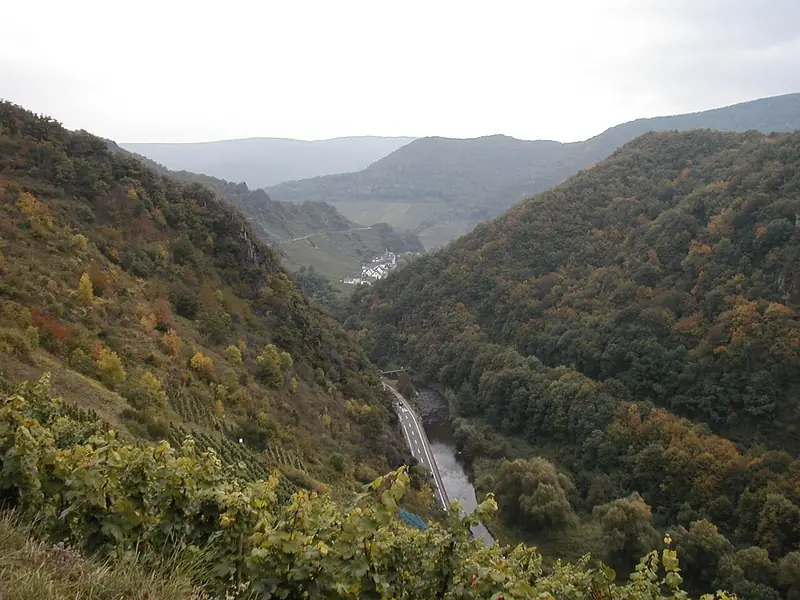
As a natural river, the Breg does not feature man-made architecture in the traditional sense. However, its physical characteristics and the environment surrounding it provide a unique setting worth exploring. The river is characterized by its winding pathways, clear waters, and the lush greenery of the Black Forest that envelops its banks.
The Breg flows through a diverse landscape, transitioning from rocky terrains to softer, meandering sections that invite leisurely exploration. The sound of the flowing water creates a calming atmosphere, while the surrounding forests offer opportunities for wildlife observation and nature photography.
In certain areas, you may find small bridges and pathways that enhance accessibility and allow for closer interaction with the river. The banks of the Breg are often dotted with trees and shrubs, providing shaded spots for visitors to relax and enjoy the serene environment. The river’s natural beauty is complemented by seasonal changes, with vibrant colors in autumn and lush greenery in spring and summer, making it a dynamic landscape throughout the year.
Visiting Information
Visiting the Breg River is an experience that can be tailored to your interests. The river is accessible via various walking trails, which are suitable for hikers of all skill levels. Expect to encounter diverse terrains, from gentle paths to more challenging routes that showcase the river’s beauty.
Transportation to the Breg can be facilitated by local public transport options, including buses and trains. Depending on your starting point, check the official website for current information on schedules and routes to ensure a smooth journey.
While there are no designated visitor centers directly along the river, nearby towns offer amenities such as cafes and shops where you can gather supplies for your adventure. The best times to visit are during the spring and summer months, when the weather is favorable for outdoor activities.
Plan for a visit that can range from a few hours to a full day, depending on your interests. Whether you choose to hike, cycle, or simply enjoy a leisurely stroll along the river, prepare to be immersed in the tranquil environment.
Nearby Attractions
While the Breg River is a destination in itself, there are several nearby attractions that complement your visit:
Triberg Waterfalls: Located a short drive from the Breg, these are among the highest waterfalls in Germany and offer stunning views and walking trails through the surrounding forest.
Black Forest Open Air Museum: This museum showcases the traditional Black Forest lifestyle, featuring historic buildings and exhibits that provide insight into the region’s culture and history.
Feldberg Mountain: As the highest peak in the Black Forest, Feldberg offers panoramic views and opportunities for hiking and skiing, depending on the season.
Schwarzwaldhochstraße: A scenic road that runs through the Black Forest, offering breathtaking views and access to various viewpoints, trails, and charming villages.
Lake Titisee: A picturesque lake surrounded by lush forests, perfect for swimming, boating, or enjoying a leisurely walk along its shores.
Insider Tips
To enhance your experience at the Breg River, consider the following tips:
Photography: The best times for photography are during the golden hours of sunrise and sunset, when the light casts a magical glow over the river and surrounding landscapes. Bring a tripod for long-exposure shots, especially if you plan to capture the flowing water.
Crowd Avoidance: The Breg can attract visitors, especially during weekends and holidays. To enjoy a quieter experience, consider visiting during weekdays or early in the morning.
Practical Information
When planning your visit to the Breg River, keep the following practical considerations in mind:
What to Bring: Comfortable walking shoes are essential for exploring the trails. Bring water, snacks, and sunscreen, especially during warmer months. A light jacket may be useful for cooler days or evenings.
Seasonal Considerations: Each season offers a different experience at the Breg. Spring brings blooming flowers, summer is ideal for hiking and enjoying the outdoors, autumn showcases vibrant foliage, and winter may offer a peaceful, snowy landscape.
Frequently Asked Questions
How long should I spend visiting?
A visit to the Breg can range from a few hours to a full day, depending on your planned activities and interests.
Is photography allowed?
Yes, photography is encouraged, especially to capture the natural beauty of the river and surrounding landscapes.
Are there guided tours?
While specific guided tours may not be available directly along the river, local tourism offices may offer information about nearby guided experiences in the Black Forest region.
What’s the best time to visit?
The best times to visit the Breg River are during the spring and summer months when the weather is mild, and the flora is vibrant.
Is it wheelchair accessible?
Accessibility may vary along the river’s trails. Check specific paths for accessibility options.
Can I buy tickets online?
As a natural site, there are generally no entry fees; however, check for any specific information on surrounding attractions that may require tickets.
Are there restrooms and cafes?
While there are no facilities directly along the river, nearby towns offer cafes and restrooms.
What should I wear?
Dress comfortably for outdoor activities, and consider layers to adapt to changing weather conditions.
Photo Gallery