
Brandenburg-Preussen Museum
Overview
The Brandenburg-Preussen Museum, located in the quaint town of Fehrbellin, Germany, offers an intriguing glimpse into the history and culture of the Brandenburg region. This museum is not just a repository of artifacts but a vibrant reflection of the area’s past, showcasing its unique heritage and connections to the broader narrative of Germany. Fehrbellin itself, with its historical roots and charming landscape, provides a fitting backdrop for this cultural institution, making it an essential stop for history enthusiasts and curious travelers alike.
Visitors to the Brandenburg-Preussen Museum can expect to engage with a variety of exhibits that encapsulate the essence of Brandenburg’s history, including its art, customs, and pivotal moments. The museum serves as a cornerstone for understanding the evolution of this significant region, fostering appreciation for its contributions to German and European history. Whether you are a local resident or an international traveler, the museum promises to enrich your understanding of Brandenburg’s cultural identity.
History and Significance
The Brandenburg-Preussen Museum stands as a cultural institution dedicated to preserving the historical narrative of the Brandenburg region, particularly during the time of the Prussian state. While specific founding dates may not be documented, the museum plays a crucial role in showcasing the regional history that has shaped the identity of its people.
Throughout the centuries, Brandenburg has been a witness to various historical events, including wars, territorial changes, and significant political developments. The museum’s collection reflects these transformations, from the medieval period through the rise and fall of Prussia as a formidable European power. It highlights the region’s contributions to military history, governance, and the arts, illustrating how these elements interweave to create the contemporary identity of Brandenburg.
In addition to artifacts, the museum’s exhibitions often emphasize the cultural exchanges that have taken place in the region, influenced by neighboring countries and changing political landscapes. This cultural significance is not only vital for understanding the past but also for recognizing how history informs the present.
The museum acts as an educational resource, aiming to foster a deeper understanding and appreciation for the unique heritage of Brandenburg. Its programs and exhibitions appeal to various audiences, making history accessible and engaging for everyone.
Architecture and Features
The Brandenburg-Preussen Museum is housed in an architecturally significant building that reflects the historical context of its surroundings. While specific architectural details may not be available, the structure itself complements the museum’s purpose, offering a space that is both functional and evocative of the region’s heritage.
Inside, the museum features thoughtfully curated exhibits that encompass a range of historical artifacts, documents, and multimedia presentations. Visitors can expect to find displays that not only tell the story of Brandenburg but also engage with the broader themes of Prussian history. The layout of the museum is designed to guide guests through various periods and topics, allowing for a comprehensive exploration of the region’s past.
Noteworthy features of the museum include interactive exhibits that enhance the visitor experience, making history relatable and engaging. These elements help to bring the narratives of Brandenburg to life, encouraging a deeper connection to the artifacts on display.
Whether you are exploring the exhibits alone or with family, the museum’s design fosters an atmosphere conducive to learning and reflection.
Visiting Information
Fehrbellin is accessible by various modes of transport, making it easy for visitors to reach the Brandenburg-Preussen Museum. Travelers can take advantage of local public transportation options or opt for driving, with parking facilities available nearby.
As for the details of your visit—such as operating hours and ticket prices—check the official website for current information. Planning ahead is advisable to ensure a smooth experience. The museum can typically be explored in a few hours, depending on individual interests and the depth of engagement with the exhibits.
The best times to visit the museum are often during weekdays when crowds may be lighter, allowing for a more intimate experience with the exhibits. Special events or temporary exhibitions may also be scheduled throughout the year, providing additional reasons to plan a visit.
Expect to find a welcoming atmosphere that encourages exploration and learning. The museum’s staff are often available to assist with inquiries and provide insights into the exhibits.
Nearby Attractions
When visiting the Brandenburg-Preussen Museum, consider exploring other attractions in the vicinity to enhance your experience. Here are a few noteworthy sites:
Fehrbellin Town Center: A charming area that showcases local architecture and offers quaint shops and cafes, perfect for unwinding after your museum visit.
St. Mary’s Church: A historic church located nearby, known for its beautiful architecture and serene atmosphere, providing a glimpse into the region’s religious heritage.
The Rhin River: Enjoy a leisurely stroll along the riverbanks, where you can appreciate the natural beauty of the area and perhaps even partake in recreational activities.
Local Nature Parks: The surrounding region features various parks and nature reserves that offer opportunities for hiking and enjoying the outdoors, ideal for those looking to connect with nature.
Historical Sites: Explore other historical landmarks in the area that reflect the rich history of Brandenburg, offering further context to your visit.
Insider Tips
To make the most of your visit to the Brandenburg-Preussen Museum, consider the following insider tips:
Photography: While photography may be allowed in certain areas of the museum, it is advisable to check for any restrictions on specific exhibits. This will ensure that you can capture your experiences without disrupting the atmosphere.
Crowd Avoidance: To enjoy a quieter visit, consider going during weekday mornings or off-peak seasons. This can enhance your experience by allowing for more personal engagement with the exhibits and staff.
Engagement: Don’t hesitate to ask museum staff questions. They often provide valuable insights and stories that can deepen your understanding of the exhibits.
Practical Information
Before heading to the Brandenburg-Preussen Museum, here are some practical considerations:
What to Bring: Comfortable walking shoes are recommended, as you may spend a significant amount of time exploring the exhibits. Additionally, a notebook or device for taking notes can enhance your experience, especially if you are a history enthusiast.
Seasonal Considerations: The museum’s atmosphere may change with the seasons, so consider checking ahead for any special exhibits or events that align with your visit.
Accessibility: The museum aims to accommodate various visitors, but it is best to check the official website for specific accessibility information to ensure a comfortable visit.
Frequently Asked Questions
How long should I spend visiting?
Most visitors spend a few hours at the museum, depending on their level of interest in the exhibits.
Is photography allowed?
Photography policies may vary by exhibit. It’s best to check for any restrictions upon arrival.
Are there guided tours?
Check the official website for information on guided tours, which can enhance your understanding of the museum’s collections.
What’s the best time to visit?
Weekdays, particularly during the morning, may provide a quieter experience with fewer crowds.
Is it wheelchair accessible?
For detailed accessibility information, check the official website before your visit.
Can I buy tickets online?
Ticket purchasing options may vary; check the official website for current details and availability.
Are there restrooms and cafes?
Facilities such as restrooms may be available on-site. For dining options, check the vicinity for local cafes and restaurants.
What should I wear?
Dress comfortably for walking, and consider the weather conditions on the day of your visit.
Exploring the Brandenburg-Preussen Museum offers a valuable opportunity to engage with the heritage of a region that has significantly influenced German history. Prepare for an enriching experience that promises to deepen your appreciation for Brandenburg’s cultural legacy.
More in Brandenburg
Agnetenkloster
📍 Brandenburg, Germany
Agnetenkloster, a former monastery located in the heart of Magdeburg, Germany, invites visitors to explore its serene ambiance and historical …

Agroneum
📍 Brandenburg, Germany
Agroneum is a museum located in the serene landscape of Alt Schwerin, Germany. This establishment serves as a vibrant hub for those interested in the …

Alexander Nevsky Memorial Church
📍 Brandenburg, Germany
The Alexander Nevsky Memorial Church in Potsdam, Germany, offers visitors a unique glimpse into the city’s cultural and religious heritage. This …
Alexandrowka
📍 Brandenburg, Germany
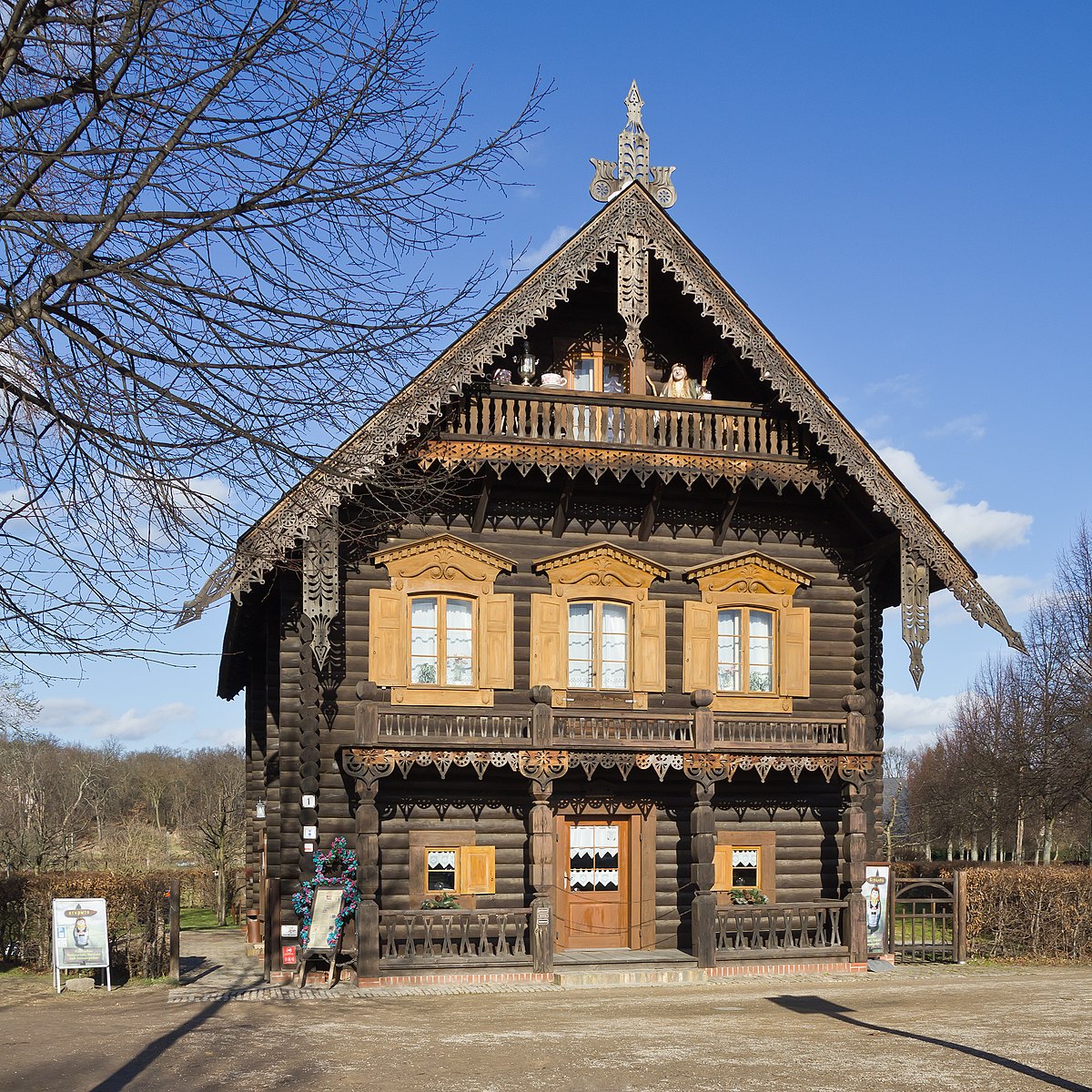
Located in the picturesque city of Potsdam, Germany, Alexandrowka is an intriguing architectural ensemble that reflects a unique blend of Russian and …

Alte Burg Penzlin
📍 Brandenburg, Germany
Alte Burg Penzlin, a captivating castle located in the quaint town of Penzlin, Germany, serves as a remarkable example of medieval architecture and …

Alte Dorfkirche Röxe
📍 Brandenburg, Germany
The Alte Dorfkirche Röxe stands as a poignant symbol of architectural and cultural history in the Stendal region of Germany. This church building, …
More Museums

Abbey and Altenmünster of Lorsch
📍 Baden-Württemberg, Germany
The Abbey and Altenmünster of Lorsch is a UNESCO World Heritage site located in the charming town of Lorsch, Germany. This significant cultural …
Abenteuermuseum
📍 Rhineland-Palatinate, Germany
The Abenteuermuseum, located in Germany, invites visitors to explore the wonders of adventure through its unique exhibits and engaging experiences. …

Abwasser- und Sielmuseum
📍 Hamburg, Germany
The Abwasser- und Sielmuseum, located in the heart of Hamburg-Mitte, offers a unique glimpse into the city’s historical infrastructure concerning …

Academy of Arts, Berlin
📍 Berlin, Germany
The Academy of Arts in Berlin is not just a museum; it is a prominent national institution dedicated to the advancement of the arts in Germany. …

Ackerbürgermuseum Haus Leck
📍 Hesse, Germany
Ackerbürgermuseum Haus Leck is a culturally significant museum located in Germany’s Grebenstein region, dedicated to preserving and showcasing the …

Active Museum Spiegelgasse
📍 Hesse, Germany
Active Museum Spiegelgasse is a vital institution dedicated to preserving and exploring the German-Jewish history of Wiesbaden, Germany. Located in …