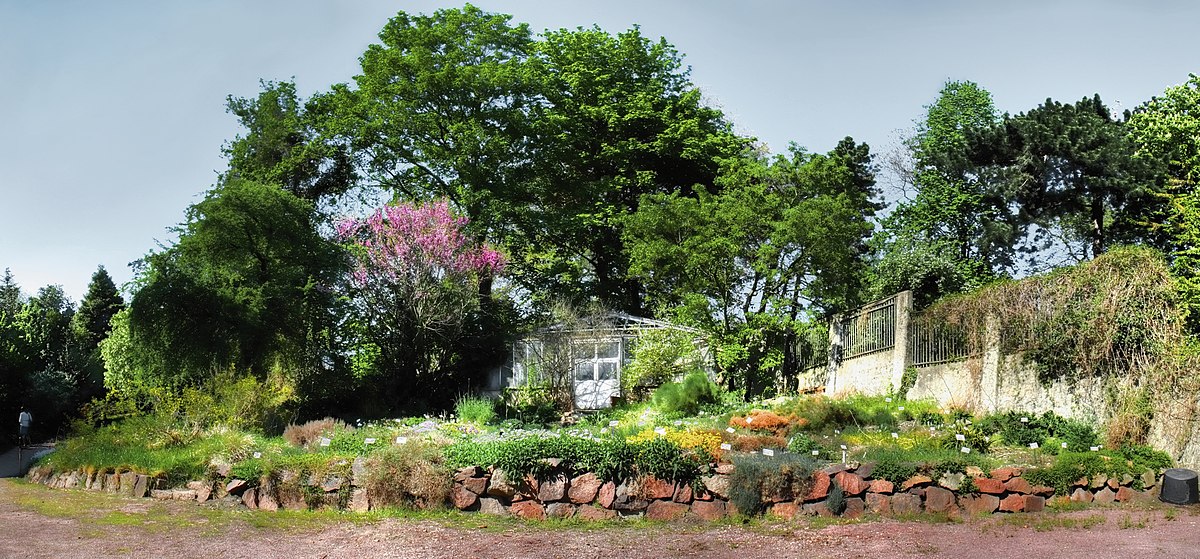
Botanischer Garten der Martin-Luther-Universität Halle-Wittenberg
Overview
The Botanischer Garten der Martin-Luther-Universität Halle-Wittenberg, located in the historic city of Halle (Saale), Germany, serves as a vibrant sanctuary for plant enthusiasts and casual visitors alike. Established to support the academic endeavors of the university, this botanical garden also plays a crucial role in conservation, education, and research. With an impressive collection of flora spanning various climates and ecosystems, the garden is not only a hub for scientific inquiry but also an inviting space for reflection and relaxation amidst nature.
Situated within the picturesque surroundings of Halle, the garden’s location offers a unique opportunity to explore the natural beauty of the region while learning about the diverse plant life from around the globe. Each corner of the garden holds the potential for discovery, from exotic species to native plants, making it a significant space for both local residents and international visitors.
As you wander through the well-maintained paths, you can expect to encounter various themed sections that highlight different ecological zones and plant families. The garden’s commitment to research and education ensures that it remains a dynamic environment, continually evolving to meet the needs of the community and the broader scientific world. Whether you are a botanist, a student, or simply someone seeking a peaceful retreat, the Botanischer Garten der Martin-Luther-Universität Halle-Wittenberg promises an enriching experience.
History and Significance
The Botanischer Garten der Martin-Luther-Universität Halle-Wittenberg holds an important place in the academic and cultural landscape of Halle. As part of the Martin Luther University, which has a long-standing tradition of scholarship, the garden was established to provide a living laboratory for botanical studies. This integration of education and nature reflects the university’s commitment to fostering a deep understanding of the natural world.
Throughout its history, the garden has contributed significantly to the field of botany, serving as a resource for researchers and students alike. The diverse plant collection not only aids in the academic pursuit of knowledge but also plays a vital role in conservation efforts. By showcasing a variety of plant species, the garden raises awareness about biodiversity and the importance of preserving various ecosystems.
Moreover, the garden serves as a community resource, hosting events and educational programs aimed at promoting environmental awareness. This outreach extends the garden’s significance beyond academic circles, making it a place where the public can engage with science and nature. The blend of educational initiatives and community involvement underscores the garden’s role as a cultural landmark within Halle.
While specific historical milestones are not detailed, the garden’s ongoing evolution reflects its adaptability and relevance in contemporary discussions about environmental sustainability and conservation. As global challenges such as climate change and habitat loss loom large, the Botanischer Garten der Martin-Luther-Universität Halle-Wittenberg stands as an essential venue for learning and advocacy.
Architecture and Features
The architecture of the Botanischer Garten der Martin-Luther-Universität Halle-Wittenberg complements its botanical collections, creating an environment that is both functional and aesthetically pleasing. The garden is designed with an array of pathways that meander through various sections, allowing visitors to experience different plant families and ecological zones.
One of the standout features of the garden is its diverse array of plant species, which are meticulously organized into themed areas. These areas often reflect specific geographic regions or plant types, providing insight into the adaptation and growth patterns of various species. Visitors can expect to see well-maintained beds of flowering plants, shrubs, and trees, each labeled for educational purposes.
In addition to the outdoor plant displays, the garden may also include greenhouses or conservatories that house tropical and subtropical plants, providing a controlled environment for species that thrive in warmer climates. These structures not only enhance the garden’s offerings but also serve as critical spaces for research and plant propagation.
Natural elements such as ponds, water features, and seating areas add to the tranquil ambiance of the garden, inviting visitors to pause and enjoy the surroundings. The thoughtful integration of these features creates a harmonious balance between the built environment and the natural landscape, contributing to the overall experience of the garden.
While specific architectural styles or structures are not detailed, the emphasis on functionality and educational value is evident throughout the garden’s design. The layout promotes exploration and discovery, encouraging visitors to immerse themselves in the beauty and complexity of the plant kingdom.
Visiting Information
Visiting the Botanischer Garten der Martin-Luther-Universität Halle-Wittenberg offers an opportunity to engage with nature while exploring the rich biodiversity of the plant world. To make the most of your visit, consider the following aspects of planning your trip.
Transportation options to the garden are generally accessible, with public transport likely available from various parts of Halle. Depending on your starting point, check local transit schedules for the most convenient routes. Walking or cycling may also be pleasant options, given the garden’s serene environment.
As hours of operation and ticket prices can vary, it is advisable to check the official website for current information before your visit. This will ensure you have the most accurate details regarding entry fees, opening hours, and any special events that may be taking place during your time there.
Visitors can expect to spend a leisurely few hours exploring the garden’s features. The layout encourages a relaxed pace, allowing for ample time to appreciate the plant collections and the peaceful surroundings. Depending on the season, the garden may offer different visual delights, making repeat visits rewarding.
The best times to visit are typically during the spring and summer months when the plants are in full bloom, showcasing vibrant colors and captivating scents. However, each season brings its own unique charm, so consider visiting at different times of the year to experience the garden’s seasonal transformations.
Nearby Attractions
While visiting the Botanischer Garten der Martin-Luther-Universität Halle-Wittenberg, you may want to explore other attractions in the vicinity to enrich your experience of Halle. Here are a few notable nearby places:
Halle Cathedral (Marktkirche Unserer Lieben Frau): This impressive Gothic cathedral is a short distance from the garden. Its stunning architecture and historical significance make it a must-see.
The State Museum of Prehistory: Just a short journey away, this museum showcases artifacts from the region’s prehistoric past, providing a fascinating glimpse into the area’s history.
Giebichenstein Castle: Overlooking the Saale River, this castle offers beautiful views and a chance to learn about the region’s medieval history. The surrounding park is also a pleasant place to explore.
Market Square (Marktplatz): The bustling heart of Halle, the market square is home to vibrant shops, cafes, and historic buildings, making it a lively spot to experience local culture.
Moritzburg Art Museum: For those interested in the arts, this museum features a diverse collection of art spanning various periods, located in a beautifully restored historic building.
Insider Tips
To enhance your visit to the Botanischer Garten der Martin-Luther-Universität Halle-Wittenberg, consider the following insider tips:
Photography: The garden provides many opportunities for photography. Early morning or late afternoon light can create stunning images of the plant life. Be mindful of signage and respect any guidelines regarding photography.
Crowd Avoidance: Weekdays are generally less crowded than weekends. If you prefer a quieter experience, plan your visit during off-peak hours.
Practical Information
When preparing for your visit to the Botanischer Garten der Martin-Luther-Universität Halle-Wittenberg, consider the following practical aspects to ensure a comfortable experience:
What to Bring: Bring along a water bottle to stay hydrated, especially during warmer months. Comfortable walking shoes are recommended, as you may spend considerable time on your feet exploring the garden’s pathways.
Seasonal Considerations: Depending on the time of year, dress in layers to accommodate fluctuating temperatures. Spring and summer visits may require sun protection, while fall and winter months could necessitate warmer clothing.
Frequently Asked Questions
How long should I spend visiting?
A visit to the garden typically takes around 2-3 hours, depending on your interest in the plant collections and the pace at which you explore.
Is photography allowed?
Yes, photography is generally permitted throughout the garden. However, be respectful of any specific guidelines or restrictions.
Are there guided tours?
Check the official website for current information regarding guided tours and any scheduled educational programs that may be available.
What’s the best time to visit?
Spring and summer are ideal for witnessing the garden in full bloom, but each season offers its own unique beauty.
Is it wheelchair accessible?
The garden is designed to accommodate all visitors, including those with mobility challenges. Check the official website for specific accessibility information.
Can I buy tickets online?
For details about ticket purchasing options, including online availability, visit the official website.
Are there restrooms and cafes?
Check the official website for information regarding amenities such as restrooms and on-site dining options.
What should I wear?
Comfortable clothing and sturdy shoes are recommended, along with seasonal attire to ensure your comfort throughout your visit.
More in Brandenburg
Agnetenkloster
📍 Brandenburg, Germany
Agnetenkloster, a former monastery located in the heart of Magdeburg, Germany, invites visitors to explore its serene ambiance and historical …

Agroneum
📍 Brandenburg, Germany
Agroneum is a museum located in the serene landscape of Alt Schwerin, Germany. This establishment serves as a vibrant hub for those interested in the …

Alexander Nevsky Memorial Church
📍 Brandenburg, Germany
The Alexander Nevsky Memorial Church in Potsdam, Germany, offers visitors a unique glimpse into the city’s cultural and religious heritage. This …
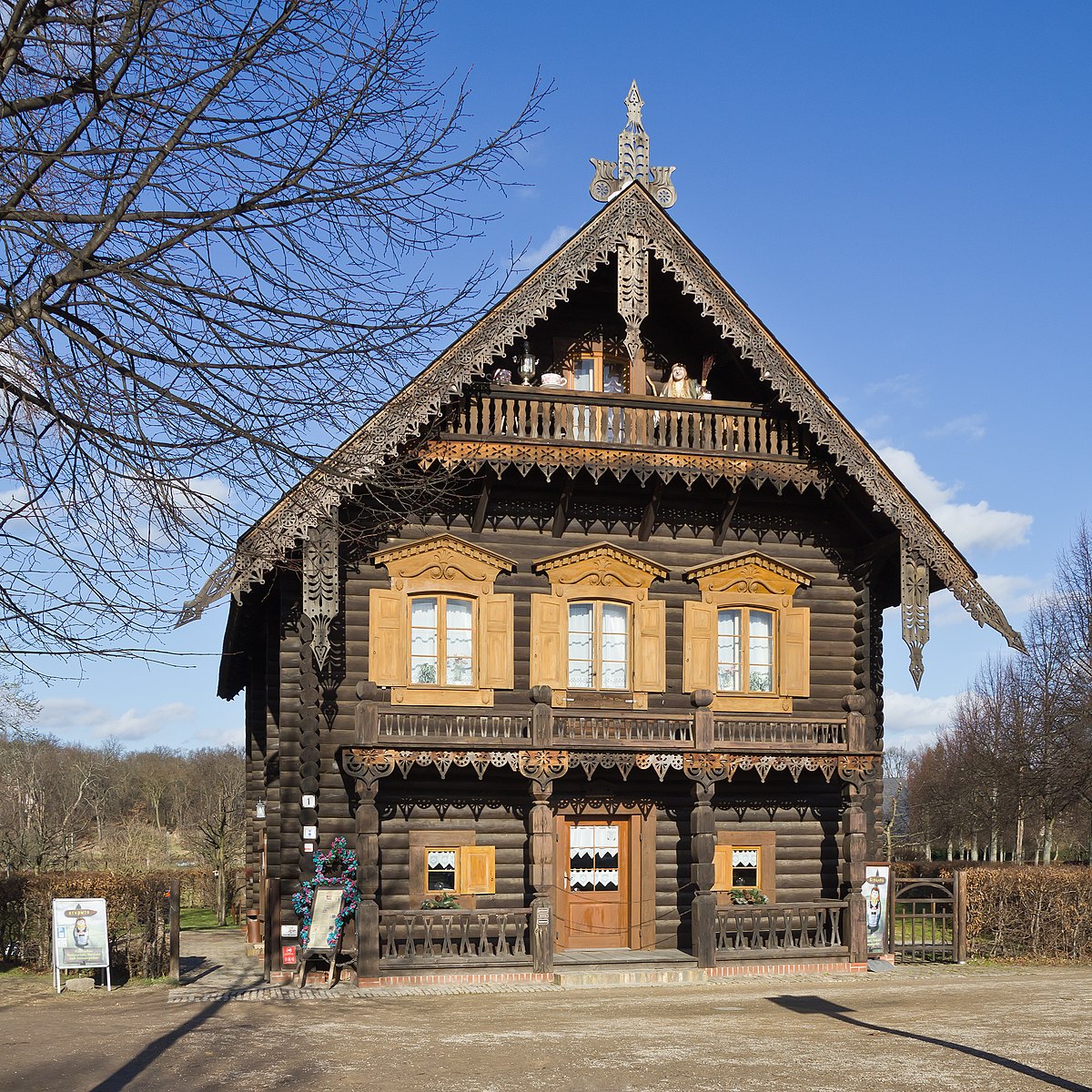
Alexandrowka
📍 Brandenburg, Germany
Located in the picturesque city of Potsdam, Germany, Alexandrowka is an intriguing architectural ensemble that reflects a unique blend of Russian and …

Alte Burg Penzlin
📍 Brandenburg, Germany
Alte Burg Penzlin, a captivating castle located in the quaint town of Penzlin, Germany, serves as a remarkable example of medieval architecture and …

Alte Dorfkirche Röxe
📍 Brandenburg, Germany
The Alte Dorfkirche Röxe stands as a poignant symbol of architectural and cultural history in the Stendal region of Germany. This church building, …
More Botanical Gardens

Alter Botanischer Garten
📍 Bavaria, Germany
The Alter Botanischer Garten, located in the heart of Munich, Germany, is more than just a botanical garden; it is a vibrant oasis that invites …

Arboretum Main-Taunus
📍 Hesse, Germany
In the heart of Hesse, Germany, lies the Arboretum Main-Taunus, a botanical garden that serves as a serene sanctuary for plant enthusiasts and casual …
Arboretum Park Härle
📍 North Rhine-Westphalia, Germany
Arboretum Park Härle is an enchanting botanical garden located in Bonn, Germany, that invites visitors to explore a diverse collection of trees and …

Arktisch-Alpiner-Garten der Walter-Meusel-Stiftung
📍 Saxony, Germany
The Arktisch-Alpiner-Garten der Walter-Meusel-Stiftung is a botanical garden located in Glösa-Draisdorf, Germany, specifically within the city of …

Aromagarten Erlangen
📍 Bavaria, Germany
In the heart of Erlangen, Germany, the Aromagarten Erlangen presents a unique botanical experience centered around the captivating world of fragrant …

Berggarten
📍 Lower Saxony, Germany
Berggarten, a beautiful botanical garden located in Hannover, Germany, invites visitors to explore an impressive collection of plant species from …