
Botanical Garden Potsdam
Overview
The Botanical Garden Potsdam, an integral part of the University of Potsdam situated within the picturesque Sanssouci Park, is a sanctuary of botanical diversity and scientific inquiry. Established to serve as a center for plant research and education, this garden combines the beauty of nature with the rigors of academic study. Visitors can explore an extensive collection of plants from various climates and regions, witnessing firsthand the incredible diversity that the botanical world has to offer. The garden is not only a place of beauty but also plays a vital role in the conservation and understanding of plant species.
Located in the historic city of Potsdam, just outside Berlin, the garden is situated amidst a landscape of historical significance and architectural grandeur. Potsdam itself is known for its stunning palaces and parks, which are recognized as UNESCO World Heritage Sites. The Botanical Garden adds a unique layer to this heritage, representing the intersection of nature and culture. As you wander through its meticulously curated paths, you will uncover the stories of plants that have shaped human history and continue to inspire future generations.
Whether you are a plant enthusiast, a casual visitor, or a student of botany, the Botanical Garden Potsdam promises an enriching experience that highlights the beauty of flora while underscoring its importance in our world.
History and Significance
The origins of the Botanical Garden Potsdam can be traced back to its establishment as part of the University of Potsdam. This academic affiliation underscores its dual purpose: serving as both a public garden and a vital resource for research and education in botany and horticulture. The garden’s significance extends beyond its aesthetic appeal, playing a crucial role in the preservation of plant species and the promotion of botanical science.
Throughout its history, the garden has been a site of scholarly activity, hosting numerous research projects and educational programs aimed at fostering a deeper understanding of plant biology and ecology. The garden’s extensive collection includes species from various climatic zones, providing a living laboratory for students and researchers alike. This diversity not only supports scientific inquiry but also contributes to the conservation of endangered plant species, emphasizing the garden’s role in environmental stewardship.
In addition to its scientific contributions, the Botanical Garden Potsdam is a cultural landmark. It is part of the broader heritage of Sanssouci Park, which encompasses various historical sites, including palaces and landscaped gardens. This connection to a UNESCO World Heritage Site enhances its importance, as it reflects the harmonious relationship between nature and human creativity over the centuries. Visitors to the garden are not just exploring a collection of plants but are engaging with a site that embodies the cultural and intellectual pursuits of its time.
Architecture and Features
The Botanical Garden Potsdam is characterized by its carefully designed landscape and diverse plant collections, which are arranged in thematic sections. The layout of the garden encourages exploration and discovery, with winding paths leading visitors through different areas, each showcasing unique flora from around the world.
A striking feature of the garden is its collection of greenhouses, which house tropical and subtropical plants. These structures provide an ideal environment for species that thrive in warmer climates, allowing visitors to experience a variety of ecosystems in one location. The architectural design of the greenhouses reflects a blend of functionality and aesthetics, creating spaces that are both practical for plant care and visually appealing for guests.
In addition to the greenhouses, the garden is home to a variety of outdoor plant displays, including herbaceous borders, rock gardens, and water features. Each section of the garden is designed to highlight specific plant families or ecological themes, providing insight into the relationships between different species and their environments. Informational signage throughout the garden enhances the educational experience, offering visitors details about the plants and their significance.
The overall atmosphere of the Botanical Garden Potsdam is one of tranquility and contemplation, making it a perfect setting for leisurely strolls, reflection, and learning. The garden’s design not only showcases the beauty of plants but also invites visitors to consider the ecological and cultural narratives that they embody.
Visiting Information
Accessing the Botanical Garden Potsdam is convenient, given its location within Sanssouci Park. Visitors can reach the garden by public transportation, including buses and trams that connect to central Potsdam and Berlin. Parking is available nearby for those who prefer to drive.
When planning a visit, it is advisable to check the official website for current information regarding opening hours and admission prices, as these can vary throughout the year. The garden encourages visitors to allocate sufficient time to fully enjoy the diverse plant collections and the peaceful environment; a visit typically lasts about two to three hours.
The best times to visit the Botanical Garden are during the spring and summer months when the flora is in full bloom, showcasing vibrant colors and scents. Autumn also offers a unique experience, as the changing foliage presents a beautiful array of colors. However, each season has its own charm, and the garden provides a different experience year-round.
In terms of amenities, the garden is equipped with paths suitable for walking, making it accessible for various visitors. It is recommended to wear comfortable shoes and dress according to the weather, as the garden features both sunny and shaded areas.
Nearby Attractions
The Botanical Garden Potsdam is ideally situated near several other notable attractions, making it easy to explore more of the area’s rich cultural heritage.
Sanssouci Palace: Just a short stroll from the garden, this iconic palace is renowned for its stunning architecture and beautiful gardens, reflecting the grandeur of Prussian royalty.
New Palace (Neues Palais): Located within the Sanssouci Park, this impressive baroque palace showcases opulent interiors and extensive grounds, offering insight into the lifestyle of the Prussian kings.
Orangerie Palace: This elegant structure, also within Sanssouci Park, features beautiful gardens and serves as a venue for art exhibitions and cultural events.
Potsdam City Center: A vibrant area filled with shops, cafes, and historical buildings, perfect for exploring local culture and enjoying a meal after visiting the garden.
Filmpark Babelsberg: For those interested in film and media, this nearby attraction offers behind-the-scenes insights into movie production, along with themed shows and experiences.
Insider Tips
To make the most of your visit to the Botanical Garden Potsdam, consider timing your arrival to avoid the peak crowds, particularly on weekends and holidays. Visiting early in the morning or later in the afternoon can provide a more tranquil experience, allowing you to fully appreciate the beauty of the surroundings.
Photography enthusiasts will find ample opportunities to capture the stunning flora and unique landscapes throughout the garden. Early morning light or late afternoon golden hour can create beautiful images, particularly in the spring and summer months when the plants are in bloom. Be mindful of any signage regarding photography restrictions in specific areas, as some sections may have guidelines to protect the plant collections.
Practical Information
Before heading to the Botanical Garden Potsdam, it is helpful to be prepared with a few essentials. Comfortable walking shoes are a must, as the garden features a variety of paths and surfaces. Depending on the time of year, consider bringing layers to accommodate changing temperatures, particularly in spring and autumn.
Seasonal considerations are important to keep in mind. Spring is a particularly lovely time to visit, as flowers begin to bloom, creating a vibrant display. Summer offers lush greenery and full flower beds, while autumn presents a stunning array of fall colors. Winter, while quieter, can also be a peaceful time to enjoy the garden’s structure and design without the foliage.
Restrooms and refreshment options may be available on-site, but it is always advisable to check the latest updates on the official website for specific amenities.
Frequently Asked Questions
How long should I spend visiting?
A visit typically lasts between two to three hours, allowing ample time to explore the various plant collections and enjoy the peaceful surroundings.
Is photography allowed?
Yes, photography is generally allowed throughout the garden, but be sure to check for any specific restrictions in certain areas.
Are there guided tours?
Guided tours may be available; check the official website for details on any scheduled tours or educational programs.
What’s the best time to visit?
Spring and summer are ideal for enjoying the vibrant blooms, while autumn offers beautiful foliage. Each season presents its unique charm.
Is it wheelchair accessible?
The garden is designed with accessibility in mind, with pathways suitable for wheelchairs and strollers.
Can I buy tickets online?
Check the official website for current information on ticket purchasing options, including any online availability.
Are there restrooms and cafes?
Restroom facilities are typically available; check the official website for details on refreshment options within the garden.
What should I wear?
Wear comfortable, weather-appropriate clothing and sturdy walking shoes to ensure a pleasant experience as you explore the garden.
More in Brandenburg
Agnetenkloster
📍 Brandenburg, Germany
Agnetenkloster, a former monastery located in the heart of Magdeburg, Germany, invites visitors to explore its serene ambiance and historical …

Agroneum
📍 Brandenburg, Germany
Agroneum is a museum located in the serene landscape of Alt Schwerin, Germany. This establishment serves as a vibrant hub for those interested in the …

Alexander Nevsky Memorial Church
📍 Brandenburg, Germany
The Alexander Nevsky Memorial Church in Potsdam, Germany, offers visitors a unique glimpse into the city’s cultural and religious heritage. This …
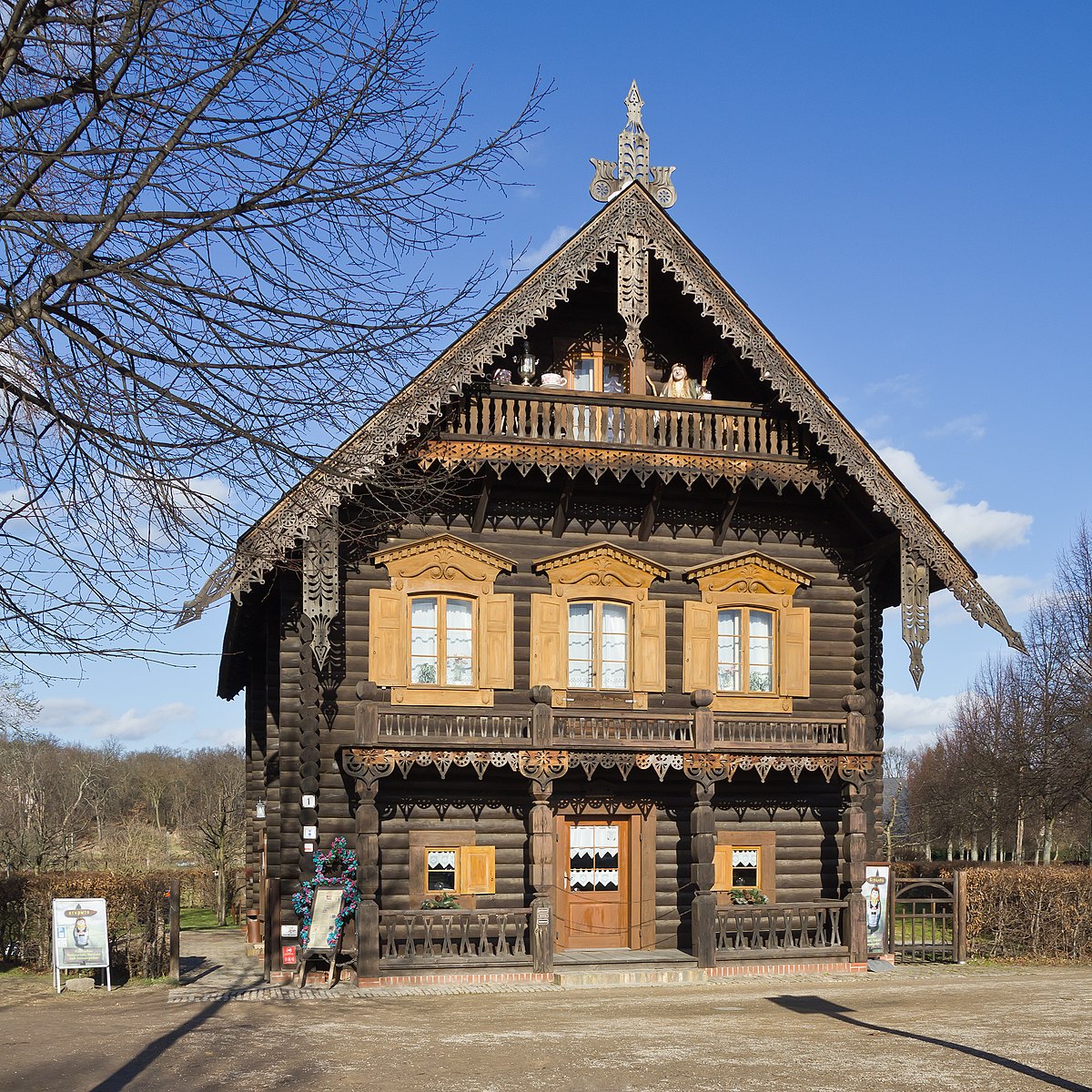
Alexandrowka
📍 Brandenburg, Germany
Located in the picturesque city of Potsdam, Germany, Alexandrowka is an intriguing architectural ensemble that reflects a unique blend of Russian and …

Alte Burg Penzlin
📍 Brandenburg, Germany
Alte Burg Penzlin, a captivating castle located in the quaint town of Penzlin, Germany, serves as a remarkable example of medieval architecture and …

Alte Dorfkirche Röxe
📍 Brandenburg, Germany
The Alte Dorfkirche Röxe stands as a poignant symbol of architectural and cultural history in the Stendal region of Germany. This church building, …
More Botanical Gardens

Alter Botanischer Garten
📍 Bavaria, Germany
The Alter Botanischer Garten, located in the heart of Munich, Germany, is more than just a botanical garden; it is a vibrant oasis that invites …

Arboretum Main-Taunus
📍 Hesse, Germany
In the heart of Hesse, Germany, lies the Arboretum Main-Taunus, a botanical garden that serves as a serene sanctuary for plant enthusiasts and casual …
Arboretum Park Härle
📍 North Rhine-Westphalia, Germany
Arboretum Park Härle is an enchanting botanical garden located in Bonn, Germany, that invites visitors to explore a diverse collection of trees and …

Arktisch-Alpiner-Garten der Walter-Meusel-Stiftung
📍 Saxony, Germany
The Arktisch-Alpiner-Garten der Walter-Meusel-Stiftung is a botanical garden located in Glösa-Draisdorf, Germany, specifically within the city of …

Aromagarten Erlangen
📍 Bavaria, Germany
In the heart of Erlangen, Germany, the Aromagarten Erlangen presents a unique botanical experience centered around the captivating world of fragrant …

Berggarten
📍 Lower Saxony, Germany
Berggarten, a beautiful botanical garden located in Hannover, Germany, invites visitors to explore an impressive collection of plant species from …