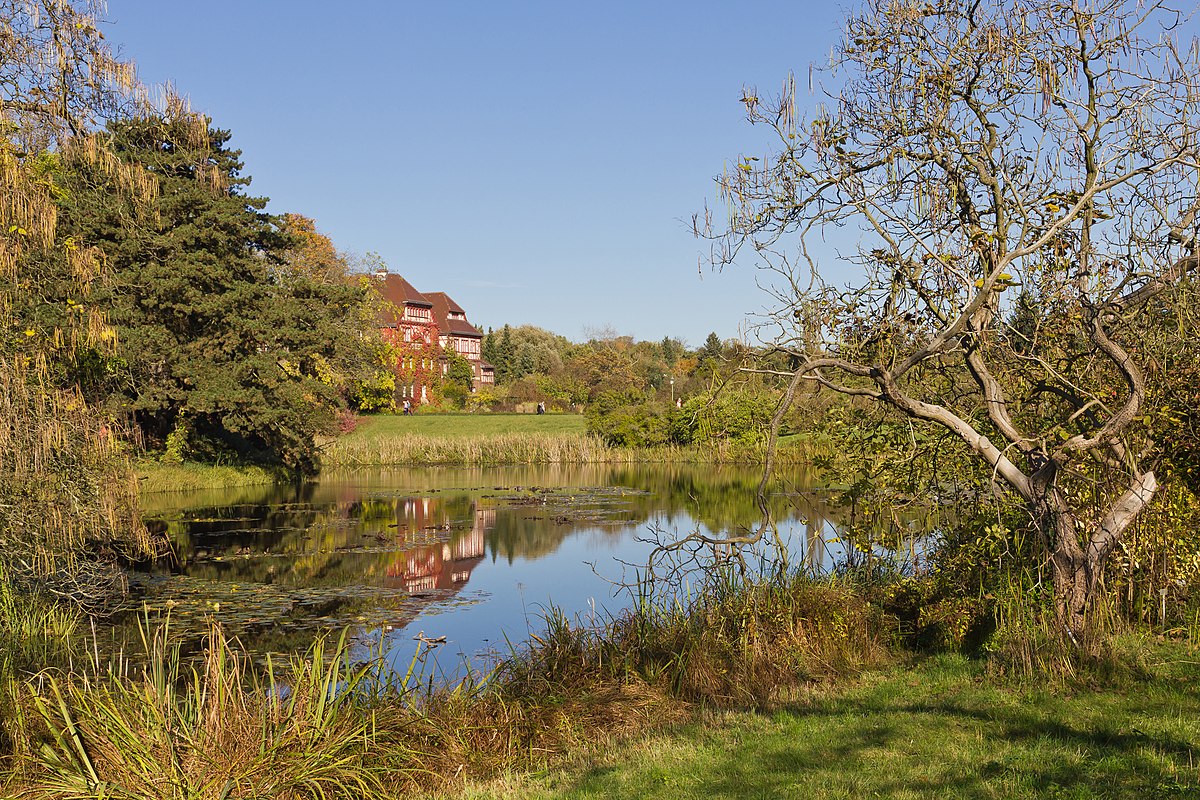
Botanic Garden and Botanical Museum Berlin
Overview
The Botanic Garden and Botanical Museum Berlin is a lush sanctuary that invites visitors to explore the diversity of plant life from around the world. Located in the Steglitz-Zehlendorf district of Berlin, this botanical garden not only serves as a haven for nature enthusiasts but also as a vital resource for scientific research and education. With its expansive collection of plants, including tropical and subtropical species, this garden offers a unique glimpse into the complexity and beauty of the plant kingdom.
Established to further the understanding of botanical sciences, the garden is a significant cultural and educational institution in Germany. It serves as a living laboratory for researchers and students alike, reflecting the importance of plant conservation and biodiversity. Visitors can expect to encounter a variety of ecosystems, showcasing plants from different climatic regions and geographical areas. The garden’s commitment to education and conservation makes it a key player in fostering a deeper appreciation of nature and sustainability.
Whether you are a casual visitor looking to enjoy a serene walk among the flora or a dedicated botanist eager to delve into plant sciences, the Botanic Garden and Botanical Museum Berlin promises an enriching experience. Its tranquil pathways, diverse collections, and commitment to education invite exploration and discovery at every turn.
History and Significance
The Botanic Garden in Berlin has a storied past, evolving into one of the most important botanical institutions in the world. Established with the aim of promoting botanical research and education, the garden’s significance extends beyond mere aesthetics. It has played a pivotal role in the study of plant sciences and the conservation of plant diversity.
Throughout its history, the garden has served as a vital resource for scholars and researchers, providing a living collection that supports various scientific endeavors. The integration of the Botanical Museum allows for a comprehensive approach to understanding plants, from their biological properties to their ecological roles. This combination of garden and museum underscores the importance of plant life in our world and emphasizes the need for ongoing conservation efforts.
Culturally, the Botanic Garden has been a gathering place for those interested in botany, horticulture, and environmental sciences. It has hosted numerous educational programs, workshops, and events that promote awareness about the significance of plants in our ecosystem. The garden’s dedication to research and education continues to inspire future generations of botanists and conservationists.
Architecture and Features
The landscape of the Botanic Garden and Botanical Museum Berlin is a carefully curated blend of natural beauty and designed spaces. The garden features a diverse array of plant collections, each housed in specific sections that reflect global biodiversity. Visitors will find themed areas dedicated to various plant types, including tropical, desert, and medicinal plants.
One of the notable architectural features is the impressive glasshouses that encompass a range of climatic conditions, enabling the cultivation of exotic species. These structures not only provide an environment conducive to plant growth but also allow visitors to experience different ecosystems under one roof. The large tropical house, for instance, is a highlight, showcasing vibrant flora in a lush, humid atmosphere.
In addition to the plant collections, the Botanical Museum adds an educational dimension to the visit. It houses an array of botanical exhibits, including preserved specimens, informative displays, and interactive installations that enhance the visitor’s understanding of plant science. The fusion of outdoor and indoor experiences creates an engaging environment for exploration and learning.
Visiting Information
Visiting the Botanic Garden and Botanical Museum Berlin offers a refreshing escape from the urban environment. The garden is well-connected by public transportation, making it easily accessible for both locals and tourists. Check the official website for current information regarding opening hours and ticket prices to ensure a smooth visit.
When planning your visit, it is advisable to allocate a few hours to fully appreciate the extensive collections and exhibits. The garden is best enjoyed at a leisurely pace, allowing time for exploration and reflection. Seasonal considerations may also enhance your experience, as different plants bloom at various times of the year.
For those keen on photography, the garden provides ample opportunities to capture the beauty of nature. Early mornings or late afternoons are ideal for avoiding crowds and enjoying softer lighting for your photos.
Nearby Attractions
While the Botanic Garden and Botanical Museum Berlin is a destination in itself, there are several nearby attractions worth exploring:
Allied Museum: This museum showcases the history of the Western Allies in Berlin during the Cold War, providing insight into a pivotal period in the city’s history.
Schlosspark Charlottenburg: A short distance away, this expansive park surrounds the Charlottenburg Palace, offering stunning gardens and historical architecture.
Kleinmachnow Lake: A tranquil lake located to the south of the garden, perfect for a peaceful afternoon of walking or picnicking.
Grunewald Forest: This large forested area offers hiking trails and natural beauty, ideal for those looking to escape into nature.
Berlin Botanical Museum: Adjacent to the garden, the museum provides additional educational resources and exhibitions focused on botanical sciences.
Insider Tips
To make the most of your visit to the Botanic Garden and Botanical Museum Berlin, consider the following insider tips:
Photography: Early mornings or late afternoons are the best times for photography, as the light is softer and the garden is less crowded. Don’t forget to capture the unique glasshouses and diverse plant collections.
Crowd Avoidance: Visiting on weekdays, particularly during the morning, can help you avoid larger crowds. Weekend visits may be busier, especially during peak tourist seasons.
Guided Tours: Check for any guided tour options that may provide deeper insights into the garden’s collections and history.
Practical Information
When preparing for your visit to the Botanic Garden and Botanical Museum Berlin, keep the following practical considerations in mind:
What to Bring: Comfortable walking shoes are essential, as you will want to explore the various paths and exhibits. A water bottle and a light snack can enhance your experience, especially on warmer days.
Seasonal Considerations: The garden changes with the seasons, offering different displays of flora throughout the year. Spring and summer are particularly vibrant, while autumn showcases stunning foliage.
Accessibility: The garden aims to be accessible for all visitors. Check the official website for specific accessibility information to ensure a comfortable visit.
Frequently Asked Questions
How long should I spend visiting?
A visit typically lasts around 2 to 4 hours, allowing ample time to explore the gardens and museum exhibits.
Is photography allowed?
Yes, photography is generally allowed, but be respectful of other visitors and the plants.
Are there guided tours?
Check the official website for information on available guided tours that may enhance your experience.
What’s the best time to visit?
Early mornings or late afternoons are ideal for fewer crowds and better lighting for photography.
Is it wheelchair accessible?
The garden strives to be accessible, but verify specific accessibility features on the official website before your visit.
Can I buy tickets online?
Check the official website for current ticketing options, including online purchases.
Are there restrooms and cafes?
Facilities, including restrooms and dining options, are available within the garden. Confirm details on the official website.
What should I wear?
Dress comfortably and according to the weather, as you will be walking outdoors. Comfortable shoes are recommended.
This guide offers a comprehensive overview of the Botanic Garden and Botanical Museum Berlin, ensuring visitors are well-prepared to enjoy their experience. For the latest information and updates, always refer to the official website before planning your visit.
More in Berlin

144., 176. und 184. Gemeindeschule
📍 Berlin, Germany
The 144., 176. und 184. Gemeindeschule, an architectural ensemble located in the vibrant city of Berlin, stands as a noteworthy example of educational …

Academy of Arts (Hanseatenweg)
📍 Berlin, Germany
The Academy of Arts (Hanseatenweg) stands as an emblem of Berlin’s vibrant cultural landscape, located in the historic Hansaviertel district. Renowned …

Academy of Arts, Berlin
📍 Berlin, Germany
The Academy of Arts in Berlin is not just a museum; it is a prominent national institution dedicated to the advancement of the arts in Germany. …

Academy of the Konrad-Adenauer-Stiftung
📍 Berlin, Germany
The Academy of the Konrad-Adenauer-Stiftung, located in the heart of Berlin, is not just a foundation but a hub of intellectual discourse and …

ACUD
📍 Berlin, Germany
Located in the heart of Berlin’s Bezirk Mitte, ACUD serves as a vibrant cultural center and cinema, showcasing an array of films and events that …

Admiralspalast
📍 Berlin, Germany
Admiralspalast is a prominent theatre and event venue located in the heart of Berlin, Germany. This architectural gem serves as a cultural hub, …
More Botanical Gardens

Alter Botanischer Garten
📍 Bavaria, Germany
The Alter Botanischer Garten, located in the heart of Munich, Germany, is more than just a botanical garden; it is a vibrant oasis that invites …

Arboretum Main-Taunus
📍 Hesse, Germany
In the heart of Hesse, Germany, lies the Arboretum Main-Taunus, a botanical garden that serves as a serene sanctuary for plant enthusiasts and casual …
Arboretum Park Härle
📍 North Rhine-Westphalia, Germany
Arboretum Park Härle is an enchanting botanical garden located in Bonn, Germany, that invites visitors to explore a diverse collection of trees and …

Arktisch-Alpiner-Garten der Walter-Meusel-Stiftung
📍 Saxony, Germany
The Arktisch-Alpiner-Garten der Walter-Meusel-Stiftung is a botanical garden located in Glösa-Draisdorf, Germany, specifically within the city of …

Aromagarten Erlangen
📍 Bavaria, Germany
In the heart of Erlangen, Germany, the Aromagarten Erlangen presents a unique botanical experience centered around the captivating world of fragrant …

Berggarten
📍 Lower Saxony, Germany
Berggarten, a beautiful botanical garden located in Hannover, Germany, invites visitors to explore an impressive collection of plant species from …