
borders of the Roman Empire
Overview
The borders of the Roman Empire mark an extraordinary architectural ensemble that encapsulates the might and planning of one of history’s most influential civilizations. Spanning across Germany and the United Kingdom, this UNESCO World Heritage site offers a glimpse into the strategic military and administrative endeavors of the Romans. The limes, or frontiers, of the Roman Empire were not merely defensive walls; they were vibrant zones of interaction between cultures, showcasing the complexity of Roman governance and engineering.
This heritage site invites visitors to explore the remnants of fortifications, watchtowers, and settlements that once formed a protective barrier against external threats. Travelers will find themselves walking the same paths as Roman legions, experiencing the vastness of the Empire while standing at the very edge of its reach. The borders of the Roman Empire serve as a powerful reminder of the empire’s historical significance and its enduring legacy in Europe.
History and Significance
The concept of the limes emerged as the Romans sought to manage and protect their sprawling territories. These borders were not static; they evolved in response to military needs, political changes, and cultural exchanges. The limes in Germany and the UK are particularly noteworthy examples of this complex system, reflecting the Roman approach to frontier management.
Culturally, the borders of the Roman Empire were zones of interaction where the Roman way of life blended with local customs. The presence of Roman troops encouraged trade and cultural exchange, leading to the spread of Roman architecture, language, and economic practices. It is believed that the limes facilitated the incorporation of various tribes into the Roman socio-economic system, allowing for a unique fusion of cultures.
As a significant military architecture, the limes included forts, watchtowers, and settlements that played a crucial role in the administration of the provinces. These structures were strategically placed to monitor and control movement across the borders, reflecting Roman engineering prowess. The limes were also crucial in asserting Roman dominance, providing a physical representation of imperial power.
Today, the borders of the Roman Empire stand as a symbol of the profound impact that the Romans had on Europe. They remain a vital link to understanding the complexities of ancient military strategies, cultural integration, and the enduring influence of the Roman Empire on subsequent European history.
Architecture and Features
The architecture of the borders of the Roman Empire is characterized by its robust structures and strategic layout. The fortifications were built using local materials, showcasing Roman engineering techniques adapted to the environment. Wall segments, towers, and gates are among the key features that remain today.
Notable structures include the remnants of stone walls that delineated the empire’s boundaries, as well as watchtowers that offered vantage points for monitoring the surrounding areas. These towers were critical for communication and defense, equipped to send signals to nearby forts in case of an incursion.
The settlements along the limes were designed to support the military presence and included barracks, administrative buildings, and civilian homes. The architectural style reflects the Roman influence, with layouts that facilitated both military and civilian life. In some areas, you can observe remnants of Roman road systems that connected various forts, enhancing mobility and trade across the region.
Visitors will appreciate not only the scale of these structures but also the ingenuity behind their construction. Each element was meticulously planned to serve specific military and logistical functions, illustrating the comprehensive approach the Romans took to secure their frontiers.
Visiting Information
Visiting the borders of the Roman Empire is a rewarding experience for history enthusiasts and casual travelers alike. The site spans various locations in Germany and the UK, each offering distinct insights into Roman military architecture.
To reach the sites, public transport options are available, but renting a car may provide more flexibility for exploring the different sections of the limes. Visitor centers in key locations often provide exhibits and information to enhance your understanding of the site.
Check the official website for current information regarding hours of operation and admission prices, as these can vary by location. Expect to spend several hours at each site to fully appreciate the historical context and explore the physical remains.
The best times to visit are during the spring and fall when the weather is mild, and the crowds are smaller compared to the peak summer tourist season.
Nearby Attractions
Roman Museum in Bonn: Just a short drive from various limes locations, this museum showcases a range of artifacts from the Roman period, providing context to the sites you’ll visit.
Archaeological Park Xanten: An extensive reconstruction of a Roman city, this park offers an immersive experience of life during the Roman Empire, featuring buildings, streets, and interactive exhibits.
Hadrian’s Wall: Located in the UK, this UNESCO World Heritage site represents the northern frontier of the Roman Empire and offers stunning landscapes along with rich historical insights.
Cologne Cathedral: A short distance from the limes, this stunning Gothic cathedral is a UNESCO World Heritage site and one of Germany’s most iconic structures.
Mainz: Renowned for its Roman heritage, Mainz features several archaeological sites and museums that highlight the city’s significance during the Roman period.
Insider Tips
When visiting the borders of the Roman Empire, consider timing your visit during weekdays to avoid larger crowds. Early mornings are typically quieter, allowing for a more reflective experience as you explore the ruins.
Photography is encouraged, but it’s wise to be mindful of local guidelines regarding flash and commercial use. Capture the sweeping vistas and intricate details of the architecture, but respect the site’s integrity.
Practical Information
When planning your visit, wear comfortable footwear suitable for walking on uneven terrain. Bringing a water bottle and snacks is advisable, as amenities may be limited at some sites.
Seasonal considerations are important; check the weather forecast before your trip and dress in layers, especially in transitional seasons.
Frequently Asked Questions
How long should I spend visiting?
The time you spend visiting can vary, but plan for at least a few hours at each major site to fully explore the ruins and enjoy the surrounding area.
Is photography allowed?
Yes, photography is generally permitted, but always check for specific site regulations regarding flash photography or commercial use.
Are there guided tours?
Many sites offer guided tours, which can provide deeper insights into the history and significance of the limes.
What’s the best time to visit?
Spring and fall are ideal times for visiting, with milder weather and fewer tourists compared to the summer months.
Is it wheelchair accessible?
Accessibility varies by site. Some locations may have limited access, so it’s best to check in advance.
Can I buy tickets online?
Ticket purchasing options can vary by site. Check the official website for details on online ticket availability.
Are there restrooms and cafes?
Facilities such as restrooms and cafes may be available at larger visitor centers; however, smaller sites may have limited amenities.
What should I wear?
Dress comfortably and according to the weather. Sturdy shoes are recommended for walking on uneven paths and exploring the ruins.
More in Germany

Bauernmuseum Selfkant
📍 Germany
Bauernmuseum Selfkant is an intriguing museum located in the heart of Germany that offers insights into rural life and agricultural practices. This …

Frontiers of the Roman Empire – The Danube Limes (Western Segment)
📍 Germany
The Frontiers of the Roman Empire – The Danube Limes (Western Segment) represents a significant chapter in the annals of Roman history, marking the …

Moravian Church Settlements
📍 Germany
The Moravian Church Settlements represent a unique chapter in the history of religious communities and human settlement patterns, intertwining faith, …

The Architectural Work of Le Corbusier
📍 Germany
The Architectural Work of Le Corbusier is a remarkable collection that spans seven countries, showcasing the innovative genius of one of the 20th …

The Great Spa Towns of Europe
📍 Germany
The Great Spa Towns of Europe represent a unique blend of health, leisure, and architectural beauty, reflecting centuries of cultural and social …
More Architectural Ensembles

144., 176. und 184. Gemeindeschule
📍 Berlin, Germany
The 144., 176. und 184. Gemeindeschule, an architectural ensemble located in the vibrant city of Berlin, stands as a noteworthy example of educational …

Adelheidstraße 3–7, 9–12, 12a, 14, 15, 22–31, Amelungstraße 1, Friedrich-Ebert-Platz
📍 Lower Saxony, Germany
In the heart of Quedlinburg, Germany, lies a captivating architectural ensemble that reflects the town’s historical significance and cultural …

Aegidiimarkt
📍 Lower Saxony, Germany
Aegidiimarkt is a captivating architectural ensemble located in the heart of Münster, Germany. This vibrant square not only serves as a hub for local …
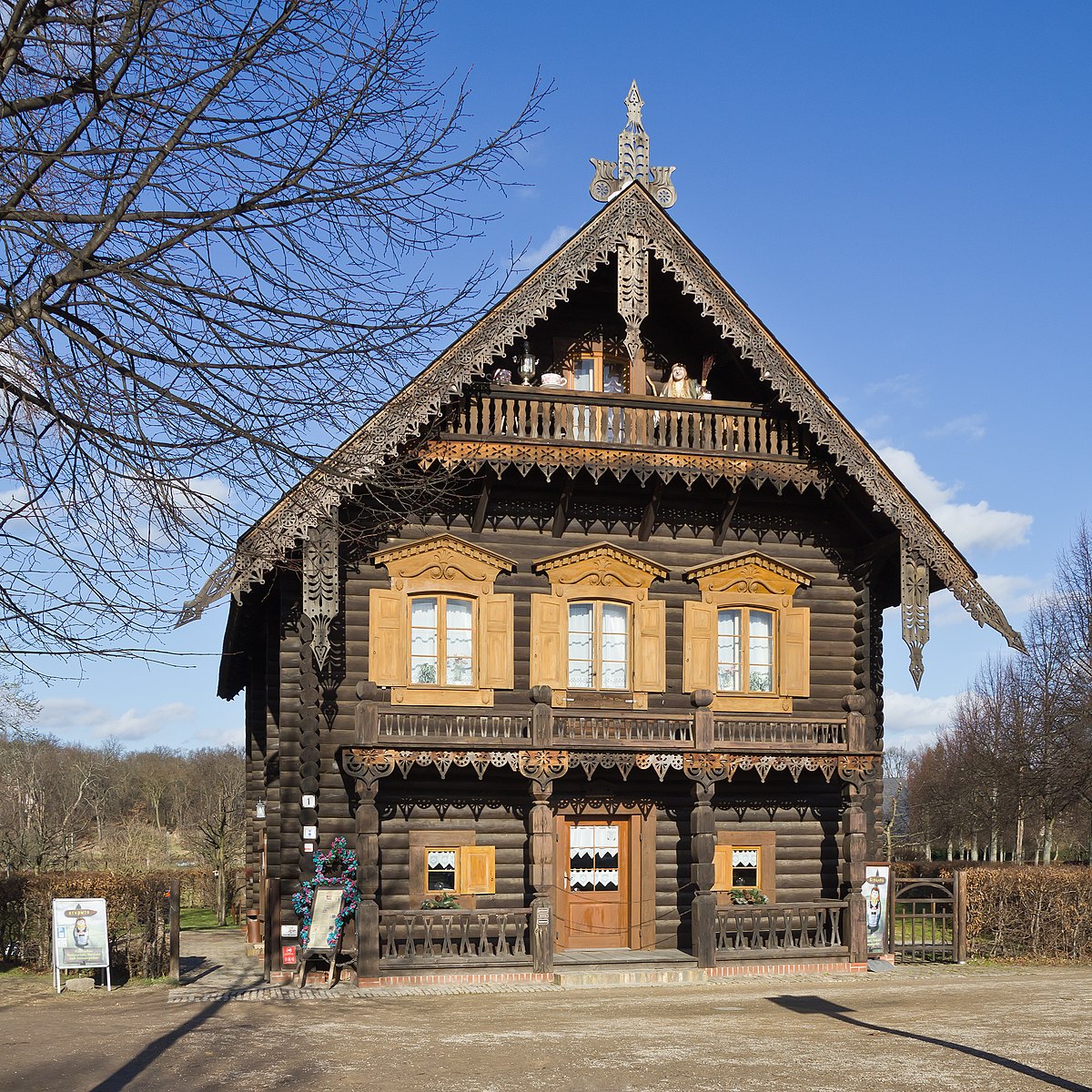
Alexandrowka
📍 Brandenburg, Germany
Located in the picturesque city of Potsdam, Germany, Alexandrowka is an intriguing architectural ensemble that reflects a unique blend of Russian and …

Alhauser Hammer
📍 North Rhine-Westphalia, Germany
Alhauser Hammer is a remarkable architectural ensemble located in Ennepetal, Germany, known for its historical significance as a water-driven hammer …

Alsdorfer Ölmühle
📍 North Rhine-Westphalia, Germany
The Alsdorfer Ölmühle, an architectural ensemble located in the heart of Alsdorf, Germany, is a remarkable example of a traditional watermill that …