Overview
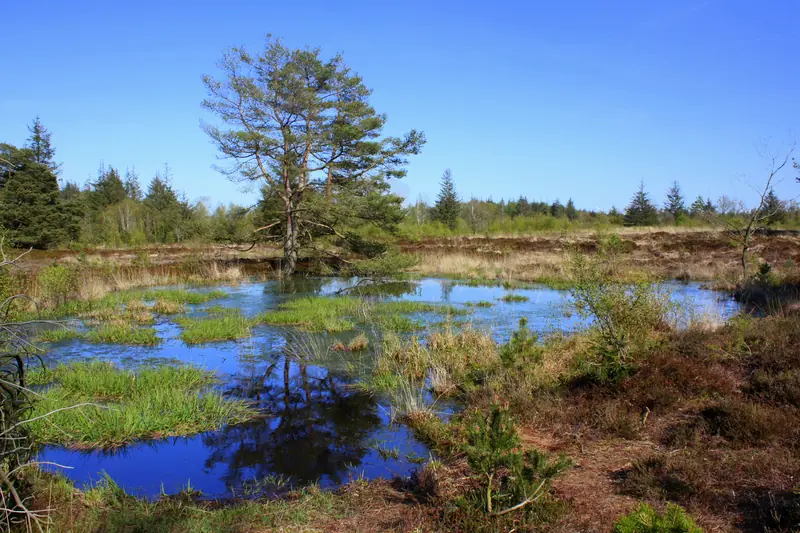
The Bordelumer Heide und Langenhorner Heide nature reserve, located in Schleswig-Holstein, Germany, offers a unique glimpse into a diverse ecosystem that thrives in a blend of heathland, forests, and wetlands. Spanning a significant area, this nature reserve is a sanctuary for various plant and animal species, making it a vital location for biodiversity. The serene landscape is characterized by its rolling heath, picturesque moors, and a variety of habitats that support both native flora and fauna.
Visitors to this area can expect to engage with nature in a setting that is both tranquil and enlightening. The reserve not only serves as a critical space for ecological conservation but also provides ample opportunities for outdoor activities, including walking, birdwatching, and photography. The landscape’s natural beauty and ecological significance make it a noteworthy destination for those interested in experiencing the outdoors in Germany.
History and Significance
While specific historical data about Bordelumer Heide und Langenhorner Heide is not extensively documented, the area has long been recognized for its ecological importance. Historically, heathlands like those found in this reserve have been shaped by centuries of human activity, including grazing, agriculture, and land management practices that have influenced the plant communities and wildlife habitats.
The cultural significance of this region lies in its role as a habitat for various species, some of which may be endangered or rare. The preservation of such areas is crucial for maintaining biodiversity and supporting species that rely on specific habitats for survival. Local conservation efforts aim to protect these ecosystems, ensuring that they remain intact for future generations to appreciate and study.
In recent years, nature reserves like Bordelumer Heide und Langenhorner Heide have gained recognition not only for their environmental value but also for their role in promoting ecological education and awareness. By visiting these areas, individuals can learn about the importance of conservation and the delicate balance required to maintain such diverse ecosystems.
Architecture and Features
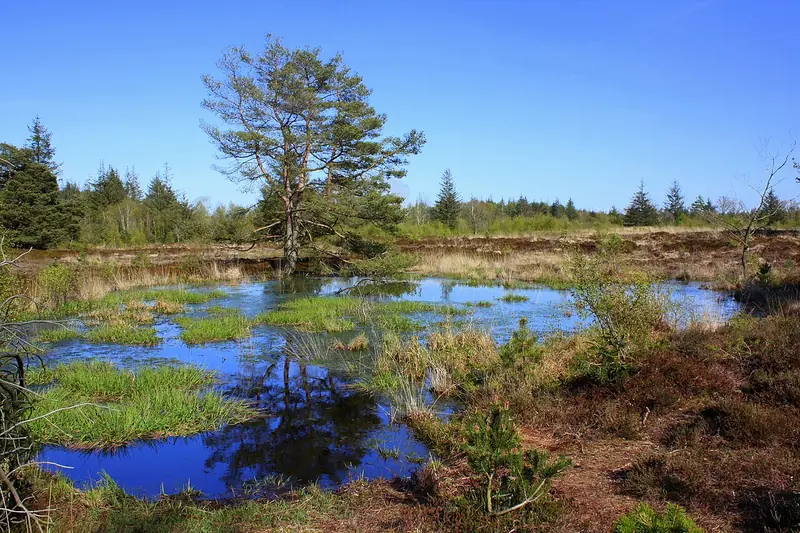
The Bordelumer Heide und Langenhorner Heide nature reserve is marked by its distinct natural architecture, featuring expansive heathlands interspersed with areas of forest and wetland. The landscape is characterized by heather, grasses, and various shrubs that thrive in the sandy soils, creating a rich tapestry of colors and textures throughout the seasons.
One of the notable features of this reserve is its network of pathways, which allow visitors to explore the area while minimizing impact on the delicate ecosystems. These trails are designed to accommodate walkers and nature enthusiasts, providing access to some of the most picturesque spots within the reserve. The varying elevations and natural contours of the land enhance the experience, as visitors can encounter different habitats and the wildlife they support.
The presence of water bodies within the reserve adds another dimension to its ecological diversity. Wetlands serve as crucial breeding and feeding grounds for numerous bird species, and they play a vital role in maintaining the hydrology of the region. Observing the interactions between these habitats and the wildlife that inhabits them offers a profound appreciation for the interconnectedness of nature.
Visiting Information
To reach Bordelumer Heide und Langenhorner Heide, visitors may consider various modes of transport, including personal vehicles or public transportation options available in the region. The reserve is accessible for day trips, and it is advisable to check the official website for current information regarding hours of operation and any potential visitor guidelines.
When planning a visit, it is important to allocate sufficient time to fully appreciate the reserve. A typical visit may last several hours, allowing for leisurely walks along the trails and opportunities for wildlife observation. The best times to visit this nature reserve are during the spring and early summer months when the flora is in full bloom, and wildlife is particularly active.
Visitors can expect a peaceful environment, ideal for reflection and connection with nature. It is recommended to wear comfortable walking shoes and bring along essentials such as water and snacks, especially if planning to hike the trails.
Nearby Attractions
Nebel auf Amrum: A picturesque village located nearby, offering charming architecture and coastal views.
Wyk auf Föhr: Known for its beautiful beaches and vibrant cultural scene, Wyk is a great spot for relaxation and leisure activities.
The Frisian Museum: Situated in the region, this museum provides insights into the culture and history of the Frisian people, enhancing the understanding of local heritage.
Landschaftsschutzgebiet Föhr: This protected area nearby offers additional opportunities for exploring natural landscapes and wildlife.
Süderende: A small locality that showcases traditional Frisian architecture and provides a glimpse into local life.
Insider Tips
For photography enthusiasts, the Bordelumer Heide und Langenhorner Heide offers numerous opportunities to capture the beauty of nature. Early mornings or late afternoons are ideal times for photography, as the light enhances the colors of the heather and surrounding landscapes.
To avoid crowds, consider visiting on weekdays or during off-peak hours. This allows for a more serene experience while exploring the trails. Engaging with the natural surroundings in a quieter setting can lead to more rewarding encounters with wildlife.
Practical Information
When planning a visit to Bordelumer Heide und Langenhorner Heide, it is advisable to bring essentials such as water, snacks, and a first aid kit. Dress appropriately for the weather, keeping in mind that conditions can change quickly in natural settings. Comfortable walking shoes are essential for navigating the trails.
Seasonal considerations are also important; spring and summer are optimal for witnessing the vibrant flora, while autumn offers a different palette of colors as the leaves change. Winter visits can be tranquil, but visitors should be prepared for cooler temperatures and potentially muddy trails.
Frequently Asked Questions
How long should I spend visiting?
Visitors typically spend several hours exploring the reserve, allowing time for walking and wildlife observation.
Is photography allowed?
Yes, photography is permitted in the reserve, making it a fantastic location for capturing nature.
Are there guided tours?
Information on guided tours may vary; check the official website for details.
What’s the best time to visit?
Spring and early summer are ideal for blooming flora and active wildlife.
Is it wheelchair accessible?
Check the official website for specific accessibility information regarding trails and facilities.
Can I buy tickets online?
Information about ticket purchasing is best verified on the official website.
Are there restrooms and cafes?
Check the official website for details on facilities available within or near the reserve.
What should I wear?
Wear comfortable clothing and sturdy shoes suitable for walking in natural areas. Dress in layers to accommodate changing weather conditions.
Photo Gallery