
Bonner Bogen
Overview
Bonner Bogen, located in the Beuel district of Bonn, Germany, presents an intriguing blend of modern architectural design and scenic riverside charm. This newly developed area along the banks of the Rhine River marks the boundary between the neighborhoods of Ramersdorf and Oberkassel, offering visitors an engaging space for exploration and relaxation. The architectural ensemble is not only a visual attraction but also a cultural landmark, reflecting the ongoing evolution of Bonn as a vibrant urban center.
Positioned strategically along the Rhine, Bonner Bogen serves as a focal point for both locals and tourists alike. The site embodies the spirit of contemporary urban planning while paying homage to the historical significance of the region. Its development signifies a commitment to enhancing public spaces that foster community interaction, leisure activities, and artistic expression.
Visitors to Bonner Bogen can expect a carefully curated environment that invites them to stroll along the river’s edge, enjoy recreational activities, and appreciate the modern aesthetics of the architecture. As an area that merges nature with urban life, Bonner Bogen holds a promise of discovery and enjoyment for all who venture here.
History and Significance
While specific historical details about Bonner Bogen may be limited, the significance of this architectural ensemble lies in its representation of Bonn’s ongoing transformation. The site illustrates the city’s adaptation to contemporary needs while respecting its historical context. Bonn, once the capital of West Germany, has evolved significantly over the decades, and developments like Bonner Bogen reflect this dynamic change.
The architectural ensemble is a product of thoughtful urban planning, designed to enhance the quality of life for residents and visitors. Its creation stands as an example of how modern infrastructure can harmoniously coexist with natural landscapes, creating spaces that are not only functional but also aesthetically pleasing.
Bonner Bogen contributes to the cultural fabric of Bonn by providing a venue for various activities, from casual strolls along the Rhine to larger community events. This adaptability makes it a significant locale for social interaction and cultural exchange, reinforcing Bonn’s role as a vital hub in the region.
Architecture and Features
Bonner Bogen is characterized by its contemporary architectural design that integrates seamlessly with the natural environment. The ensemble features clean lines and innovative structures that reflect modern design principles while providing functional spaces for public use. The layout encourages visitors to engage with the area, whether through walking paths, seating areas, or open spaces designed for gatherings and events.
One of the notable aspects of Bonner Bogen is its proximity to the Rhine River, which enhances the experience of the space. The riverside location offers a tranquil atmosphere, making it an ideal spot for leisurely activities. The architecture is designed not only to be visually striking but also to promote interaction with the surrounding landscape.
The ensemble serves multiple purposes, including recreational areas and spaces for cultural events, which contribute to the community’s engagement with the site. As visitors explore Bonner Bogen, they will find themselves immersed in a thoughtfully designed environment that celebrates the interplay between urban life and nature.
Visiting Information
Getting to Bonner Bogen is straightforward, with various transportation options available. Visitors can easily access the area via public transport, including buses and local trains, making it simple to incorporate a visit into a broader exploration of Bonn.
While specific hours and ticket prices may vary, it is advisable to check the official website for current information to plan your visit effectively. The area is designed for easy navigation, encouraging a leisurely exploration of its features and amenities.
Expect to spend a couple of hours at Bonner Bogen to fully appreciate the architecture and the riverside atmosphere. The best times to visit are during the warmer months when outdoor activities are more enjoyable, and community events may be taking place.
As a popular destination, Bonner Bogen can attract a fair number of visitors, especially during weekends and holidays. To avoid larger crowds, consider visiting during weekday mornings or early afternoons.
Nearby Attractions
When visiting Bonner Bogen, there are several nearby attractions worthy of exploration:
Beethoven House: The birthplace of the famous composer Ludwig van Beethoven, this museum offers insight into his life and works.
Rheinisches Landesmuseum Bonn: A museum dedicated to the art and cultural history of the Rhineland, featuring a range of exhibits from archaeology to contemporary art.
Alter Zoll: A historic observation tower and park along the Rhine that provides a picturesque view of the river, perfect for a leisurely stroll.
Poppelsdorf Palace: An elegant baroque palace set in beautiful gardens, offering a glimpse into the region’s history and architecture.
Botanical Garden Bonn: Home to a diverse collection of plant species, this garden is an ideal spot for nature enthusiasts and those seeking tranquility.
Insider Tips
For photography enthusiasts, Bonner Bogen presents numerous opportunities to capture stunning images of both the architecture and the Rhine River. The best lighting for photos tends to occur in the early morning or late afternoon when the sun casts a warm glow over the area.
To avoid crowds, plan your visit during weekdays or opt for early morning hours. This timing not only allows for a more peaceful experience but also gives you the chance to enjoy the area at a leisurely pace.
Practical Information
When visiting Bonner Bogen, it’s advisable to dress comfortably and wear appropriate footwear for walking. Depending on the season, layers may be necessary to adapt to changing weather conditions.
If you plan to spend an extended amount of time outdoors, consider bringing items such as sunscreen, a hat, and water to stay hydrated. Seasonal considerations include checking the weather forecast in advance to ensure a pleasant visit.
Frequently Asked Questions
How long should I spend visiting?
A visit to Bonner Bogen typically takes about two hours, allowing ample time to explore the area and enjoy the riverside atmosphere.
Is photography allowed?
Yes, photography is allowed at Bonner Bogen. Visitors are encouraged to capture the architectural beauty and scenic views along the Rhine.
Are there guided tours?
Currently, there are no specific guided tours available at Bonner Bogen. Visitors can explore the area at their own pace.
What’s the best time to visit?
The best time to visit Bonner Bogen is during the warmer months, particularly in spring and summer, when outdoor activities and events are more prevalent.
Is it wheelchair accessible?
Yes, Bonner Bogen is designed to be accessible for all visitors, including those with mobility challenges.
Can I buy tickets online?
Currently, there is no ticketing system for entry to Bonner Bogen, but check the official website for any updates regarding events or special activities.
Are there restrooms and cafes?
Visitors should check the official website for information about available facilities, including restrooms and nearby dining options.
What should I wear?
Dress comfortably and wear suitable footwear for walking. Layered clothing is advisable to accommodate changing weather conditions.
Bonner Bogen stands as a modern architectural ensemble that enriches the cultural landscape of Bonn. Whether you are a local or a tourist, this riverside area invites you to explore and appreciate its unique blend of urban design and natural beauty.
More in North Rhine-Westphalia

Aachen Cathedral
📍 North Rhine-Westphalia, Germany
Aachen Cathedral, a magnificent Roman-Catholic structure located in the historic city of Aachen, Germany, is a masterpiece of architectural design and …

Aachen Cathedral Treasury
📍 North Rhine-Westphalia, Germany
Aachen Cathedral Treasury, located in the historic city of Aachen, Germany, is a remarkable art museum that houses an impressive collection of …

Aachen Chapel of Hungary
📍 North Rhine-Westphalia, Germany
The Aachen Chapel of Hungary, a significant part of the Aachen Cathedral complex in Germany, serves as an emblem of the cultural exchange between …

Aachen-Rothe Erde station
📍 North Rhine-Westphalia, Germany
Aachen-Rothe Erde station serves as a crucial node in the intricate web of Germany’s railway network, located in the vibrant city of Aachen. This …

Aachener Tierpark Euregiozoo
📍 North Rhine-Westphalia, Germany
The Aachener Tierpark Euregiozoo, located in the heart of Aachen-Mitte, Germany, is a captivating destination for animal lovers and families alike. …

Abtei Mariendonk
📍 North Rhine-Westphalia, Germany
Abtei Mariendonk, a serene monastery located in the tranquil region of Grefrath, Germany, invites visitors to explore its spiritual and architectural …
More Architectural Ensembles

144., 176. und 184. Gemeindeschule
📍 Berlin, Germany
The 144., 176. und 184. Gemeindeschule, an architectural ensemble located in the vibrant city of Berlin, stands as a noteworthy example of educational …

Adelheidstraße 3–7, 9–12, 12a, 14, 15, 22–31, Amelungstraße 1, Friedrich-Ebert-Platz
📍 Lower Saxony, Germany
In the heart of Quedlinburg, Germany, lies a captivating architectural ensemble that reflects the town’s historical significance and cultural …

Aegidiimarkt
📍 Lower Saxony, Germany
Aegidiimarkt is a captivating architectural ensemble located in the heart of Münster, Germany. This vibrant square not only serves as a hub for local …
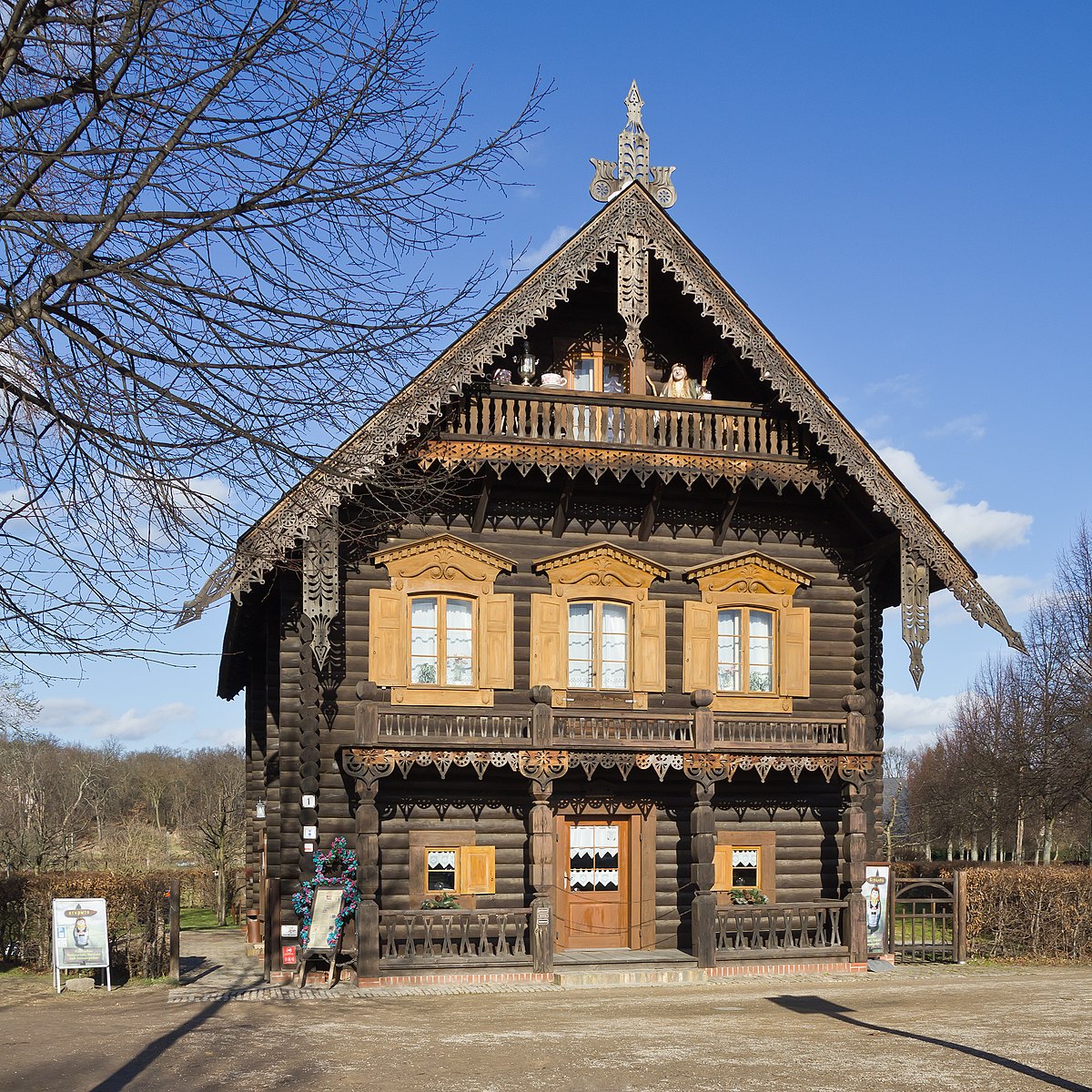
Alexandrowka
📍 Brandenburg, Germany
Located in the picturesque city of Potsdam, Germany, Alexandrowka is an intriguing architectural ensemble that reflects a unique blend of Russian and …

Alhauser Hammer
📍 North Rhine-Westphalia, Germany
Alhauser Hammer is a remarkable architectural ensemble located in Ennepetal, Germany, known for its historical significance as a water-driven hammer …

Alsdorfer Ölmühle
📍 North Rhine-Westphalia, Germany
The Alsdorfer Ölmühle, an architectural ensemble located in the heart of Alsdorf, Germany, is a remarkable example of a traditional watermill that …