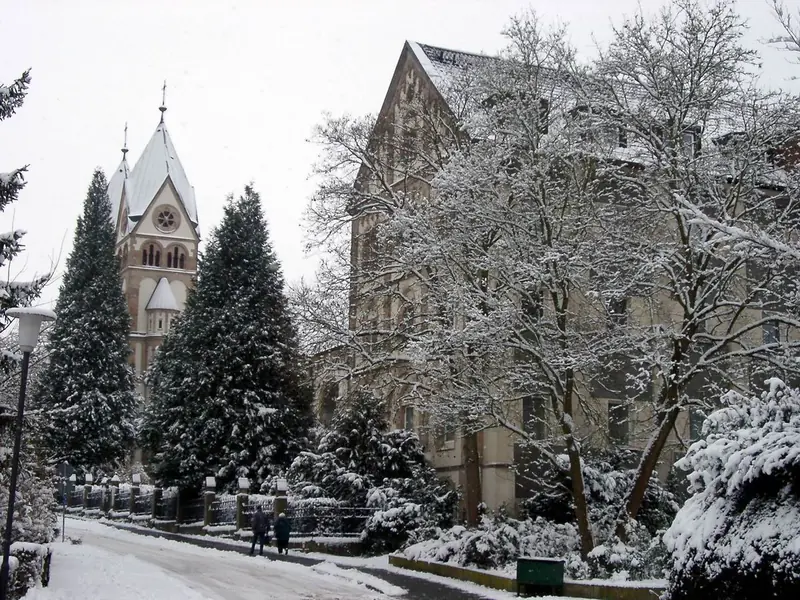
Overview
The Bonifatiuskloster in Hünfeld, Germany, serves as a significant spiritual and cultural landmark within the region of Hesse. This monastery, operated by the Oblates of Mary Immaculate, reflects the enduring legacy of monastic life and its ongoing influence on the community. Situated at coordinates 50.6743, 9.7691, the site offers visitors a unique glimpse into religious practices and architectural traditions that have shaped the area.
While the monastery is primarily a place of worship, it also stands as a center for educational activities, spiritual retreats, and community outreach. The tranquil atmosphere surrounding Bonifatiuskloster invites both pilgrims and tourists alike to delve into its serene environment, fostering a sense of peace and reflection. The significance of this monastery extends beyond its walls; it is a focal point for the Oblates’ mission, which emphasizes service and spirituality.
As you approach Bonifatiuskloster, you will find yourself immersed in an ambiance that speaks to the values of contemplation and devotion. With its historical roots and modern relevance, this site promises an enriching experience for all who visit, whether for spiritual reasons or simply to appreciate the architectural beauty and serene atmosphere.
History and Significance
The history of Bonifatiuskloster is deeply intertwined with the mission of the Oblates of Mary Immaculate, a religious congregation founded in the 19th century. While specific dates regarding the establishment of the monastery may not be available, it is clear that the Oblates have played a pivotal role in promoting education, community service, and spiritual development throughout their history.
The monastery takes its name from Saint Boniface, a prominent figure in the Christianization of Germany during the 8th century. He is often hailed as the “Apostle of the Germans,” and his legacy is reflected in the monastic community’s commitment to spreading Christian teachings and values. This connection adds a layer of cultural importance, as the monastery not only provides a space for religious practice but also serves as a reminder of the historical efforts to establish Christianity in the region.
In addition to its religious significance, Bonifatiuskloster has also contributed to the local community through various outreach programs and educational initiatives. The Oblates have engaged in numerous activities aimed at fostering social welfare, demonstrating that the monastery is more than just a place of worship; it is an active participant in the life of the surrounding community. Visitors to Bonifatiuskloster can gain insight into the ongoing mission of the Oblates and their dedication to service.
Architecture and Features
The architectural style of Bonifatiuskloster reflects its religious function and the traditions of monastic design. While specific details about the structure itself may not be extensively documented, it is common for monasteries of this nature to exhibit features such as cloisters, chapels, and communal areas that facilitate both worship and community life.
As you explore the grounds, you may notice elements typical of monastic architecture, including simplicity and functionality. The design often emphasizes a connection to nature, fostering an atmosphere conducive to contemplation and prayer. The layout is likely organized around a central courtyard, providing a serene space for reflection and community gatherings.
Inside, the monastery may house chapels that serve as focal points for worship and spiritual gatherings. The decor typically incorporates religious iconography and artwork that highlight the faith and traditions of the Oblates. While specific details may vary, the overall ambiance is one of reverence and tranquility, inviting visitors to engage with the spiritual heritage of the site.
The monastery’s setting in Hünfeld further enhances its appeal, as it is surrounded by a landscape that encourages reflection and introspection. The combination of thoughtful architecture and natural beauty creates a harmonious environment, contributing to the overall significance of Bonifatiuskloster as a place of worship and community.
Visiting Information
Visiting Bonifatiuskloster offers an opportunity to engage with its serene atmosphere and rich heritage. To plan your visit, it is advisable to check the official website for current information on operating hours and any entry fees that may apply. The monastery is accessible by public transport, making it convenient for visitors traveling from nearby towns or cities.
Upon arrival, you can expect a peaceful environment that encourages contemplation and reflection. The monastery is designed to accommodate both individual visitors and groups, providing spaces suitable for quiet meditation or communal activities. The time needed to explore the site may vary depending on your interest level, but a visit can typically be completed in a few hours.
For the best experience, consider visiting during weekdays, when the atmosphere is often quieter and more conducive to reflection. Special events or services may also be held on certain days, so checking the schedule in advance can enhance your visit.
As you navigate the site, take time to appreciate the architecture and the surrounding landscape. This tranquil environment is ideal for those seeking respite from the hustle and bustle of daily life.
Nearby Attractions
While Bonifatiuskloster is a destination in itself, there are several nearby attractions that can enhance your visit to Hünfeld:
Hünfeld Town Center: Explore the charming town of Hünfeld, where you can discover local shops, cafes, and historical buildings that reflect the region’s heritage.
St. Joseph Church: This nearby church is another significant religious site, showcasing beautiful architecture and offering a glimpse into the local community’s spiritual life.
Kulturzentrum Hünfeld: The cultural center hosts various events, including exhibitions and performances, providing insight into the artistic and cultural scene of Hünfeld.
Local Green Spaces: Enjoy the natural beauty of the area by visiting nearby parks or trails that offer opportunities for walking and relaxation.
Historical Sites: Discover other historical landmarks in the region that reflect the rich cultural tapestry of Hesse.
These attractions complement the experience at Bonifatiuskloster, allowing visitors to appreciate the broader cultural and historical context of Hünfeld.
Insider Tips
When planning your visit to Bonifatiuskloster, consider the following insider tips to enhance your experience:
Photography: While photography may be permitted in certain areas, it’s advisable to be respectful of the sacred spaces and those engaged in worship. Always check for any signs indicating restrictions and ask if you’re unsure.
Crowd Avoidance: For a more peaceful experience, consider visiting during weekdays or early mornings. This can help you avoid larger groups that often visit on weekends or during holidays.
Dress Code: As a religious site, modest attire is recommended. Wearing comfortable clothing and shoes suitable for walking will enhance your exploration of the monastery and its surroundings.
Practical Information
To ensure a smooth visit to Bonifatiuskloster, keep the following practical considerations in mind:
What to Bring: Bring a small bag with essentials such as water, a notebook for reflection, and any personal items you may need during your visit.
Seasonal Considerations: The monastery can be enjoyed year-round, but seasons may affect your experience. Spring and summer offer pleasant weather for outdoor exploration, while autumn can provide beautiful foliage.
Accessibility: Check the official website for information regarding accessibility options, especially if you have specific needs.
Local Amenities: While the monastery may not have extensive facilities, Hünfeld offers local cafes and shops where you can find refreshments and other amenities.
By preparing in advance and considering these practical tips, you can ensure a meaningful visit to Bonifatiuskloster.
Frequently Asked Questions
How long should I spend visiting?
A visit to Bonifatiuskloster typically takes a few hours, allowing time for exploration and reflection. Adjust your schedule based on your interests.
Is photography allowed?
Photography policies may vary by area. Always check for signs and guidelines, and be respectful of worshippers.
Are there guided tours?
Check the official website for information on any guided tours or special events that may enhance your visit.
What’s the best time to visit?
Weekdays generally offer a quieter experience, while weekends may attract larger crowds. Consider visiting during off-peak hours for a more tranquil atmosphere.
Is it wheelchair accessible?
For specific accessibility information, check the official website to ensure you have the latest updates regarding facilities.
Can I buy tickets online?
Check the official website for details on ticket purchases and entry requirements.
Are there restrooms and cafes?
While the monastery may not have extensive facilities, nearby Hünfeld offers local cafes and restrooms for visitors.
What should I wear?
Modest attire is recommended as it is a religious site. Comfortable shoes are also advisable for walking around the grounds.
Visiting Bonifatiuskloster is an opportunity to engage with both the cultural heritage and the spiritual essence of Hünfeld, making it a worthwhile addition to any travel itinerary in Germany.



