Böhmerwold Church
Overview
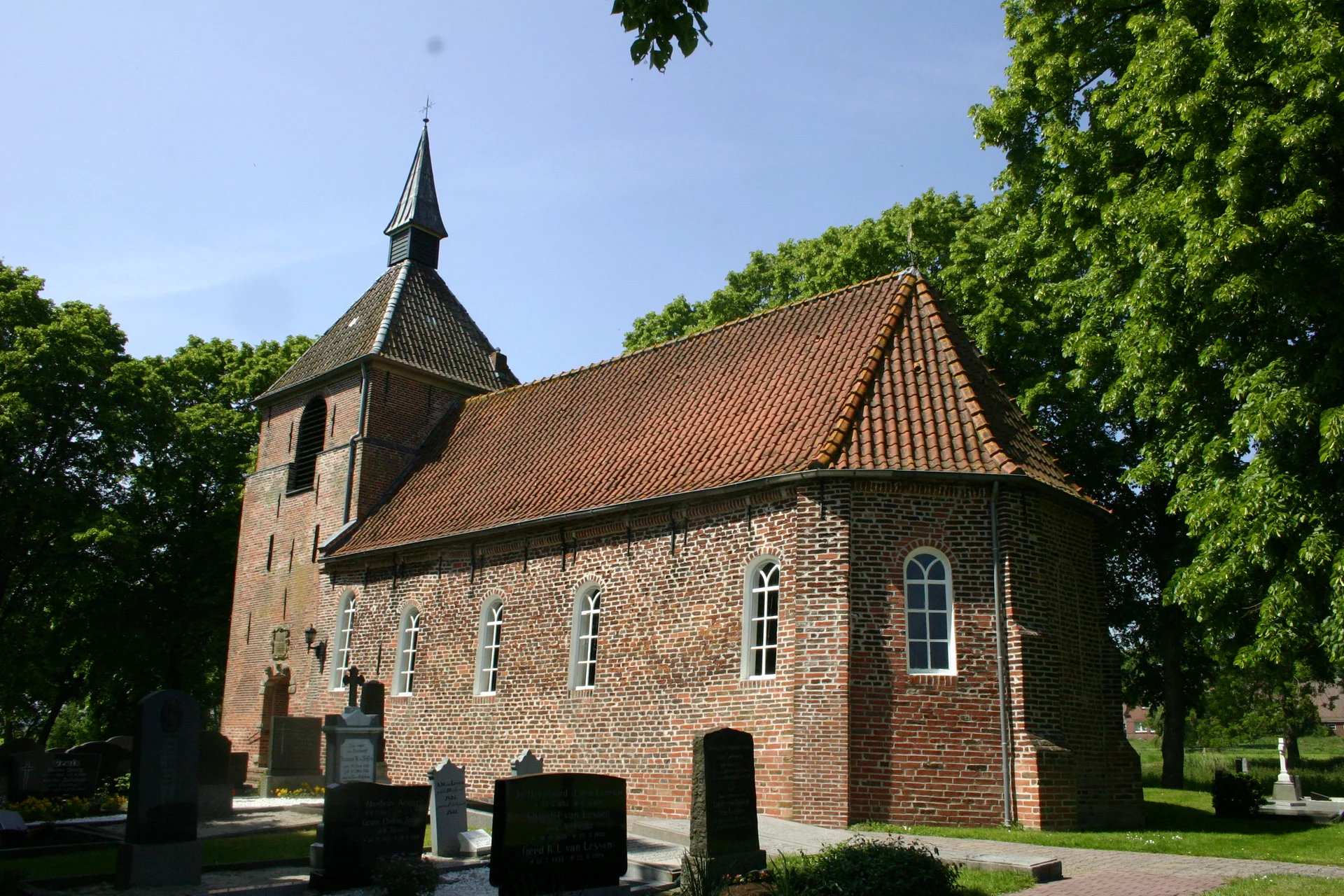
In the quaint region of Jemgum, Germany, the Böhmerwold Church emerges as a striking example of Baroque architecture, captivating visitors with its historical and aesthetic significance. Founded in 1700, this church stands as a testament to the craftsmanship and artistic vision of its time, inviting you to explore its beautifully crafted brick façade and unique architectural details.
The surrounding landscape complements the church’s charm, offering a serene backdrop that enhances its presence. As you approach, the church’s distinctive features become apparent, setting the stage for a deeper exploration of its history and architecture. Why does this place matter? Böhmerwold Church is not only a place of worship but also a symbol of the cultural heritage of the region, embodying centuries of religious tradition and community life.
Your visit promises to unveil insights into its architectural beauty and historical context. Whether you’re an architecture enthusiast or someone seeking a peaceful retreat, Böhmerwold Church beckons with stories waiting to be discovered.
History and Significance
The Böhmerwold Church has been an integral part of the community since its founding in 1700. The establishment of this church reflects the religious and cultural dynamics of the era, as communities sought spaces for worship and gathering. Over the years, it has served as a focal point for local religious activities and community events, reinforcing its significance in the lives of the residents.
While specific historical events related to the church may not be well-documented, it stands as a representative of Baroque architecture within the region, showcasing the stylistic elements that characterized many places of worship during that period. The church’s enduring presence highlights the importance of faith and community cohesion in shaping local history.
Although it is not recognized as a UNESCO World Heritage Site, Böhmerwold Church contributes to the broader narrative of Germany’s architectural heritage. The church is a reminder of the artistic endeavors that flourished in the 18th century, making it a noteworthy site for those interested in exploring Germany’s rich historical tapestry.
Architecture and Features
Constructed primarily from brick, Böhmerwold Church exemplifies Baroque architecture through its elegant design and intricate details. This architectural style is known for its grandeur and emotional appeal, often characterized by dramatic expressions and elaborate ornamentation.
As you approach the church, take note of the brickwork that comprises its exterior. The careful craftsmanship showcases not just the materials used but also the artistic vision behind its construction. Baroque churches often feature a harmonious blend of form and function, which can be appreciated as you explore the building.
Visitors should pay close attention to the architectural features that define Böhmerwold Church. The layout typically includes a nave flanked by aisles, with an altar that serves as the focal point inside. These elements are designed to facilitate worship and enhance the spiritual experience for congregants.
Visiting Information
Getting to Böhmerwold Church is relatively straightforward, with various transport options available in the surrounding area. Depending on your starting point, you may consider driving or utilizing public transport services that connect to Jemgum. Once you arrive, you’ll find ample opportunities to appreciate both the church and its tranquil setting.
Hours: Check the official website for current opening hours.
Prices: Visit the official website for current admission prices.
What can you expect during your visit? The atmosphere inside Böhmerwold Church is serene, allowing for personal reflection or quiet contemplation. Visitors often spend about one to two hours here, taking in both the architectural beauty and the peaceful ambiance.
For optimal enjoyment, consider visiting in the morning when crowds are fewer. The spring and fall seasons also provide pleasant weather, enhancing your overall experience.
Accessibility considerations are important; please contact the site directly for the latest information regarding facilities for those with mobility challenges.
Nearby Attractions
While visiting Böhmerwold Church, take advantage of exploring other notable sites in the nearby area:
- Local Parks: The surrounding parks offer a peaceful retreat with walking paths and green spaces ideal for relaxation.
- Cultural Centers: Engage with local culture by visiting nearby centers that showcase regional art and history.
- Historical Landmarks: Discover additional historical sites within Jemgum that reflect Germany’s rich architectural heritage.
These attractions complement your visit to Böhmerwold Church, providing a fuller experience of the region’s cultural landscape.
Insider Tips
To enhance your visit to Böhmerwold Church, here are some insider tips:
- Best Photography Spots: Capture stunning images of the church from various angles outside, especially during golden hour when natural light accentuates its brick façade.
- Lesser-Known Details: Look closely at the brickwork; intricate designs may reveal unique stories about the church’s construction.
- Avoiding Crowds: Aim for weekday visits if possible, as weekends can attract more visitors.
- Local Tips: Engage with community members if available; they often share fascinating stories about local traditions tied to the church.
Practical Information
For a smooth visit to Böhmerwold Church, consolidate these practical details:
- Bring a camera to capture your experience.
- Dress comfortably, especially if you plan to explore nearby areas.
- Seasonal considerations include checking weather forecasts before your visit; spring and fall typically offer mild conditions.
For any additional inquiries or updates regarding your visit, contact the site directly.
Frequently Asked Questions
How long should I spend visiting?
You can expect to spend approximately one to two hours exploring Böhmerwold Church, allowing ample time for reflection and appreciation of its architectural features.
Is photography allowed inside?
Photography policies can vary; check with site staff upon arrival to understand any restrictions regarding photography inside the church.
Are there guided tours available?
Information about guided tours may not be readily available; contact the site directly for any updates on tour offerings.
What’s the best time of day to visit?
Morning visits tend to be quieter, making it an ideal time for those seeking a peaceful experience away from larger crowds.
Is the site wheelchair accessible?
Accessibility information may change; please contact the site directly for current details on facilities available for those with mobility challenges.
Can I buy tickets online?
Ticket purchasing options may vary; check the official website for current admission prices and purchasing methods.
Are there facilities like restrooms and cafes?
Specific facility information isn’t provided; contact the site directly for details about restroom access and nearby dining options.
What should I wear when visiting?
Dress comfortably and respectfully when visiting a place of worship; consider layers depending on seasonal weather changes.
Photo Gallery


More in Lower Saxony
Aegidienkirche
📍 Lower Saxony
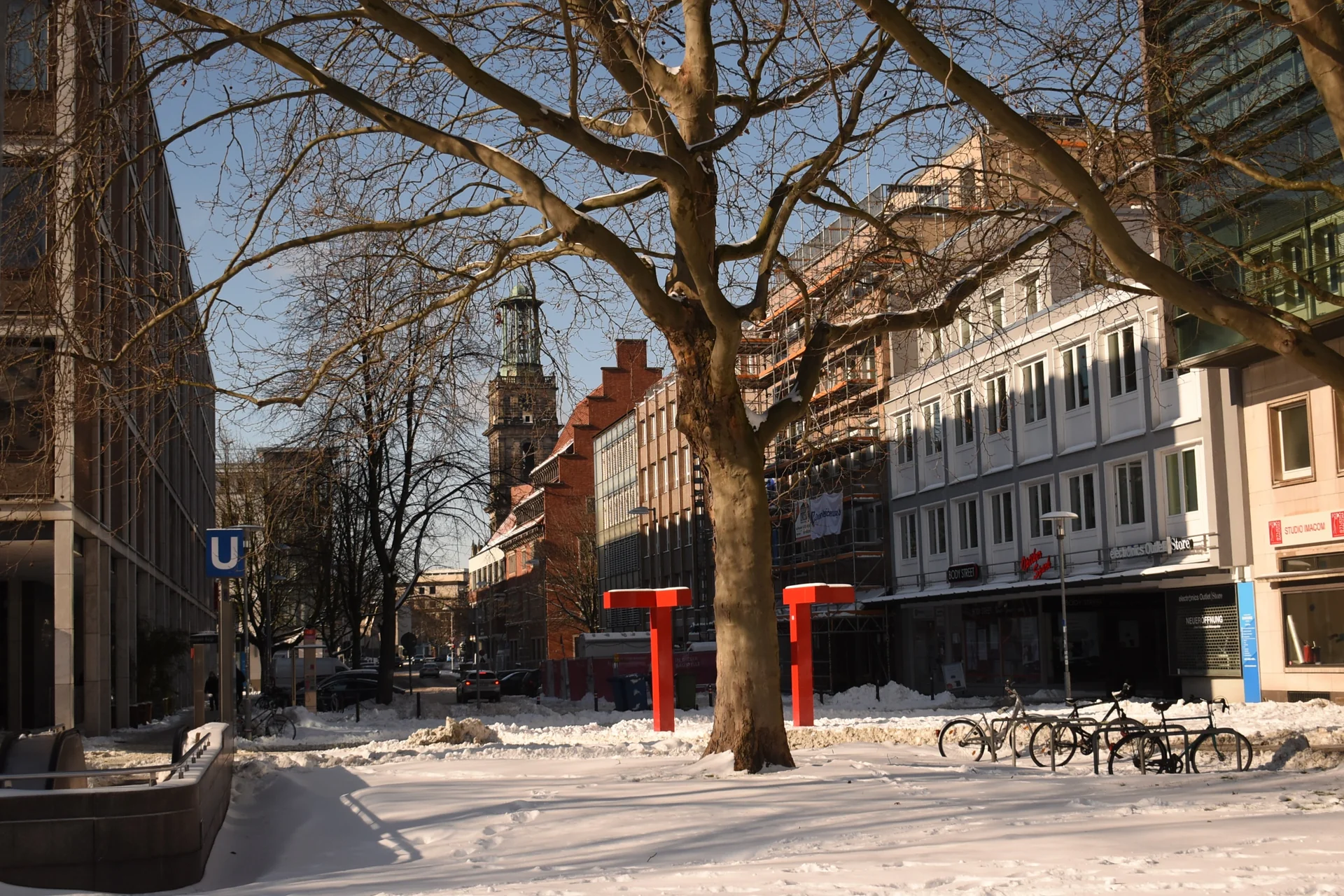
In the heart of Hannover, Germany, lies Aegidienkirche, a striking church ruin that invites both reflection and exploration. Founded in 1347, this Gothi...
Alte Inselkirche
📍 Lower Saxony
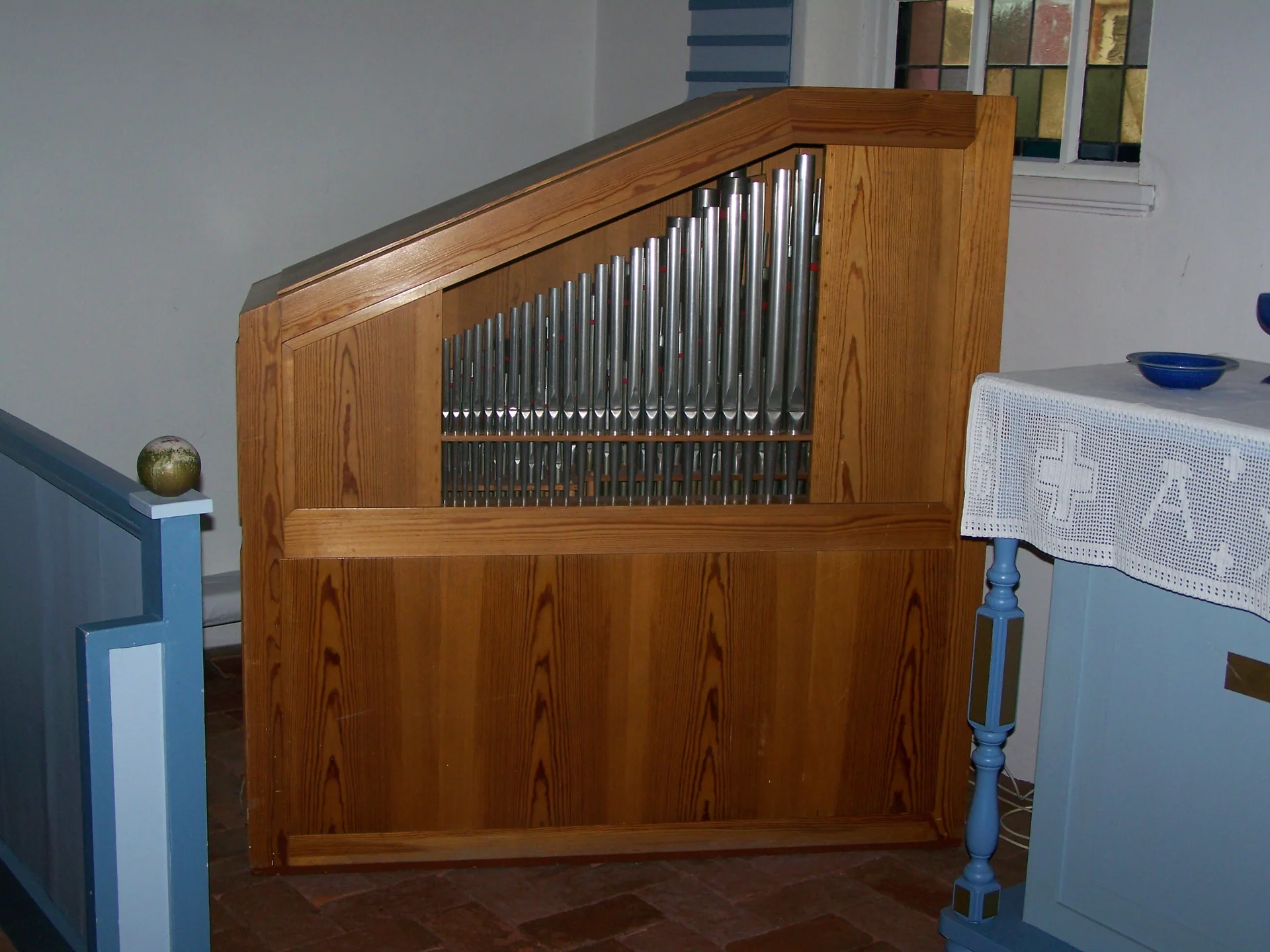
The Alte Inselkirche, a striking church building located on the tranquil island of Spiekeroog in Germany, offers visitors a glimpse into the serene beau...
Andreaskirche (Norden)
📍 Lower Saxony
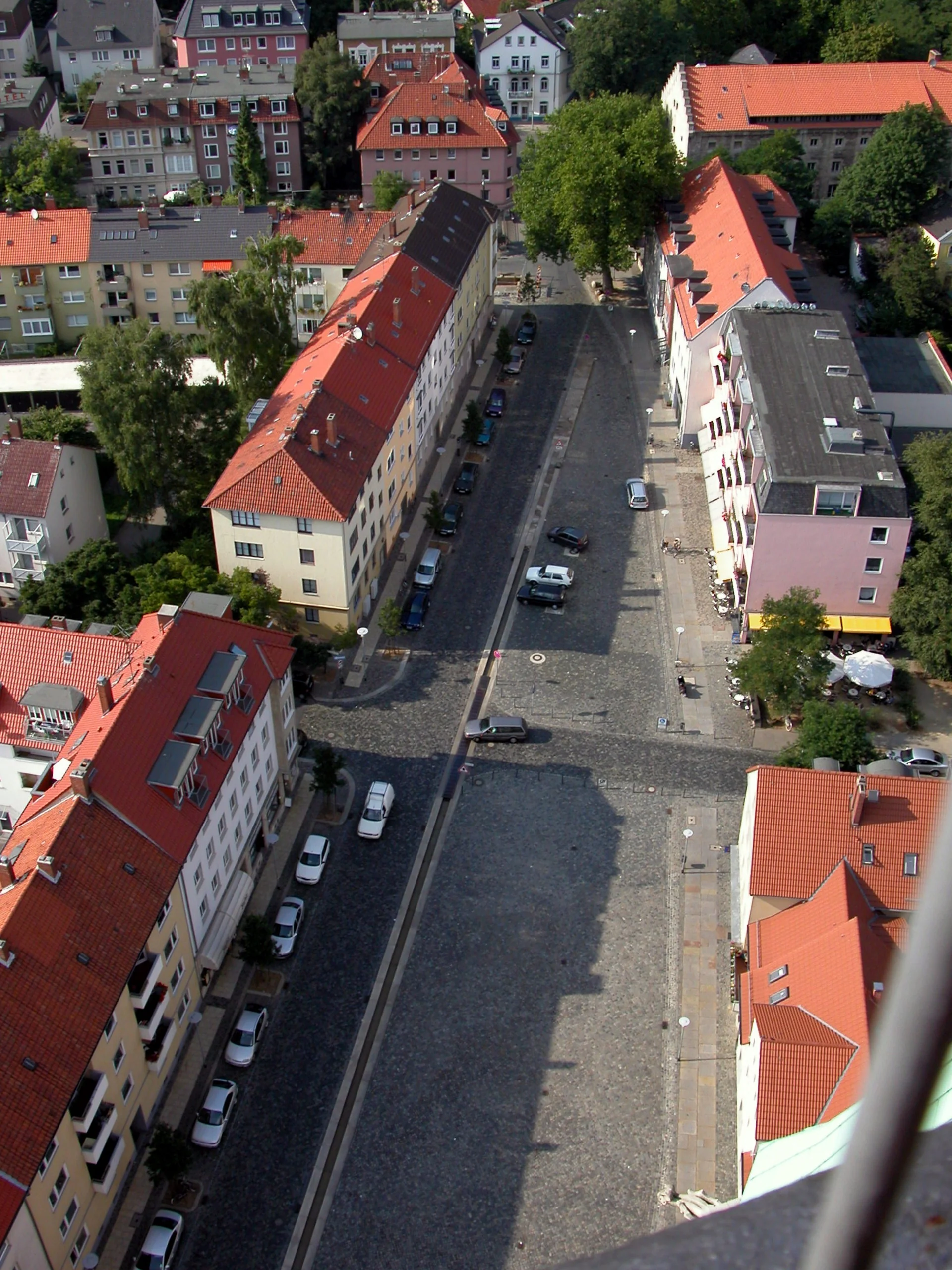
In the heart of Norden, Germany, the Andreaskirche stands as a remarkable example of Brick Gothic architecture. This church, constructed primarily from ...
Antoniuskirche
📍 Lower Saxony
In the tranquil region of Bispingen, Germany, the Antoniuskirche stands as a remarkable example of Gothic Revival architecture. Constructed predominantl...