
Bode Museum
Overview
The Bode Museum, located in the heart of Berlin, Germany, serves as a vibrant hub for art enthusiasts and history buffs alike. Positioned on the Museum Island, a UNESCO World Heritage site, the museum is part of a rich cultural landscape that includes some of the most significant art institutions in the world. The Bode Museum is renowned for its extensive collection of sculptures, Byzantine art, and coins, attracting visitors eager to explore its diverse artifacts.
As an essential component of Berlin’s cultural heritage, the Bode Museum stands out not only for its impressive collections but also for its striking architectural design, which reflects the grandeur of the early 20th century. Visitors can expect to immerse themselves in a world of art and history, where masterpieces tell stories of different eras and cultures. Whether you are an art connoisseur or a casual visitor, the Bode Museum promises an enriching experience that showcases the creative spirit of humanity.
History and Significance
The Bode Museum’s history is intertwined with the broader narrative of Berlin’s cultural evolution. Established as part of the Museum Island, which began to take shape in the 19th century, it was constructed to house the collections of the Kaiser Friedrich Museum, named after Kaiser Friedrich III. The museum was designed by architect Ernst von Ihne and officially opened to the public in the early 1900s. Throughout the years, the Bode Museum has played a crucial role in preserving and showcasing works that span centuries and various artistic movements.
The museum is particularly significant for its collection of Byzantine art, which is among the most extensive in the world. This collection includes a variety of artifacts, such as icons, mosaics, and decorative objects, that provide insight into the artistic traditions of the Byzantine Empire. Additionally, the museum houses an impressive array of sculptures, ranging from the Middle Ages to the Baroque period, highlighting the evolution of artistic expression in Europe.
The Bode Museum also serves as a center for scholarly research and education, offering programs and exhibitions that engage the public with its collections. This commitment to accessibility and education underscores the museum’s role in promoting cultural understanding and appreciation.
Architecture and Features
The Bode Museum’s architectural design is a significant feature in its own right. The building is characterized by its grand dome, which dominates the skyline of Museum Island. The dome, along with the museum’s elaborate façade, showcases a blend of Renaissance and Baroque elements, reflecting the artistic aspirations of the era in which it was constructed.
Inside, visitors encounter spacious galleries that house the museum’s diverse collections. The layout is thoughtfully designed to facilitate the appreciation of art, with natural light filtering through large windows, illuminating the artworks on display. Notable features of the museum include the impressive sculpture hall, which presents a chronological display of sculptures that invites reflection on the evolution of this art form.
The Bode Museum is also home to a unique collection of coins and medals, providing a fascinating glimpse into the economic and artistic developments throughout history. This collection allows visitors to explore the historical context of currency and its impact on society.
Visiting Information
Visiting the Bode Museum can be a memorable experience for art lovers and casual tourists alike. Located in the Bezirk Mitte district of Berlin, the museum is easily accessible via public transportation. Visitors can reach the museum by taking the U-Bahn or S-Bahn trains, with several stops located within walking distance.
Before planning your visit, it is advisable to check the official website for current information on hours of operation and ticket prices. Visitors typically spend around two to three hours exploring the museum, allowing ample time to appreciate the diverse collections on display.
To make the most of your visit, consider going during weekdays when the museum tends to be less crowded. Early mornings or late afternoons are also ideal times to enjoy a more serene atmosphere while viewing the artwork.
Nearby Attractions
The Bode Museum is strategically located near several other notable attractions, making it an excellent starting point for a cultural day in Berlin. Nearby sites include:
Pergamon Museum: Renowned for its classical antiquities, this museum is famous for its monumental reconstructions, including the Pergamon Altar and the Ishtar Gate.
Alte Nationalgalerie: This gallery features an extensive collection of 19th-century art, showcasing works by renowned artists like Caspar David Friedrich and Édouard Manet.
Neues Museum: A masterpiece of reconstruction, this museum houses Egyptian artifacts, including the iconic bust of Nefertiti, along with collections of prehistoric and classical antiquities.
Berlin Cathedral (Berliner Dom): Just a short walk away, this impressive Protestant cathedral offers stunning architecture and panoramic views from its dome.
Spree River: The scenic river running adjacent to Museum Island provides lovely walking paths, perfect for a leisurely stroll after your museum visit.
Insider Tips
To enhance your visit to the Bode Museum, consider these insider tips:
Photography: While photography may not be permitted in all areas, be sure to check the museum’s guidelines regarding photography to capture your favorite pieces.
Crowd Avoidance: To avoid large crowds, plan your visit on a weekday, especially in the morning or late afternoon. This will allow you to enjoy the collections with greater ease and comfort.
Audio Guides: Consider renting an audio guide to gain deeper insights into the collections. It can enrich your understanding of the artworks and their historical context.
Practical Information
When planning your visit to the Bode Museum, here are some practical considerations:
What to Bring: It is advisable to bring a small bag for personal items, but be mindful of the museum’s rules regarding large bags or backpacks. Comfortable shoes are recommended, as you may spend considerable time walking through the galleries.
Seasonal Considerations: Berlin experiences a range of weather conditions throughout the year. If visiting during the colder months, dress warmly, as museums can sometimes feel chilly. In the warmer months, lightweight clothing is recommended, but be prepared for occasional rain.
Accessibility: The museum is designed to be accessible to all visitors, with provisions for those with mobility challenges.
Frequently Asked Questions
How long should I spend visiting?
Most visitors find that spending two to three hours at the Bode Museum allows ample time to explore the collections thoroughly.
Is photography allowed?
Photography policies may vary by exhibit. Check the museum’s guidelines for specific rules regarding photography.
Are there guided tours?
Yes, guided tours are typically available. Check the official website for details on scheduling and availability.
What’s the best time to visit?
Weekdays, particularly in the early morning or late afternoon, are ideal to avoid crowds and enjoy a more intimate experience.
Is it wheelchair accessible?
The Bode Museum is designed to be accessible for visitors with mobility challenges. Ramps and elevators are available throughout the building.
Can I buy tickets online?
Yes, tickets can generally be purchased online through the museum’s official website, allowing you to skip the lines upon arrival.
Are there restrooms and cafes?
Restrooms are available on-site, and there may be cafes or dining options nearby. Check the official website for specific details.
What should I wear?
Dress comfortably for walking, and consider the weather conditions during your visit, as Berlin’s climate can vary significantly throughout the year.
Location
More in Berlin

144., 176. und 184. Gemeindeschule
📍 Berlin, Germany
The 144., 176. und 184. Gemeindeschule, an architectural ensemble located in the vibrant city of Berlin, stands as a noteworthy example of educational …

Academy of Arts (Hanseatenweg)
📍 Berlin, Germany
The Academy of Arts (Hanseatenweg) stands as an emblem of Berlin’s vibrant cultural landscape, located in the historic Hansaviertel district. Renowned …

Academy of Arts, Berlin
📍 Berlin, Germany
The Academy of Arts in Berlin is not just a museum; it is a prominent national institution dedicated to the advancement of the arts in Germany. …

Academy of the Konrad-Adenauer-Stiftung
📍 Berlin, Germany
The Academy of the Konrad-Adenauer-Stiftung, located in the heart of Berlin, is not just a foundation but a hub of intellectual discourse and …

ACUD
📍 Berlin, Germany
Located in the heart of Berlin’s Bezirk Mitte, ACUD serves as a vibrant cultural center and cinema, showcasing an array of films and events that …

Admiralspalast
📍 Berlin, Germany
Admiralspalast is a prominent theatre and event venue located in the heart of Berlin, Germany. This architectural gem serves as a cultural hub, …
More Art Museums

Aachen Cathedral Treasury
📍 North Rhine-Westphalia, Germany
Aachen Cathedral Treasury, located in the historic city of Aachen, Germany, is a remarkable art museum that houses an impressive collection of …

Abteiberg Museum
📍 North Rhine-Westphalia, Germany
In the heart of Mönchengladbach, Germany, the Abteiberg Museum stands out as a prominent destination for art enthusiasts and cultural explorers alike. …

Akademisches Kunstmuseum
📍 North Rhine-Westphalia, Germany
In the heart of Bonn, Germany, lies the Akademisches Kunstmuseum, an art museum that invites visitors to explore a diverse collection of artworks …

Albertinum
📍 Saxony, Germany
Albertinum is a prominent art museum located in the heart of Dresden, Germany, serving as a significant cultural institution in the region. …

Albrecht Dürer's House
📍 Bavaria, Germany
Albrecht Dürer’s House stands as a significant cultural landmark in Nuremberg, Germany, celebrating the life and work of one of the Renaissance’s most …
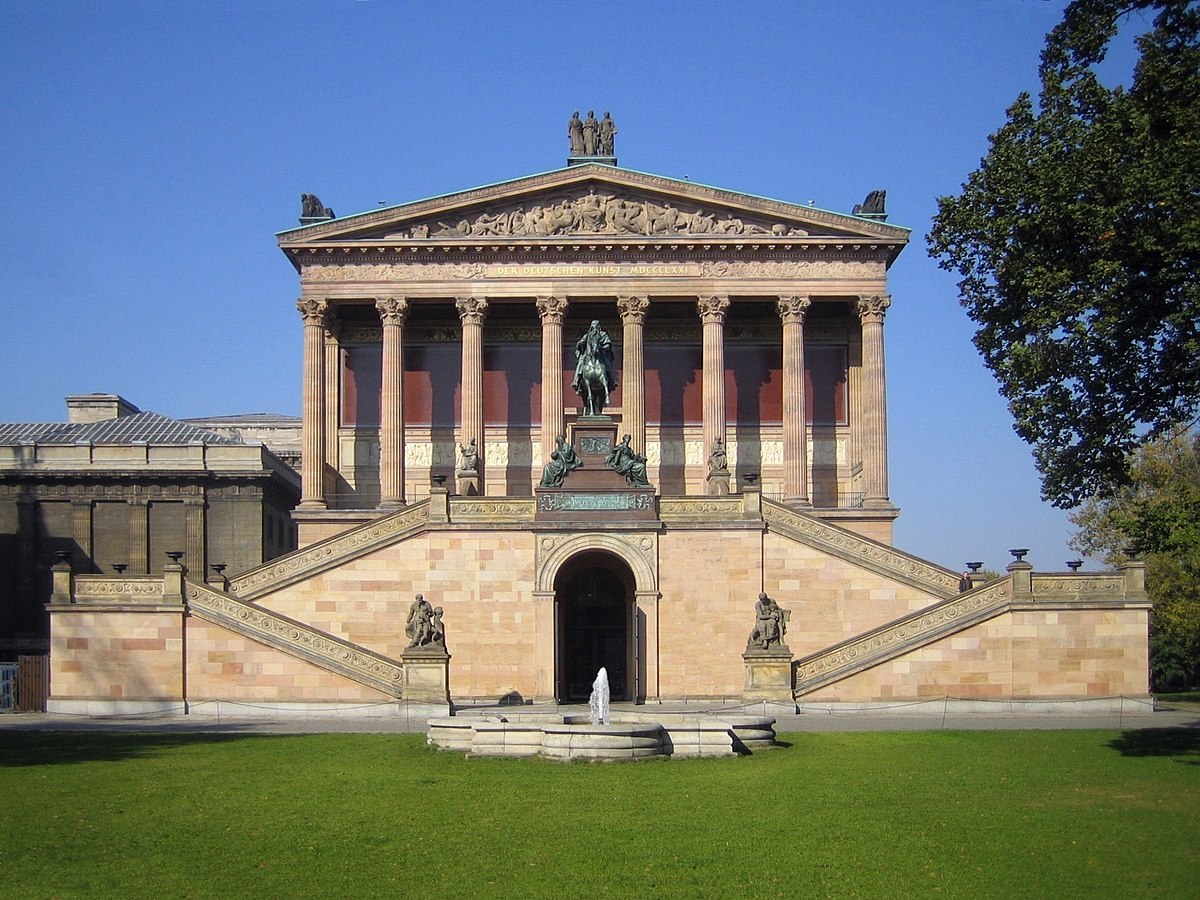
Alte Nationalgalerie
📍 Berlin, Germany
The Alte Nationalgalerie, an esteemed art museum located in Berlin’s Bezirk Mitte, is a cornerstone of cultural appreciation in Germany. This museum …