Blaufarbenwerk Hasserode
Overview
Blaufarbenwerk Hasserode stands as a remarkable historical factory located in the quaint district of Hasserode, part of Wernigerode in Germany’s Harz region. This site, once a bustling center for the production of blue glass color, encapsulates the industrial heritage of the area while offering a glimpse into the fascinating processes behind the creation of vibrant glass pigments. The factory’s significance lies not only in its historical function but also in its representation of the industrial evolution that marked this region.
As visitors approach this site, they are greeted by a blend of historical architecture and the remnants of industrial machinery that tell a story of craftsmanship and innovation. The factory’s setting in the picturesque Harz Mountains provides a scenic backdrop that enhances the experience of exploring this unique heritage site. Whether you are a history buff, an enthusiast of industrial heritage, or simply seeking an educational outing, Blaufarbenwerk Hasserode promises an engaging exploration of Germany’s industrial past.
History and Significance
Blaufarbenwerk Hasserode originated as a factory dedicated to the production of blue glass color, a pigment widely used in various decorative and functional glassware. The factory played a crucial role in the local economy, providing jobs and fostering skills in glass production. Over the years, the factory adapted to changes in technology and market demands, reflecting the broader trends in industrial practices throughout Germany.
The significance of this factory extends beyond its operational years; it is emblematic of the industrial heritage of the Harz region. The production of blue glass color is not merely a reflection of craftsmanship but also highlights the region’s historical reliance on natural resources and local expertise. As a cultural landmark, Blaufarbenwerk Hasserode serves as an educational site where visitors can learn about the history of glass manufacturing, the techniques employed, and the environmental impact of such industries.
The factory’s establishment and its subsequent evolution mirror the broader shifts within the German industrial landscape. In an era where handcraftsmanship was gradually replaced by mechanization, the factory stands as a reminder of the artisanal skills that were pivotal in shaping not only local economies but also cultural identities. Today, it invites reflection on the interplay between industry, culture, and community.
Architecture and Features
The architecture of Blaufarbenwerk Hasserode reflects the industrial style characteristic of the period in which it was built. The factory building showcases typical elements of industrial architecture, such as sturdy brick walls and large windows that allowed ample natural light into the workspace—a practical consideration for workers engaged in intricate glass color production.
One notable feature of the site is its preserved machinery, which provides insight into the manufacturing processes that once took place within these walls. Visitors can observe the equipment used for mixing and processing raw materials into vibrant glass pigments, offering a tangible connection to the past. The layout of the factory itself, with designated areas for different stages of production, enhances the understanding of the workflow and operational dynamics of a historical glass color factory.
In addition to its functional aspects, the aesthetic qualities of the factory should not be overlooked. The interplay of light and shadow within the factory, combined with the remnants of its industrial heritage, creates a unique atmosphere that is both educational and evocative. The preservation of the site allows for an appreciation of the craftsmanship that defined the production of blue glass color and its significance in the history of local industry.
Visiting Information
Visiting Blaufarbenwerk Hasserode offers a unique opportunity to delve into the industrial heritage of the region. To reach the site, various transportation options are available, including local bus services and private vehicles. The coordinates for the factory are 51.81921944, 10.74091111, making it easily locatable for visitors.
While specific opening hours and ticket prices may vary, it is advisable to check the official website for current information before planning your visit. The factory can be explored at a leisurely pace, with most visitors spending approximately one to two hours on-site. This allows ample time to appreciate the exhibits, take in the architecture, and reflect on the historical significance of the factory.
For the most enriching experience, consider visiting during weekdays when crowds are generally lighter. This provides an opportunity to explore the site with fewer distractions and engage more deeply with the exhibits and displays.
Nearby Attractions
When visiting Blaufarbenwerk Hasserode, there are several nearby attractions that complement the industrial heritage experience:
- Wernigerode Castle: A stunning castle located atop a hill, offering panoramic views of the surrounding area and a glimpse into feudal history.
- Museum of Wernigerode: This museum showcases the cultural history of the town and the Harz region, providing context to the industrial past represented by the factory.
- Harz National Park: A sprawling natural reserve that offers trails and scenic views, ideal for those who enjoy hiking and exploring the natural beauty of the Harz Mountains.
- The Brocken Mountain: The highest peak in northern Germany, accessible by various hiking trails and a steam train, offering breathtaking views and a chance to experience the unique flora and fauna of the region.
Insider Tips
For those planning to visit Blaufarbenwerk Hasserode, here are some insider tips to enhance your experience:
- Photography: The factory’s architecture and machinery provide excellent opportunities for photography. Be sure to capture the interplay of light and shadow within the factory.
- Avoiding Crowds: Visiting during weekday mornings can help you avoid larger groups and allow for a more personal experience as you explore the site.
- Engage with Staff: If possible, speak to the staff or guides on-site. They can provide insights and stories that may not be included in the exhibits, enhancing your understanding of the factory’s history.
Practical Information
When preparing for your visit to Blaufarbenwerk Hasserode, consider the following practical information:
- What to Bring: Comfortable walking shoes are recommended, as you may be exploring both the factory and the surrounding area. A camera or smartphone for photographs is also advisable.
- Seasonal Considerations: Depending on the time of year, weather can vary significantly in the Harz region. Layered clothing is recommended, as temperatures may fluctuate throughout the day, especially if you plan to explore outdoor areas nearby.
Frequently Asked Questions
How long should I spend visiting?
Most visitors find that one to two hours is sufficient to explore the factory and engage with the exhibits.
Is photography allowed?
Photography is generally permitted, but it’s advisable to check for any specific restrictions upon arrival.
Are there guided tours?
Information regarding guided tours may be available on the official website, so check for updates on tour offerings.
What’s the best time to visit?
Weekday mornings tend to be less crowded, providing a more peaceful experience.
Is it wheelchair accessible?
Accessibility information can vary, so it’s best to check the official website for details.
Can I buy tickets online?
Current ticket purchasing options can be found on the official website, which is recommended for the most accurate information.
Are there restrooms and cafes?
Facilities may vary, so be sure to check the official website for the availability of restrooms and nearby dining options.
What should I wear?
Comfortable and weather-appropriate clothing is recommended, especially if you plan to explore the surrounding area.
More in Lower Saxony

2000 Jahre Christentum
📍 Lower Saxony, Germany
The “2000 Jahre Christentum,” a prominent statue located in Brunswick, Germany, serves as a significant cultural landmark that reflects the rich …
A. Heucke
📍 Lower Saxony, Germany
A. Heucke, located in the historic town of Gatersleben in Germany’s Seeland region, represents a significant chapter in the story of industrial …

Aalto Theatre
📍 Lower Saxony, Germany
The Aalto Theatre in Essen, Germany, is a prominent cultural landmark that attracts both local and international visitors. Renowned for its …

Aasee
📍 Lower Saxony, Germany
Aasee is a picturesque lake located in the town of Ibbenbüren, Germany, serving as a popular destination for both locals and visitors alike. This …
Abgunst Mine
📍 Lower Saxony, Germany
Abgunst Mine, located in the industrial heart of Essen, Germany, is a significant heritage site that represents the country’s rich mining history. As …

Accumer Mühle
📍 Lower Saxony, Germany
Accumer Mühle is a captivating windmill located in Schortens, Germany, that showcases the remarkable engineering of traditional European mills. This …
More Factories
A. Heucke
📍 Lower Saxony, Germany
A. Heucke, located in the historic town of Gatersleben in Germany’s Seeland region, represents a significant chapter in the story of industrial …
Adam Opel AG Werk Bochum I
📍 Lower Saxony, Germany
The Adam Opel AG Werk Bochum I, located in Germany, represents a significant chapter in the history of industrial production. This former production …
Adam Opel AG Werke Bochum II/III
📍 Lower Saxony, Germany
Adam Opel AG Werke Bochum II/III is a distinguished factory located in Germany, playing a significant role in the automotive industry. This site is …
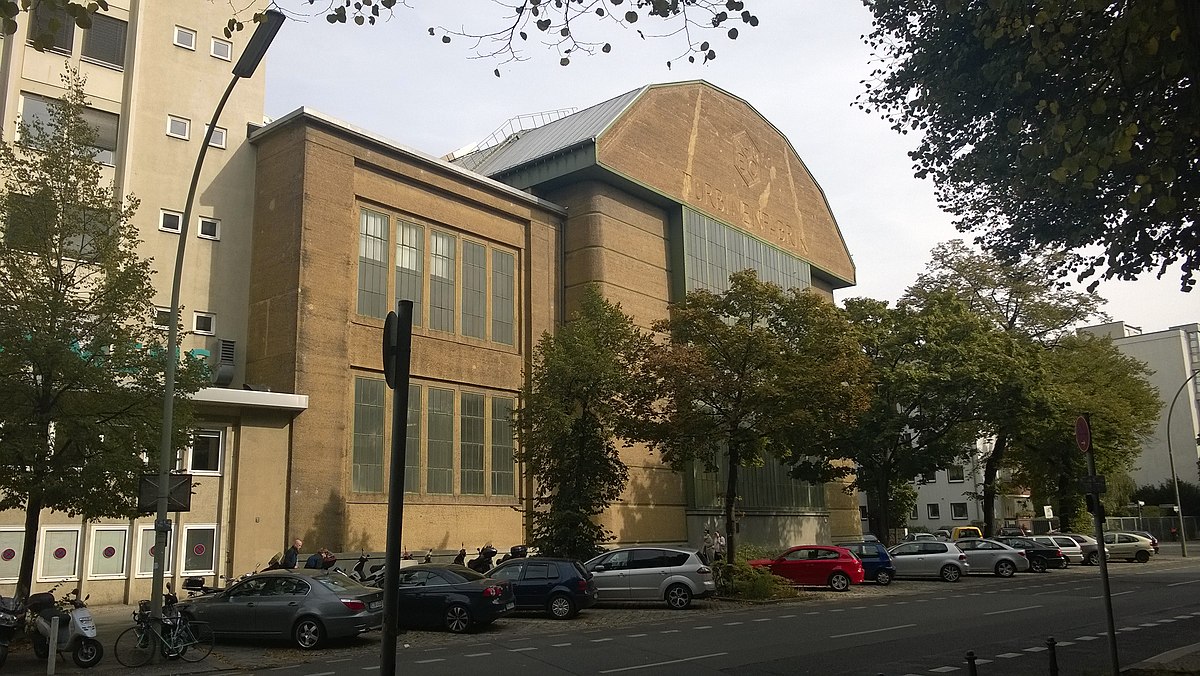
AEG's Turbine factory
📍 Berlin, Germany
The AEG Turbine Factory, an iconic structure in Berlin’s Bezirk Mitte, is a significant landmark that reflects the industrial heritage of the city. …
AKA-Radiergummifabrik
📍 Lower Saxony, Germany
The AKA-Radiergummifabrik, a significant former factory located in Hannover, Germany, offers a unique glimpse into the industrial past of the region. …

Alte Malzfabrik
📍 Lower Saxony, Germany
Alte Malzfabrik, located in Mülheim an der Ruhr, Germany, is an intriguing factory site that encapsulates the industrial heritage of the region. This …