Overview
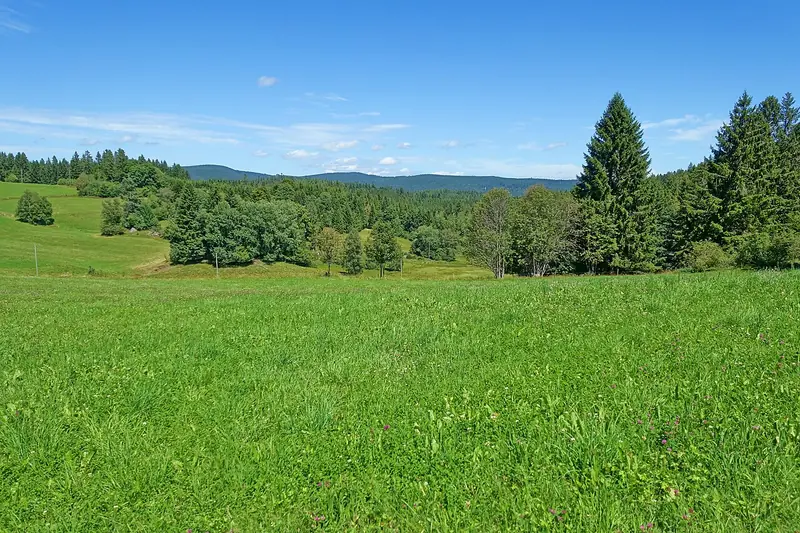
The Black Forest Biosphere Reserve, situated in the Baden-Württemberg region of Germany, is a remarkable convergence of nature and preservation, where vast woodlands and diverse ecosystems intertwine. This UNESCO Biosphere Reserve spans an area that is often characterized by its dense forests, rolling hills, and a rich tapestry of flora and fauna. Visitors can expect to find a vibrant habitat that not only showcases the beauty of the natural world but also emphasizes the importance of sustainable development.
As you explore this biosphere reserve, you will encounter a variety of landscapes — from tranquil woodland paths to expansive meadows, all teeming with life. The significance of the Black Forest Biosphere Reserve lies not only in its ecological diversity but also in its role as a model for conservation and sustainable living. This area serves as a living laboratory for understanding the intricate relationships between humans and nature, making it a vital destination for both education and enjoyment.
During your visit, you’ll discover not only the breathtaking beauty of the surroundings but also the commitment to preserving these natural wonders for future generations. The reserve encourages exploration, learning, and connection to nature, offering experiences that resonate long after you leave.
History and Significance
The Black Forest region has been significant for centuries, known for its dense forests and unique biodiversity. Historically, this area has been shaped by both natural processes and human activities that have influenced its landscapes and ecosystems. The establishment of the Black Forest Biosphere Reserve reflects a growing recognition of the need to balance conservation with sustainable practices.
Over time, the region has developed a cultural identity closely linked to its natural environment. Traditional practices in forestry, agriculture, and crafts have thrived here, showcasing a harmonious relationship between the land and its inhabitants. The designation as a UNESCO Biosphere Reserve underscores the area’s importance, not just for its ecological value but also for its cultural heritage. This recognition also emphasizes the commitment to fostering sustainable practices that benefit both the environment and the local communities.
The reserve serves as a crucial space for research and education, highlighting the importance of biodiversity and ecosystem services. By promoting sustainable land use and conservation, the Black Forest Biosphere Reserve aims to inspire visitors and residents alike to engage with and protect their natural surroundings.
Architecture and Features
While the Black Forest Biosphere Reserve is primarily a natural site, it features various elements that reflect the region’s heritage and cultural significance. The architecture in and around the biosphere reserve often includes traditional structures made from local materials, blending seamlessly into the landscape. Visitors can expect to see charming timber-framed buildings, which are a hallmark of the region’s architectural style.
As you wander through the biosphere reserve, pay attention to the numerous walking paths and trails that crisscross the area. These paths provide opportunities to engage with the landscape, leading to viewpoints that reveal the stunning vistas of the surrounding forest. The integration of educational signage along these trails enhances the visitor experience, offering insights into the local ecology and conservation efforts.
Distinctive features of the reserve include its varied ecosystems, which range from dense coniferous forests to lush meadows. Each habitat supports a unique array of wildlife, making it a prime location for nature enthusiasts and photographers alike. The visual appeal of the Black Forest is amplified by the changing seasons, with vibrant colors in the spring and fall that attract visitors year-round.
Visiting Information
Getting to the Black Forest Biosphere Reserve is convenient, with various transport options available in the surrounding region. Travelers can access the reserve by car, with scenic drives offering a glimpse of the landscape. Public transport options may also be available, providing a sustainable way to reach this natural haven.
Check the official website for current opening hours, as these may vary depending on the season and specific areas within the reserve. Prices for entry or guided tours can also be found on the website, ensuring visitors have up-to-date information before planning their visit.
The visitor experience in the Black Forest Biosphere Reserve is designed to encourage exploration and connection with nature. Expect to find well-marked trails, educational resources, and opportunities for wildlife observation. A visit typically requires 1-2 hours, making it an ideal stop for those looking to immerse themselves in a natural setting.
The best time to visit is in the morning, when the trails are less crowded and the wildlife is more active. Spring and fall offer particularly pleasant weather for outdoor activities. Accessibility options may vary, so it’s advisable to check the official website for details.
Nearby Attractions
While the Black Forest Biosphere Reserve is a destination in its own right, visitors can also explore several nearby attractions that complement the natural experience:
Schwarzwaldhaus: This visitor center offers insights into the local ecology and culture, hosting exhibitions and educational programs that highlight the significance of the Black Forest.
Local Villages: The charming villages in the surrounding area provide a glimpse into traditional life, with local crafts, cuisine, and architecture that reflect the region’s heritage.
Hiking Trails: Numerous trails extend beyond the biosphere reserve, offering opportunities for longer hikes that lead to stunning viewpoints and diverse landscapes.
Cultural Events: Depending on the time of year, visitors may encounter local festivals that celebrate the customs and traditions of the Black Forest region, adding a cultural dimension to their visit.
Nature Parks: Nearby nature parks offer additional opportunities for outdoor activities, such as birdwatching, picnicking, and exploring more of the area’s rich biodiversity.
Insider Tips
For photography enthusiasts, the early morning light creates captivating scenes throughout the Black Forest Biosphere Reserve. Aim to capture the soft glow filtering through the trees or the vibrant colors of the flora.
While the main trails are well-traveled, consider venturing onto lesser-known paths for a more tranquil experience. These routes often lead to hidden viewpoints or unique interactions with wildlife.
To avoid crowds, consider visiting during weekdays or outside of peak tourist seasons. This strategy not only enhances your connection to the landscape but also allows for a more serene experience.
Lastly, engage with local guides if available. They can offer invaluable insights into the ecology and history of the area, enriching your understanding of this remarkable biosphere reserve.
Practical Information
When planning your visit to the Black Forest Biosphere Reserve, keep the following details in mind:
What to Bring: Comfortable walking shoes are essential for exploring the trails. Consider bringing a water bottle, snacks, and your camera to capture the beauty of the landscape.
Seasonal Considerations: Each season brings its own charm. Spring and summer are ideal for blooming flora, while fall showcases vibrant foliage. Winter may offer a different, serene atmosphere, though access can be limited in snowy conditions.
Visitor Facilities: Be sure to check the official website for information on facilities available within the reserve, such as restrooms and picnic areas.
Frequently Asked Questions
How long should I spend visiting?
A typical visit to the Black Forest Biosphere Reserve lasts about 1-2 hours, allowing time to explore the trails and enjoy the natural surroundings.
Is photography allowed inside?
Yes, photography is generally allowed throughout the reserve, making it a fantastic place to capture the stunning landscapes and wildlife.
Are there guided tours available?
Check the official website for information on guided tours, which may provide deeper insights into the ecology and cultural significance of the area.
What’s the best time of day to visit?
Morning is the best time to visit for fewer crowds and more active wildlife, providing a peaceful experience on the trails.
Is the site wheelchair accessible?
Details about accessibility options can be found on the official website, as they may vary throughout the reserve.
Can I buy tickets online?
Visit the official website for information on ticket purchasing options and current admission prices.
Are there facilities like restrooms and cafes?
Check the official website for details about facilities available within the reserve, including restrooms and food options.
What should I wear when visiting?
Dress in layers, as temperatures can vary throughout the day. Comfortable walking shoes are necessary for enjoying the trails.



