
Birschel-Mühle
Overview
Nestled within the picturesque landscape of Hattingen, Germany, Birschel-Mühle stands as an architectural ensemble of significant heritage value. This site not only showcases the artistry of historical construction but also provides a glimpse into the region’s industrial past. Recognized as an architectural heritage monument, Birschel-Mühle serves as a vital link between the past and present, embodying the craftsmanship that characterizes the area. Visitors to this site can expect to immerse themselves in the architectural narrative of the locale while enjoying the surrounding environment.
The significance of Birschel-Mühle transcends mere aesthetic appeal; it embodies the historical and cultural transformations that have shaped Hattingen over the years. The structure invites exploration and contemplation, making it a noteworthy stop for those interested in Germany’s architectural heritage. Whether you are a history enthusiast, an architecture aficionado, or simply curious about the region’s past, Birschel-Mühle promises to engage and inspire.
History and Significance
The history of Birschel-Mühle is intertwined with the industrial evolution of the Hattingen region. While specific dates regarding its construction are not available, the architectural ensemble reflects the typical characteristics of local craftsmanship that flourished during a time of significant industrial development. The mill itself is part of a broader narrative that encompasses the rise of manufacturing and milling in Germany, particularly during the 19th century when such structures became pivotal to local economies.
This site serves as a reminder of the transformation of traditional practices into modern techniques, showcasing how local resources were harnessed to support burgeoning communities. Birschel-Mühle does not merely represent a structure; it encapsulates the historical livelihoods of the people who contributed to its existence. The mill’s operations would have played a crucial role in the daily lives of the inhabitants, providing essential goods and supporting the local agricultural economy.
As an architectural heritage monument, Birschel-Mühle contributes to the cultural fabric of Hattingen. It reflects the architectural trends of its time, offering insights into the design and construction methods employed by artisans. In addition to its local importance, the site also attracts visitors who seek to understand the broader implications of industrialization in Germany. The ensemble serves as a tangible connection to the past, enabling visitors to appreciate the evolution of craftsmanship and industrial activity in the region.
Architecture and Features
Birschel-Mühle is characterized by its distinctive architectural features that reflect the local building traditions. The ensemble consists of several interconnected structures, each contributing to the overall aesthetic and functional design of the site. Typical of its era, the mill likely includes elements such as sturdy stone walls, timber framing, and large windows that would have facilitated natural light and ventilation—important considerations for a working mill.
The layout of Birschel-Mühle is designed to optimize the milling process, showcasing the practical considerations that governed its construction. While specific architectural details may vary, the ensemble typically embodies functional design principles, integrating both utility and aesthetics. Visitors may observe the remnants of machinery and tools that would have been used in the milling process, providing a tangible connection to the site’s operational history.
Noteworthy features may include the original milling equipment, which offers insight into the technological advancements of the period. The craftsmanship displayed in the construction of the building itself, including the joinery and finishing techniques, reflects the skills of the artisans who built it. As visitors explore the site, they are encouraged to take note of these details, which tell a story of innovation and adaptation in the face of changing economic demands.
Visiting Information
Birschel-Mühle is accessible to visitors year-round, but it is advisable to check the official website for current information regarding hours and pricing before planning your visit. The site is located in Hattingen, making it relatively easy to reach by public transport or car. If traveling by public transport, local bus services can provide convenient access to the area, while those driving will find parking options nearby.
When planning your visit, allocate sufficient time to explore the site thoroughly. A visit to Birschel-Mühle can typically take anywhere from one to two hours, depending on your level of interest in the architectural details and historical context. The best times to visit are during the spring and autumn months when the weather is mild, allowing for comfortable exploration of the outdoor areas surrounding the mill.
Upon arrival, visitors can expect a welcoming environment, with informational signage and guides available to enhance the experience. The site is designed to accommodate a variety of visitors, providing a space for learning and reflection. Be sure to check the official website for any special events or exhibitions that may be taking place during your visit, as these can greatly enrich your experience.
Nearby Attractions
In addition to Birschel-Mühle, Hattingen and its surroundings offer several attractions worth exploring:
Old Town Hattingen: This charming area features well-preserved medieval architecture, quaint shops, and dining options. A stroll through the streets reveals the historical essence of the town.
Isenburg Castle: Located a short distance from Birschel-Mühle, this castle offers a glimpse into the region’s noble past and provides scenic views of the surrounding landscape.
LWL Industrial Museum: This museum showcases the industrial heritage of the region, providing context for the historical significance of sites like Birschel-Mühle. Exhibits often include interactive displays and artifacts from the industrial era.
Ruhr Valley Cycle Path: For those interested in outdoor activities, the nearby cycle path offers a scenic route for biking enthusiasts, allowing you to explore the picturesque landscapes of the Ruhr Valley.
St. George’s Church: An important religious and historical site, this church features stunning architecture and provides insight into the cultural heritage of Hattingen.
Insider Tips
For the best photography opportunities, consider visiting Birschel-Mühle during the early morning or late afternoon when the natural light is softer. This can enhance the textures and details of the architectural features. Additionally, weekdays are generally less crowded, making for a more intimate experience.
While exploring the site, take your time to appreciate the intricate details that may be overlooked in a hurried visit. Engaging with the informational materials available can also enrich your understanding of the site’s significance.
Practical Information
When visiting Birschel-Mühle, it is advisable to wear comfortable clothing and sturdy shoes, especially if you plan to explore the surrounding areas. Seasonal considerations should be noted; bring a light jacket for cooler months and stay hydrated during warmer weather. If you have a camera, remember to check the photography guidelines on-site to make the most of your visit.
Pack any necessary items for a day out, including water and snacks, as facilities may be limited. It’s always a good idea to check the official website for any updates regarding accessibility or available amenities before your trip.
Frequently Asked Questions
How long should I spend visiting?
A visit to Birschel-Mühle typically lasts between one to two hours, allowing ample time to explore the site and absorb its historical significance.
Is photography allowed?
Photography is generally permitted at Birschel-Mühle, but it is recommended to check for any specific guidelines when you arrive.
Are there guided tours?
Check the official website for information regarding guided tours, as availability may vary depending on the season and special events.
What’s the best time to visit?
The best times to visit Birschel-Mühle are during the spring and autumn months when the weather is mild and conducive to outdoor exploration.
Is it wheelchair accessible?
For detailed information on accessibility, including wheelchair access, check the official website prior to your visit.
Can I buy tickets online?
Ticket purchasing options may vary, so be sure to check the official website for the latest information regarding online ticket sales.
Are there restrooms and cafes?
Facilities may be limited at the site. It’s advisable to check the official website for information on available amenities.
What should I wear?
Wear comfortable clothing and sturdy footwear suitable for walking, especially if you plan to explore the outdoor areas surrounding the mill.
Visiting Birschel-Mühle offers a unique opportunity to engage with the architectural heritage of Hattingen while reflecting on the historical narratives that have shaped this vibrant region.
More in Lower Saxony

2000 Jahre Christentum
📍 Lower Saxony, Germany
The “2000 Jahre Christentum,” a prominent statue located in Brunswick, Germany, serves as a significant cultural landmark that reflects the rich …
A. Heucke
📍 Lower Saxony, Germany
A. Heucke, located in the historic town of Gatersleben in Germany’s Seeland region, represents a significant chapter in the story of industrial …

Aalto Theatre
📍 Lower Saxony, Germany
The Aalto Theatre in Essen, Germany, is a prominent cultural landmark that attracts both local and international visitors. Renowned for its …

Aasee
📍 Lower Saxony, Germany
Aasee is a picturesque lake located in the town of Ibbenbüren, Germany, serving as a popular destination for both locals and visitors alike. This …
Abgunst Mine
📍 Lower Saxony, Germany
Abgunst Mine, located in the industrial heart of Essen, Germany, is a significant heritage site that represents the country’s rich mining history. As …

Accumer Mühle
📍 Lower Saxony, Germany
Accumer Mühle is a captivating windmill located in Schortens, Germany, that showcases the remarkable engineering of traditional European mills. This …
More Architectural Ensembles

144., 176. und 184. Gemeindeschule
📍 Berlin, Germany
The 144., 176. und 184. Gemeindeschule, an architectural ensemble located in the vibrant city of Berlin, stands as a noteworthy example of educational …

Adelheidstraße 3–7, 9–12, 12a, 14, 15, 22–31, Amelungstraße 1, Friedrich-Ebert-Platz
📍 Lower Saxony, Germany
In the heart of Quedlinburg, Germany, lies a captivating architectural ensemble that reflects the town’s historical significance and cultural …

Aegidiimarkt
📍 Lower Saxony, Germany
Aegidiimarkt is a captivating architectural ensemble located in the heart of Münster, Germany. This vibrant square not only serves as a hub for local …
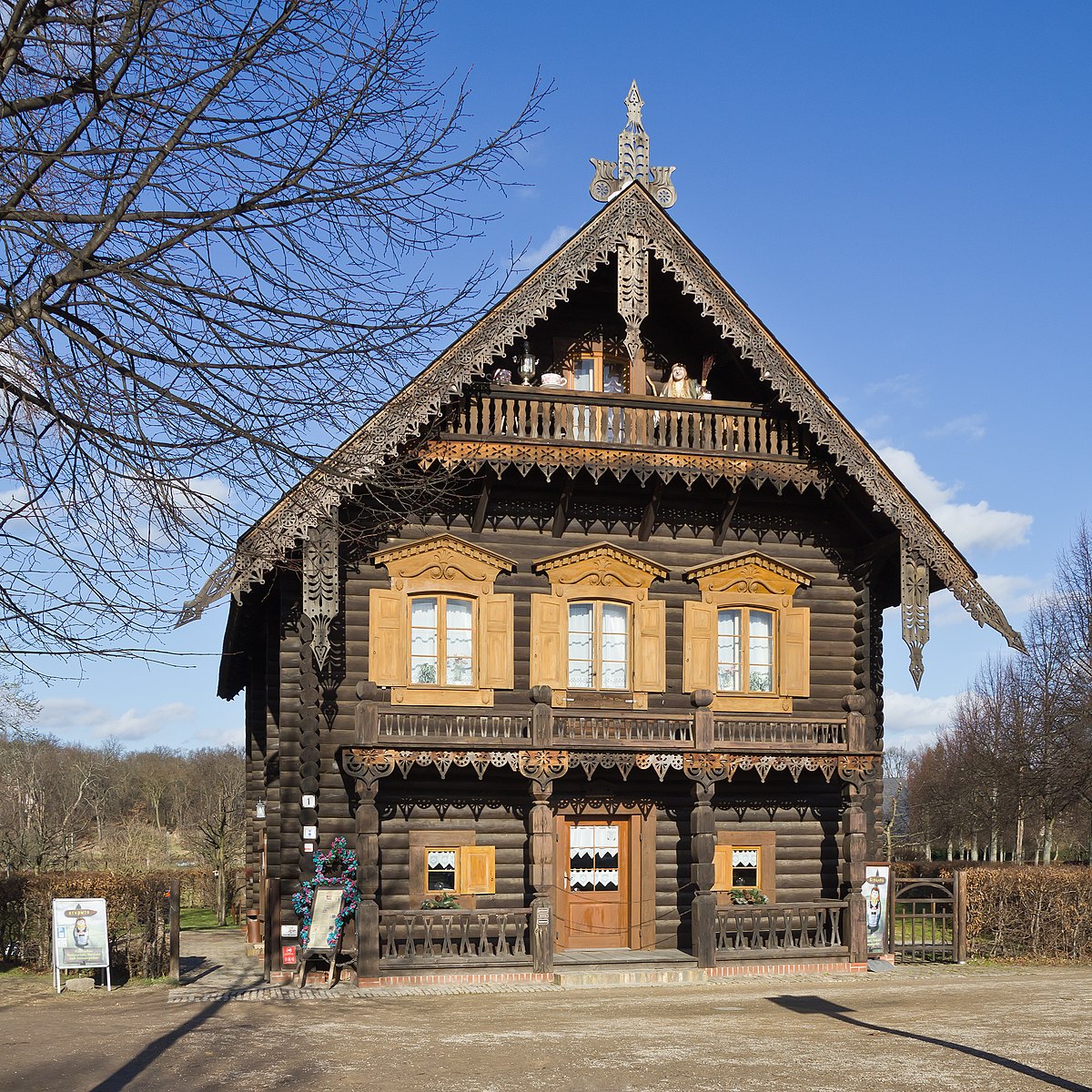
Alexandrowka
📍 Brandenburg, Germany
Located in the picturesque city of Potsdam, Germany, Alexandrowka is an intriguing architectural ensemble that reflects a unique blend of Russian and …

Alhauser Hammer
📍 North Rhine-Westphalia, Germany
Alhauser Hammer is a remarkable architectural ensemble located in Ennepetal, Germany, known for its historical significance as a water-driven hammer …

Alsdorfer Ölmühle
📍 North Rhine-Westphalia, Germany
The Alsdorfer Ölmühle, an architectural ensemble located in the heart of Alsdorf, Germany, is a remarkable example of a traditional watermill that …