
Binnenschifffahrtsmuseum
Overview
The Binnenschifffahrtsmuseum, located in the charming town of Oderberg, Germany, serves as a vital repository of the region’s maritime heritage. This museum is dedicated to inland shipping, showcasing the history and evolution of vessels that traversed the country’s extensive waterways. The museum’s collections and exhibits reflect the significance of these waterways, not only in terms of transportation and trade but also in shaping the communities that developed along them.
Visiting the Binnenschifffahrtsmuseum offers a unique opportunity to delve into the intricacies of Germany’s inland navigation, from traditional shipbuilding techniques to the pivotal role of waterways in local economies. The museum stands as an educational resource that illuminates the relationship between the people and their environment, providing insight into the maritime practices that have defined the region for centuries.
Whether you are a history enthusiast, a maritime aficionado, or simply seeking an engaging day out, the Binnenschifffahrtsmuseum promises an enriching experience that will deepen your appreciation for the historical significance of inland shipping.
History and Significance
The Binnenschifffahrtsmuseum holds cultural importance as it preserves the legacy of inland shipping in Germany, a practice that has been integral to the nation’s development. Waterways have served as crucial transportation routes for goods and people, enabling trade and cultural exchange. The museum stands as a reminder of how these routes have influenced economic growth and urban development in the region.
The exhibits at the museum highlight the evolution of ship designs and technologies, showcasing how they adapted to the changing demands of navigation and commerce over time. Visitors can explore a variety of artifacts, including models of historic vessels, navigational instruments, and documents that chronicle the history of inland shipping. These items provide valuable context for understanding the technological advancements and regulatory frameworks that have shaped maritime practices.
Additionally, the museum contributes to the preservation of local traditions related to shipbuilding and navigation, fostering a sense of pride and continuity within the community. By educating visitors about the historical context and significance of inland navigation, the Binnenschifffahrtsmuseum plays an essential role in maintaining the region’s cultural heritage.
Architecture and Features
The architectural design of the Binnenschifffahrtsmuseum reflects its functional purpose and historical context. While specific details about the building’s architecture may not be available, museums of this nature often feature a blend of modern and traditional elements, designed to accommodate both permanent exhibits and special displays effectively.
Inside, visitors can expect to find a variety of exhibition spaces that are thoughtfully planned to guide them through the history of inland navigation. The layout typically includes dedicated areas for interactive displays, educational programs, and curated exhibitions that highlight the changing dynamics of waterways and shipping.
Notable features may include life-sized ship models, dioramas depicting historical scenes, and informative signage that enhances the visitor experience by providing context and background on the exhibits. These elements work together to create an engaging environment that invites exploration and discovery.
Visiting Information
When planning a visit to the Binnenschifffahrtsmuseum, it is advisable to check the official website for current information on hours of operation and ticket prices. The museum is accessible by various means of transportation, making it convenient for both local residents and tourists.
Visitors should allow approximately 1-2 hours to explore the museum thoroughly, as this gives ample time to appreciate the exhibits and engage with the educational content. The museum is suitable for visitors of all ages, making it a family-friendly destination.
The best times to visit may vary, but weekdays often see fewer crowds compared to weekends, providing a more relaxed experience. Special events or exhibitions may also draw larger numbers, so checking the calendar on the official website can help in planning your visit.
Nearby Attractions
Historic Oderberg Town Center: Just a short walk from the museum, the historic town center features charming architecture and quaint shops, perfect for a leisurely stroll.
Oder River: The nearby river offers picturesque views and opportunities for outdoor activities, such as walking trails along the waterfront.
Local Parks: The area surrounding the museum has several parks where visitors can relax and enjoy the natural beauty of the region.
Nearby Art Galleries: Explore local art scenes by visiting nearby galleries that showcase works by regional artists.
Sculpture Park: This outdoor area features a variety of sculptures, adding an artistic element to your visit and providing a pleasant space to reflect on the exhibits seen at the museum.
Insider Tips
To capture the essence of your visit, consider bringing a camera to document the fascinating exhibits and displays. However, it’s essential to verify the museum’s policy on photography, as certain areas may have restrictions.
To avoid crowds, consider visiting during weekday mornings, which tend to be less busy. This will enhance your experience, allowing you to engage more deeply with the exhibits and interact with museum staff without feeling rushed.
Practical Information
When visiting the Binnenschifffahrtsmuseum, it is beneficial to bring comfortable walking shoes, as you may spend a good amount of time exploring the exhibits. Depending on the season, dressing in layers is advisable to accommodate varying indoor and outdoor temperatures.
For those traveling with children or needing additional amenities, it is recommended to verify the availability of family-friendly facilities and rest areas. Always check the official website for seasonal considerations and any special events that may be taking place during your visit.
Frequently Asked Questions
How long should I spend visiting?
A typical visit lasts around 1-2 hours, allowing adequate time to explore the exhibits and engage with the museum’s offerings.
Is photography allowed?
Photography policies may vary, so it is best to check with the museum staff or signage upon arrival to understand any restrictions.
Are there guided tours?
Information regarding guided tours may be available on the official website. Check there for details on scheduling and availability.
What’s the best time to visit?
Weekday mornings often see fewer visitors, providing a more tranquil experience. Special events may attract larger crowds, so planning ahead can enhance your visit.
Is it wheelchair accessible?
Accessibility details may be available on the official website. It is advisable to check prior to your visit to ensure a comfortable experience.
Can I buy tickets online?
Check the official website for information on purchasing tickets online, which may streamline your entry process.
Are there restrooms and cafes?
Facilities such as restrooms and cafes are generally available at museums. Verify their locations and availability upon arrival.
What should I wear?
Dress comfortably, and consider layering your clothing to adapt to changing temperatures inside and outside the museum.
More in Brandenburg
Agnetenkloster
📍 Brandenburg, Germany
Agnetenkloster, a former monastery located in the heart of Magdeburg, Germany, invites visitors to explore its serene ambiance and historical …

Agroneum
📍 Brandenburg, Germany
Agroneum is a museum located in the serene landscape of Alt Schwerin, Germany. This establishment serves as a vibrant hub for those interested in the …

Alexander Nevsky Memorial Church
📍 Brandenburg, Germany
The Alexander Nevsky Memorial Church in Potsdam, Germany, offers visitors a unique glimpse into the city’s cultural and religious heritage. This …
Alexandrowka
📍 Brandenburg, Germany
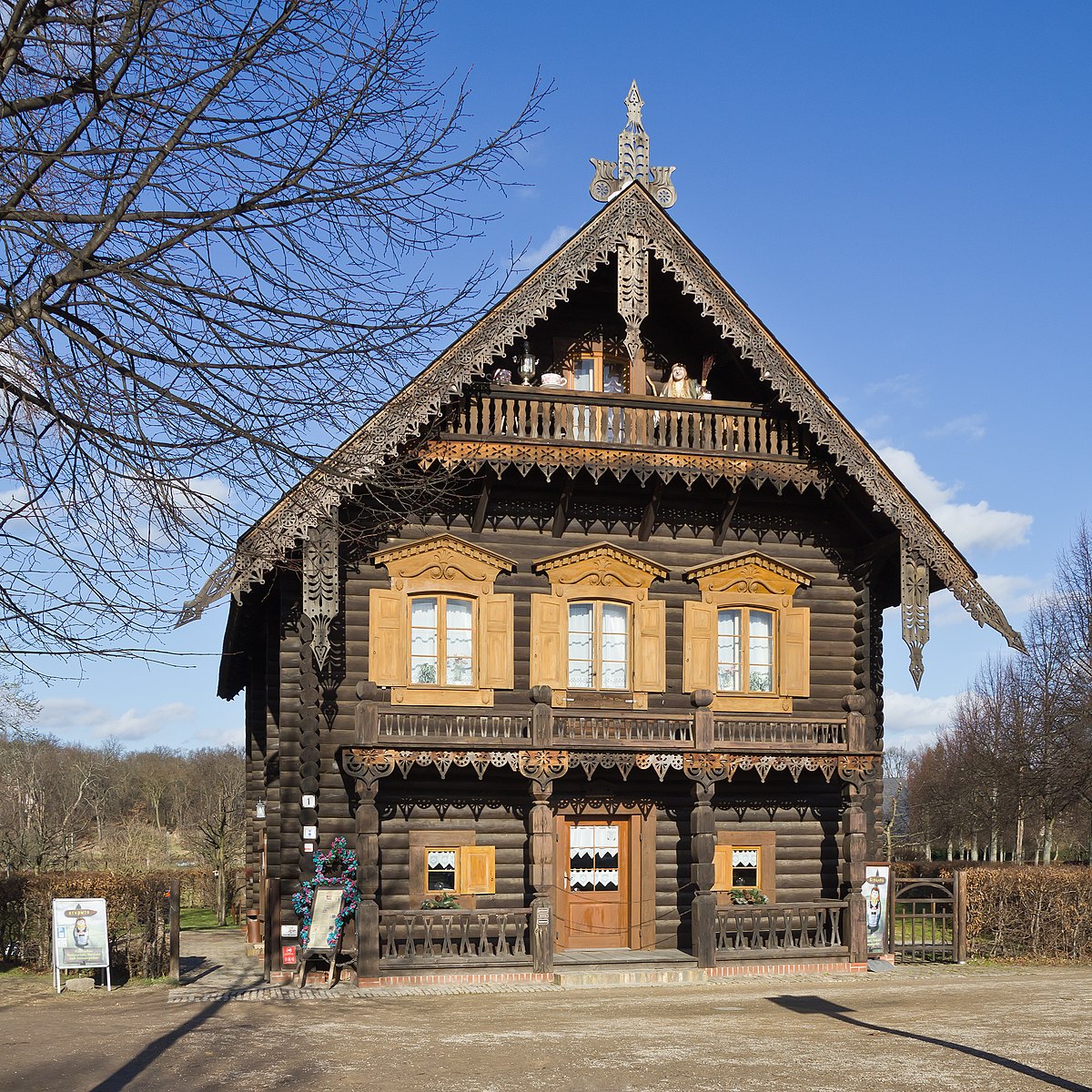
Located in the picturesque city of Potsdam, Germany, Alexandrowka is an intriguing architectural ensemble that reflects a unique blend of Russian and …

Alte Burg Penzlin
📍 Brandenburg, Germany
Alte Burg Penzlin, a captivating castle located in the quaint town of Penzlin, Germany, serves as a remarkable example of medieval architecture and …

Alte Dorfkirche Röxe
📍 Brandenburg, Germany
The Alte Dorfkirche Röxe stands as a poignant symbol of architectural and cultural history in the Stendal region of Germany. This church building, …
More Museums

Abbey and Altenmünster of Lorsch
📍 Baden-Württemberg, Germany
The Abbey and Altenmünster of Lorsch is a UNESCO World Heritage site located in the charming town of Lorsch, Germany. This significant cultural …
Abenteuermuseum
📍 Rhineland-Palatinate, Germany
The Abenteuermuseum, located in Germany, invites visitors to explore the wonders of adventure through its unique exhibits and engaging experiences. …

Abwasser- und Sielmuseum
📍 Hamburg, Germany
The Abwasser- und Sielmuseum, located in the heart of Hamburg-Mitte, offers a unique glimpse into the city’s historical infrastructure concerning …

Academy of Arts, Berlin
📍 Berlin, Germany
The Academy of Arts in Berlin is not just a museum; it is a prominent national institution dedicated to the advancement of the arts in Germany. …

Ackerbürgermuseum Haus Leck
📍 Hesse, Germany
Ackerbürgermuseum Haus Leck is a culturally significant museum located in Germany’s Grebenstein region, dedicated to preserving and showcasing the …

Active Museum Spiegelgasse
📍 Hesse, Germany
Active Museum Spiegelgasse is a vital institution dedicated to preserving and exploring the German-Jewish history of Wiesbaden, Germany. Located in …