
Billungstraße 1–10, Brühlstraße 1–10, Kaiser-Otto-Straße 5
Overview
In the heart of Quedlinburg, Germany, a striking architectural ensemble captures the essence of the town’s storied past. Comprising Billungstraße 1–10, Brühlstraße 1–10, and Kaiser-Otto-Straße 5, this group of buildings encapsulates the unique charm and historical significance of one of Germany’s most well-preserved medieval towns. Quedlinburg, a UNESCO World Heritage Site, is renowned for its half-timbered houses and cobblestone streets, making it a prime destination for history enthusiasts and architecture aficionados alike.
Situated at coordinates 51.78344, 11.13812, this architectural ensemble not only showcases a variety of styles and periods but also reflects the cultural evolution of the region. Visitors can expect to be immersed in the fascinating narratives that these structures convey, each contributing to the overall character of the town. Whether you are seeking to explore the intricacies of medieval architecture or simply enjoy a leisurely stroll through charming streets lined with historic buildings, this area promises an enriching experience.
History and Significance
Quedlinburg has a rich historical tapestry that dates back over a millennium, serving as a key center during various periods of German history. The architectural ensemble at Billungstraße, Brühlstraße, and Kaiser-Otto-Straße is integral to this narrative, reflecting the town’s development from a royal residence to a thriving market town.
The buildings within this ensemble demonstrate the transition of styles influenced by social, political, and economic changes over the centuries. The significance of these structures is further underscored by their collective representation of the medieval urban fabric, which has remained largely intact. Quedlinburg was a favored residence of the Ottonian dynasty, and it played an essential role as a center for religious and political activity.
As a UNESCO World Heritage Site, Quedlinburg is recognized not just for its individual buildings but also for how these structures interact to form a cohesive urban landscape. The ensemble at Billungstraße 1–10, Brühlstraße 1–10, and Kaiser-Otto-Straße 5 is an essential part of this narrative, offering insights into the architectural evolution and cultural heritage of the area.
Architecture and Features
The architectural ensemble is characterized by a blend of styles that highlight the richness of Quedlinburg’s history. The buildings feature traditional half-timbering, a distinctive construction method that uses wooden frames filled with wattle and daub or brick. This approach not only serves aesthetic purposes but also provides structural integrity and insulation.
Each building in the ensemble has unique features, showcasing different periods of construction and design elements. Visitors will observe intricate woodwork, ornate gables, and decorative elements that hint at the wealth and status of their former inhabitants. The facades are often painted in pastel hues, adding to the visual appeal of the streetscape.
While the ensemble represents a mix of architectural styles, it is the harmony and continuity among the structures that stand out. This coherence is a key aspect of what makes the area noteworthy, as it encapsulates a significant chapter in the evolution of urban architecture in Germany.
Visiting Information
Getting to the architectural ensemble at Billungstraße 1–10, Brühlstraße 1–10, and Kaiser-Otto-Straße 5 is straightforward, as Quedlinburg is well-connected by public transport. Visitors can easily reach the town by train or bus, and once there, the ensemble is accessible on foot. The compact nature of the town makes it ideal for exploration on foot, allowing visitors to fully appreciate the historical context of the area.
Check the official website for current information regarding opening hours and any fees that may apply to specific buildings or exhibitions within the ensemble. While no specific hours are provided here, it’s advisable to plan your visit during daylight to fully appreciate the architectural details.
Depending on your interests, you may want to allocate a couple of hours to explore the ensemble thoroughly. The best times to visit are during the spring and early autumn months when the weather is mild, making it pleasant for walking and photography.
Nearby Attractions
While visiting the architectural ensemble, consider exploring these nearby attractions that further enhance your experience in Quedlinburg:
St. Servatius Church: A remarkable example of Romanesque architecture, this church is a short walk from the ensemble and offers stunning interior features and historical significance.
Quedlinburg Castle: Perched on a hill, the castle provides panoramic views of the town and houses a museum with exhibits related to local history and art.
Market Square: The bustling heart of Quedlinburg, this square features a variety of shops, cafes, and the iconic Roland statue, symbolizing the town’s autonomy.
Old Town: A UNESCO World Heritage Site itself, the Old Town is filled with cobbled streets and timber-framed buildings, perfect for leisurely exploration.
Bergstraße: A picturesque street lined with charming houses, ideal for a scenic walk and capturing the essence of Quedlinburg’s architectural style.
Insider Tips
To capture the best photographs of the architectural ensemble, consider visiting early in the morning or later in the afternoon when the light is softer. This not only enhances the visual appeal but also helps avoid larger crowds that tend to gather during midday.
Additionally, exploring the ensemble during weekdays can provide a more tranquil experience, allowing for leisurely exploration without the hustle and bustle of weekend visitors.
Practical Information
When visiting the architectural ensemble, it’s advisable to wear comfortable walking shoes as the cobblestone streets can be uneven. Carrying a camera is highly recommended, given the picturesque nature of the buildings and surroundings.
Seasonal considerations include being prepared for varying weather conditions, particularly in the winter months when temperatures can drop. Visiting in spring or autumn offers a more temperate climate and vibrant foliage, enhancing the overall experience.
Frequently Asked Questions
How long should I spend visiting?
A couple of hours is generally sufficient to explore the ensemble and its immediate surroundings, although history enthusiasts may wish to linger longer.
Is photography allowed?
Yes, photography is generally permitted, allowing visitors to capture the beauty of the architecture.
Are there guided tours?
Check the official website for information on guided tours that may be available, enhancing your understanding of the site’s history.
What’s the best time to visit?
Spring and early autumn are ideal for comfortable weather and beautiful scenery.
Is it wheelchair accessible?
While many areas are accessible, the historic nature of the site may present challenges. Check ahead for specific accessibility options.
Can I buy tickets online?
Check the official website for information on ticket availability and purchasing options.
Are there restrooms and cafes?
There are facilities in the vicinity, but specific locations may vary. It’s advisable to check ahead.
What should I wear?
Comfortable clothing and shoes are recommended, especially for walking on cobblestone streets.
More in Lower Saxony

2000 Jahre Christentum
📍 Lower Saxony, Germany
The “2000 Jahre Christentum,” a prominent statue located in Brunswick, Germany, serves as a significant cultural landmark that reflects the rich …
A. Heucke
📍 Lower Saxony, Germany
A. Heucke, located in the historic town of Gatersleben in Germany’s Seeland region, represents a significant chapter in the story of industrial …

Aalto Theatre
📍 Lower Saxony, Germany
The Aalto Theatre in Essen, Germany, is a prominent cultural landmark that attracts both local and international visitors. Renowned for its …

Aasee
📍 Lower Saxony, Germany
Aasee is a picturesque lake located in the town of Ibbenbüren, Germany, serving as a popular destination for both locals and visitors alike. This …
Abgunst Mine
📍 Lower Saxony, Germany
Abgunst Mine, located in the industrial heart of Essen, Germany, is a significant heritage site that represents the country’s rich mining history. As …

Accumer Mühle
📍 Lower Saxony, Germany
Accumer Mühle is a captivating windmill located in Schortens, Germany, that showcases the remarkable engineering of traditional European mills. This …
More Architectural Ensembles

144., 176. und 184. Gemeindeschule
📍 Berlin, Germany
The 144., 176. und 184. Gemeindeschule, an architectural ensemble located in the vibrant city of Berlin, stands as a noteworthy example of educational …

Adelheidstraße 3–7, 9–12, 12a, 14, 15, 22–31, Amelungstraße 1, Friedrich-Ebert-Platz
📍 Lower Saxony, Germany
In the heart of Quedlinburg, Germany, lies a captivating architectural ensemble that reflects the town’s historical significance and cultural …

Aegidiimarkt
📍 Lower Saxony, Germany
Aegidiimarkt is a captivating architectural ensemble located in the heart of Münster, Germany. This vibrant square not only serves as a hub for local …
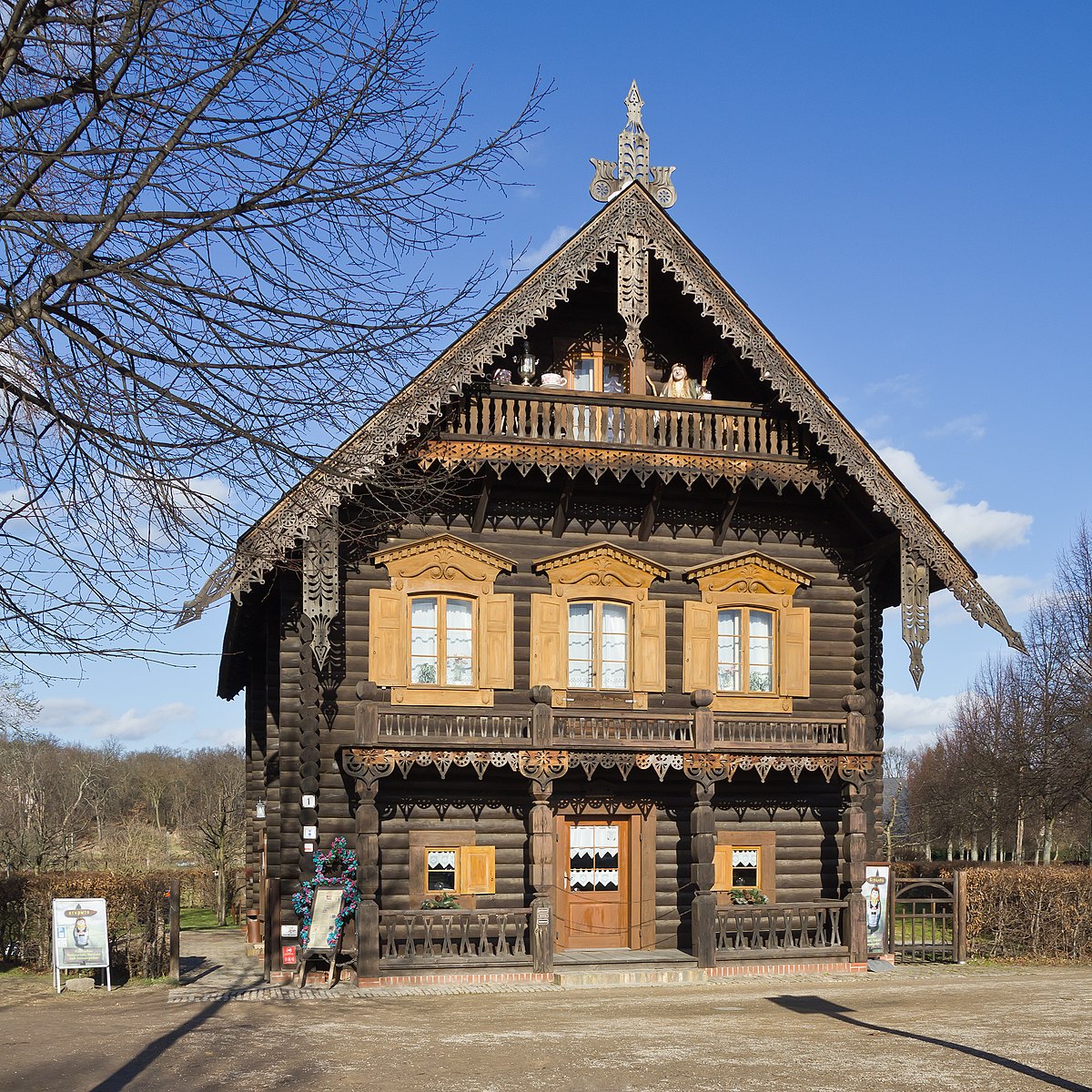
Alexandrowka
📍 Brandenburg, Germany
Located in the picturesque city of Potsdam, Germany, Alexandrowka is an intriguing architectural ensemble that reflects a unique blend of Russian and …

Alhauser Hammer
📍 North Rhine-Westphalia, Germany
Alhauser Hammer is a remarkable architectural ensemble located in Ennepetal, Germany, known for its historical significance as a water-driven hammer …

Alsdorfer Ölmühle
📍 North Rhine-Westphalia, Germany
The Alsdorfer Ölmühle, an architectural ensemble located in the heart of Alsdorf, Germany, is a remarkable example of a traditional watermill that …