
Bethanien
Overview
In the heart of Berlin’s Friedrichshain-Kreuzberg district lies Bethanien, a unique architectural ensemble that serves as a cultural center and a reminder of the city’s storied past. Originally constructed as a hospital, this landmark has transformed into a vibrant hub for artists and the community, reflecting the dynamic spirit of Berlin. With its rich history and ongoing cultural significance, Bethanien draws visitors eager to explore both its architectural beauty and the diverse events it hosts.
The site is located at coordinates 52.5039, 13.4244, making it easily accessible from various parts of the city. Visitors to Bethanien can engage with a multitude of cultural offerings, from art exhibitions to workshops, all while appreciating the historical context of the building itself. The juxtaposition of its past as a medical institution with its current role as a cultural center provides a fascinating backdrop for exploration and discovery.
Bethanien not only serves as a significant cultural venue but also embodies the resilience and innovation characteristic of Berlin. As you navigate its halls, you will encounter a space where creativity flourishes, making it a must-visit destination for anyone interested in the intersection of history and contemporary art.
History and Significance
The history of Bethanien is intertwined with the evolution of healthcare and urban development in Berlin. Originally established as a hospital, the site has undergone various transformations over the years. The building has witnessed significant changes, reflecting broader societal shifts and the changing needs of the community.
During its time as a hospital, Bethanien played a crucial role in the local healthcare system, serving the population and contributing to medical advancements. Its architectural design, typical of the era, combined functionality with an aesthetic appeal that remains evident today. Over time, as healthcare practices evolved and urban space was reimagined, the building’s purpose shifted.
In the late 20th century, as Berlin underwent a dramatic transformation following the reunification of East and West, Bethanien was repurposed into a cultural center. This transition marked a significant moment in the neighborhood’s revitalization, as artists and cultural institutions began to occupy the space. Today, Bethanien stands as a symbol of this cultural renaissance, hosting various events, exhibitions, and workshops that engage the public and foster artistic expression.
The significance of Bethanien extends beyond its architecture; it embodies the resilience of Berlin’s cultural landscape. The site actively supports local artists and promotes community engagement, ensuring that it remains a vital part of the city’s ongoing narrative. Visitors to Bethanien not only experience a piece of history but also participate in the living, breathing culture of Berlin.
Architecture and Features
The architectural ensemble of Bethanien is a notable example of the style prevalent at the time of its construction. The building features a blend of traditional and functional design elements, which reflect its original purpose as a hospital. Its exterior showcases a façade that combines robustness with intricate detailing, inviting admiration from both locals and visitors alike.
As you approach Bethanien, you will notice its imposing structure, characterized by large windows and a symmetrical layout that enhances its presence within the urban landscape. The architecture is both practical and aesthetically pleasing, designed to accommodate the needs of a healthcare facility while also making a statement in the neighborhood.
Inside, the space has been thoughtfully adapted for its current use as a cultural center. The layout accommodates a variety of artistic endeavors, with flexible spaces suitable for exhibitions, performances, and workshops. Original features have been preserved where possible, allowing visitors to appreciate the building’s historical character alongside contemporary artistic expressions.
The blend of old and new is particularly striking in the communal areas, which have been designed to foster interaction and collaboration among artists and the public. The thoughtful integration of modern amenities ensures that Bethanien remains a functional and inviting space, contributing to a vibrant cultural scene in Berlin.
Visiting Information
Bethanien is conveniently located and easily accessible via public transportation, making it a straightforward destination for visitors exploring Berlin. To reach the site, consider using the local tram or bus services, which regularly connect to the Friedrichshain-Kreuzberg district. For those driving, nearby parking options may be available, but it’s advisable to check ahead as availability can vary.
Before planning your visit, be sure to check the official website for current information regarding hours and pricing, as these can change. The cultural center typically hosts a variety of events, so it’s worth reviewing the calendar to see if any special exhibitions or workshops coincide with your visit.
Expect to spend a few hours at Bethanien to fully immerse yourself in the diverse offerings. The best times to visit are often during weekdays when the crowds are smaller, allowing for a more relaxed experience. Weekends may see increased foot traffic due to popular events, so plan accordingly if you prefer a quieter atmosphere.
As you explore, take advantage of the various amenities available on-site. These may include spaces for relaxation and contemplation, as well as areas where you can engage with ongoing artistic projects. Whether you are an art enthusiast or simply curious about Berlin’s cultural landscape, Bethanien promises an enriching experience.
Nearby Attractions
Bethanien is situated in a vibrant area filled with other attractions that complement your visit. Here are a few noteworthy sites to consider:
East Side Gallery: A short distance away, this open-air gallery showcases murals painted on a remaining section of the Berlin Wall. It serves as a poignant reminder of the city’s divided past and a platform for artistic expression.
Kreuzberg Museum: Dive deeper into the history and culture of the Kreuzberg district at this local museum, which offers insights into the community’s evolution and its diverse population.
Tempelhofer Feld: This former airport turned public park is a unique recreational area where visitors can enjoy walking, cycling, and various outdoor activities, all while taking in the vast open space.
Markthalle Neun: A historic market hall that has been revitalized as a food and cultural venue, offering a variety of local produce, street food, and artisanal products. It’s a great place to experience Berlin’s culinary scene.
Volkspark Friedrichshain: A picturesque park that provides a tranquil escape from the bustling city. It features walking paths, a lovely pond, and a children’s playground, making it perfect for a leisurely afternoon.
Insider Tips
To make the most of your visit to Bethanien, consider these insider tips:
Photography: While photography is generally permitted, be mindful of any specific exhibitions that may have restrictions. It’s a good idea to ask if you’re unsure.
Crowd Avoidance: If you prefer a quieter visit, aim for weekdays, especially in the morning or early afternoon. Major events often draw larger crowds, so checking the schedule in advance can help you plan accordingly.
Engage with Staff: The staff at Bethanien are often knowledgeable about the current exhibitions and events. Don’t hesitate to ask them for recommendations or insights to enhance your visit.
Practical Information
When visiting Bethanien, it’s advisable to bring a few essentials to ensure a comfortable experience:
Comfortable Footwear: Expect to do a fair amount of walking, so wear shoes that allow you to explore comfortably.
Weather Considerations: Depending on the season, be sure to dress appropriately. Berlin can experience varying weather conditions, so layers are recommended, particularly in spring and autumn.
Accessibility: Check the official website for information regarding wheelchair accessibility, as facilities may vary throughout the building.
For seasonal events or special exhibitions, remain informed by visiting the center’s website periodically. Engaging with the programming can enhance your understanding and appreciation of the cultural significance of Bethanien.
Frequently Asked Questions
How long should I spend visiting?
A visit typically lasts between two to four hours, depending on your interest in the exhibitions and events.
Is photography allowed?
Generally, photography is allowed, but be mindful of specific exhibitions that may have restrictions.
Are there guided tours?
Check the official website for information on guided tours, as these may be offered during specific events or exhibitions.
What’s the best time to visit?
Weekdays, especially during the morning or early afternoon, tend to be less crowded, making for a more relaxed experience.
Is it wheelchair accessible?
For detailed accessibility information, check the official website prior to your visit.
Can I buy tickets online?
Ticket purchasing options may vary; check the official website for details on online ticket sales.
Are there restrooms and cafes?
Facilities may be available on-site, but it’s a good idea to check the official website for current amenities.
What should I wear?
Dress comfortably and appropriately for the season, as you may do a fair amount of walking both inside and outside the building.
Bethanien is not just a destination; it offers a glimpse into the cultural heartbeat of Berlin, allowing visitors to connect with both the past and the present in a meaningful way.
More in Berlin

144., 176. und 184. Gemeindeschule
📍 Berlin, Germany
The 144., 176. und 184. Gemeindeschule, an architectural ensemble located in the vibrant city of Berlin, stands as a noteworthy example of educational …

Academy of Arts (Hanseatenweg)
📍 Berlin, Germany
The Academy of Arts (Hanseatenweg) stands as an emblem of Berlin’s vibrant cultural landscape, located in the historic Hansaviertel district. Renowned …

Academy of Arts, Berlin
📍 Berlin, Germany
The Academy of Arts in Berlin is not just a museum; it is a prominent national institution dedicated to the advancement of the arts in Germany. …

Academy of the Konrad-Adenauer-Stiftung
📍 Berlin, Germany
The Academy of the Konrad-Adenauer-Stiftung, located in the heart of Berlin, is not just a foundation but a hub of intellectual discourse and …

ACUD
📍 Berlin, Germany
Located in the heart of Berlin’s Bezirk Mitte, ACUD serves as a vibrant cultural center and cinema, showcasing an array of films and events that …

Admiralspalast
📍 Berlin, Germany
Admiralspalast is a prominent theatre and event venue located in the heart of Berlin, Germany. This architectural gem serves as a cultural hub, …
More Architectural Ensembles
144., 176. und 184. Gemeindeschule
📍 Berlin, Germany
The 144., 176. und 184. Gemeindeschule, an architectural ensemble located in the vibrant city of Berlin, stands as a noteworthy example of educational …

Adelheidstraße 3–7, 9–12, 12a, 14, 15, 22–31, Amelungstraße 1, Friedrich-Ebert-Platz
📍 Lower Saxony, Germany
In the heart of Quedlinburg, Germany, lies a captivating architectural ensemble that reflects the town’s historical significance and cultural …

Aegidiimarkt
📍 Lower Saxony, Germany
Aegidiimarkt is a captivating architectural ensemble located in the heart of Münster, Germany. This vibrant square not only serves as a hub for local …
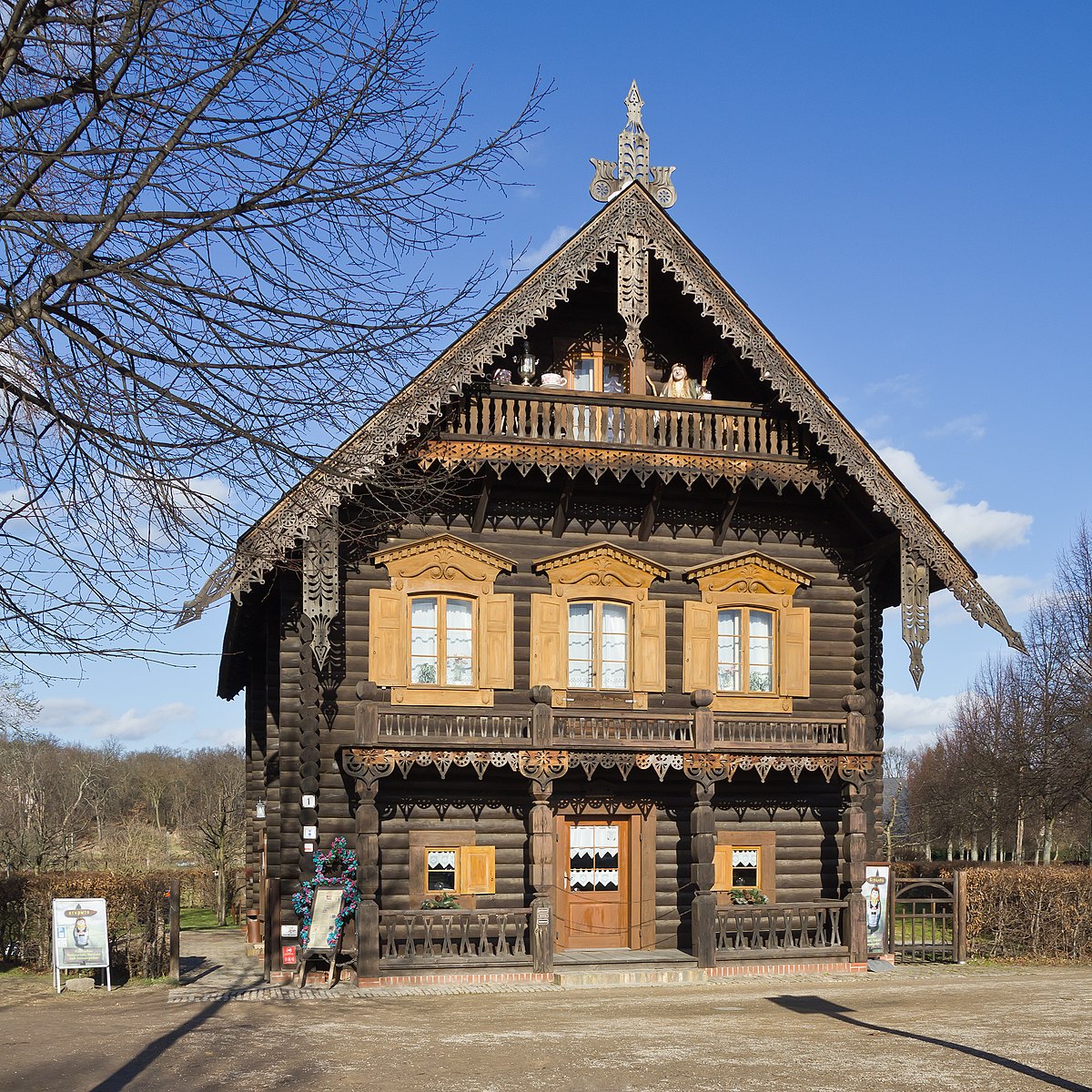
Alexandrowka
📍 Brandenburg, Germany
Located in the picturesque city of Potsdam, Germany, Alexandrowka is an intriguing architectural ensemble that reflects a unique blend of Russian and …

Alhauser Hammer
📍 North Rhine-Westphalia, Germany
Alhauser Hammer is a remarkable architectural ensemble located in Ennepetal, Germany, known for its historical significance as a water-driven hammer …

Alsdorfer Ölmühle
📍 North Rhine-Westphalia, Germany
The Alsdorfer Ölmühle, an architectural ensemble located in the heart of Alsdorf, Germany, is a remarkable example of a traditional watermill that …