
Besteckfabrik Hesse
Overview
In the heart of Schmallenberg, Germany, the Besteckfabrik Hesse stands as a notable architectural ensemble, reflecting the region’s industrial heritage. Once a thriving cutlery factory, this site represents more than just a building; it encapsulates the historical narrative of a community that flourished through craftsmanship and innovation. Situated at the coordinates 51.1377, 8.26098, the factory is a testament to the industrial past of Fleckenberg, a district known for its rich tradition in metalworking.
The significance of Besteckfabrik Hesse extends beyond its physical structure; it serves as a cultural landmark that highlights the evolution of local industry. Visitors to the site can expect to engage with the remnants of a bygone era, where the art of cutlery production was paramount. The factory not only played a crucial role in the economy of Schmallenberg but also contributed to the regional identity, making it a place of interest for those keen on understanding the development of industrial practices in Germany.
As you explore this historical site, you will encounter a narrative woven with local craftsmanship and community spirit. The Besteckfabrik Hesse invites visitors to delve into the past, promising an enriching experience that resonates with those who appreciate the subtleties of architectural and industrial heritage.
History and Significance
The Besteckfabrik Hesse is emblematic of the cutlery industry that thrived in the Schmallenberg area, a region that has long been associated with metalworking. The factory’s establishment marks a significant chapter in the local economy, where skilled artisans crafted high-quality cutlery that gained recognition beyond regional boundaries. While precise dates and details about the factory’s inception remain elusive, its impact is felt throughout the community.
Throughout its operational years, the factory was not merely a place of business; it was a hub of innovation and craftsmanship. The artisans employed at Besteckfabrik Hesse were known for their meticulous attention to detail, shaping metal into elegant cutlery pieces that became household essentials. The factory’s contribution to the local economy cannot be overstated, as it provided job opportunities and fostered a sense of pride among its workers and the community.
The architectural design of the factory itself reflects the industrial style of the time, featuring functional elements that were characteristic of manufacturing buildings. The site’s preservation allows for a glimpse into the industrial practices and community life of the era, serving as an educational resource for future generations. It stands as a reminder of the skills and dedication that shaped the economic landscape of Schmallenberg.
The cultural significance of Besteckfabrik Hesse is not confined to its historical production. The site embodies the story of a community that has evolved alongside its industries, adapting to changes while preserving its heritage. As such, it serves as a focal point for discussions on industrial history and the importance of craftsmanship in regional identity.
Architecture and Features
The architectural ensemble of Besteckfabrik Hesse is characterized by its utilitarian design, which reflects the industrial aesthetic typical of cutlery factories from its operational period. The structure features robust materials that were essential for industrial functionality, showcasing the practical approach that governed its construction.
One of the notable features of the factory is its expansive layout, originally designed to accommodate large-scale production and the intricate processes involved in cutlery manufacturing. The arrangement of the buildings within the ensemble allows visitors to appreciate the workflow and operational dynamics of a working factory. The enduring presence of machinery and tools, now part of the site’s historical narrative, adds depth to the visitor experience.
While the specifics of the architectural details may not be extensively documented, the overall impression of the Besteckfabrik Hesse is one of industriousness and efficiency. The factory’s design elements serve to remind visitors of the manual craftsmanship that once defined the cutlery industry. Each corner of the site tells a story, reflecting the labor and dedication of the artisans who once brought the factory to life.
Additionally, the surrounding landscape complements the architectural ensemble, providing a context that enhances its significance. This combination of architecture and environment creates an inviting atmosphere for exploration and reflection.
Visiting Information
Visiting the Besteckfabrik Hesse is an opportunity to immerse oneself in the industrial heritage of Schmallenberg. To reach the site, various transportation options are available. Local public transport services connect visitors to the area, and for those traveling by car, ample parking facilities are often accessible nearby.
Before planning your visit, it’s advisable to check the official website for current information regarding opening hours and any applicable entrance fees. Depending on the time of year, seasonal events or exhibitions may also influence your visit, providing additional context to the historical narrative of the factory.
Visitors typically spend around one to two hours exploring the site, allowing enough time to appreciate the architecture and learn about the factory’s history. The best times to visit are during weekdays when the site is generally less crowded, providing a more intimate experience with the historical context.
Upon arrival, you can expect to find informative displays that detail the factory’s history, enhancing your understanding of its significance within the local community. The site may also offer guided tours, which could provide deeper insights into the architectural features and historical anecdotes associated with the factory.
Nearby Attractions
While visiting Besteckfabrik Hesse, consider exploring other attractions in the Schmallenberg region to enhance your experience. Here are a few noteworthy nearby places:
Schmallenberg Town Center: A charming area with local shops, cafes, and historic buildings, providing a glimpse into the area’s culture and community life.
St. Alexander Church: A historic church located nearby that features impressive architecture and offers a serene atmosphere for reflection.
Rothaarsteig Trail: An extensive hiking route that showcases the natural beauty of the region, perfect for outdoor enthusiasts looking to explore the surrounding landscape.
Museum of Local History: This museum presents the rich history of the Schmallenberg area, including exhibits on traditional crafts and industries that shaped the community.
Schmallenberger Höhenweg: A scenic walking path that offers picturesque views of the countryside, ideal for a leisurely stroll or a more vigorous hike.
Insider Tips
For those planning to visit Besteckfabrik Hesse, here are a few insider tips to enhance your experience:
Photography: The factory’s architecture and surrounding area provide great opportunities for photography. Early morning or late afternoon light can create beautiful shadows and highlights on the structures.
Crowd Avoidance: To avoid crowds, consider visiting during weekdays, particularly in the early hours after opening. This allows for a more personal experience as you explore the site.
Guided Tours: If available, join a guided tour to gain deeper insights into the factory’s history and architecture. Guides often share fascinating stories that enrich your understanding of the site.
Practical Information
When planning your visit to Besteckfabrik Hesse, consider bringing along the following items to ensure a comfortable experience:
Comfortable Footwear: As you may spend considerable time walking around the site and exploring various features, comfortable shoes are recommended.
Weather Preparedness: Check the local weather forecast before your visit. Dress in layers to accommodate changing temperatures, and carry an umbrella if rain is expected.
Water and Snacks: While there may be local cafes nearby, having water and light snacks on hand can keep you energized during your exploration.
Camera and Notepad: If you enjoy documenting your travels, bring a camera for photography and a notepad for jotting down thoughts or reflections as you engage with the site.
Frequently Asked Questions
How long should I spend visiting?
Most visitors find that one to two hours is sufficient to explore the factory and appreciate its historical context.
Is photography allowed?
Yes, photography is typically allowed, but it’s best to be respectful of any guidelines set by the site.
Are there guided tours?
Check the official website for information on guided tours, as they may enhance your visit with additional insights.
What’s the best time to visit?
Weekdays, particularly in the morning, are generally the best times to avoid crowds and enjoy a more personal experience.
Is it wheelchair accessible?
Check the official website for specific accessibility information to ensure a comfortable visit.
Can I buy tickets online?
For the latest updates on ticket purchasing options, including online availability, please refer to the official website.
Are there restrooms and cafes?
Restroom facilities are often available at the site, and local cafes can be found in the nearby town for refreshments.
What should I wear?
Dress comfortably, considering the weather and the nature of your visit. Practical clothing and shoes are advisable for walking and exploring.
More in Hesse

Abri IX
📍 Hesse, Germany
Abri IX is an archaeological site located in Gleichen, Germany, that captures the essence of human history through its fascinating remnants. This site …

Ackerbürgermuseum Haus Leck
📍 Hesse, Germany
Ackerbürgermuseum Haus Leck is a culturally significant museum located in Germany’s Grebenstein region, dedicated to preserving and showcasing the …

Actien-Brauerei Homburg v. d. Höhe
📍 Hesse, Germany
Actien-Brauerei Homburg v. d. Höhe is a significant historical brewery located in Bad Homburg vor der Höhe, Germany. This former brewery is a …

Active Museum Spiegelgasse
📍 Hesse, Germany
Active Museum Spiegelgasse is a vital institution dedicated to preserving and exploring the German-Jewish history of Wiesbaden, Germany. Located in …

Adornodenkmal
📍 Hesse, Germany
Adornodenkmal, a prominent monument located in Frankfurt am Main, Germany, serves as a significant cultural landmark that encapsulates the spirit of …
Affentor
📍 Hesse, Germany
Affentor, the southernmost of the medieval city gates of Frankfurt am Main, serves as a historical marker of the city’s rich past and architectural …
More Architectural Ensembles

144., 176. und 184. Gemeindeschule
📍 Berlin, Germany
The 144., 176. und 184. Gemeindeschule, an architectural ensemble located in the vibrant city of Berlin, stands as a noteworthy example of educational …

Adelheidstraße 3–7, 9–12, 12a, 14, 15, 22–31, Amelungstraße 1, Friedrich-Ebert-Platz
📍 Lower Saxony, Germany
In the heart of Quedlinburg, Germany, lies a captivating architectural ensemble that reflects the town’s historical significance and cultural …

Aegidiimarkt
📍 Lower Saxony, Germany
Aegidiimarkt is a captivating architectural ensemble located in the heart of Münster, Germany. This vibrant square not only serves as a hub for local …
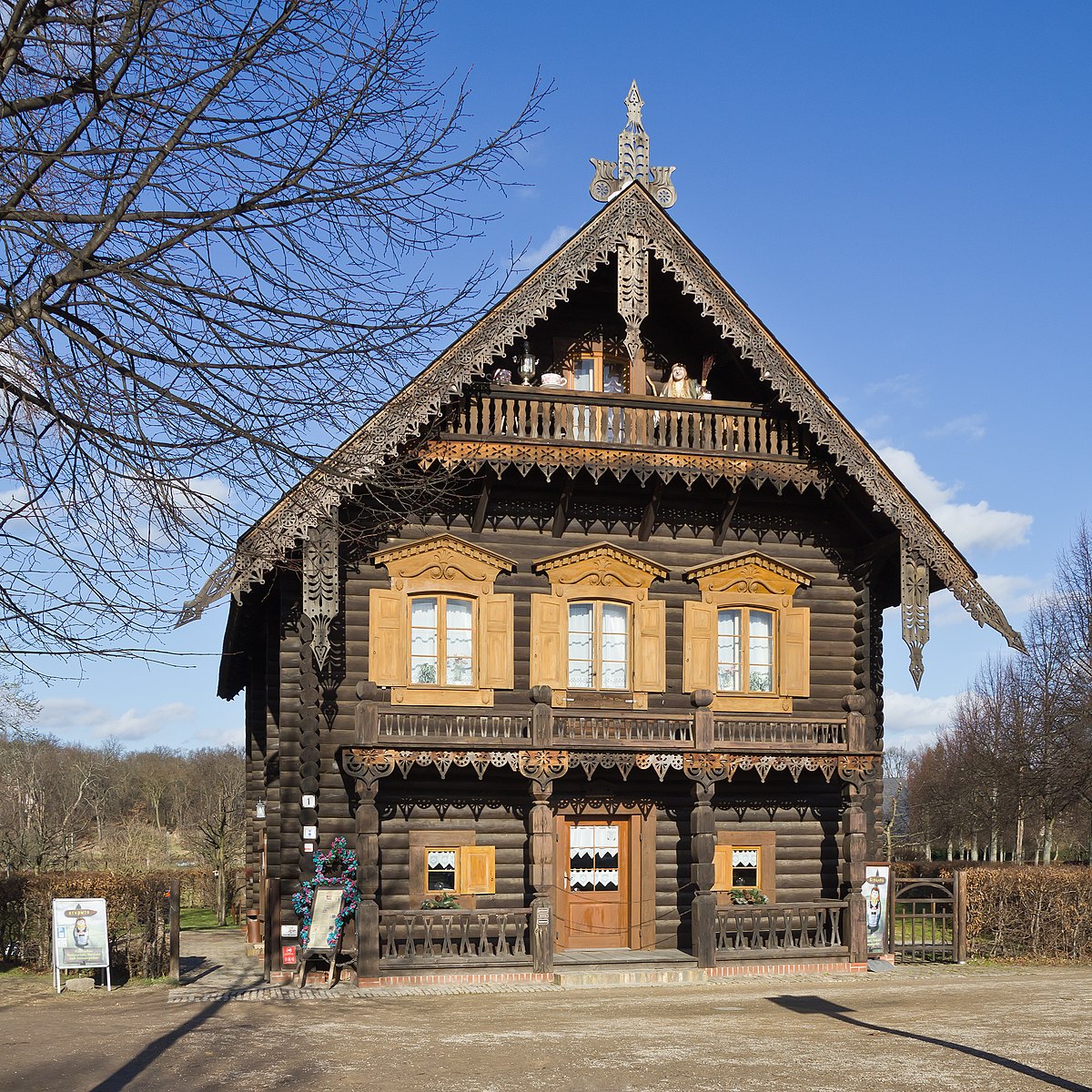
Alexandrowka
📍 Brandenburg, Germany
Located in the picturesque city of Potsdam, Germany, Alexandrowka is an intriguing architectural ensemble that reflects a unique blend of Russian and …

Alhauser Hammer
📍 North Rhine-Westphalia, Germany
Alhauser Hammer is a remarkable architectural ensemble located in Ennepetal, Germany, known for its historical significance as a water-driven hammer …

Alsdorfer Ölmühle
📍 North Rhine-Westphalia, Germany
The Alsdorfer Ölmühle, an architectural ensemble located in the heart of Alsdorf, Germany, is a remarkable example of a traditional watermill that …