
Berlinische Galerie
Overview
In the vibrant heart of Berlin’s Kreuzberg district lies the Berlinische Galerie, a cultural hub for modern art, photography, and architecture. This art museum represents a dynamic intersection of creativity and history, showcasing works that reflect the evolution of artistic expression in Berlin and beyond. With its engaging exhibitions and a diverse collection, the Berlinische Galerie invites visitors to explore contemporary art and its context within the city’s rich cultural landscape. As you step inside, you will encounter a space that fosters dialogue and inspiration, offering a unique perspective on the artistic movements that have shaped Germany’s capital.
Berlin, known for its eclectic art scene, is home to many museums, but the Berlinische Galerie stands out for its focus on modern works from the 20th century to the present. This museum not only serves as a platform for established and emerging artists but also as a reflection of the city’s social and political narratives. The museum’s commitment to innovation and education makes it an integral part of Berlin’s cultural fabric, making it a must-visit for art enthusiasts and casual visitors alike.
History and Significance
The Berlinische Galerie was founded with the intention of collecting and showcasing modern art, with a particular emphasis on works created in Berlin. Its establishment highlights the importance of the city as a center for artistic development, particularly in the wake of significant historical events that have shaped its identity. The museum’s mission extends beyond mere preservation; it aims to engage visitors with contemporary issues through the lens of art.
Throughout its history, the museum has developed a diverse collection that includes painting, sculpture, photography, and architecture. The focus on modern art allows for a dialogue with the present, as the works displayed often reflect ongoing societal changes and challenges. This relevance makes the Berlinische Galerie an essential destination for understanding not only the history of art but also the current cultural landscape.
The museum has also played a crucial role in supporting artists, both established and emerging. By providing exhibition space and hosting educational programs, it nurtures creativity and fosters a sense of community among artists and audiences alike. The Berlinische Galerie serves as a reminder of art’s power to provoke thought, inspire change, and foster understanding across diverse perspectives.
Architecture and Features
The Berlinische Galerie is housed in a modern building that seamlessly merges functionality with aesthetic appeal. The architecture is characterized by its open and airy space, designed to enhance the viewing experience. Large windows allow natural light to flood the galleries, creating an inviting atmosphere for visitors to engage with the artwork.
Inside, the layout is thoughtfully designed to accommodate a variety of exhibitions, from large installations to more intimate displays. The museum’s design emphasizes accessibility, ensuring that all visitors can navigate the space comfortably. Key features include flexible exhibition areas that can be adapted for different themes and formats, enabling the museum to continually evolve its presentation of contemporary art.
Additionally, the museum often incorporates multimedia elements into its exhibitions, enhancing the storytelling aspect of the artworks and providing a multi-faceted experience for visitors. The blend of traditional and modern elements within the museum’s architecture reflects the innovative spirit of the art it showcases.
Visiting Information
The Berlinische Galerie is conveniently located in the Friedrichshain-Kreuzberg region of Berlin, easily accessible by public transport. Visitors can take advantage of the city’s extensive network of buses and trains to reach the museum. For the latest information on opening hours and ticket prices, it is advisable to check the official website prior to your visit, as these details can vary.
Expect to spend a few hours exploring the museum, depending on your level of interest in the exhibitions. The layout encourages a leisurely pace, allowing you to immerse yourself in the diverse range of artworks on display. Ideal visiting times typically align with weekdays when crowds are smaller, providing a more intimate experience with the art.
On-site amenities are designed to enhance your visit, including rest areas and information desks. Be sure to take advantage of any guided tours or educational programs offered, as these can provide deeper insights into the exhibitions and the artists featured.
Nearby Attractions
While visiting the Berlinische Galerie, consider exploring some of the nearby attractions that contribute to the unique character of the Kreuzberg district. Here are a few recommendations:
Jewish Museum Berlin: Just a short distance away, this museum offers a profound exploration of Jewish history and culture in Germany through innovative architecture and engaging exhibits.
Berlin Wall Memorial: A significant historical site, the memorial commemorates the division of Berlin during the Cold War, providing context to the city’s complex past.
Tempelhofer Feld: Once an airport, this expansive park is now a public space for recreation and leisure, ideal for a stroll or a picnic.
East Side Gallery: This open-air gallery features murals painted on a remaining section of the Berlin Wall, showcasing the artistic expressions of freedom and unity.
Markthalle Neun: A vibrant market hall that hosts local vendors and offers a taste of Berlin’s culinary scene, perfect for a post-visit snack or meal.
Insider Tips
When visiting the Berlinische Galerie, consider bringing a camera, as the museum often features visually striking installations and artworks. However, be mindful of photography regulations, as some exhibitions may have restrictions. To avoid the crowds, plan your visit for early in the day or later in the afternoon during weekdays. This will allow you to enjoy the artworks at a more leisurely pace and engage with the pieces without the distractions of large groups.
Taking advantage of any guided tours available can also enrich your experience, providing context and background that may not be immediately apparent from the artworks alone.
Practical Information
When preparing for your visit to the Berlinische Galerie, consider bringing a small backpack for personal items, such as water and snacks, to keep you refreshed during your exploration. Comfortable shoes are recommended, as you may spend several hours walking through the galleries.
Seasonal considerations may influence your visit; consider checking the weather forecast if you plan to explore nearby outdoor attractions. Additionally, if you are visiting during peak tourist seasons, such as summer, be prepared for larger crowds and potentially longer wait times.
Frequently Asked Questions
How long should I spend visiting?
A visit to the Berlinische Galerie typically takes about two to three hours, allowing ample time to explore the exhibitions and engage with the art.
Is photography allowed?
Photography policies can vary by exhibition. Check for signs or ask staff if you’re unsure whether photography is permitted in specific areas.
Are there guided tours?
Yes, the museum often provides guided tours. These can offer deeper insights into the artworks and the artists, enhancing your overall experience.
What’s the best time to visit?
Weekdays, particularly early in the morning or late in the afternoon, tend to be the best times to avoid crowds and enjoy a more relaxed visit.
Is it wheelchair accessible?
The Berlinische Galerie is designed to be accessible to all visitors, with facilities and services in place to accommodate those with mobility challenges.
Can I buy tickets online?
Yes, tickets can typically be purchased online through the museum’s official website, which may also provide options for guided tours and special events.
Are there restrooms and cafes?
The museum includes restroom facilities for visitors. Check for on-site dining options or cafes for refreshments during your visit.
What should I wear?
Comfortable clothing and shoes are recommended, as you may be walking around for an extended period. Dress in layers to accommodate varying indoor temperatures.
More in Berlin

144., 176. und 184. Gemeindeschule
📍 Berlin, Germany
The 144., 176. und 184. Gemeindeschule, an architectural ensemble located in the vibrant city of Berlin, stands as a noteworthy example of educational …

Academy of Arts (Hanseatenweg)
📍 Berlin, Germany
The Academy of Arts (Hanseatenweg) stands as an emblem of Berlin’s vibrant cultural landscape, located in the historic Hansaviertel district. Renowned …

Academy of Arts, Berlin
📍 Berlin, Germany
The Academy of Arts in Berlin is not just a museum; it is a prominent national institution dedicated to the advancement of the arts in Germany. …

Academy of the Konrad-Adenauer-Stiftung
📍 Berlin, Germany
The Academy of the Konrad-Adenauer-Stiftung, located in the heart of Berlin, is not just a foundation but a hub of intellectual discourse and …

ACUD
📍 Berlin, Germany
Located in the heart of Berlin’s Bezirk Mitte, ACUD serves as a vibrant cultural center and cinema, showcasing an array of films and events that …

Admiralspalast
📍 Berlin, Germany
Admiralspalast is a prominent theatre and event venue located in the heart of Berlin, Germany. This architectural gem serves as a cultural hub, …
More Art Museums

Aachen Cathedral Treasury
📍 North Rhine-Westphalia, Germany
Aachen Cathedral Treasury, located in the historic city of Aachen, Germany, is a remarkable art museum that houses an impressive collection of …

Abteiberg Museum
📍 North Rhine-Westphalia, Germany
In the heart of Mönchengladbach, Germany, the Abteiberg Museum stands out as a prominent destination for art enthusiasts and cultural explorers alike. …

Akademisches Kunstmuseum
📍 North Rhine-Westphalia, Germany
In the heart of Bonn, Germany, lies the Akademisches Kunstmuseum, an art museum that invites visitors to explore a diverse collection of artworks …

Albertinum
📍 Saxony, Germany
Albertinum is a prominent art museum located in the heart of Dresden, Germany, serving as a significant cultural institution in the region. …

Albrecht Dürer's House
📍 Bavaria, Germany
Albrecht Dürer’s House stands as a significant cultural landmark in Nuremberg, Germany, celebrating the life and work of one of the Renaissance’s most …
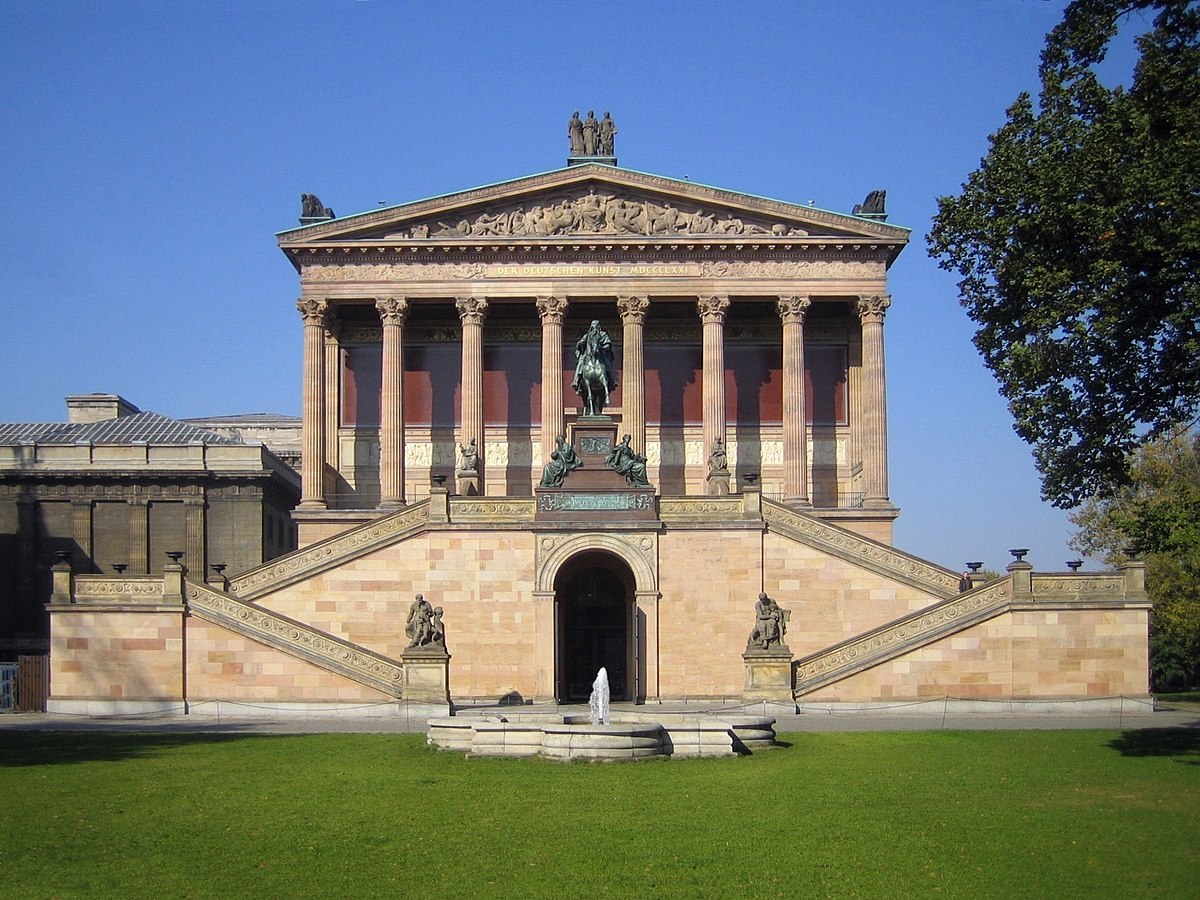
Alte Nationalgalerie
📍 Berlin, Germany
The Alte Nationalgalerie, an esteemed art museum located in Berlin’s Bezirk Mitte, is a cornerstone of cultural appreciation in Germany. This museum …