
Berliner Tor (Templin)
Overview
The Berliner Tor, or Berlin Gate, is an iconic city gate located in Templin, a charming town in the Brandenburg state of Germany. This historical structure stands as a remarkable reminder of the region’s medieval past and is a significant landmark within the town. Templin is strategically situated in the heart of Brandenburg, surrounded by lush forests and picturesque waterways, making it a delightful destination for both history enthusiasts and nature lovers alike. The Berliner Tor serves not only as a gateway into the historical center of Templin but also as a symbol of the town’s resilience and architectural heritage.
Visitors to Templin, which boasts a well-preserved old town with elements dating back to the Middle Ages, will find the Berliner Tor an essential stop. Its significance extends beyond its physical presence; it encapsulates the narratives of trade, defense, and urban development that have shaped Templin over the centuries. Whether you are wandering through the cobbled streets or enjoying a leisurely stroll along the town’s lakes, the Berliner Tor offers a glimpse into the storied past of this quaint German town.
History and Significance
The Berliner Tor is a vital piece of Templin’s historical fabric. This city gate was constructed during a period when Templin was flourishing as a center of trade and commerce. The gate played an essential role in fortifying the town’s defenses against various incursions throughout its history. As a primary entry point into Templin, the Berliner Tor was strategically designed to control access and ensure the safety of its citizens.
Over the years, Templin has witnessed numerous transformations, influenced by various historical events, including the impacts of the Thirty Years’ War and the subsequent periods of economic recovery. The Berliner Tor not only served a military purpose but also functioned as a symbol of the town’s prosperity and identity during significant periods of change. Its presence today continues to evoke a sense of pride among Templin’s residents, emphasizing the importance of preserving historical landmarks in a rapidly modernizing world.
As you explore the Berliner Tor, you may notice the subtle architectural details that reflect the craftsmanship of the time. These elements tell stories of the artisans who built them and the communities that thrived in their shadow. The gate stands as a silent witness to centuries of history, encapsulating tales of trade, defense, and transformation that have shaped Templin into the town it is today.
Architecture and Features
The Berliner Tor is a striking example of medieval architecture, characterized by its robust construction and thoughtful design. The gate features a classic arched entryway, which is both functional and aesthetically pleasing. The sturdy stonework that forms the structure reflects the period’s architectural style, showcasing the skill of the builders who created it.
As you approach the gate, you will notice its impressive height and the thickness of its walls, which were designed to withstand potential attacks. The original design is complemented by decorative elements that enhance its visual appeal. These features may include stone carvings and inscriptions that offer insights into the gate’s historical importance and the town’s identity.
The surrounding area of the Berliner Tor is equally inviting, with well-maintained pathways that lead visitors towards the gate and into the heart of Templin. The setting creates a harmonious blend of nature and history, making it an ideal spot for photography and reflection.
Visiting Information
Visiting the Berliner Tor is a straightforward experience, thanks to its central location in Templin. The town is accessible by various modes of transportation, including trains and buses, from nearby cities. Travelers arriving by car will find ample parking options in the vicinity, allowing for easy access to the gate and surrounding attractions.
While specific hours of operation and entry fees may vary, it is advisable to check the official website for current information before planning your visit. The Berliner Tor is typically open to the public, and exploring its surroundings does not require a ticket.
A visit to the gate can be enjoyed in about an hour, although those wishing to delve deeper into the history and architecture may want to allocate more time. The best times to visit are during the early morning or late afternoon when the light casts beautiful shadows across the stonework, providing excellent photography opportunities and a more tranquil atmosphere.
Nearby Attractions
Historic Town Center: Just a short walk from the Berliner Tor, the historic town center of Templin features charming streets lined with traditional half-timbered houses, shops, and cafés, perfect for leisurely exploration.
Templin’s Lakes: The town is surrounded by several picturesque lakes, including the Zenssee and the Breite Mühle, where visitors can enjoy swimming, kayaking, or simply relaxing by the water.
Templin Castle: A short distance away, the ruins of the medieval Templin Castle provide insights into the town’s past and offer scenic views of the surrounding landscape.
Müritz National Park: Located a bit further afield, this national park features extensive trails, diverse wildlife, and stunning natural scenery, ideal for hiking and outdoor activities.
Local Museums: Templin is home to several small museums that showcase the town’s history and culture, making them great additions to a day’s itinerary.
Insider Tips
When visiting the Berliner Tor, you may want to consider the best times for photography. Early morning or late afternoon light can enhance the gate’s features and create captivating images. Additionally, visiting during weekdays may help you avoid larger crowds, allowing for a more peaceful experience.
For those interested in capturing the essence of Templin, take some time to wander the nearby streets and lakes. Each corner of the town offers unique perspectives of the Berliner Tor and its surroundings.
Practical Information
Before your visit to the Berliner Tor, it can be helpful to bring a few essentials. Comfortable walking shoes are recommended, as you may want to explore the cobbled streets and nearby attractions. Depending on the season, consider dressing in layers, as temperatures can vary throughout the day.
During the summer months, sunscreen and water are advisable, particularly if you plan to spend time outdoors around the lakes. In colder months, a warm jacket is essential to ensure a comfortable visit.
Frequently Asked Questions
How long should I spend visiting?
A visit to the Berliner Tor typically takes about an hour, but you may want to allocate more time to explore the surrounding area and attractions.
Is photography allowed?
Yes, photography is allowed at the Berliner Tor. Early mornings or late afternoons provide the best lighting for photos.
Are there guided tours?
While there may not be specific guided tours for the Berliner Tor, local tourism offices can provide information about self-guided options and nearby attractions.
What’s the best time to visit?
The best times to visit are during early morning or late afternoon when the light is ideal for photography and crowds are smaller.
Is it wheelchair accessible?
Information on wheelchair accessibility may vary; check the official website for details regarding access to the Berliner Tor and surrounding areas.
Can I buy tickets online?
Entry to the Berliner Tor is usually free, but check the official website for any updates on access or special events that may require tickets.
Are there restrooms and cafes?
While there may not be facilities directly at the Berliner Tor, nearby cafes and shops in the town center offer amenities for visitors.
What should I wear?
Comfortable clothing and footwear are recommended, especially if you plan to explore the town and nearby attractions. Dress according to the season for a pleasant experience.
More in Brandenburg
Agnetenkloster
📍 Brandenburg, Germany
Agnetenkloster, a former monastery located in the heart of Magdeburg, Germany, invites visitors to explore its serene ambiance and historical …

Agroneum
📍 Brandenburg, Germany
Agroneum is a museum located in the serene landscape of Alt Schwerin, Germany. This establishment serves as a vibrant hub for those interested in the …

Alexander Nevsky Memorial Church
📍 Brandenburg, Germany
The Alexander Nevsky Memorial Church in Potsdam, Germany, offers visitors a unique glimpse into the city’s cultural and religious heritage. This …
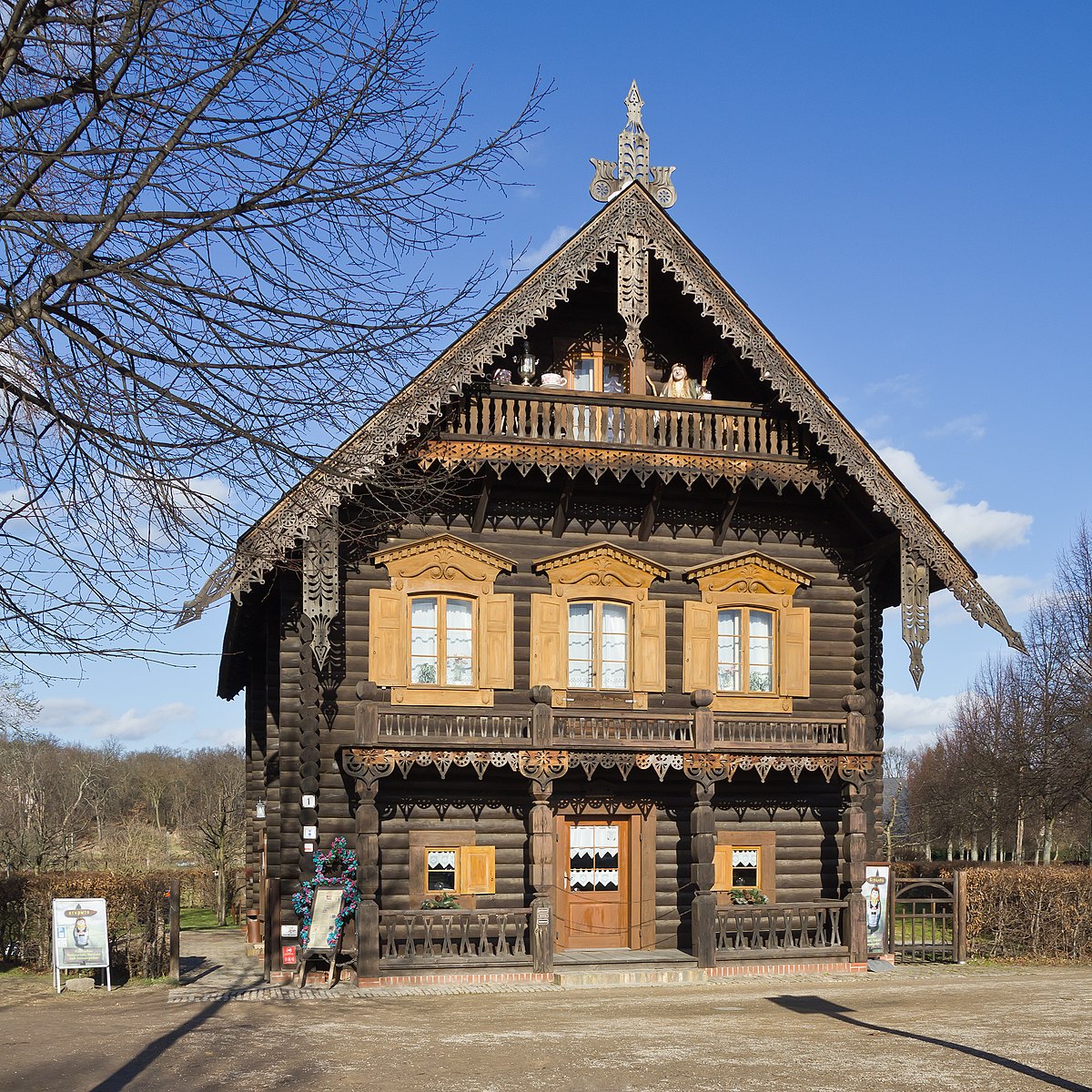
Alexandrowka
📍 Brandenburg, Germany
Located in the picturesque city of Potsdam, Germany, Alexandrowka is an intriguing architectural ensemble that reflects a unique blend of Russian and …

Alte Burg Penzlin
📍 Brandenburg, Germany
Alte Burg Penzlin, a captivating castle located in the quaint town of Penzlin, Germany, serves as a remarkable example of medieval architecture and …

Alte Dorfkirche Röxe
📍 Brandenburg, Germany
The Alte Dorfkirche Röxe stands as a poignant symbol of architectural and cultural history in the Stendal region of Germany. This church building, …
More City Gates

Adalbertstor
📍 North Rhine-Westphalia, Germany
Adalbertstor is a remarkable city gate located in Aachen, Germany, that plays a significant role in the architectural and historical landscape of the …
Affentor
📍 Hesse, Germany
Affentor, the southernmost of the medieval city gates of Frankfurt am Main, serves as a historical marker of the city’s rich past and architectural …
Altes Brücktor
📍 Brandenburg, Germany
Altes Brücktor, once a prominent city gate in the heart of Magdeburg, carries with it the weight of a rich historical narrative intertwined with the …

Angertor (München)
📍 Bavaria, Germany
The Angertor, an iconic city gate located in the historic Altstadt-Lehel district of Munich, serves as a striking reminder of the city’s medieval …

Anklam Gate of Usedom City
📍 Mecklenburg-Vorpommern, Germany
The Anklam Gate of Usedom City stands as a significant architectural feature within the historical landscape of Usedom, Germany. This city gate, a …

Anklamer Tor
📍 Mecklenburg-Vorpommern, Germany
The Anklamer Tor, a historic city gate located in the Friedland region of Germany, serves as a fascinating portal into the architectural and cultural …