
Berlin Modernism Housing Estates
Overview
Berlin, a city known for its dynamic history and cultural evolution, is home to the Berlin Modernism Housing Estates, a remarkable architectural ensemble that showcases innovative housing solutions from the early 20th century. These six subsidized housing estates reflect Germany’s progressive social policies and avant-garde architectural movements, particularly the ideas of the modernist movement. Recognized as a UNESCO World Heritage Site, these estates offer insights into the social and artistic ambitions of the time, blending functionality with aesthetic appeal.
Located in the heart of Berlin, the housing estates demonstrate the city’s commitment to providing quality living spaces for all, breaking away from traditional housing designs. As visitors explore these unique residences, they will not only appreciate the architectural innovations but also understand the socio-political context that led to their creation. The Berlin Modernism Housing Estates invite travelers to witness a significant chapter in urban living and architectural history, reflecting a vision that sought to improve the quality of life for residents.
History and Significance
The Berlin Modernism Housing Estates emerged during a period marked by significant social change and industrialization in Germany. In the early 1900s, the city faced a growing population and a housing crisis, prompting discussions about housing policies and social welfare. As part of a broader movement, architects began to reimagine urban living through the lens of modernism, focusing on creating functional, affordable, and aesthetically pleasing homes.
These estates were constructed under the principles of the modernist movement, which emphasized simplicity, functionality, and the use of new materials. They were designed not just as shelters but as communities that fostered social interaction and inclusivity. The architects involved, including notable figures such as Bruno Taut and Martin Wagner, aimed to create environments that enhanced the quality of life for their inhabitants. Their work represented a shift in architectural philosophy, moving away from ornate styles to embrace clean lines and practical design.
The significance of these housing estates extends beyond their architectural merit. They reflect the socio-economic conditions of post-World War I Germany, showcasing the efforts to address housing shortages through innovative design. The estates also encapsulate the ideals of the Bauhaus movement, which sought to unify art and industrial design, making quality living spaces available to the working class. Recognized as a UNESCO World Heritage Site, the Berlin Modernism Housing Estates stand as an important example of how architecture can influence social structures and community living.
Architecture and Features
The Berlin Modernism Housing Estates consist of six distinct housing developments, each with its own architectural style and unique features. The estates exemplify various modernist principles, showcasing a blend of functionality and aesthetic appeal.
One of the most notable features of these estates is their emphasis on natural light and open spaces. Large windows and innovative layouts allow for abundant daylight and ventilation, creating a more pleasant living environment. The use of colorful façades and geometric forms adds a vibrant character to the buildings, setting them apart from traditional housing designs.
Each estate has its own distinctive characteristics. For instance, the Hufeisensiedlung (Horseshoe Estate), designed by Bruno Taut, is recognized for its sweeping curves and the harmonious integration of green spaces. The use of bright colors and playful architectural elements reflects a utopian vision of living that Taut championed.
The architecture of the estates also incorporates communal areas and gardens, encouraging social interaction among residents. These shared spaces are essential to the overall design philosophy, promoting a sense of community and collaboration. The integration of these elements highlights the architects’ commitment to creating not just homes, but vibrant living environments.
Overall, the architectural features of the Berlin Modernism Housing Estates serve as a testament to the innovative spirit of their time, making them a significant study in both social history and architectural design.
Visiting Information
Visiting the Berlin Modernism Housing Estates provides an excellent opportunity to explore a unique aspect of architectural and social history. To reach the estates, public transport options are readily available throughout Berlin. Various U-Bahn (subway) and S-Bahn (commuter train) lines connect to the areas surrounding the estates, making it convenient for visitors to access them.
Check the official website for current information regarding hours and any possible admission fees. It is advisable to allocate at least two to three hours for your visit, allowing ample time to explore the different estates and appreciate their architectural details.
The best times to visit are during the weekdays when there are fewer crowds. Early mornings or late afternoons can provide a more relaxed experience, allowing visitors to fully absorb the ambiance of these historical sites.
When planning your visit, consider checking any seasonal events or guided tours that may enhance your experience. Guided tours can provide valuable insights into the history and architectural features of the estates, making the visit even more informative.
Nearby Attractions
While exploring the Berlin Modernism Housing Estates, there are several nearby attractions worth considering:
Kreuzberg District: This vibrant neighborhood is known for its eclectic culture, street art, and diverse culinary scene. It offers a glimpse into Berlin’s contemporary urban life.
Tempelhofer Feld: Previously an airport, this vast open space has been transformed into a public park where visitors can enjoy recreational activities such as cycling, skating, and picnicking.
Berlinische Galerie: This museum showcases modern art, photography, and architecture, providing a cultural complement to the architectural focus of the housing estates.
Martin-Gropius-Bau: An exhibition hall that frequently hosts art exhibitions, this venue is a short distance away and often features works that engage with themes of modernity and urban life.
East Side Gallery: A famous stretch of the Berlin Wall covered in murals, this gallery is a must-visit for those interested in history and contemporary art.
Insider Tips
To make the most of your visit to the Berlin Modernism Housing Estates, consider these insider tips:
Photography Tips: The estates feature stunning architectural details, so bring a camera to capture the unique designs. Early morning or late afternoon light can enhance your photographs, providing softer shadows and a warm glow.
Crowd Avoidance: To avoid crowds, plan your visit on a weekday rather than the weekend. Early mornings are often quieter, allowing for a more peaceful exploration of the estates.
Practical Information
When visiting the Berlin Modernism Housing Estates, it’s advisable to bring comfortable walking shoes, as exploring the estates involves some walking. A water bottle and light snacks can also enhance your experience, especially if you plan to spend a few hours exploring.
Seasonal considerations may affect your visit; spring and early autumn are typically pleasant times to experience Berlin’s outdoor spaces. Be sure to check the weather forecast and dress appropriately.
Frequently Asked Questions
How long should I spend visiting?
Aim for two to three hours to fully appreciate the architecture and ambiance of the estates.
Is photography allowed?
Yes, photography is generally allowed, but be respectful of residents’ privacy.
Are there guided tours?
Check the official website for information on guided tours that may enhance your experience.
What’s the best time to visit?
Weekdays, particularly early mornings or late afternoons, tend to be less crowded.
Is it wheelchair accessible?
Many areas of the estates are designed to be accessible, but checking specific access points is advisable.
Can I buy tickets online?
Check the official website for information regarding tickets and any potential online purchasing options.
Are there restrooms and cafes?
Facilities may vary, so it is advisable to check the official website for details on available amenities.
What should I wear?
Wear comfortable clothing and shoes suitable for walking, and dress appropriately for the weather conditions.
Exploring the Berlin Modernism Housing Estates offers a unique glimpse into a pivotal moment in architectural history, combining innovative design with a deep commitment to social welfare. Whether you are an architecture enthusiast or simply curious about urban living, these estates provide a profound insight into Berlin’s past and its architectural legacy.
More in Berlin

144., 176. und 184. Gemeindeschule
📍 Berlin, Germany
The 144., 176. und 184. Gemeindeschule, an architectural ensemble located in the vibrant city of Berlin, stands as a noteworthy example of educational …

Academy of Arts (Hanseatenweg)
📍 Berlin, Germany
The Academy of Arts (Hanseatenweg) stands as an emblem of Berlin’s vibrant cultural landscape, located in the historic Hansaviertel district. Renowned …

Academy of Arts, Berlin
📍 Berlin, Germany
The Academy of Arts in Berlin is not just a museum; it is a prominent national institution dedicated to the advancement of the arts in Germany. …

Academy of the Konrad-Adenauer-Stiftung
📍 Berlin, Germany
The Academy of the Konrad-Adenauer-Stiftung, located in the heart of Berlin, is not just a foundation but a hub of intellectual discourse and …

ACUD
📍 Berlin, Germany
Located in the heart of Berlin’s Bezirk Mitte, ACUD serves as a vibrant cultural center and cinema, showcasing an array of films and events that …

Admiralspalast
📍 Berlin, Germany
Admiralspalast is a prominent theatre and event venue located in the heart of Berlin, Germany. This architectural gem serves as a cultural hub, …
More Architectural Ensembles
144., 176. und 184. Gemeindeschule
📍 Berlin, Germany
The 144., 176. und 184. Gemeindeschule, an architectural ensemble located in the vibrant city of Berlin, stands as a noteworthy example of educational …

Adelheidstraße 3–7, 9–12, 12a, 14, 15, 22–31, Amelungstraße 1, Friedrich-Ebert-Platz
📍 Lower Saxony, Germany
In the heart of Quedlinburg, Germany, lies a captivating architectural ensemble that reflects the town’s historical significance and cultural …

Aegidiimarkt
📍 Lower Saxony, Germany
Aegidiimarkt is a captivating architectural ensemble located in the heart of Münster, Germany. This vibrant square not only serves as a hub for local …
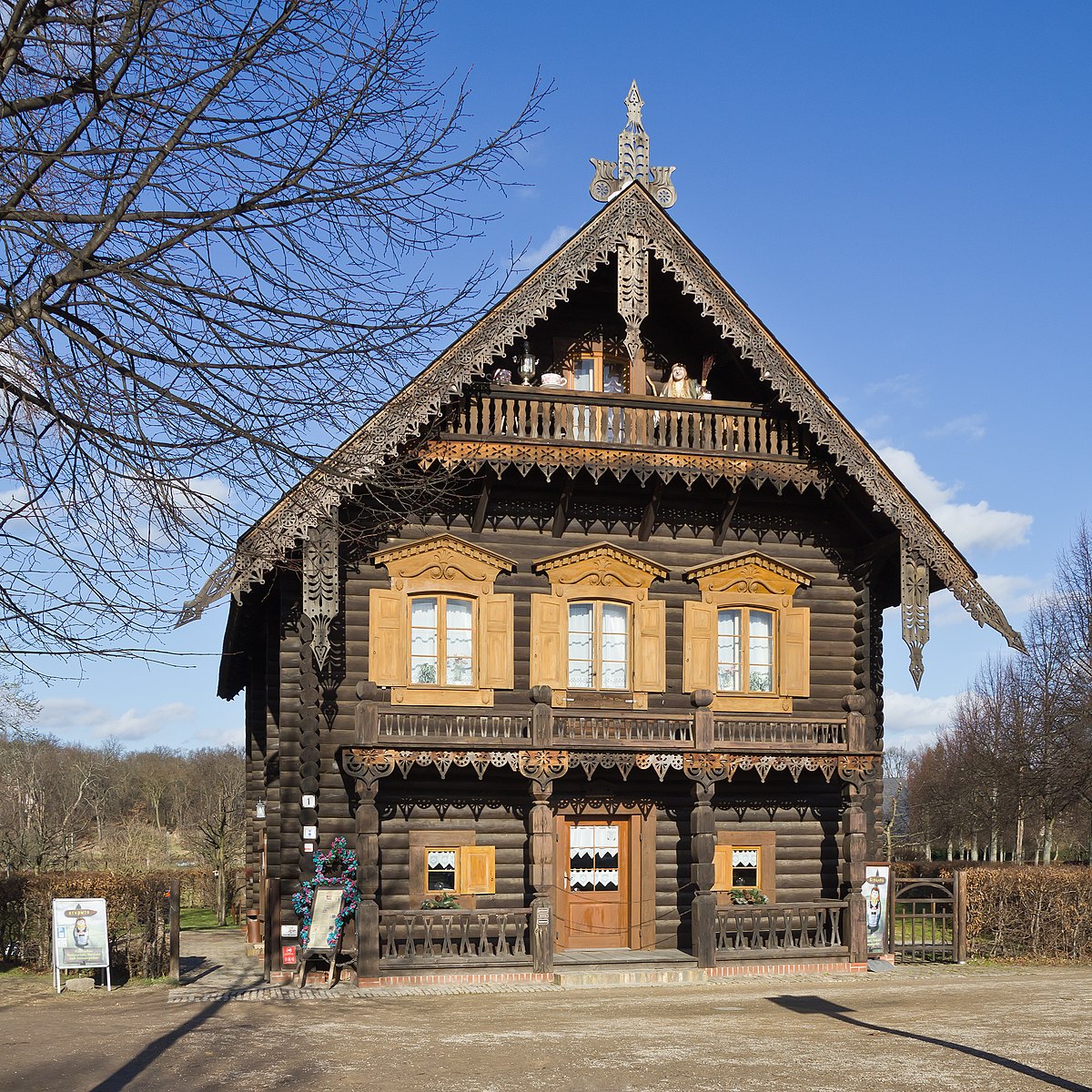
Alexandrowka
📍 Brandenburg, Germany
Located in the picturesque city of Potsdam, Germany, Alexandrowka is an intriguing architectural ensemble that reflects a unique blend of Russian and …

Alhauser Hammer
📍 North Rhine-Westphalia, Germany
Alhauser Hammer is a remarkable architectural ensemble located in Ennepetal, Germany, known for its historical significance as a water-driven hammer …

Alsdorfer Ölmühle
📍 North Rhine-Westphalia, Germany
The Alsdorfer Ölmühle, an architectural ensemble located in the heart of Alsdorf, Germany, is a remarkable example of a traditional watermill that …