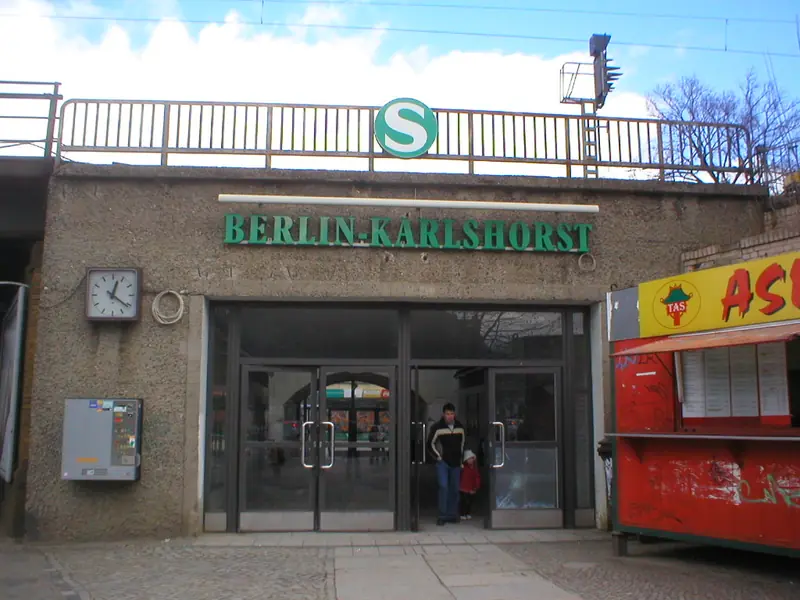
Overview
Berlin-Karlshorst station is a historic railway station that serves as a significant landmark in the German capital of Berlin. Located at the coordinates 52.4808, 13.5258, this station is more than just a transportation hub; it is a site of cultural and historical importance that reflects the evolution of Berlin’s infrastructure. Although it may not be as widely known as some of the city’s other railway stations, its unique character and history make it a worthwhile destination for travelers interested in the rich tapestry of Berlin’s past. Visitors will find that the station is not only functional but also a point of interest that encapsulates a chapter of the city’s storied history.
As travelers navigate through the bustling streets of Berlin, a visit to Berlin-Karlshorst station offers a glimpse into the architectural and societal developments that have shaped the area. The station is well-connected to the city’s transport network, making it accessible for those who wish to explore both the immediate vicinity and the broader region. Its significance lies not just in its role as a transit point, but also in its connection to key historical events that have marked Berlin’s journey through tumultuous times.
History and Significance
Berlin-Karlshorst station is situated in a neighborhood that has witnessed profound transformations throughout its history. Originally established to facilitate the growing railway network in the late 19th century, the station has served various purposes over the years. It gained particular notoriety during World War II due to its proximity to strategic military installations. The station was a critical point for troop movements and logistics, effectively linking the city with its outskirts and beyond.
In the post-war period, Berlin-Karlshorst became synonymous with history as the site where the German armed forces formally surrendered to the Allies on May 8, 1945. This event marked the end of the war in Europe and is etched in the annals of history. The station thus stands as a reminder of the pivotal moments that shaped not only Berlin but also the entire continent.
The cultural significance of Berlin-Karlshorst extends beyond its historical events. The station has been a witness to the evolution of transportation in Germany and has adapted to the changing needs of its users. Over the decades, it has retained elements of its original architecture while also accommodating modern upgrades to enhance passenger experience. This blend of historical context and contemporary functionality makes Berlin-Karlshorst a significant site for both history enthusiasts and casual visitors alike.
Architecture and Features
Berlin-Karlshorst station showcases a blend of historic and modern architectural elements that reflect its long-standing presence in the city. While specific details about its architectural style may vary, visitors can appreciate the station’s design that has evolved to meet both aesthetic and functional needs.
The station features a straightforward layout typical of railway infrastructure, with platforms that facilitate easy access for passengers. Its design incorporates essential elements that have been standard in railway stations, including waiting areas and ticket counters. The station’s exterior may exhibit features characteristic of early 20th-century architecture, which adds to its historical charm.
Inside, travelers will find amenities that cater to their needs, making the experience of using the station as comfortable as possible. The functional aspects of the station are complemented by a sense of nostalgia, as it serves as a link between the past and present of Berlin’s transport network.
Visiting Information
Berlin-Karlshorst station is well-served by the city’s extensive public transport system, making it easy for visitors to reach the site. It’s advisable to check the official website for current information regarding schedules and ticket prices, as these can vary. The station is typically open throughout the day, allowing flexibility for those wishing to explore at their convenience.
Plan to spend around 30 minutes to an hour at the station, depending on your level of interest in its historical context. While the station itself may not require extensive exploration, it can serve as a launching point for nearby attractions and surrounding neighborhoods.
The best times to visit are during weekdays when the station is less crowded, allowing for a more comfortable experience. Early mornings or late afternoons tend to be quieter, creating an opportunity for visitors to appreciate the station’s atmosphere.
Nearby Attractions
German-Russian Museum Berlin-Karlshorst: Located close to the station, this museum is dedicated to the history of World War II and the events surrounding the German surrender. It offers valuable insights into the war’s impact on the region.
Treptower Park: A short distance away, this expansive park features beautiful landscapes, walking paths, and the iconic Soviet War Memorial. It is an ideal spot for a leisurely stroll or a picnic.
Biesdorf Palace: A historic palace surrounded by parkland, Biesdorf Palace is a charming site that showcases local architecture and offers a peaceful retreat from the urban environment.
Soviet War Memorial in Treptower Park: This memorial is a significant monument commemorating the Soviet soldiers who fell during the Battle of Berlin. It is an impressive site worth visiting.
Karlshorst Neighborhood: The surrounding area offers a glimpse into local Berlin life, with shops, cafes, and residential streets that add to the cultural experience of visiting the station.
Insider Tips
For photography enthusiasts, Berlin-Karlshorst station provides interesting architectural features and historical context. Early morning light can enhance your photographs, highlighting the station’s details. When visiting, consider avoiding peak travel hours to capture images without the hustle and bustle of commuters in the background.
If you’re looking for a quieter experience, visit during the weekdays rather than weekends. This strategy not only allows for more comfortable exploration but also offers greater opportunities to engage with the station’s features and nearby attractions.
Practical Information
When planning your visit to Berlin-Karlshorst station, it’s advisable to bring along essentials such as a camera, comfortable walking shoes, and perhaps a light jacket depending on the season. The station is equipped to handle the needs of travelers, but having personal items on hand will enhance your experience.
Seasonal considerations are also important; summer months may see more foot traffic, while winter can present a quieter atmosphere. Regardless of when you visit, the station remains a significant point of interest in Berlin’s extensive network.
Frequently Asked Questions
How long should I spend visiting?
A visit to Berlin-Karlshorst station typically takes about 30 minutes to an hour, depending on your interest in its history and architecture.
Is photography allowed?
Yes, photography is generally permitted, but be mindful of other passengers and the operational aspects of the station.
Are there guided tours?
While specific guided tours of the station may not be available, nearby attractions like the German-Russian Museum often offer guided experiences.
What’s the best time to visit?
Weekdays are usually quieter, making it the best time for a less crowded experience.
Is it wheelchair accessible?
Check the official website for current information on accessibility features at the station.
Can I buy tickets online?
Ticket purchasing options may vary, so it’s best to consult the official website for current details.
Are there restrooms and cafes?
Facilities such as restrooms may be available, but it’s advisable to check the official website for specific amenities.
What should I wear?
Dress comfortably for walking, and consider layers based on the season when visiting.