
Berggruen Museum
Overview
The Berggruen Museum, located in the vibrant district of Charlottenburg-Wilmersdorf in Berlin, Germany, is a notable destination for art enthusiasts and cultural explorers alike. This museum serves as a dedicated space for modern art, showcasing an impressive collection that highlights the works of renowned artists. It acts not only as a repository of artistic expression but also as a platform for cultural dialogue, reflecting the evolving landscape of contemporary art.
The museum is situated in a region known for its artistic heritage and historical significance, making it an essential point of interest for visitors to Berlin. Its significance lies not only in its curated collections but also in its role within the broader context of Berlin’s art scene. The Berggruen Museum promises an enriching experience, inviting visitors to engage with the artworks and the cultural narratives they embody.
History and Significance
The Berggruen Museum’s inception is closely tied to the vision of its namesake, Heinz Berggruen, an influential art dealer and collector. His passion for modern art led to the establishment of the museum, which serves as a homage to his dedication to the promotion of significant artistic movements. The collection features a variety of artworks that span different styles and periods, showcasing masterpieces from the likes of Pablo Picasso, Henri Matisse, and Paul Klee.
Culturally, the museum plays an important role in preserving and presenting modern art within a city that has long been a hub for artistic innovation. It contributes to Berlin’s reputation as a center for creativity, attracting both locals and international visitors. The museum’s focus on modern art reflects broader trends in the art world, emphasizing the importance of artistic exploration and experimentation.
Additionally, the museum has undergone various transformations since its establishment. It continues to adapt to the changing landscape of art appreciation and education, ensuring that it remains relevant and accessible to a diverse audience. The Berggruen Museum not only houses art but also facilitates discussions about the role of art in society, making it a vital institution within the cultural fabric of Berlin.
Architecture and Features
The Berggruen Museum is housed in a building that reflects a blend of modern architectural sensibilities and historical context. While specific architectural details are not provided, the structure itself complements the artistic experience offered within. The layout of the museum is designed to guide visitors through the collection in a thoughtful manner, allowing for both intimate encounters with the artworks and broader explorations of thematic exhibitions.
Notable features of the museum include its carefully curated gallery spaces, which provide a serene environment for viewing the artworks. The interior design enhances the visual experience, allowing the pieces to stand out while creating a cohesive atmosphere. The museum’s design also encourages a flow of movement, enabling visitors to engage with the art in a reflective manner.
The museum’s collection is a primary highlight, featuring a range of modern masterpieces. Each artwork is presented with careful consideration, providing context and inviting viewers to delve deeper into the artistic processes and ideas behind them. The interplay between the architecture and the art fosters a unique environment that is both contemplative and inspiring.
Visiting Information
Visiting the Berggruen Museum is an enriching experience that can be seamlessly integrated into a day of exploring Berlin. The museum is accessible via various modes of transport, making it convenient for visitors. For current information regarding hours of operation and ticket prices, it is advisable to check the official website prior to your visit.
Expect to spend a few hours within the museum to fully appreciate the collection and engage with the exhibitions. The atmosphere is generally conducive to reflection, allowing for an immersive experience. While the museum is open to visitors throughout the week, certain times may attract larger crowds, so planning your visit during off-peak hours could enhance your experience.
The best times to visit can vary based on seasonal events and exhibitions, so consulting the museum’s schedule may provide insights into special programs or guided tours that could enrich your visit.
Nearby Attractions
The Berggruen Museum is situated in a culturally rich area, surrounded by several other noteworthy attractions. Visitors may wish to explore:
- Charlottenburg Palace: Just a short distance away, this historic palace offers beautiful gardens and a glimpse into royal life in Berlin.
- The Museum of Prehistory and Early History: This museum presents artifacts and exhibitions that delve into Germany’s ancient past.
- Scharf-Gerstenberg Collection: Home to an eclectic mix of modern and contemporary art, this venue complements the offerings of the Berggruen Museum.
- Savignyplatz: A charming square surrounded by cafes and boutiques, perfect for a leisurely stroll or a break after visiting the museum.
- Kaiser Wilhelm Memorial Church: An iconic structure that serves as both a memorial and a reminder of Berlin’s history, located not far from the museum.
Insider Tips
For those looking to capture the essence of the Berggruen Museum through photography, it’s advisable to check the museum’s policy on photography. Engaging with the art through your lens can enhance your experience, but be mindful of restrictions.
To avoid crowds, consider visiting during weekdays or early in the morning. This allows for a more personal experience with the artworks and facilitates deeper engagement with the exhibits.
Practical Information
When planning your visit to the Berggruen Museum, consider bringing a small bag for personal items and any necessities you may need while exploring the museum. Comfortable footwear is recommended, as you may spend considerable time walking through the galleries.
Seasonal considerations can affect your visit; spring and autumn often present mild weather, making it pleasant to explore the surrounding area. Be prepared for potential variations in visitor numbers during peak tourist seasons.
Frequently Asked Questions
How long should I spend visiting?
It is recommended to allocate at least two to three hours to fully enjoy the museum and its exhibitions.
Is photography allowed?
Check the museum’s official website for specific policies regarding photography, as restrictions may apply to certain exhibitions or artworks.
Are there guided tours?
Check the official website for information on guided tours, which may enhance your understanding of the artworks and the museum’s history.
What’s the best time to visit?
Weekdays, particularly in the morning, tend to be less crowded, offering a more intimate experience with the art.
Is it wheelchair accessible?
The museum aims to provide accessibility for all visitors. For detailed information on facilities, consult the official website.
Can I buy tickets online?
Check the official website for options regarding online ticket purchases, which may facilitate a smoother entry.
Are there restrooms and cafes?
Facilities such as restrooms and cafes are typically available; for specific locations and services, refer to the official website.
What should I wear?
Dress comfortably for your visit, considering both the season and the potential for walking through the museum and surrounding areas.
More in Berlin

144., 176. und 184. Gemeindeschule
📍 Berlin, Germany
The 144., 176. und 184. Gemeindeschule, an architectural ensemble located in the vibrant city of Berlin, stands as a noteworthy example of educational …

Academy of Arts (Hanseatenweg)
📍 Berlin, Germany
The Academy of Arts (Hanseatenweg) stands as an emblem of Berlin’s vibrant cultural landscape, located in the historic Hansaviertel district. Renowned …

Academy of Arts, Berlin
📍 Berlin, Germany
The Academy of Arts in Berlin is not just a museum; it is a prominent national institution dedicated to the advancement of the arts in Germany. …

Academy of the Konrad-Adenauer-Stiftung
📍 Berlin, Germany
The Academy of the Konrad-Adenauer-Stiftung, located in the heart of Berlin, is not just a foundation but a hub of intellectual discourse and …

ACUD
📍 Berlin, Germany
Located in the heart of Berlin’s Bezirk Mitte, ACUD serves as a vibrant cultural center and cinema, showcasing an array of films and events that …

Admiralspalast
📍 Berlin, Germany
Admiralspalast is a prominent theatre and event venue located in the heart of Berlin, Germany. This architectural gem serves as a cultural hub, …
More Art Museums

Aachen Cathedral Treasury
📍 North Rhine-Westphalia, Germany
Aachen Cathedral Treasury, located in the historic city of Aachen, Germany, is a remarkable art museum that houses an impressive collection of …

Abteiberg Museum
📍 North Rhine-Westphalia, Germany
In the heart of Mönchengladbach, Germany, the Abteiberg Museum stands out as a prominent destination for art enthusiasts and cultural explorers alike. …

Akademisches Kunstmuseum
📍 North Rhine-Westphalia, Germany
In the heart of Bonn, Germany, lies the Akademisches Kunstmuseum, an art museum that invites visitors to explore a diverse collection of artworks …

Albertinum
📍 Saxony, Germany
Albertinum is a prominent art museum located in the heart of Dresden, Germany, serving as a significant cultural institution in the region. …

Albrecht Dürer's House
📍 Bavaria, Germany
Albrecht Dürer’s House stands as a significant cultural landmark in Nuremberg, Germany, celebrating the life and work of one of the Renaissance’s most …
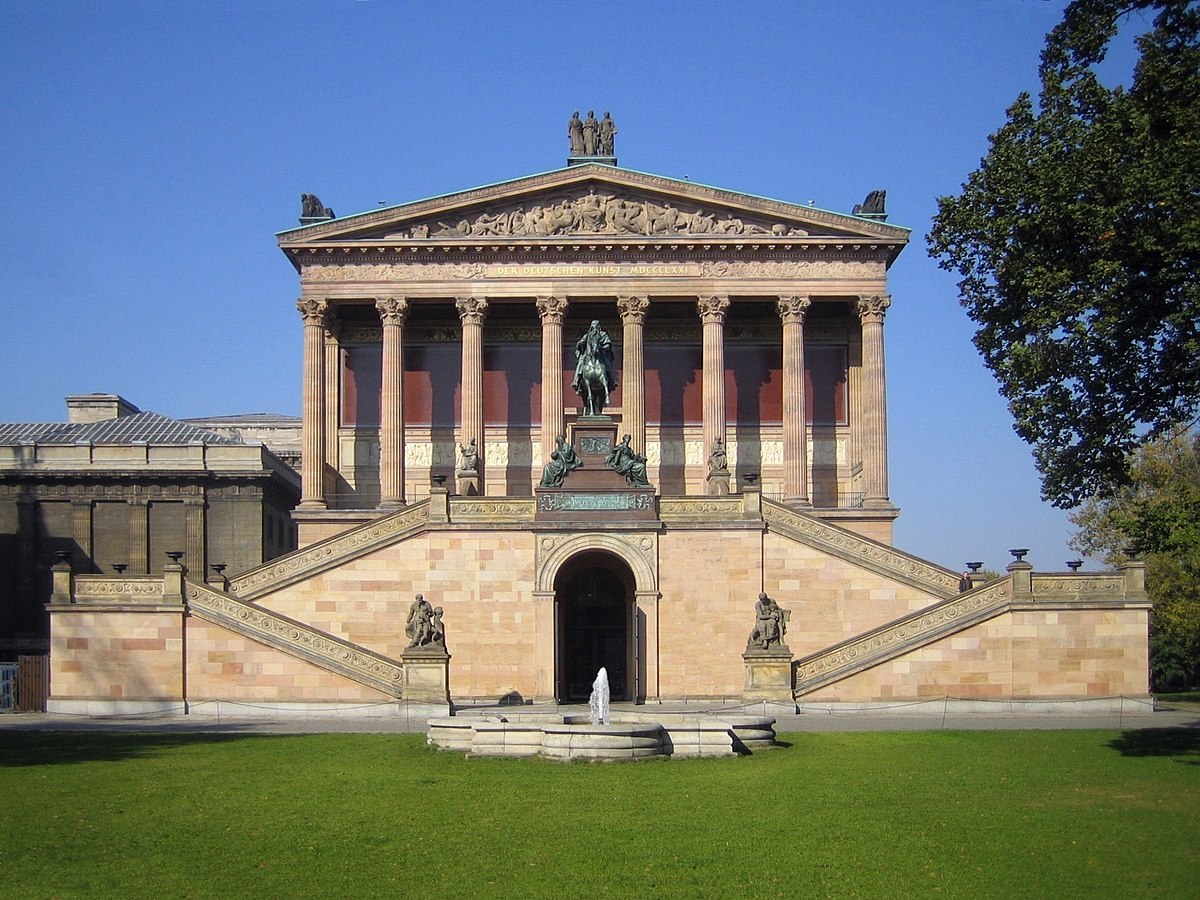
Alte Nationalgalerie
📍 Berlin, Germany
The Alte Nationalgalerie, an esteemed art museum located in Berlin’s Bezirk Mitte, is a cornerstone of cultural appreciation in Germany. This museum …