Overview
Bergfriedhof, a historic cemetery located in Heidelberg, Germany, serves as a profound resting place that captures the essence of the region’s cultural and historical narrative. Established amidst the picturesque backdrop of Heidelberg, this cemetery is not merely a burial ground but a significant memorial site that reflects the lives and legacies of those interred within its grounds. The serene environment invites visitors to reflect and pay homage to the influential figures who have shaped the academic, political, and artistic landscapes of Germany.
As you explore Bergfriedhof, you are greeted by a harmonious blend of nature and solemnity. The cemetery is characterized by its tranquil paths, lush greenery, and meticulously maintained grave markers, creating a contemplative atmosphere that encourages introspection. In addition to its role as a place of remembrance, Bergfriedhof stands as a testament to the city’s rich history, making it a significant stop for those interested in the cultural heritage of Heidelberg.
The cemetery also serves as an important reminder of the social and historical narratives that have unfolded in this part of Germany. Those who visit can expect a poignant experience that connects them to the past while offering a peaceful retreat from the bustling city.
History and Significance
The history of Bergfriedhof is interwoven with the development of Heidelberg itself. As one of Germany’s oldest cities, Heidelberg has long been a center of scholarly pursuits and cultural development. The cemetery reflects the city’s evolution, from its early days as a settlement to its establishment as a prominent academic and cultural hub.
Bergfriedhof has gained significance not only for its historical context but also for the prominent individuals interred within its grounds. Among them are notable academics, artists, and political figures who have left an indelible mark on German culture and society. Their stories contribute to the cemetery’s narrative, providing insights into the broader historical currents that have influenced the region.
In addition to its individual historical significance, Bergfriedhof exemplifies the broader cultural practices surrounding death and remembrance in Germany. The cemetery serves as a place for families to honor their loved ones while also reflecting societal values regarding mortality, remembrance, and legacy. The design and layout of the graves often mirror artistic and architectural trends of their respective periods, showcasing the evolution of commemorative practices.
Visitors to Bergfriedhof can engage with the rich tapestry of history it represents, whether through guided explorations or personal reflections. Each grave marker offers a glimpse into the life of the individual it commemorates, allowing for a deeper understanding of the intertwining narratives that form the fabric of Heidelberg’s past.
Architecture and Features
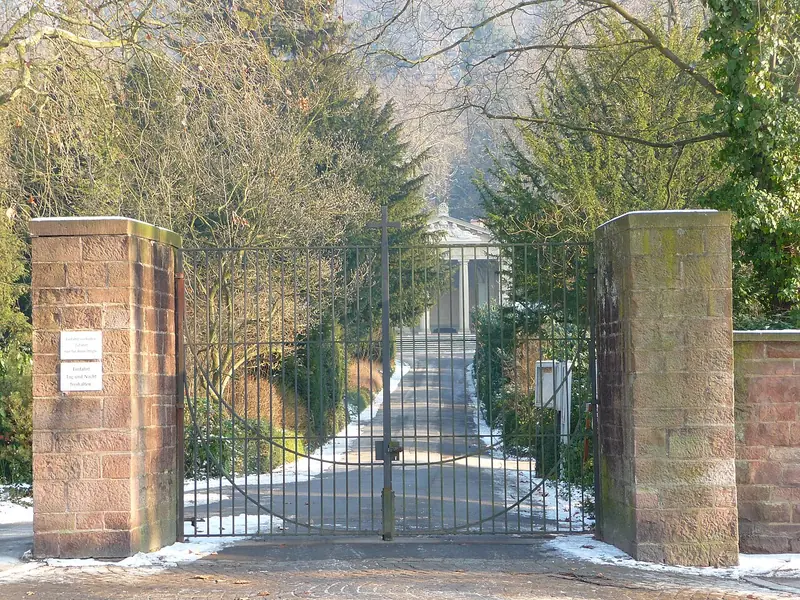
Bergfriedhof is characterized by its thoughtful design and the diverse architectural styles of its grave markers. The cemetery features a combination of traditional and modern memorials, each contributing to the overall ambience of respect and remembrance. The layout is designed to facilitate quiet contemplation, with meandering paths that guide visitors through the serene landscape.
The gravestones vary in size and style, reflecting the diverse backgrounds of those interred. Some are ornately carved with intricate designs, while others are more minimalist, emphasizing simplicity and elegance. This variety not only showcases the individual stories of the deceased but also highlights the artistic trends over the years.
One notable feature of Bergfriedhof is the lush greenery that surrounds the graves. Tall trees provide shade and create a peaceful environment, enhancing the cemetery’s role as a place for reflection. Seasonal changes in the landscape offer different experiences throughout the year, with blooming flowers in spring and the vibrant hues of autumn leaves creating a picturesque setting.
Visitors may also notice various memorial sculptures and artistic pieces that further enrich the cemetery’s atmosphere. These works often serve as poignant reminders of the lives lived and the legacies left behind, encouraging a deeper connection with the site.
Visiting Information
Visiting Bergfriedhof is an enriching experience that allows for personal reflection and exploration of the cultural heritage of Heidelberg. To reach the cemetery, travelers can utilize various forms of transportation. Public transport options, including buses and trams, connect the site to central points in Heidelberg, making it easily accessible for visitors. Alternatively, those who prefer to walk can enjoy the pleasant surroundings and discover other nearby attractions.
Check the official website for current information regarding hours and any potential admission fees. When planning your visit, consider dedicating at least an hour or two to fully appreciate the serene environment and the stories behind the gravestones.
The best times to visit Bergfriedhof are during the spring and autumn months when the weather is typically mild, and the natural beauty of the cemetery is on full display. These seasons also provide an opportunity to witness the changing foliage, adding to the cemetery’s charm.
Visitors can expect a tranquil atmosphere, ideal for introspection and remembrance. As you explore the winding paths, take time to read the inscriptions and reflect on the lives of those interred. The experience can be both moving and educational, providing insights into the historical context of Heidelberg and the individuals who contributed to its legacy.
Nearby Attractions
Bergfriedhof is conveniently located near several other attractions that can enhance your visit to Heidelberg. Here are a few noteworthy places to consider:
Heidelberg Castle: This iconic landmark is just a short distance away and offers stunning views of the city and the Neckar River. The castle’s rich history and beautiful gardens make it a must-visit.
Philosopher’s Walk: A scenic path that runs along the northern side of the Neckar River, this walk provides picturesque views of the city and is an excellent spot for leisurely strolls.
Old Bridge (Alte Brücke): This historic bridge is a symbol of Heidelberg and connects the Old Town with the opposite bank of the river. It serves as a great vantage point for photos and provides access to charming riverside paths.
Heidelberg University: One of Germany’s oldest universities, the campus is filled with historical buildings and a vibrant academic atmosphere. Its libraries and museums are also worth exploring.
Old Town (Altstadt): The heart of Heidelberg, the Old Town features narrow streets, lively squares, and historic architecture, making it perfect for a leisurely exploration of shops and cafes.
Insider Tips
For those planning to visit Bergfriedhof, here are some insider tips to enhance your experience:
Photography Tips: While capturing the serene beauty of Bergfriedhof, be respectful of the site. Early morning or late afternoon light can provide softer illumination for your photographs.
Crowd Avoidance: To enjoy a more peaceful experience, consider visiting during weekdays or in the early hours of the morning. This will allow you to reflect without the distraction of larger crowds.
Mindful Exploration: As you walk through the cemetery, take time to read the inscriptions and consider the historical context of the individuals commemorated. This will deepen your understanding and appreciation of the site.
Practical Information
When preparing for your visit to Bergfriedhof, here are some practical considerations:
What to Bring: Comfortable walking shoes are recommended, as the paths may vary in terrain. A notebook or camera can also be useful for reflection or capturing moments.
Seasonal Considerations: Depending on the time of year, dress appropriately for the weather. Spring and fall can be particularly pleasant, while summer may be warmer, and winter could bring colder conditions.
Respectful Behavior: As a cemetery, it is essential to maintain a respectful demeanor. Keep noise to a minimum and be mindful of other visitors who may be there to honor their loved ones.
Frequently Asked Questions
How long should I spend visiting?
A visit to Bergfriedhof typically takes about 1-2 hours, allowing time for exploration and reflection.
Is photography allowed?
Yes, photography is allowed, but visitors should be respectful of the site and those who are there to pay their respects.
Are there guided tours?
Check the official website for information on guided tours or special events that may be offered.
What’s the best time to visit?
The best times to visit are during spring and autumn when the weather is mild, and the landscape is particularly beautiful.
Is it wheelchair accessible?
Access may vary; check the official website for specific information regarding wheelchair accessibility.
Can I buy tickets online?
Check the official website for current information about any admission fees and ticket purchasing options.
Are there restrooms and cafes?
Facilities may not be available on-site; consider visiting nearby areas or checking the official website for more details.
What should I wear?
Dress comfortably and appropriately for the weather, keeping in mind that this is a respectful memorial site.
Photo Gallery