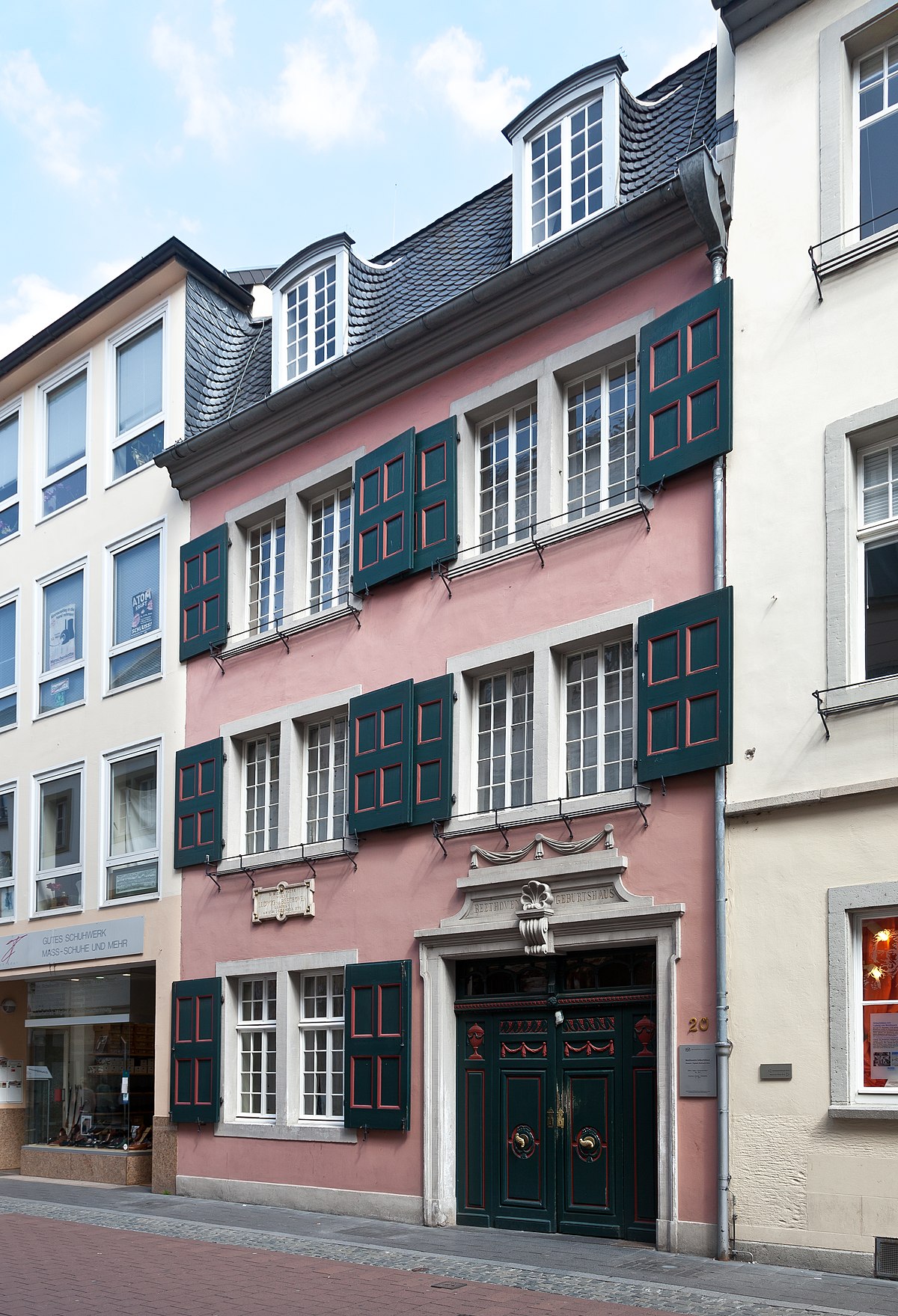
Beethoven House
Overview
Beethoven House is a celebrated museum and the birthplace of Ludwig van Beethoven, one of the most influential composers in Western music history. Located in Bonn, Germany, this foundation is dedicated to preserving the legacy of Beethoven and offers visitors a unique opportunity to explore the environment that shaped his early life and artistic development. The museum not only serves as an homage to Beethoven’s genius but also stands as a cultural landmark in the region, drawing music lovers, historians, and tourists alike.
Situated in Stadtbezirk Bonn, Beethoven House is an integral part of Bonn’s rich musical heritage. The museum houses a collection of artifacts, manuscripts, and personal items that provide insight into Beethoven’s creative process and personal struggles. The atmosphere of the house invites visitors to reflect on the life and times of a man who revolutionized music and continues to inspire generations. Whether you are a dedicated classical music enthusiast or a casual visitor, the experience of exploring Beethoven’s birthplace promises both education and inspiration.
History and Significance
The significance of Beethoven House extends beyond its function as a museum; it is a vital piece of the narrative surrounding one of the most important figures in the history of music. Born in December 1770, Beethoven’s early years in this residence played a crucial role in shaping his musical identity. The house was where he first learned music, influenced by his father and local musicians, setting the foundation for his future innovations.
Throughout his life, Beethoven faced numerous challenges, including progressive hearing loss that would eventually lead him to compose some of his most profound works in silence. This juxtaposition of struggle and creativity is a central theme in his legacy, and the museum reflects these complexities through its exhibitions. Visitors can explore various sections dedicated to different periods of his life, including his formative years in Bonn and his relocation to Vienna, where he would achieve great fame.
The museum also plays a role in the broader cultural context of Bonn as a city of music. As the birthplace of Beethoven, Bonn has embraced its musical heritage, and the house is a key attraction for those seeking to understand the city’s contributions to the arts. The foundation not only preserves Beethoven’s legacy but also engages in educational initiatives, workshops, and performances, ensuring that his music continues to resonate with audiences today.
Architecture and Features
Beethoven House is characterized by its historical architecture, reflecting the style of the late 18th century. The facade features traditional German design elements, with large windows that allow natural light to illuminate the interior spaces. Inside, the museum retains many original features, giving visitors a sense of the domestic environment in which Beethoven lived as a child.
The interior is thoughtfully curated, showcasing a variety of artifacts that tell the story of Beethoven’s life. Visitors can expect to see original manuscripts, letters, and personal items that belonged to the composer. The layout of the museum is designed to guide guests through a narrative journey, illustrating Beethoven’s childhood, his early influences, and his development as a composer.
In addition to the historical artifacts, Beethoven House often hosts temporary exhibitions that focus on specific themes related to Beethoven’s life and work. These exhibitions may include multimedia presentations, allowing visitors to engage with the material in new and dynamic ways. The museum’s commitment to preserving Beethoven’s legacy is evident in its careful attention to both the physical space and the stories it tells.
Visiting Information
Planning a visit to Beethoven House is straightforward, thanks to its central location in Bonn. Visitors can access the house via various modes of transportation, including public transit, which makes it easily reachable from different parts of the city.
Check the official website for current information regarding opening hours and ticket prices, as these can vary throughout the year. Generally, visitors should expect to spend around one to two hours exploring the museum, depending on their level of interest in the exhibits.
The best times to visit are during weekdays, particularly in the morning when crowds tend to be lighter. This allows for a more intimate experience as you navigate through the rooms and appreciate the artifacts at a leisurely pace.
Inside, visitors can expect a range of exhibits that not only showcase Beethoven’s life but also provide context about the era in which he lived. The museum is designed to be accessible, ensuring that everyone can enjoy the rich history it presents.
Nearby Attractions
While visiting Beethoven House, consider exploring some of the nearby attractions that enhance your cultural experience in Bonn:
Bonn Minster - A stunning example of Romanesque architecture and one of the oldest churches in Bonn, located just a short walk from Beethoven House.
Poppelsdorf Palace - A beautiful Baroque palace set in a picturesque garden, offering a serene environment to stroll and reflect on the beauty of Bonn.
Museum Koenig - A natural history museum that presents a diverse collection of exhibits, including fossils, wildlife displays, and regional ecology.
Alter Zoll - A historic old customs house that provides a scenic view of the Rhine River and is a great spot for leisurely walks.
Bonn’s Market Square - A vibrant area where visitors can enjoy local food, shops, and the atmosphere of the city, especially during market days.
Insider Tips
For those planning to visit Beethoven House, consider these insider tips to enhance your experience:
Photography Tips: While photography is generally allowed, be mindful of specific exhibit restrictions. Capturing the essence of the rooms and artifacts can provide lasting memories.
Crowd Avoidance: To avoid larger crowds, aim for a mid-week visit in the morning. This timing often allows for a more personal experience with the exhibits.
Practical Information
When preparing for your visit to Beethoven House, keep in mind the following practical considerations:
What to Bring: A small bag for personal items, a camera if permitted, and a notebook if you wish to jot down observations or thoughts about your experience.
Seasonal Considerations: Bonn experiences distinct seasons, so dress appropriately for the weather. The summer months can be warm, while winter may require warmer clothing.
Frequently Asked Questions
How long should I spend visiting?
A typical visit to Beethoven House lasts about one to two hours, depending on your interest in the exhibits.
Is photography allowed?
Photography is generally permitted, but be aware of any specific restrictions within the exhibition spaces.
Are there guided tours?
Check the official website for information regarding guided tours, as they may enhance your understanding of the exhibits.
What’s the best time to visit?
The best time to visit is during weekdays, especially in the morning when crowds tend to be lighter.
Is it wheelchair accessible?
The museum is designed to be accessible, but check the official website for specific accommodations.
Can I buy tickets online?
Check the official website for details on online ticket purchases.
Are there restrooms and cafes?
Facilities such as restrooms are available, but check the official website for information regarding cafes or dining options nearby.
What should I wear?
Dress comfortably and appropriately for the weather, keeping in mind that you may be walking around for an extended period.
More in North Rhine-Westphalia

Aachen Cathedral
📍 North Rhine-Westphalia, Germany
Aachen Cathedral, a magnificent Roman-Catholic structure located in the historic city of Aachen, Germany, is a masterpiece of architectural design and …

Aachen Cathedral Treasury
📍 North Rhine-Westphalia, Germany
Aachen Cathedral Treasury, located in the historic city of Aachen, Germany, is a remarkable art museum that houses an impressive collection of …

Aachen Chapel of Hungary
📍 North Rhine-Westphalia, Germany
The Aachen Chapel of Hungary, a significant part of the Aachen Cathedral complex in Germany, serves as an emblem of the cultural exchange between …

Aachen-Rothe Erde station
📍 North Rhine-Westphalia, Germany
Aachen-Rothe Erde station serves as a crucial node in the intricate web of Germany’s railway network, located in the vibrant city of Aachen. This …

Aachener Tierpark Euregiozoo
📍 North Rhine-Westphalia, Germany
The Aachener Tierpark Euregiozoo, located in the heart of Aachen-Mitte, Germany, is a captivating destination for animal lovers and families alike. …

Abtei Mariendonk
📍 North Rhine-Westphalia, Germany
Abtei Mariendonk, a serene monastery located in the tranquil region of Grefrath, Germany, invites visitors to explore its spiritual and architectural …
More Foundations

Academy of the Konrad-Adenauer-Stiftung
📍 Berlin, Germany
The Academy of the Konrad-Adenauer-Stiftung, located in the heart of Berlin, is not just a foundation but a hub of intellectual discourse and …

Akademie Schloss Solitude
📍 Baden-Württemberg, Germany
Akademie Schloss Solitude is a distinguished foundation located in Stuttgart, Germany, that serves as a cultural and artistic haven for individuals …
Alerds-Stiftung
📍 Lower Saxony, Germany
Alerds-Stiftung, located in the historic city of Brunswick, Germany, represents a significant cultural and philanthropic institution dedicated to …

Alfred Wegener Institute for Polar and Marine Research
📍 Bremen, Germany
The Alfred Wegener Institute for Polar and Marine Research, located in Bremerhaven, Germany, stands as a cornerstone of scientific inquiry into the …

Bavarian Elite-Academy
📍 Bavaria, Germany
The Bavarian Elite-Academy, located in the vibrant city of Munich, Germany, is a foundation dedicated to fostering excellence in various fields of …