
Bavarian State Painting Collections
Overview
The Bavarian State Painting Collections are a distinguished assembly of artworks held by the Free State of Bavaria, primarily located in Munich. This extensive collection encompasses masterpieces from notable museums including the Alte Pinakothek, as well as others in Aschaffenburg, Bamberg, Bayreuth, and Schleissheim. With a rich history and an impressive array of artworks, this cultural institution serves as a vital resource for understanding the artistic heritage of Bavaria and beyond. Visitors can engage with a diverse range of artistic styles and periods, from the medieval era to the modern age, making it a must-see for art lovers and history enthusiasts alike.
Situated in Munich, a city renowned for its vibrant culture and history, the Bavarian State Painting Collections not only enrich the local art scene but also draw international visitors eager to explore its treasures. The collection reflects Bavaria’s longstanding commitment to the arts and education, providing insight into the evolution of European art through the centuries. As you venture into this artistic haven, prepare to be captivated by the stories each piece tells and the broader narrative of Bavarian cultural identity.
History and Significance
The origins of the Bavarian State Painting Collections can be traced back to the aspirations of the Bavarian monarchy, which recognized the importance of art as a reflection of power and culture. Over the centuries, the collections have evolved, expanding through royal acquisitions, donations, and dedicated efforts to preserve Bavaria’s artistic heritage. While specific dates and events may vary, the collections are known for their significant contributions to the arts, showcasing works by renowned artists from Germany and abroad.
These collections are significant not only for their artistic value but also for their role in education and cultural preservation. They provide a platform for scholarly research, exhibitions, and educational programs that aim to engage the public with the history of art. The collections have been instrumental in fostering an appreciation for the visual arts, serving as a vital resource for students, historians, and art lovers alike.
The Bavarian State Painting Collections also play a crucial role in the broader European context, as they include works from various periods and movements, including Baroque, Rococo, and Romanticism. This diversity allows for a comprehensive exploration of artistic trends and their impact on society. The collections serve as a reflection of societal changes, artistic innovation, and the historical narrative of the region.
Architecture and Features
The architectural settings of the Bavarian State Painting Collections are as noteworthy as the artworks they house. The Alte Pinakothek, one of the primary locations of the collection, is a striking example of neoclassical architecture, designed to provide an optimal environment for displaying art. Its design is characterized by grand columns, expansive galleries, and a harmonious balance of light, creating an inviting atmosphere for visitors.
Each museum within the Bavarian State Painting Collections has its unique architectural features that contribute to the overall experience. From the stately facades to the carefully curated exhibition spaces, the venues enhance the appreciation of the artworks on display. Visitors will find that the layout of each museum is thoughtfully designed to guide them through the collections, allowing for an immersive experience.
Notable features across the museums include their extensive collections of paintings that span various genres and periods. From Old Masters to contemporary works, the diversity of the collection is reflected in the architectural design, which accommodates the different needs of displaying artworks. Furthermore, the careful preservation of the buildings themselves adds to the historical narrative, allowing visitors to experience not only the art but also the legacy of the spaces that house them.
Visiting Information
Planning a visit to the Bavarian State Painting Collections requires consideration of various factors to enhance your experience. The collections are located in Munich, easily accessible via public transport. Visitors can utilize the city’s efficient tram and subway systems to reach the museums, making transportation straightforward.
For the most current information regarding hours, admission prices, and special exhibitions, check the official website. This is crucial, as hours may vary by season or during public holidays. Generally, visitors are encouraged to allocate sufficient time to explore the collections thoroughly, with several hours recommended to appreciate the breadth of artworks available.
The best times to visit are typically during weekdays, as weekends can draw larger crowds. Early mornings or late afternoons may also offer a quieter experience. Expect to see a diverse array of visitors, from art students to tourists, all eager to engage with the collections.
Nearby Attractions
While visiting the Bavarian State Painting Collections, consider exploring other cultural and historical attractions nearby:
- Marienplatz - The central square in Munich, known for its stunning architecture and the iconic Glockenspiel.
- Nymphenburg Palace - A magnificent Baroque palace with expansive gardens, offering insight into Bavarian royalty.
- Munich Residenz - The former royal palace of the Bavarian monarchs, showcasing opulent rooms and a remarkable treasury.
- Viktualienmarkt - A bustling market known for its fresh produce and local delicacies, perfect for a culinary break.
- Deutsches Museum - The world’s largest museum dedicated to science and technology, providing a fascinating contrast to the art collections.
Insider Tips
To make the most of your visit to the Bavarian State Painting Collections, consider these insider tips:
- Photography: Check the specific policies regarding photography in each museum. Some may allow non-flash photography, while others might have restrictions.
- Crowd Avoidance: To avoid peak times, visit during weekdays and aim for early morning or late afternoon visits. This strategy allows for a more intimate experience with the artworks.
Practical Information
When preparing for your visit, keep in mind a few practical considerations:
- What to Bring: Comfortable walking shoes are recommended, as you may spend several hours exploring the museums. Additionally, consider bringing a notebook or sketchpad if you enjoy documenting your experiences.
- Seasonal Considerations: Be mindful of the weather, especially if you plan to explore outdoor attractions nearby. Munich experiences a range of seasons, so dress appropriately for your visit.
Frequently Asked Questions
How long should I spend visiting?
It is advisable to allocate at least 3 to 4 hours to fully appreciate the collections.
Is photography allowed?
Photography policies vary by museum, so check the specific guidelines before your visit.
Are there guided tours?
Yes, guided tours are often available, providing deeper insights into the collections.
What’s the best time to visit?
Weekdays, particularly in the early morning or late afternoon, tend to be less crowded.
Is it wheelchair accessible?
Most museums strive to ensure accessibility, but it is best to confirm specific arrangements on the official website.
Can I buy tickets online?
Check the official website for the option to purchase tickets online, which can save time during your visit.
Are there restrooms and cafes?
Facilities are typically available within the museums, but it’s advisable to confirm specifics before your visit.
What should I wear?
Dress comfortably, keeping in mind that you may be walking and standing for extended periods.
More in Bavaria

8. November 1939 (Denkmal)
📍 Bavaria, Germany
The 8. November 1939 (Denkmal) stands as a poignant monument in Munich, Germany, marking a significant moment in the nation’s history. Dedicated to …

Abbey of St. Nikola in Passau
📍 Bavaria, Germany
The Abbey of St. Nikola in Passau stands as a significant religious and cultural landmark in this historic German city. Located at coordinates …

Abensbergerdenkmal
📍 Bavaria, Germany
The Abensbergerdenkmal, a notable monument located in Freising, Upper Bavaria, Germany, serves as an evocative reminder of the region’s historical and …
Abrechen (München)
📍 Bavaria, Germany
Abrechen in München is a bridge that plays a significant role in the connectivity of this bustling German city. Located at coordinates 48.1357, …
Abschnittsbefestigung Andechs
📍 Bavaria, Germany
The Abschnittsbefestigung Andechs, a striking castle located in the scenic region of Andechs, Germany, offers a fascinating glimpse into the …
Abschnittsbefestigung im Taitinger Holz
📍 Bavaria, Germany
The Abschnittsbefestigung im Taitinger Holz represents an intriguing chapter in Germany’s medieval architectural narrative. Located in Bavaria, this …
More Art Museums

Aachen Cathedral Treasury
📍 North Rhine-Westphalia, Germany
Aachen Cathedral Treasury, located in the historic city of Aachen, Germany, is a remarkable art museum that houses an impressive collection of …

Abteiberg Museum
📍 North Rhine-Westphalia, Germany
In the heart of Mönchengladbach, Germany, the Abteiberg Museum stands out as a prominent destination for art enthusiasts and cultural explorers alike. …

Akademisches Kunstmuseum
📍 North Rhine-Westphalia, Germany
In the heart of Bonn, Germany, lies the Akademisches Kunstmuseum, an art museum that invites visitors to explore a diverse collection of artworks …

Albertinum
📍 Saxony, Germany
Albertinum is a prominent art museum located in the heart of Dresden, Germany, serving as a significant cultural institution in the region. …

Albrecht Dürer's House
📍 Bavaria, Germany
Albrecht Dürer’s House stands as a significant cultural landmark in Nuremberg, Germany, celebrating the life and work of one of the Renaissance’s most …
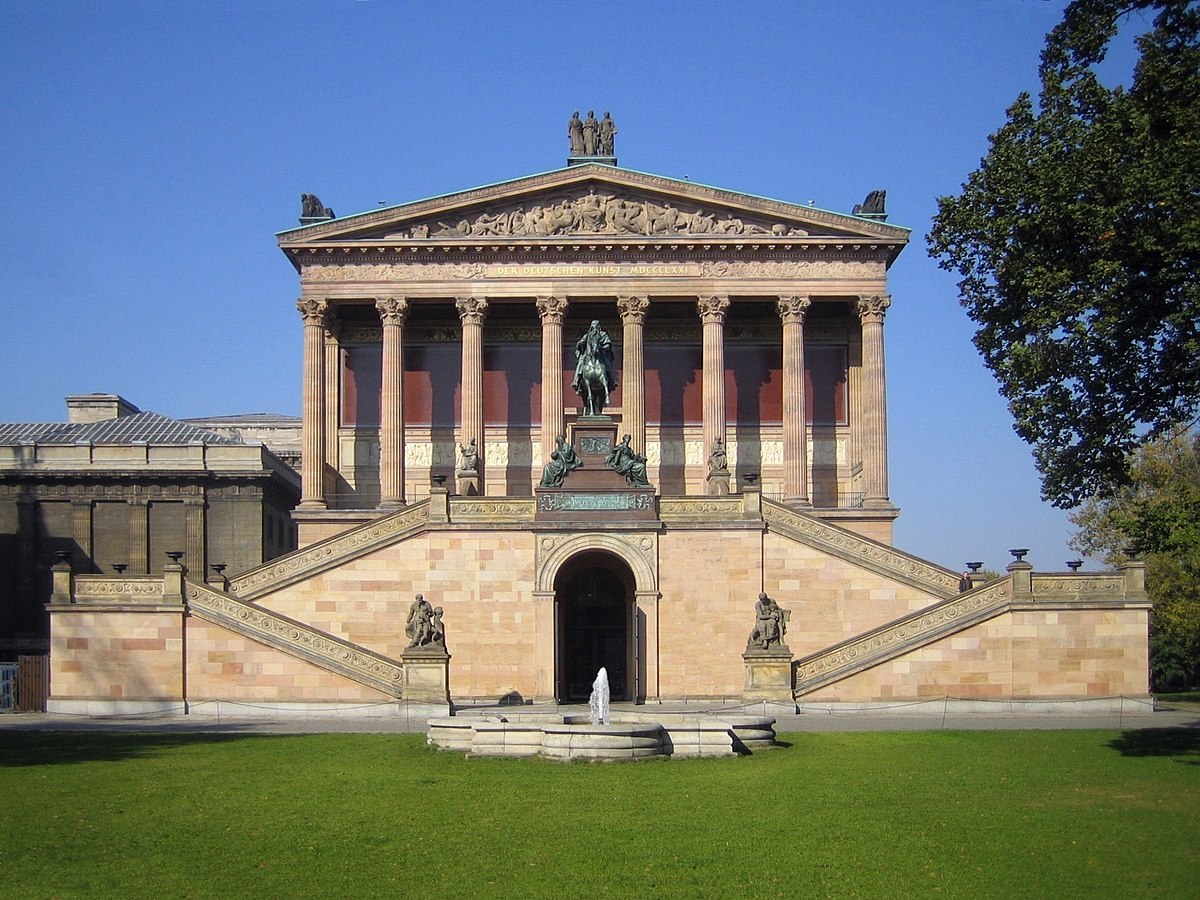
Alte Nationalgalerie
📍 Berlin, Germany
The Alte Nationalgalerie, an esteemed art museum located in Berlin’s Bezirk Mitte, is a cornerstone of cultural appreciation in Germany. This museum …