Overview
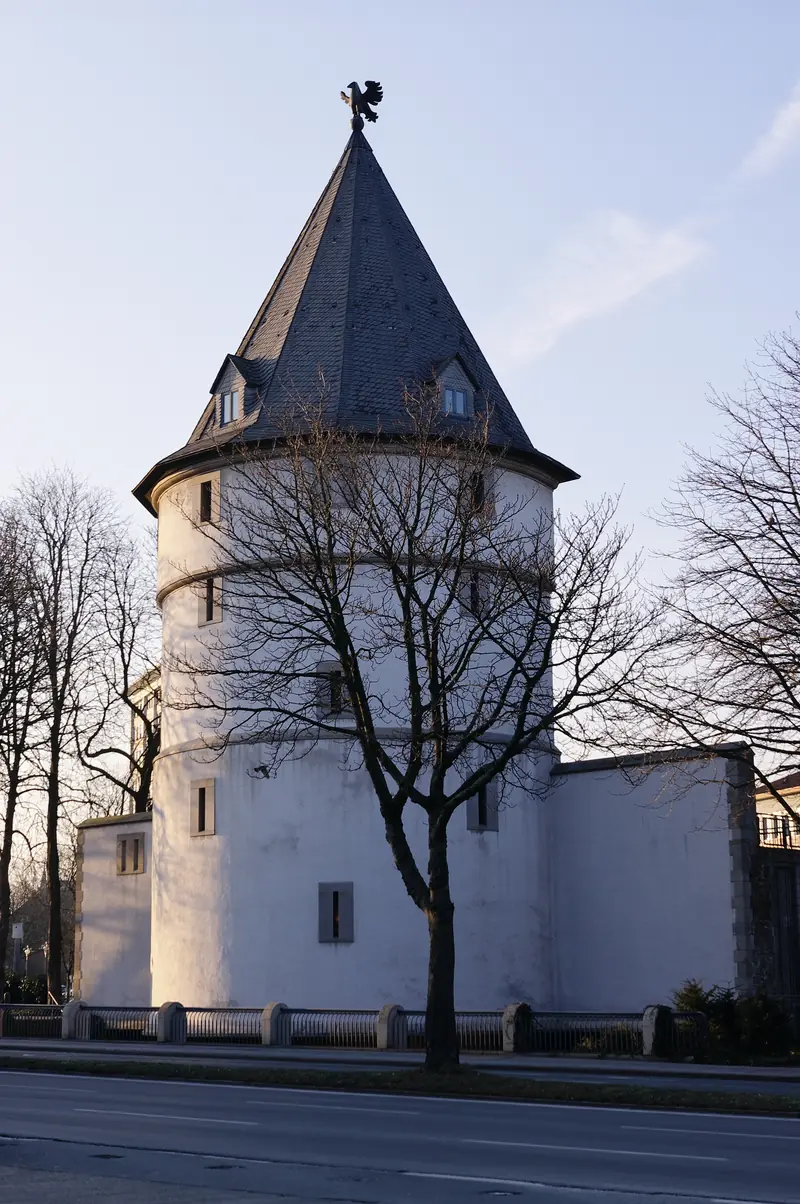
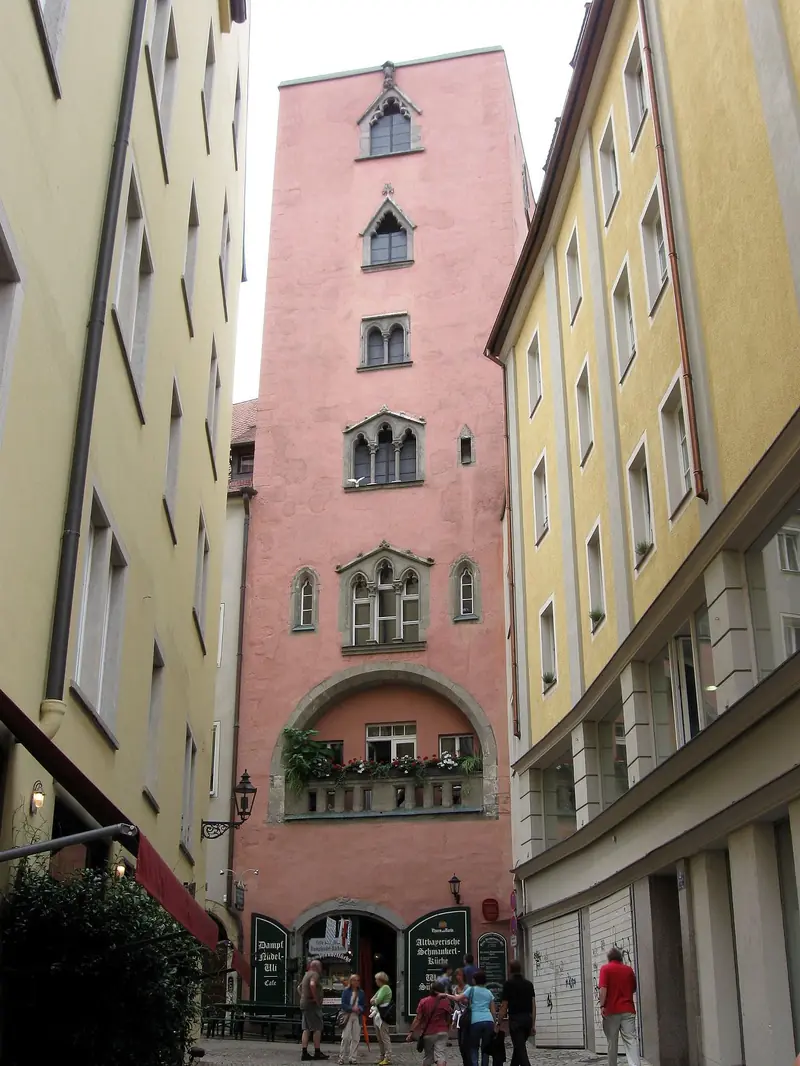
Rising proudly in the heart of Germany, the Baumburger Turm captures the essence of medieval architecture and stands as a significant symbol of the region’s historical landscape. This seven-story tower, with its elaborate decor and historical significance, invites visitors to explore its storied past and architectural beauty. Located at coordinates 49.01994, 12.09604, the Baumburger Turm serves as a striking landmark that links the present with the distant echoes of the 13th century.
The tower is not merely a structure but a monument that reflects the cultural and architectural evolution of the area over several centuries. With its early Gothic chapel and Renaissance courtyard, Baumburger Turm offers a glimpse into the architectural styles that have influenced this region of Germany. As you approach the tower, you can anticipate a blend of rich history and artistic expression that characterizes its design.
Visiting the Baumburger Turm is more than just an excursion; it is an opportunity to immerse oneself in the cultural heritage that has shaped the local identity. This guide will provide you with an in-depth understanding of the tower’s significance, architectural features, visiting information, and tips to enhance your experience.
History and Significance
The Baumburger Turm dates back to the third quarter of the 13th century, a period when the early Gothic architectural style began to flourish in Europe. Its construction is emblematic of the social and political dynamics of medieval Germany, reflecting the power and influence of local lords during this time. The tower was initially built as a defensive structure, providing protection and a vantage point for monitoring the surrounding area.
Throughout the centuries, the Baumburger Turm has undergone various transformations, mirroring the changes in architectural tastes and cultural values. The addition of a four-story residential house with a gable roof in the 15th century showcases the transition towards more residential and functional designs while still maintaining the tower’s defensive roots. This mingling of styles illustrates the evolution of living spaces in response to changing societal needs.
In the 16th century, the Renaissance courtyard was added, further enhancing the tower’s significance. This courtyard not only served as an aesthetic improvement but also as a practical space for social gatherings and community events. The architectural evolution of the Baumburger Turm reflects broader historical trends, including the shift from feudalism to more centralized forms of governance, as well as the growing importance of civic spaces in urban life.
Today, the Baumburger Turm stands as a monument to the past, drawing visitors who wish to connect with the region’s heritage. Its continued preservation underscores the importance of maintaining historical sites, allowing future generations to appreciate the architectural and cultural narratives that define their community.
Architecture and Features
The Baumburger Turm is a remarkable example of medieval architecture, characterized by its seven stories and rich decorative elements. The tower’s design showcases the early Gothic style prevalent during its construction, evident in its pointed arches, ribbed vaults, and intricate stonework.
One of the most striking features of the Baumburger Turm is its elaborate facade, adorned with decorative motifs that tell stories of the past. As you approach the tower, you will notice the craftsmanship that has gone into its design, reflecting the artistic sensibilities of the era. The early Gothic chapel within the tower adds another layer of historical significance, serving as a place of worship that has hosted countless ceremonies throughout its history.
The addition of the four-story residential house in the 15th century introduced a new architectural element to the structure. This building features a gable roof, which is characteristic of the period, and seamlessly integrates with the original tower. The continuity of design between the tower and the residential section exemplifies the harmonious blending of functionality and aesthetics typical of medieval urban architecture.
The Renaissance courtyard added in the 16th century further enhances the Baumburger Turm’s architectural tapestry. This space not only serves as an inviting area for visitors but also reflects the social dynamics of the time, where courtyards were vital for community interaction and gatherings. The combination of these architectural elements creates a unique structure that is both visually appealing and historically significant.
Visiting Information
Visiting the Baumburger Turm is an enriching experience that allows you to engage with the site’s historical and architectural significance. To reach the tower, various modes of transportation are available, including public transit options and local roads. It is advisable to check the official website for current information regarding hours of operation and ticket prices.
Upon arrival, expect to be greeted by the tower’s stunning facade and the surrounding historical context that enhances its charm. The visit can take around one to two hours, allowing you sufficient time to explore the tower, its features, and the surrounding area.
The best times to visit the Baumburger Turm are during the spring and early autumn months when the weather is generally pleasant. These seasons not only provide an opportunity to enjoy the outdoor surroundings but also facilitate a more comfortable exploration of the tower and its amenities.
Remember, visiting hours and any potential entry fees may vary, so checking the official website for the latest information prior to your visit is essential.
Nearby Attractions
The area surrounding the Baumburger Turm is rich in cultural and historical sites that complement your visit. Here are a few notable nearby attractions:
Historical Town Center: Just a short walk from the tower, the historical town center offers charming streets lined with traditional architecture, shops, and cafes, perfect for leisurely exploration.
Local Museums: Discover the local heritage and culture at nearby museums that provide insights into the region’s history and artistic contributions.
City Parks: Enjoy the natural beauty of the area by visiting nearby parks, where you can relax and take in the scenic surroundings.
Other Historical Towers: Explore additional historical towers in the vicinity, each with its unique story and architectural features, providing a broader understanding of the region’s heritage.
Guided Walking Tours: Participate in guided walking tours that cover the history and significance of the area, allowing for a deeper appreciation of the cultural context surrounding the Baumburger Turm.
Insider Tips
Photography: The Baumburger Turm offers numerous opportunities for photography, especially in the early morning or late afternoon when the light is soft. Capture the intricate details of the facade and the surrounding architecture.
Crowd Avoidance: To enjoy a more tranquil experience, consider visiting during weekdays or during less busy hours. Early mornings or later in the afternoon often see fewer visitors.
Practical Information
When planning your visit to the Baumburger Turm, consider bringing a camera for capturing remarkable moments, comfortable walking shoes for exploring the area, and a bottle of water to stay hydrated. Seasonal considerations such as weather conditions should also be noted; lighter layers in spring and autumn can enhance comfort during your visit.
Frequently Asked Questions
How long should I spend visiting?
A visit to the Baumburger Turm typically lasts between one to two hours, allowing ample time to explore the tower and its surroundings.
Is photography allowed?
Yes, photography is generally allowed, but be mindful of any specific restrictions that may be in place.
Are there guided tours?
Check the official website for information on guided tours, which may enhance your understanding of the tower’s history and architecture.
What’s the best time to visit?
The best times to visit are during spring and early autumn when the weather is pleasant for exploration.
Is it wheelchair accessible?
For detailed accessibility information, check the official website, as features may vary.
Can I buy tickets online?
Check the official website for the availability of online ticket purchases to streamline your visit.
Are there restrooms and cafes?
Facilities such as restrooms and cafes may be available nearby; check the local area for specific locations.
What should I wear?
Comfortable clothing and shoes are recommended, especially if you plan to explore the surrounding area. Dress appropriately for the weather conditions during your visit.
Embrace the opportunity to explore the Baumburger Turm and its surroundings, where history, architecture, and culture converge to create a memorable experience.