
Bauhaus Dessau Foundation
Overview
The Bauhaus Dessau Foundation occupies a significant place in the narrative of modern art and design, serving as both a museum and a cultural hub dedicated to the principles of the Bauhaus movement. Established in the city of Dessau, Germany, this foundation offers visitors an immersive experience into the revolutionary ideas that emerged in the early 20th century, transforming the landscape of architecture, visual arts, and design. The Bauhaus movement, founded by Walter Gropius, emphasized the unity of art and technology, and the foundation continues this legacy through its exhibitions, educational programs, and research initiatives.
Dessau itself is a city that reflects the spirit of innovation and progress. The Bauhaus Dessau Foundation is located at coordinates 51.839504, 12.2250714, placing it within reach of various architectural landmarks and cultural sites that complement the foundation’s focus. As a UNESCO World Heritage site, the foundation not only preserves the history of the Bauhaus but also actively engages with contemporary artistic discourse, making it a vital destination for art enthusiasts, scholars, and anyone interested in the evolution of design philosophy.
Visitors can expect a dynamic exploration of the Bauhaus ideals, coupled with the opportunity to engage with the foundation’s diverse programs. Whether you are an art aficionado or a casual traveler, the Bauhaus Dessau Foundation promises a thought-provoking experience that highlights the intersection of creativity and functionality.
History and Significance
The Bauhaus movement originated in Germany in the early 20th century, fundamentally altering the approach to art and design. Founded in 1919 by Walter Gropius, the Bauhaus school sought to bridge the gap between fine arts and applied arts, emphasizing the importance of craftsmanship alongside innovative design. The Dessau location became a pivotal center for the movement in the 1920s, as it housed the school from 1925 until its closure in 1932. During this time, Bauhaus attracted numerous influential artists and designers, including Paul Klee, Wassily Kandinsky, and Marcel Breuer, who contributed to its reputation as a breeding ground for modernist thought.
The Bauhaus Dessau Foundation was established to preserve and promote this important cultural heritage. It encompasses not only the museum aspect but also a dedicated space for research and education related to the Bauhaus legacy. The foundation undertakes various initiatives, including exhibitions that showcase both historical and contemporary works influenced by Bauhaus principles, workshops, and lectures that encourage dialogue about the relevance of these ideas today.
The foundation’s significance extends beyond its exhibitions; it stands as a living institution that fosters creativity and innovation. It asserts the relevance of Bauhaus concepts in contemporary design and architecture, making it an essential site for understanding the ongoing impact of this movement on modern artistic practices.
Architecture and Features
The Bauhaus Dessau Foundation itself is housed in a building designed by Walter Gropius, reflecting the core tenets of the Bauhaus philosophy. The structure is an excellent example of modernist architecture, characterized by its functional design, geometric forms, and the use of industrial materials. Its functionalist approach emphasizes simplicity and utility, aligning with the foundational Bauhaus belief that form should follow function.
Key architectural features of the foundation include large, open spaces that allow for flexibility in exhibition design, extensive use of glass to create transparency and connection with the surrounding environment, and a layout that encourages visitor interaction with the artworks and installations. The foundation’s design embodies the Bauhaus ethos that art and architecture should be accessible to all, promoting an inclusive approach to cultural engagement.
Inside, visitors will find a rich array of exhibitions that not only showcase historical artifacts from the Bauhaus era but also contemporary works that resonate with its ideals. The design of the exhibition spaces complements the artwork, allowing for a harmonious dialogue between the pieces and their surroundings. This interplay enhances the visitor experience, making the foundation a site of both contemplation and inspiration.
Visiting Information
When planning a visit to the Bauhaus Dessau Foundation, it is advisable to check the official website for current information regarding opening hours and ticket prices. The foundation is well-connected by public transportation, making it easily accessible from various points in Dessau-Roßlau. Visitors can expect to spend approximately two to three hours exploring the exhibitions and engaging with the various programs offered.
The best times to visit are during weekdays to avoid larger crowds, as weekends can be busier with both locals and tourists. For those interested in a deeper understanding of the exhibits, consider joining a guided tour, which can enhance your appreciation of the Bauhaus philosophy and the artworks on display.
Visitors should be prepared for a variety of experiences, ranging from guided tours to interactive workshops. The engaging nature of the foundation’s programs means there is often something for everyone, whether you are a seasoned art enthusiast or a newcomer to the world of design.
Nearby Attractions
In addition to the Bauhaus Dessau Foundation, the city of Dessau-Roßlau offers several nearby attractions worth exploring:
Mies van der Rohe’s Tugendhat House: A UNESCO World Heritage site, this iconic modernist house reflects the principles of the Bauhaus movement and is known for its innovative design.
Dessau-Wörlitz Garden Realm: This expansive landscape park showcases neoclassical architecture and beautiful gardens, offering a serene contrast to the modernist structures in the area.
Anhaltisches Theater: A cultural hub for performing arts, this theater hosts a variety of performances, including opera, ballet, and drama.
Wörlitzer Park: A picturesque park that combines elements of English landscape design with architectural follies, making it a lovely spot for leisurely walks.
Kunsthaus Dessau: This art center focuses on contemporary art and design, hosting exhibitions that often reflect themes explored in the Bauhaus movement.
Insider Tips
For photography enthusiasts, the Bauhaus Dessau Foundation offers numerous opportunities to capture striking images of both the architecture and the artworks. However, be mindful of the rules regarding photography inside the exhibit spaces, as restrictions may vary.
To avoid crowds, plan your visit during the early hours on weekdays. This not only allows for a quieter experience but also gives you the chance to engage more deeply with the exhibits without the distractions of larger groups.
Practical Information
When visiting the Bauhaus Dessau Foundation, comfortable footwear is recommended, as the layout encourages exploration. Seasonal considerations are essential; during the summer, lighter clothing is advisable, while in the cooler months, layering is a good strategy to ensure comfort throughout your visit.
It’s also wise to bring a notepad or sketchbook if you enjoy jotting down thoughts or capturing inspiration while engaging with the artworks. Many visitors find that taking time to reflect enhances their overall experience.
Frequently Asked Questions
How long should I spend visiting?
A visit typically requires about two to three hours to fully engage with the exhibitions and programs.
Is photography allowed?
Photography policies may vary; check with the foundation upon arrival for specific guidelines.
Are there guided tours?
Yes, guided tours are often available and can enhance your understanding of the exhibits.
What’s the best time to visit?
Weekdays, especially in the morning, are ideal for avoiding larger crowds.
Is it wheelchair accessible?
The foundation is designed to be accessible, but it’s advisable to check specific needs ahead of your visit.
Can I buy tickets online?
Check the official website for information regarding online ticket sales.
Are there restrooms and cafes?
Facilities, including restrooms and cafes, are typically available on-site but verify details on the official website.
What should I wear?
Comfortable clothing and footwear are recommended, especially if you plan to explore the surrounding areas as well.
More in Brandenburg
Agnetenkloster
📍 Brandenburg, Germany
Agnetenkloster, a former monastery located in the heart of Magdeburg, Germany, invites visitors to explore its serene ambiance and historical …

Agroneum
📍 Brandenburg, Germany
Agroneum is a museum located in the serene landscape of Alt Schwerin, Germany. This establishment serves as a vibrant hub for those interested in the …

Alexander Nevsky Memorial Church
📍 Brandenburg, Germany
The Alexander Nevsky Memorial Church in Potsdam, Germany, offers visitors a unique glimpse into the city’s cultural and religious heritage. This …
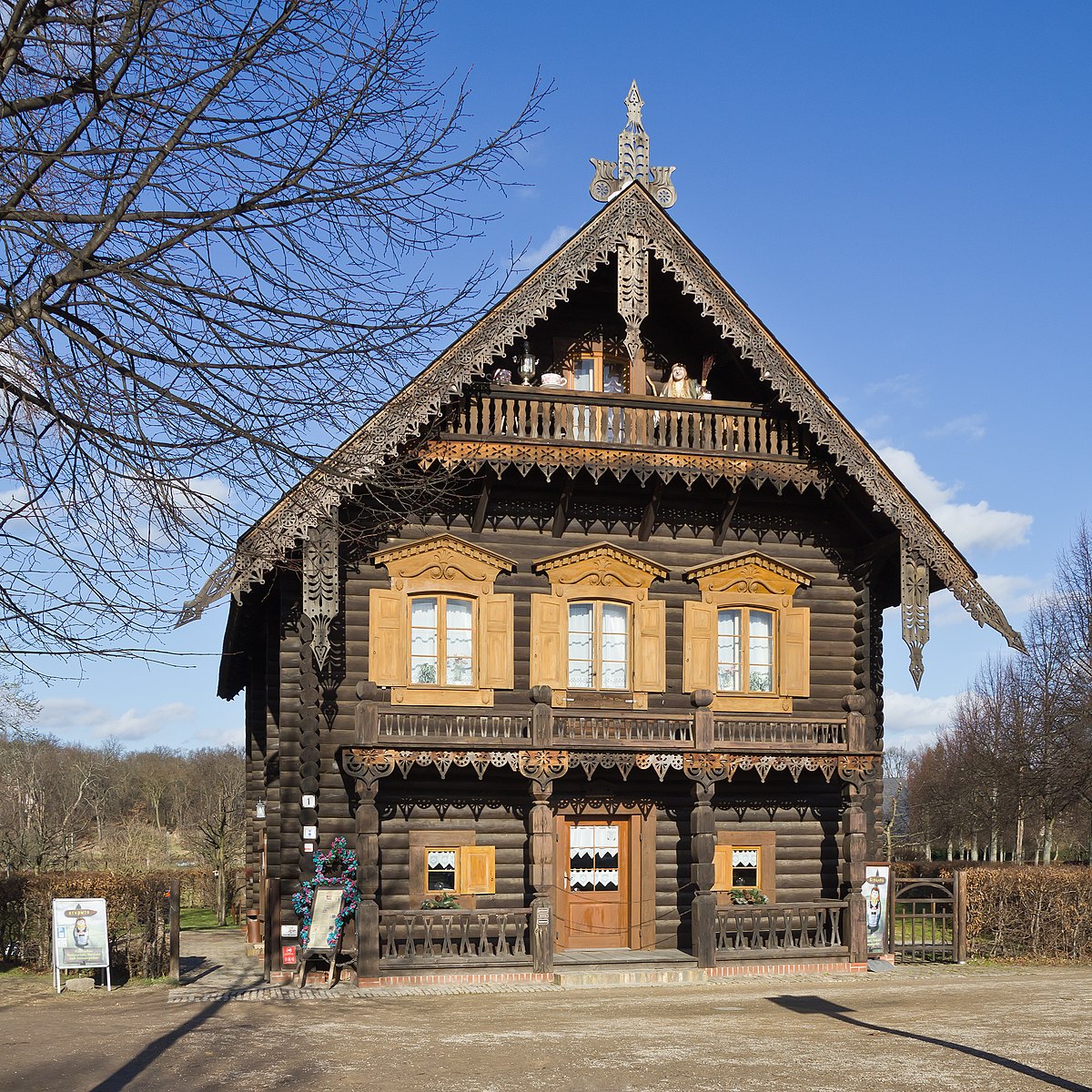
Alexandrowka
📍 Brandenburg, Germany
Located in the picturesque city of Potsdam, Germany, Alexandrowka is an intriguing architectural ensemble that reflects a unique blend of Russian and …

Alte Burg Penzlin
📍 Brandenburg, Germany
Alte Burg Penzlin, a captivating castle located in the quaint town of Penzlin, Germany, serves as a remarkable example of medieval architecture and …

Alte Dorfkirche Röxe
📍 Brandenburg, Germany
The Alte Dorfkirche Röxe stands as a poignant symbol of architectural and cultural history in the Stendal region of Germany. This church building, …
More Art Museums

Aachen Cathedral Treasury
📍 North Rhine-Westphalia, Germany
Aachen Cathedral Treasury, located in the historic city of Aachen, Germany, is a remarkable art museum that houses an impressive collection of …

Abteiberg Museum
📍 North Rhine-Westphalia, Germany
In the heart of Mönchengladbach, Germany, the Abteiberg Museum stands out as a prominent destination for art enthusiasts and cultural explorers alike. …

Akademisches Kunstmuseum
📍 North Rhine-Westphalia, Germany
In the heart of Bonn, Germany, lies the Akademisches Kunstmuseum, an art museum that invites visitors to explore a diverse collection of artworks …

Albertinum
📍 Saxony, Germany
Albertinum is a prominent art museum located in the heart of Dresden, Germany, serving as a significant cultural institution in the region. …

Albrecht Dürer's House
📍 Bavaria, Germany
Albrecht Dürer’s House stands as a significant cultural landmark in Nuremberg, Germany, celebrating the life and work of one of the Renaissance’s most …
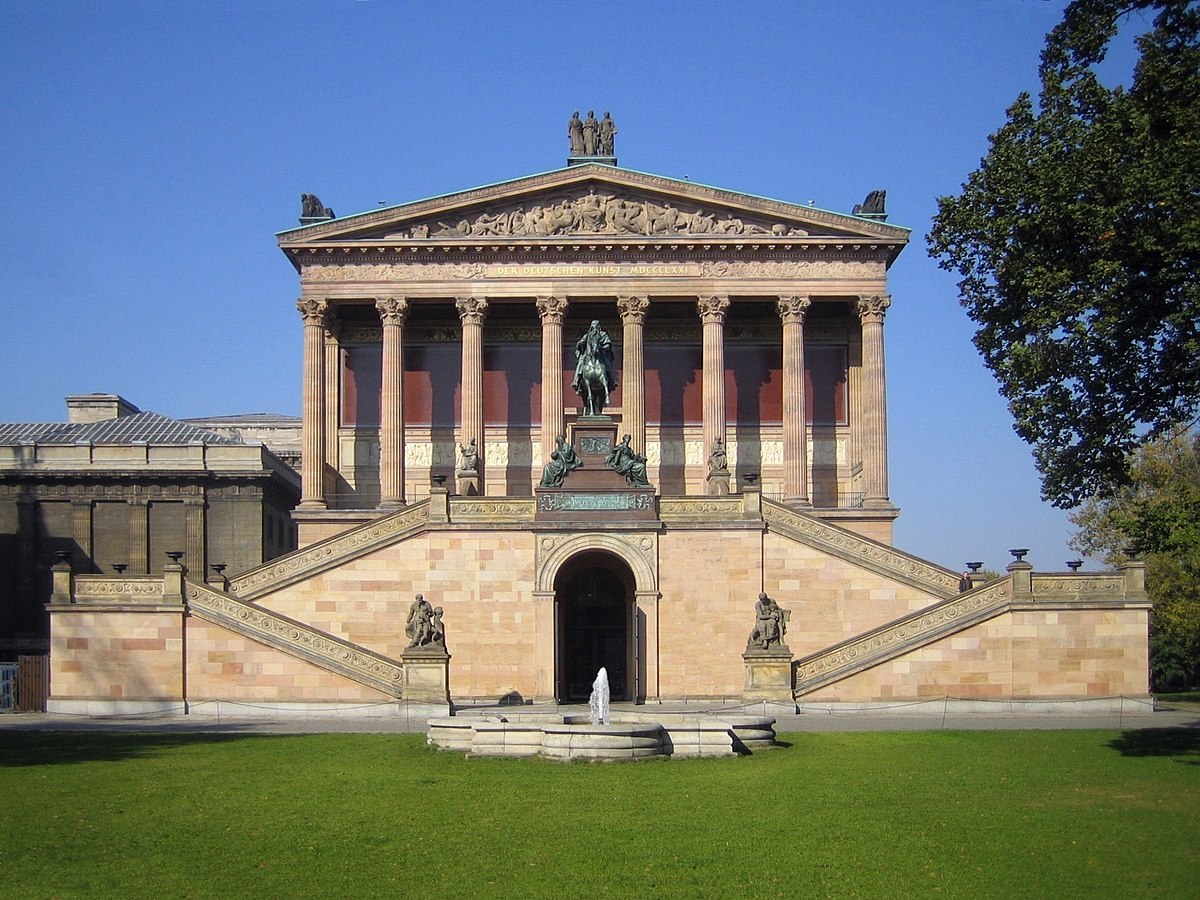
Alte Nationalgalerie
📍 Berlin, Germany
The Alte Nationalgalerie, an esteemed art museum located in Berlin’s Bezirk Mitte, is a cornerstone of cultural appreciation in Germany. This museum …