
Bauhaus Dessau
Overview
Bauhaus Dessau is a landmark of modernist architecture and design, situated in the city of Dessau-Roßlau, Germany. Renowned for its pivotal role in the Bauhaus movement, which revolutionized art, architecture, and design in the early 20th century, this museum complex stands as a significant cultural institution. The Bauhaus school, founded by Walter Gropius, focused on unifying art and technology, which is clearly reflected in the innovative structures and design philosophies that emerged from this period. Visitors to Bauhaus Dessau can expect to immerse themselves in a world where form meets function, experiencing firsthand the principles that have influenced countless architects and designers around the globe.
As you explore this significant site, you’ll not only encounter striking architectural features but also gain insight into the educational philosophies that shaped modern design. Established in a context of social and political change, the Bauhaus movement sought to create a new artistic language that resonated with the needs of contemporary society. Today, Bauhaus Dessau serves as both a museum and a center for research, continuing the legacy of its founders while engaging with new generations of artists and designers.
History and Significance
The Bauhaus movement originated in Weimar, Germany, in 1919 under the visionary leadership of Walter Gropius. Gropius envisioned a school that would integrate crafts and fine arts, fostering a new approach to design that emphasized functionality and simplicity. The movement eventually relocated to Dessau in 1925, where the iconic Bauhaus building was constructed. This period marked a significant expansion of the school’s influence, attracting notable figures such as Paul Klee, Wassily Kandinsky, and Marcel Breuer, who contributed to its legacy.
The Bauhaus Dessau building complex was not merely an educational institution but also a laboratory for experimentation in architecture and design. The school focused on the principles of mass production combined with artistic creativity, which would come to define modernism. This approach addressed the socio-economic challenges of the time, promoting the idea that good design should be accessible to all. The building itself, designed by Gropius, exemplifies these ideals through its functional yet aesthetically pleasing design, characterized by clean lines, open spaces, and the use of industrial materials.
The legacy of Bauhaus Dessau extends beyond architecture; it has influenced various fields including graphic design, furniture design, and urban planning. The school’s innovative ideas on collaboration, education, and community engagement continue to resonate in contemporary practices. As a UNESCO World Heritage site, Bauhaus Dessau is recognized not only for its architectural significance but also for its role in shaping cultural identity and fostering creative dialogue.
Architecture and Features
Bauhaus Dessau is distinguished by its striking modernist architecture, which is a reflection of the Bauhaus philosophy. The main building is characterized by its functional design, featuring an asymmetrical façade, large glass windows, and a flat roof. This design was revolutionary for its time, emphasizing transparency and the interplay between interior and exterior spaces. The use of steel and reinforced concrete allowed for open floor plans and flexible spaces, which were integral to the Bauhaus pedagogical approach.
Key architectural features of the Bauhaus Dessau include the prominent use of color and geometric forms. The building’s vibrant colors serve not only an aesthetic purpose but also embody the experimental spirit of the Bauhaus movement. The interplay of light and space within the building creates an atmosphere conducive to creativity and collaboration, reflecting Gropius’s vision of a space that inspires innovation.
In addition to the main building, the complex includes student dormitories and workshops, each designed to facilitate the educational ethos of the Bauhaus school. The spaces are organized to encourage interaction among students, fostering a sense of community that was central to the Bauhaus experience. The museum also exhibits a collection of original furniture and artworks created by prominent Bauhaus artists, providing visitors with a tangible connection to the movement’s legacy.
Visiting Information
Visitors to Bauhaus Dessau should plan their trip to fully appreciate the museum’s rich offerings. The site is accessible by various modes of transport, including local buses and trains. For those driving, check for parking facilities nearby.
Before your visit, it is advisable to check the official website for current information regarding opening hours and ticket prices. The museum typically features exhibitions that change periodically, so there may be new displays and events to explore. Expect to spend a few hours at the site to fully engage with the exhibits and take in the architecture.
The best times to visit are during weekdays when the museum tends to be less crowded. Early mornings or late afternoons can also provide a more tranquil experience. The museum is equipped with informative displays and guided tours that delve into the history and significance of the Bauhaus movement, offering a deeper understanding of its impact on contemporary design.
Nearby Attractions
While visiting Bauhaus Dessau, there are several nearby attractions worth exploring:
Dessau-Wörlitz Garden Realm: A UNESCO World Heritage site, this expansive landscape park features picturesque gardens and neoclassical buildings, showcasing the harmony between nature and architecture.
Kunsthaus Dessau: An art museum that continues the Bauhaus tradition by hosting contemporary exhibitions and events, making it a perfect complement to a visit to the Bauhaus museum.
Anhaltisches Theater Dessau: This historic theater offers a variety of performances, including opera, ballet, and drama, providing a cultural experience beyond visual arts.
The Masters’ Houses: Located near the Bauhaus building, these residences were designed for key Bauhaus figures and showcase various architectural styles and innovations from the period.
Dessau City Center: A short stroll away, the city center features shops, cafes, and historical sites, allowing visitors to experience local culture and cuisine.
Insider Tips
To enhance your visit to Bauhaus Dessau, consider these insider tips:
Photography: While photography is generally encouraged, be mindful of any restrictions in specific exhibition areas. Capture the architectural details and the play of light within the spaces.
Crowd Avoidance: Plan your visit during weekdays or opt for early morning slots to avoid larger crowds. This will allow for a more intimate experience with the exhibits and architecture.
Guided Tours: Taking a guided tour can provide valuable insights into the history and significance of the Bauhaus movement, enriching your understanding of the site.
Practical Information
When preparing for your visit to Bauhaus Dessau, keep the following practical considerations in mind:
What to Bring: Comfortable walking shoes are recommended, as you will likely explore both the interior and exterior of the complex. A notebook or sketchbook can be useful for jotting down thoughts or inspirations.
Seasonal Considerations: If visiting during colder months, dress warmly as some areas may be less heated. In warmer seasons, consider sunscreen and a hat, especially if you plan to explore the outdoor spaces.
Accessibility: The site aims to accommodate all visitors. If you have specific needs, check the official website for accessibility options and services available during your visit.
Frequently Asked Questions
How long should I spend visiting?
A visit typically lasts around 2-4 hours, depending on your interest in the exhibitions and architecture.
Is photography allowed?
Photography is generally permitted, but be aware of any specific restrictions in exhibition areas.
Are there guided tours?
Yes, guided tours are available and can enhance your understanding of the site’s history and significance.
What’s the best time to visit?
Weekdays and early mornings are ideal for avoiding crowds and enjoying a quieter experience.
Is it wheelchair accessible?
The site aims to be accessible, but check the official website for detailed information on facilities for visitors with mobility challenges.
Can I buy tickets online?
Check the official website for information regarding online ticket purchases and any available discounts.
Are there restrooms and cafes?
Facilities are available on-site, including restrooms. Refreshments may also be offered, but check the official website for specific details.
What should I wear?
Comfortable clothing and shoes are recommended for walking and exploring the site thoroughly.
More in Brandenburg
Agnetenkloster
📍 Brandenburg, Germany
Agnetenkloster, a former monastery located in the heart of Magdeburg, Germany, invites visitors to explore its serene ambiance and historical …

Agroneum
📍 Brandenburg, Germany
Agroneum is a museum located in the serene landscape of Alt Schwerin, Germany. This establishment serves as a vibrant hub for those interested in the …

Alexander Nevsky Memorial Church
📍 Brandenburg, Germany
The Alexander Nevsky Memorial Church in Potsdam, Germany, offers visitors a unique glimpse into the city’s cultural and religious heritage. This …
Alexandrowka
📍 Brandenburg, Germany
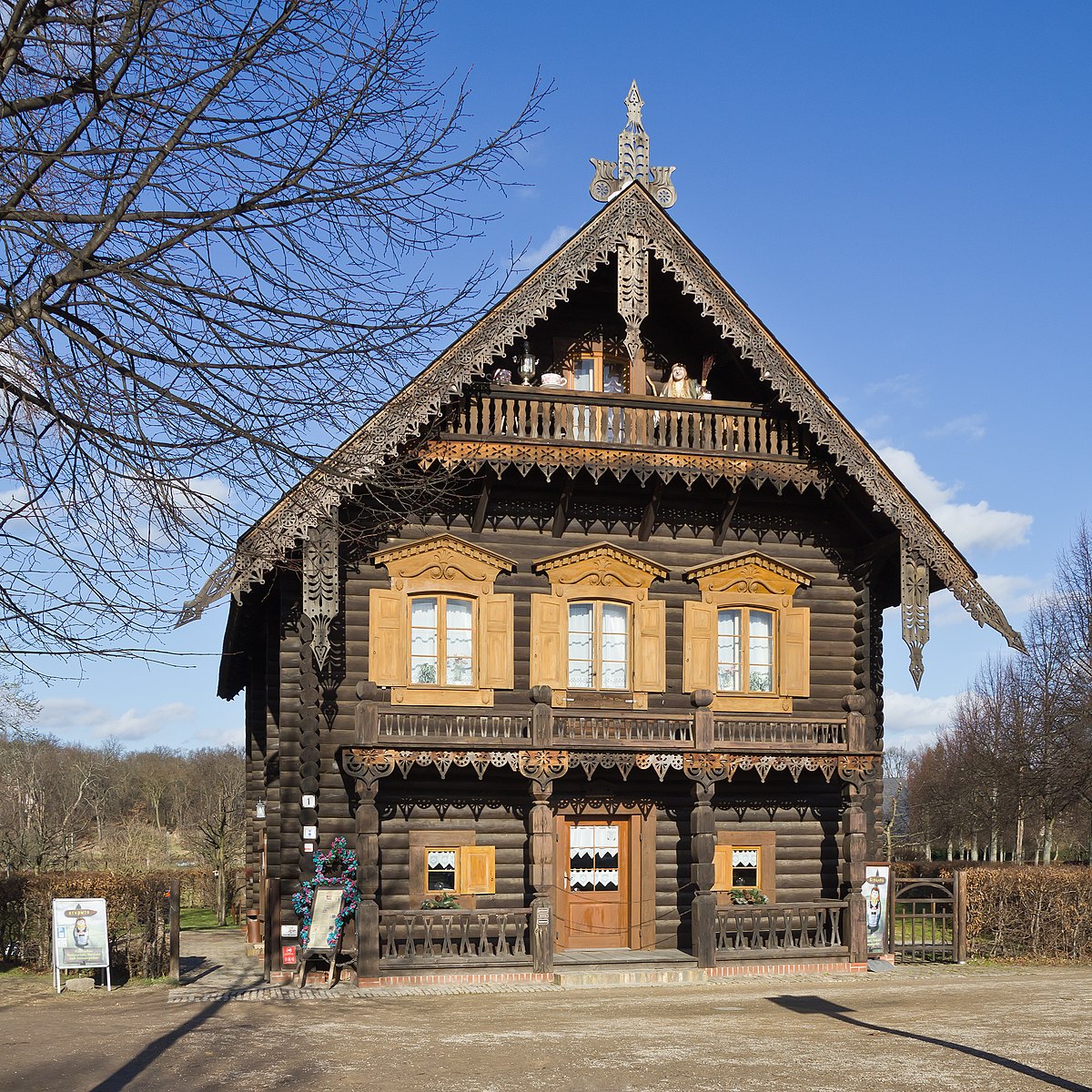
Located in the picturesque city of Potsdam, Germany, Alexandrowka is an intriguing architectural ensemble that reflects a unique blend of Russian and …

Alte Burg Penzlin
📍 Brandenburg, Germany
Alte Burg Penzlin, a captivating castle located in the quaint town of Penzlin, Germany, serves as a remarkable example of medieval architecture and …

Alte Dorfkirche Röxe
📍 Brandenburg, Germany
The Alte Dorfkirche Röxe stands as a poignant symbol of architectural and cultural history in the Stendal region of Germany. This church building, …
More Museums

Abbey and Altenmünster of Lorsch
📍 Baden-Württemberg, Germany
The Abbey and Altenmünster of Lorsch is a UNESCO World Heritage site located in the charming town of Lorsch, Germany. This significant cultural …
Abenteuermuseum
📍 Rhineland-Palatinate, Germany
The Abenteuermuseum, located in Germany, invites visitors to explore the wonders of adventure through its unique exhibits and engaging experiences. …

Abwasser- und Sielmuseum
📍 Hamburg, Germany
The Abwasser- und Sielmuseum, located in the heart of Hamburg-Mitte, offers a unique glimpse into the city’s historical infrastructure concerning …

Academy of Arts, Berlin
📍 Berlin, Germany
The Academy of Arts in Berlin is not just a museum; it is a prominent national institution dedicated to the advancement of the arts in Germany. …

Ackerbürgermuseum Haus Leck
📍 Hesse, Germany
Ackerbürgermuseum Haus Leck is a culturally significant museum located in Germany’s Grebenstein region, dedicated to preserving and showcasing the …

Active Museum Spiegelgasse
📍 Hesse, Germany
Active Museum Spiegelgasse is a vital institution dedicated to preserving and exploring the German-Jewish history of Wiesbaden, Germany. Located in …