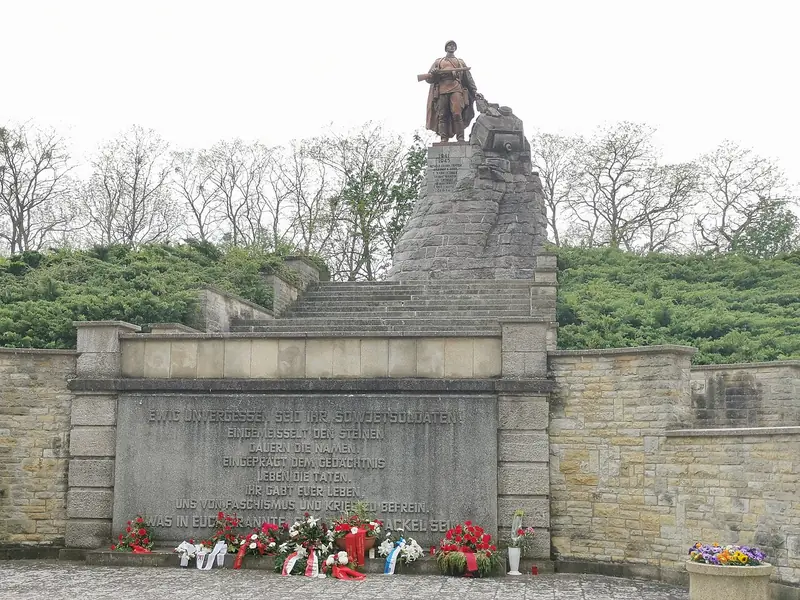
Overview
The Battle of the Seelow Heights Memorial stands as a poignant reminder of one of the significant military confrontations during World War II, located in Seelow, Germany. This memorial not only commemorates the fierce fighting that took place in April 1945 but also serves as a place of reflection on the sacrifices made during one of the war’s most critical phases. Positioned in the heart of the former battleground, the memorial provides visitors with insight into the events that shaped the region during a tumultuous period in history.
The site is steeped in cultural significance, drawing visitors from around the world who wish to understand the complexities of wartime experiences and the impact of conflict on civilian life. The memorial not only honors those who fought but also educates future generations about the consequences of war. The surrounding area, with its historical context and natural beauty, enhances the experience of visiting this solemn site.
For those interested in history and its lessons, the Battle of the Seelow Heights Memorial promises an engaging and educational visit, encouraging reflection on the broader themes of peace, conflict, and remembrance.
History and Significance
The Battle of the Seelow Heights was a pivotal confrontation during the final stages of World War II, marking one of the last major battles on the Eastern Front. The fighting occurred in early April 1945 and involved intense clashes between the Soviet Red Army and German forces. The strategic importance of Seelow Heights lay in its elevation, offering a commanding view of the surrounding landscape, which made it a formidable defensive position for German troops.
As the Red Army advanced towards Berlin, the battle at Seelow Heights became a desperate stand for German forces. The intense and brutal combat that unfolded in this area is remembered for the high number of casualties on both sides. The memorial serves to honor the fallen soldiers and to acknowledge the suffering endured by those who lived in the vicinity. It stands as a cultural landmark, fostering an understanding of the local and global implications of such conflicts.
In addition to its military significance, the memorial embodies a broader message about the horrors of war and the importance of historical remembrance. It invites visitors to reflect on the lessons learned from the past, emphasizing the need for peace and reconciliation. The Battle of the Seelow Heights Memorial is not just a monument; it is a place of contemplation on the human cost of war and the enduring hope for a more peaceful future.
Architecture and Features
The Battle of the Seelow Heights Memorial is characterized by its solemn and imposing design, which reflects the gravity of the events it commemorates. While specific architectural details are not extensively documented, the memorial’s presence in the landscape serves to evoke a sense of respect and remembrance for those who fought and died in the battle.
Visitors can expect to find various elements that contribute to the memorial’s significance, including inscriptions and plaques that provide historical context and honor the soldiers who engaged in the conflict. The layout of the memorial is designed to encourage reflection, with open spaces that allow visitors to contemplate the sacrifices made during this intense period of history.
The surrounding landscape adds to the memorial’s austere atmosphere, as it is situated within the context of the battlefield itself, where the echoes of the past resonate in the air. This thoughtful integration of the memorial with its historical site creates a powerful experience, prompting visitors to engage with the history it represents.
Visiting Information
Visiting the Battle of the Seelow Heights Memorial offers an insightful experience into a significant chapter of World War II history. The site is accessible to visitors, and those planning a trip should check the official website for current information regarding hours of operation and any potential entrance fees.
Transportation options to the memorial include various public transit routes connecting to Seelow. Visitors can expect to spend approximately one to two hours at the site, allowing time to absorb the memorial’s significance and explore the surroundings.
Best times to visit are typically during the spring and autumn months when the weather is mild and conducive to outdoor exploration. However, the memorial is open year-round, offering opportunities for reflection regardless of the season.
Visitors should come prepared for varying weather conditions, especially if they plan to walk around the memorial grounds. Comfortable footwear is recommended, as well as appropriate clothing for the time of year.
Nearby Attractions
While visiting the Battle of the Seelow Heights Memorial, there are several nearby attractions that enhance the historical exploration of the region:
Seelow Town Museum: A short distance from the memorial, this museum provides insights into local history, including artifacts and exhibitions related to the town’s involvement during World War II.
Zemmin Lake: Just a few kilometers away, this picturesque lake offers opportunities for relaxation and nature walks, making it a pleasant contrast to the memorial’s solemn atmosphere.
St. Mary’s Church in Seelow: An architectural highlight in the town, this church is known for its historical significance and beautiful design, offering insight into the local culture and heritage.
The Oder River: Flowing nearby, the river offers scenic walks and a chance to enjoy the natural beauty of the region, providing a peaceful setting for reflection after visiting the memorial.
Küstrin Fortress: A short drive away, this historical fortress is a reminder of the region’s military past, with remnants of the ancient fortifications and picturesque views.
Insider Tips
To make the most of your visit to the Battle of the Seelow Heights Memorial, consider the following insider tips:
Photography: While photography is typically allowed, be respectful of the solemn nature of the site. Capture the memorial’s features thoughtfully, focusing on the messages conveyed through inscriptions and the overall atmosphere.
Crowd Avoidance: Weekdays are often less crowded than weekends, providing a more peaceful experience for contemplation. Early morning visits can also offer a quieter atmosphere.
Practical Information
When planning your visit to the Battle of the Seelow Heights Memorial, consider bringing the following items:
- Comfortable walking shoes: The memorial grounds may require some walking, so sturdy footwear is advisable.
- Weather-appropriate clothing: Check the forecast before your visit to ensure you are dressed adequately for the conditions.
- Water and snacks: While there may not be facilities on-site, having refreshments can enhance your experience, especially if you plan to spend time reflecting.
Seasonal considerations should also be taken into account; spring and autumn are ideal for visiting due to the mild weather, while summer months can be quite warm. Winter visits might require additional preparations due to colder temperatures.
Frequently Asked Questions
How long should I spend visiting?
Plan to spend about one to two hours at the Battle of the Seelow Heights Memorial to fully absorb its significance.
Is photography allowed?
Photography is generally permitted, but visitors should be mindful of the memorial’s solemn nature when taking pictures.
Are there guided tours?
Check the official website for information on guided tours, as offerings may vary.
What’s the best time to visit?
Spring and autumn are ideal for visiting, but the memorial is accessible year-round.
Is it wheelchair accessible?
Accessibility information may not be specified; check the official website for detailed accessibility options.
Can I buy tickets online?
For current ticketing options, refer to the official website, as availability may vary.
Are there restrooms and cafes?
Restroom availability and nearby cafes should be confirmed on the official website for the most accurate information.
What should I wear?
Dress comfortably and appropriately for the weather, especially if you plan to walk around the memorial grounds.



