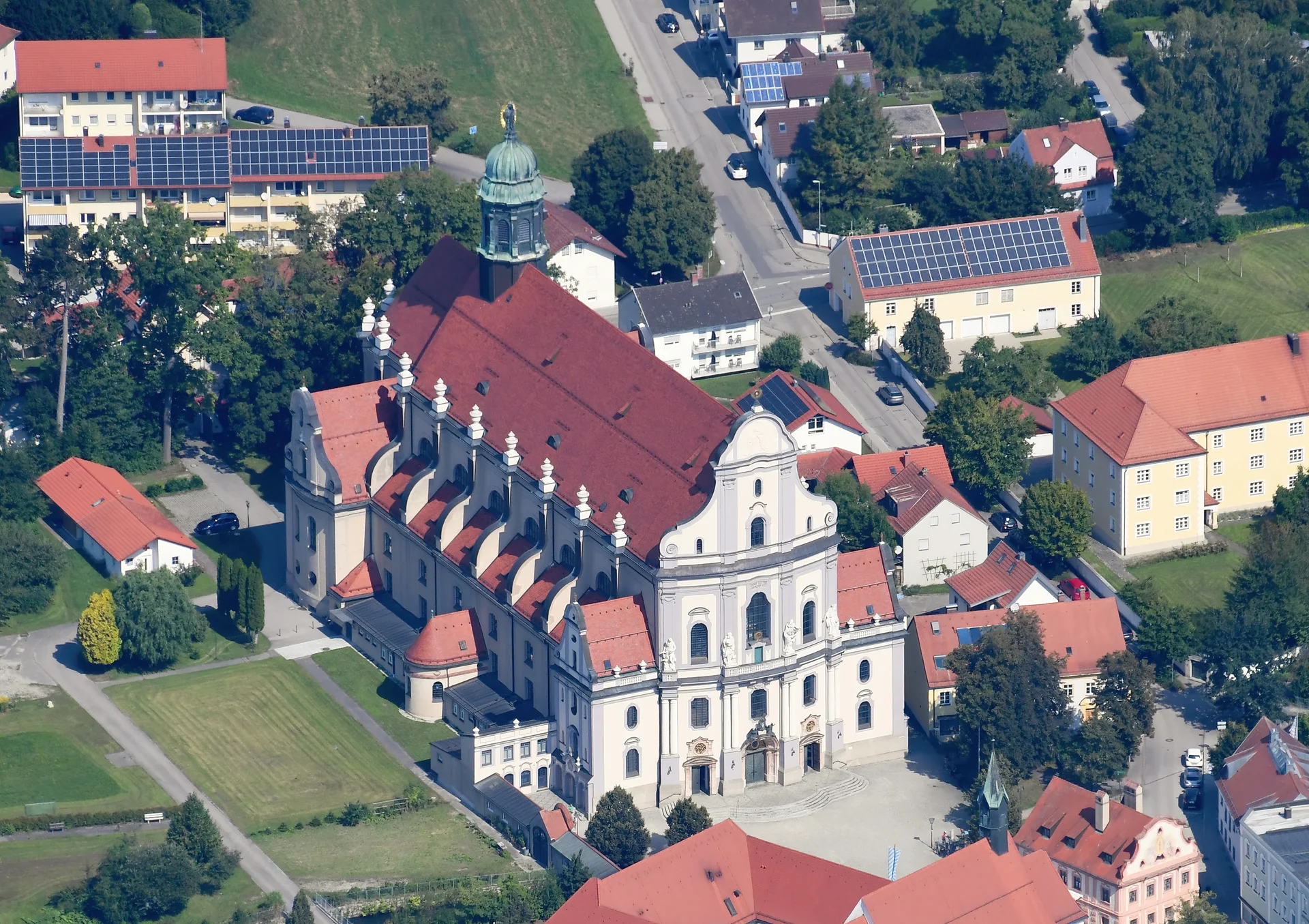
Basilica of St. AnnAltötting
Overview
The Basilica of St. Ann in Altötting stands as a remarkable example of Baroque Revival architecture, a relatively modern structure established in 1910. This church is not only an architectural gem but also a significant site for Catholic pilgrimage. Located in Altötting, Germany, the basilica attracts visitors with its striking design and spiritual ambiance. As you approach this sacred space, the surrounding landscape creates a serene backdrop, inviting contemplation and reflection.
Visitors to the Basilica of St. Ann will discover a place that resonates with faith and history. The site serves as a focal point for Catholicism in the region, drawing pilgrims and tourists alike who seek to experience its beauty and spiritual significance. The church’s architectural features and rich tradition offer insights into the cultural heritage of the area, making it a compelling destination for those interested in both history and architecture.
History and Significance
The Basilica of St. Ann was founded in 1910, marking its establishment in the early 20th century amidst a growing wave of religious architecture in Europe. Designed by architect Johann Baptist Schott, the basilica reflects the artistic movements of its time while serving as a spiritual hub for the Catholic community. Over the years, the church has become an important pilgrimage site, attracting numerous visitors who come to pay homage to its religious significance.
Although specific historical events may not be documented extensively, the basilica’s role in fostering community and spirituality has been pivotal since its inception. It stands as a testament to the enduring nature of faith and the importance of architectural spaces in expressing religious devotion.
Architecture and Features
The architectural style of the Basilica of St. Ann is Baroque Revival, characterized by its dramatic use of space and ornate details. The building’s design captures the essence of this style, featuring grand arches, intricate decorations, and an overall sense of grandeur that invites admiration. Visitors should pay close attention to the church’s façade, which showcases elaborate elements that are hallmarks of Baroque Revival architecture.
While specific physical attributes such as dimensions are not provided, the basilica’s interior is designed to create an uplifting atmosphere for worshippers and visitors alike. Its carefully arranged layout encourages exploration and provides ample opportunities for reflection and prayer.
Visiting Information
To visit the Basilica of St. Ann, travelers can utilize various transportation options available in the region. Whether arriving by car or public transport, accessibility to this site is generally good.
Hours: Check the official website for current opening hours.
Prices: Visit the official website for current admission prices.
Expect to spend about 1-2 hours exploring the basilica. During your visit, you will experience not only the architectural beauty but also the tranquil atmosphere that pervades this sacred space.
For an optimal experience, consider visiting in the morning when crowds are fewer, allowing for a more contemplative environment. The seasons also play a role; spring and fall often present pleasant weather conducive to exploration.
Accessibility may vary, so it is advisable to contact the site directly for the latest information on facilities available for visitors with mobility challenges.
Nearby Attractions
While visiting the Basilica of St. Ann, there are several nearby attractions that enhance your experience in Altötting:
Chapel of Grace: A revered pilgrimage site housing a miraculous statue of Our Lady of Altötting, this chapel draws many visitors seeking spiritual connection.
St. Anne’s Church: Located near the basilica, this church features stunning artworks and offers further insight into local religious practices.
The Altötting Museum: This museum showcases the history and culture of Altötting, providing context for your visit to the basilica and other historical sites in the area.
The Old Town Square: A charming area filled with shops and cafes where you can relax and enjoy local cuisine while soaking up the atmosphere.
Nearby Parks: The surrounding area features green spaces perfect for leisurely walks or quiet reflection after your visit to the basilica.
Insider Tips
For those looking to capture the essence of the Basilica of St. Ann through photography, aim for early morning light to get soft illumination on its façade. Additionally, take note of lesser-known details such as intricate carvings or stained glass that might be overlooked amid larger features.
To avoid crowds, plan your visit on weekdays rather than weekends or during major pilgrimage events. This can provide a more intimate experience within the basilica’s serene environment.
Lastly, be mindful of local customs when visiting; dressing respectfully is appreciated in sacred spaces like this basilica.
Practical Information
When planning your visit to the Basilica of St. Ann, consider bringing essentials such as water and a camera to document your experience. Comfortable walking shoes are recommended as you may want to explore nearby attractions afterward.
Seasonal considerations are important; check weather forecasts before your visit to ensure you are prepared for changing conditions.
Consolidating all visitor details:
- Check the official website for current opening hours.
- Visit the official website for current admission prices.
- Contact the site directly for the latest information on accessibility and facilities.
Frequently Asked Questions
How long should I spend visiting?
You should plan to spend about 1-2 hours at the Basilica of St. Ann to fully appreciate its architectural beauty and spiritual atmosphere.
Is photography allowed inside?
Photography policies can vary; it’s best to check with site officials upon arrival regarding any restrictions on taking photos inside.
Are there guided tours available?
Check with the basilica for information on guided tours or informational materials that might enhance your visit.
What’s the best time of day to visit?
Early mornings tend to be quieter, providing a more peaceful experience while exploring the basilica’s interior.
Is the site wheelchair accessible?
Accessibility details can change; contact the site directly for information on facilities available for visitors with mobility challenges.
Can I buy tickets online?
Visit the official website for current admission prices and ticket purchasing options.
Are there facilities like restrooms and cafes?
Check with site officials regarding restroom availability and nearby cafes where you can refresh after your visit.
What should I wear when visiting?
Visitors are encouraged to dress modestly as a sign of respect when entering this sacred space.
Photo Gallery


More in Bavaria

Herrenchiemsee
📍 Bavaria
Imagine stepping onto an island that transports you to the opulent era of Bavarian royalty. Herrenchiemsee, a remarkable complex of royal buildings, sit...

Neuschwanstein Castle
📍 Bavaria
Imagine stepping into a fantastical realm where fairy tales and history intertwine. Neuschwanstein Castle, a magnificent palace in Bavaria, Germany, cap...
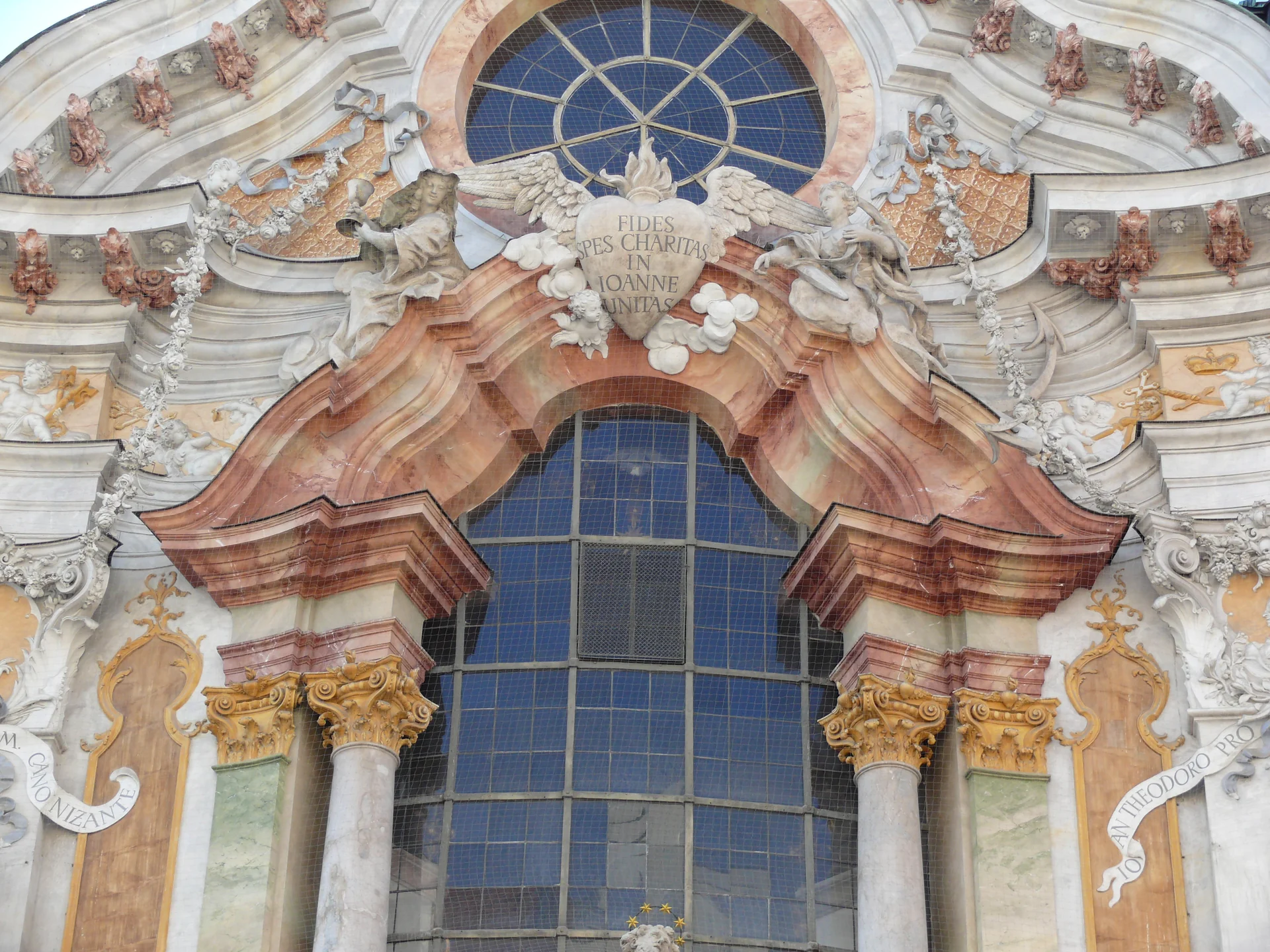
Asamkirche
📍 Bavaria
As you wander through the vibrant streets of Munich, a striking architectural gem captures your attention: Asamkirche, a stunning example of Rococo desi...
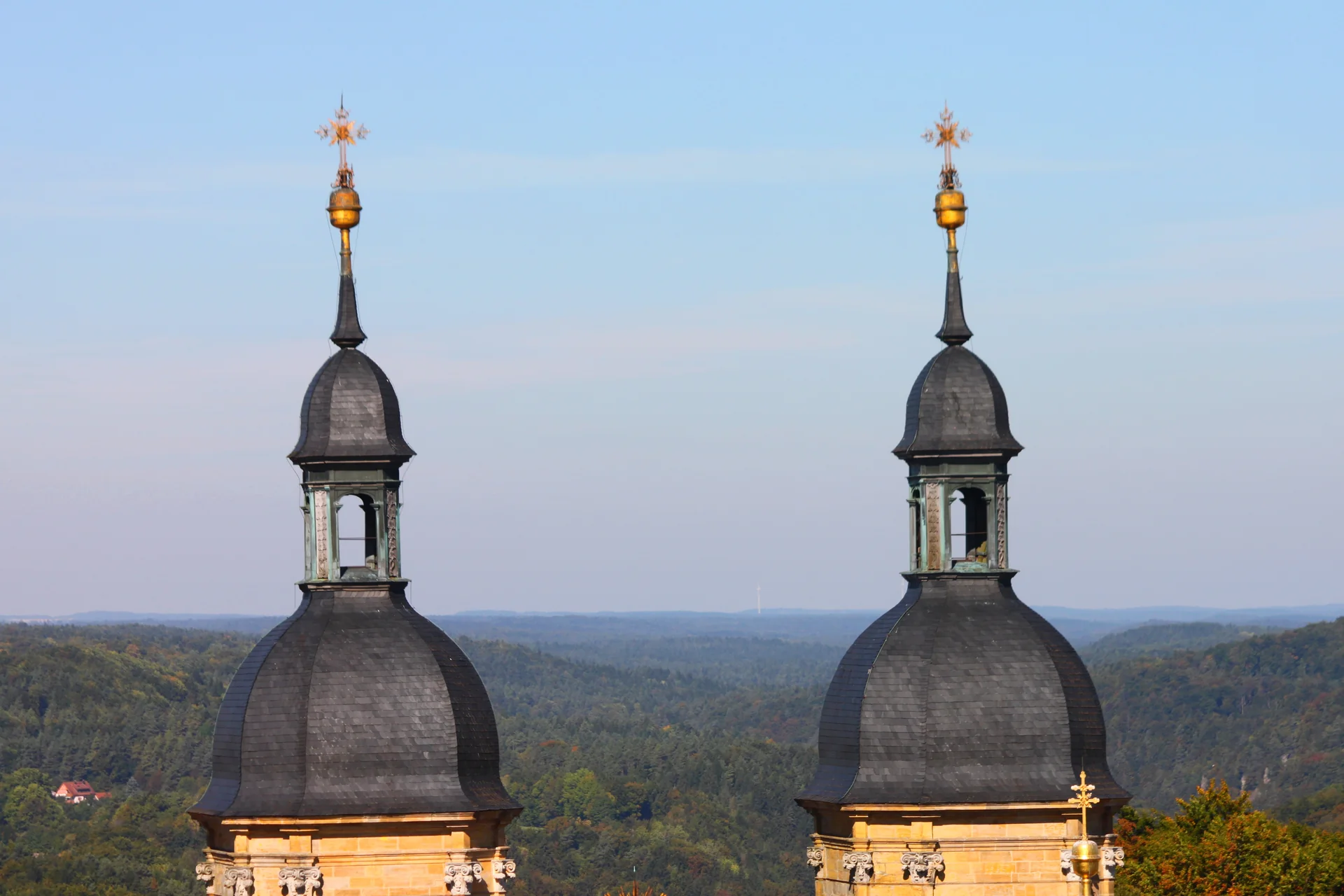
Basilica Gößweinstein
📍 Bavaria
Basilica Gößweinstein, a striking example of Baroque architecture, commands attention with its intricate design and cultural significance. Located in th...