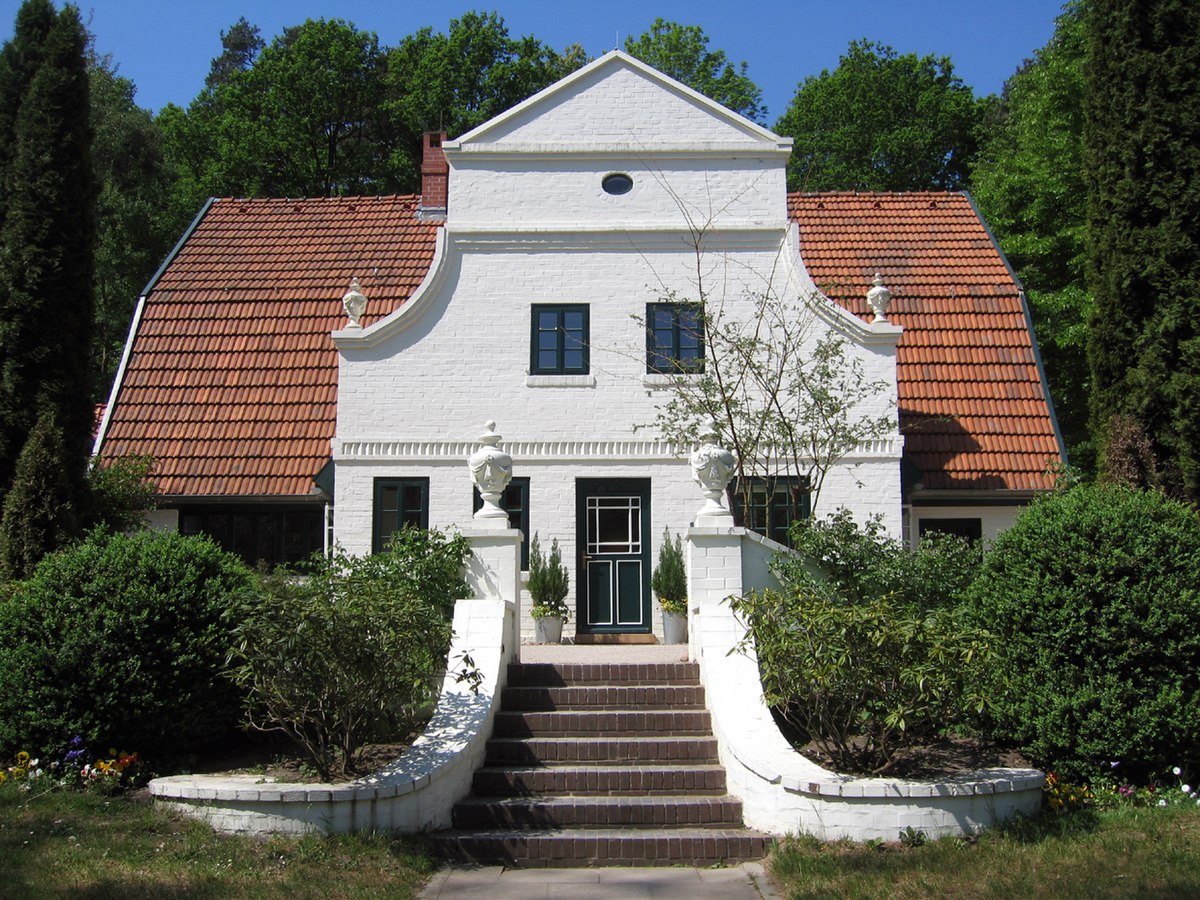
Barkenhoff
Overview
Barkenhoff, an art museum located in the picturesque village of Worpswede, Germany, serves as a significant cultural hub for both art enthusiasts and casual visitors alike. The museum is not only dedicated to showcasing a diverse array of artistic works but also reflects the unique character of the region, which has long been a magnet for artists. With its lush surroundings and historical roots, Barkenhoff invites visitors to explore the rich artistic heritage of Worpswede, a village famously associated with the late 19th and early 20th-century artists who sought inspiration in its tranquil landscapes.
Worpswede’s charm lies in its scenic beauty and artistic vibe, which has attracted painters, sculptors, and other creatives for decades. Visiting Barkenhoff offers a chance to engage with a collection that highlights the evolution of art in this region while also enjoying the serene environment that inspired so many artists. Whether one is an avid art lover or simply curious about the local culture, Barkenhoff promises a rewarding experience that celebrates both tradition and creativity.
History and Significance
Barkenhoff’s significance extends beyond its role as an art museum; it is a vital piece of Worpswede’s cultural narrative. The establishment of an art community in this area can be traced back to the late 19th century when a group of artists began to settle in the village. They were drawn by the distinctive quality of light and the natural beauty that surrounded them, which provided a fresh perspective compared to urban settings.
The museum itself has evolved to reflect the artistic movements and changing times that have influenced the region. It provides a platform for both historical and contemporary works, showcasing a variety of styles and mediums. Through exhibitions and educational programs, Barkenhoff plays a pivotal role in preserving the legacy of the Worpswede artists while fostering new artistic expressions.
This art museum not only celebrates the past but also engages with current artistic trends, making it a dynamic space for dialogue and exploration. With its focus on local artists and the broader implications of their works, Barkenhoff is both a repository of history and a living institution that connects the past with the present.
Architecture and Features
The architecture of Barkenhoff reflects the charm and character of Worpswede itself. The museum is situated in a building that harmonizes with its natural surroundings, characterized by simple yet elegant lines that evoke a sense of tranquility. While specific architectural details are not provided, the design of the museum likely incorporates elements that resonate with the artistic ethos of the region—emphasizing natural light and open spaces that encourage contemplation and appreciation of art.
Inside, visitors can expect to find a thoughtfully curated collection that spans various periods and styles. The museum features a range of exhibits, from classic pieces that pay homage to the founding artists of Worpswede to contemporary works that challenge and inspire. The layout of the museum is designed to facilitate exploration, allowing guests to immerse themselves in the art while appreciating the thoughtful arrangement of the displayed pieces.
Barkenhoff also serves as a venue for temporary exhibitions, workshops, and cultural events, further enhancing its role as a center for artistic engagement in the community. The ambiance of the museum fosters a reflective space where art is not merely viewed but experienced.
Visiting Information
Reaching Barkenhoff is convenient due to its location in Worpswede, which is accessible by various means of transportation. Visitors can arrive by car or utilize local public transport options, making it easy to incorporate a visit to the museum into a broader exploration of the region.
Check the official website for current information regarding hours and ticket prices. It is advisable to allocate a few hours to fully appreciate the museum’s collection and any temporary exhibitions that may be on display. The museum is an ideal destination year-round, though the spring and summer months often see an influx of visitors due to the pleasant weather and the vibrant atmosphere in Worpswede.
During your visit, expect to engage with a range of artistic expressions and possibly participate in workshops or guided tours, depending on the schedule. Barkenhoff creates an environment conducive to both individual exploration and group learning, making it a versatile destination for all types of visitors.
Nearby Attractions
While Barkenhoff is a destination in itself, the surrounding area of Worpswede offers additional attractions that complement a visit to the museum. Here are a few nearby places worth exploring:
Worpsweder Kunstverein: This art association regularly hosts exhibitions and events that feature both local and international artists, providing a wider context to the artistic scene in Worpswede.
The historic village center: Strolling through the charming streets of Worpswede reveals picturesque buildings, quaint shops, and cafes that invite visitors to take in the local atmosphere.
The Teufelsmoor: A nearby moorland area that has inspired many artists, featuring unique landscapes that are perfect for walking or cycling while appreciating the natural beauty.
The Barkenhoff Garden: Adjacent to the museum, this garden reflects the artistic spirit of the region and offers a peaceful retreat for visitors to enjoy.
Local art studios: Several artists maintain studios in Worpswede, and some may offer tours, providing a unique insight into their creative processes.
Insider Tips
To enhance your experience at Barkenhoff, consider these insider tips:
Photography: While photography may be permitted in some areas of the museum, check for specific signage or guidelines to respect the exhibition rules. Capture the beauty of the architecture and the curated displays, but remain mindful of other visitors.
Crowd Avoidance: If possible, plan your visit during the weekdays or early in the morning to avoid larger crowds, especially during peak tourist seasons. This will allow for a more intimate experience with the art.
Practical Information
When planning your visit to Barkenhoff, consider bringing along a few essentials. Comfortable walking shoes are advisable, as you may want to explore both the museum and the surrounding village on foot. Additionally, a notebook or sketchpad could be beneficial for those inspired by the art or the natural surroundings.
Seasonal considerations can also play a role in your visit; the spring and summer months offer mild weather suitable for outdoor exploration, while autumn brings a stunning array of colors to the landscape. Be sure to check the official website for any seasonal events or exhibitions that may coincide with your visit.
Frequently Asked Questions
How long should I spend visiting?
Typically, visitors spend around two to three hours at Barkenhoff to fully appreciate its collections and any temporary exhibitions.
Is photography allowed?
Photography policies can vary, so it’s important to check for any signs regarding photography before taking pictures inside the museum.
Are there guided tours?
Guided tours may be available, offering insights into the exhibits and the history of the museum. Check the official website for scheduling and availability.
What’s the best time to visit?
Visiting during weekdays or early mornings can help avoid larger crowds. The spring and summer months are popular for their favorable weather.
Is it wheelchair accessible?
Accessibility information can be confirmed by checking the official website, ensuring that all visitors can enjoy the museum.
Can I buy tickets online?
Ticket purchasing options may be available online; check the official website for details regarding advance ticket sales.
Are there restrooms and cafes?
Facilities such as restrooms are typically available on-site, and there may be cafes or nearby establishments for refreshments.
What should I wear?
Dress comfortably for a museum visit, considering the weather and any outdoor exploration you may undertake around Worpswede.
More in Bremen

Achterdiekpark
📍 Bremen, Germany
Achterdiekpark, located in the peaceful district of Oberneuland, Germany, is a sanctuary for nature lovers and a welcome retreat from urban life. This …

Ahlen-Falkenberger Moor, Halemer/Dahlemer See
📍 Bremen, Germany
Ahlen-Falkenberger Moor, located in the Steinau region of Lower Saxony, Germany, is a remarkable nature reserve that showcases the region’s unique …

Ahlershorst
📍 Bremen, Germany
Ahlershorst is a captivating nature reserve located in Lower Saxony, Germany, specifically within the Geestland region. This expansive area serves as …

Alfred Wegener Institute for Polar and Marine Research
📍 Bremen, Germany
The Alfred Wegener Institute for Polar and Marine Research, located in Bremerhaven, Germany, stands as a cornerstone of scientific inquiry into the …

Alt-Leher Schule
📍 Bremen, Germany
In the heart of Bremerhaven, Germany, lies the Alt-Leher Schule, an architectural ensemble that encapsulates the history of educational architecture …

Am Stadtwaldsee (Uni-Wildnis)
📍 Bremen, Germany
Am Stadtwaldsee, known locally as Uni-Wildnis, is a captivating nature reserve located in Bremen, Germany. This serene expanse of land serves as a …
More Art Museums

Aachen Cathedral Treasury
📍 North Rhine-Westphalia, Germany
Aachen Cathedral Treasury, located in the historic city of Aachen, Germany, is a remarkable art museum that houses an impressive collection of …

Abteiberg Museum
📍 North Rhine-Westphalia, Germany
In the heart of Mönchengladbach, Germany, the Abteiberg Museum stands out as a prominent destination for art enthusiasts and cultural explorers alike. …

Akademisches Kunstmuseum
📍 North Rhine-Westphalia, Germany
In the heart of Bonn, Germany, lies the Akademisches Kunstmuseum, an art museum that invites visitors to explore a diverse collection of artworks …

Albertinum
📍 Saxony, Germany
Albertinum is a prominent art museum located in the heart of Dresden, Germany, serving as a significant cultural institution in the region. …

Albrecht Dürer's House
📍 Bavaria, Germany
Albrecht Dürer’s House stands as a significant cultural landmark in Nuremberg, Germany, celebrating the life and work of one of the Renaissance’s most …
Alte Nationalgalerie
📍 Berlin, Germany
The Alte Nationalgalerie, an esteemed art museum located in Berlin’s Bezirk Mitte, is a cornerstone of cultural appreciation in Germany. This museum …