
Banzkower Mühle
Overview
The Banzkower Mühle, a traditional windmill, stands proudly in the quaint village of Banzkow, Germany. This historical structure not only represents the ingenious engineering of wind-powered milling but also highlights the rich agricultural heritage of the Mecklenburg region. As you approach, the distinct silhouette of the windmill against the skyline provides an intriguing glimpse into the past, inviting visitors to engage with a piece of cultural history that has shaped the local landscape.
Windmills like Banzkower Mühle were once central to rural life, serving as vital hubs for grain milling and agricultural processing. Today, they continue to attract attention for their architectural charm and historical significance, making them an essential stop for heritage enthusiasts. The Banzkower Mühle exemplifies the enduring relationship between technology and community, enriching our understanding of the region’s agricultural practices and the role of renewable energy in historical contexts.
History and Significance
The history of windmills in Europe dates back centuries, with their origins rooted in the need for efficient grain milling. The Banzkower Mühle is emblematic of this tradition, representing a time when wind power was harnessed for practical purposes in rural communities. While specific historical dates for the Banzkower Mühle are not available, it is part of a broader narrative that showcases the evolution of milling technology.
Throughout history, windmills have played a crucial role in local economies by converting wind energy into mechanical energy for grinding grain. This process was vital for food production, supporting not only individual households but also contributing to the economic stability of entire communities. The Banzkower Mühle reflects the technological advancements of its time while also embodying the cultural practices of the Mecklenburg region.
Moreover, the significance of windmills extends beyond their functional purpose; they serve as symbols of the relationship between people and their environment. By utilizing natural resources, communities could achieve greater self-sufficiency, which was especially important in rural settings. The preservation of structures like Banzkower Mühle allows for continued appreciation of these historical advancements and their impact on modern sustainability initiatives.
Architecture and Features
The Banzkower Mühle showcases traditional windmill architecture, characterized by its towering wooden structure and distinctive aerodynamic blades. These features are not only functional, designed to catch the wind effectively, but also create a striking visual presence against the backdrop of the Banzkow village. The windmill’s construction reflects the craftsmanship typical of the region, with attention to detail evident in both its design and materials used.
The exterior of the Banzkower Mühle retains its historical charm, with weathered wooden beams that tell tales of years gone by. The mill’s large, rotating sails can be seen from various vantage points in the village, symbolizing its role as a landmark. While specific interior details are not provided, many windmills of this type typically include a milling chamber where grain is processed, as well as storage areas for the finished product.
Visitors to the Banzkower Mühle can expect to encounter not just a functional structure but also an opportunity to learn about the engineering behind windmills. The design principles that govern the operation of windmills reflect a sophisticated understanding of mechanics and energy conversion, illustrating the ingenuity of past generations.
Visiting Information
Visiting the Banzkower Mühle offers an enriching experience steeped in history and culture. To plan your visit, check the official website for current information regarding opening hours and entry prices. The windmill is accessible via local transport options, and while the specific modes of transportation are not detailed, the village of Banzkow is typically reachable through regional bus or car routes from larger towns and cities nearby.
When visiting, anticipate spending a few hours exploring the windmill and its surroundings. The best times to visit may align with seasonal events or local festivals, which often provide further insights into the cultural significance of the windmill and the community. Engage with any educational programs or exhibits that may be available, as these can enhance your understanding of the historical context in which the windmill operates.
As you plan your visit, consider the time of year. The spring and summer months might offer vibrant local flora and community activities, while autumn can provide a unique perspective on the harvest season.
Nearby Attractions
If you find yourself in Banzkow, several nearby attractions can complement your visit to the Banzkower Mühle:
Banzkow Village Center: Explore the charming village center, which features traditional architecture and local shops, providing a glimpse into everyday life in a rural German community.
Mecklenburg Lake District: A short drive away, this expansive area is known for its beautiful lakes and outdoor recreational opportunities, including hiking, cycling, and boating.
Schwerin Castle: Located in the nearby city of Schwerin, this stunning castle is an architectural marvel and a UNESCO World Heritage Site, offering guided tours and beautiful gardens.
Wismar: This historic port town, a UNESCO World Heritage Site, is famous for its well-preserved medieval architecture and vibrant waterfront, ideal for leisurely exploration.
State Museum of Technology in Wismar: A fascinating destination for those interested in the history of technology, featuring exhibits on various innovations, including those related to milling and agriculture.
Insider Tips
When planning your visit to the Banzkower Mühle, consider the following insider tips to enhance your experience:
Photography: The windmill presents numerous opportunities for striking photographs, particularly during the golden hours of early morning or late afternoon. Capture the structure against varying natural light for dramatic effects.
Crowd Avoidance: To enjoy a more peaceful visit, consider going during weekdays or in the early morning. This will allow you to appreciate the site with fewer visitors.
Engage with Locals: Interacting with local residents can provide deeper insights into the history and significance of the windmill and the surrounding area. They may share stories or recommend hidden spots worth exploring.
Practical Information
Before heading to the Banzkower Mühle, here are some practical considerations:
What to Bring: Wear comfortable clothing and sturdy footwear, especially if you plan to explore the surrounding areas. A camera and a notebook may also enhance your visit, allowing you to document your experiences.
Seasonal Considerations: If visiting during colder months, dress in layers to stay warm, as windmills can be exposed to chilly breezes. Conversely, during warmer months, ensure you stay hydrated and wear sunscreen.
Accessibility: While specific accessibility details for the Banzkower Mühle are not provided, consider contacting the site in advance if this is a concern.
Frequently Asked Questions
How long should I spend visiting?
A visit to the Banzkower Mühle typically takes about two to three hours, allowing time for exploration and learning.
Is photography allowed?
Yes, photography is generally permitted, but be respectful of any guidelines that may be provided on-site.
Are there guided tours?
Check the official website for current information regarding whether guided tours are available.
What’s the best time to visit?
The best time to visit may depend on local events and seasonal activities. Spring and summer offer vibrant experiences, while autumn showcases harvest traditions.
Is it wheelchair accessible?
For information on wheelchair accessibility, check the official website or contact the site directly for current details.
Can I buy tickets online?
Check the official website for current information regarding ticket purchasing options.
Are there restrooms and cafes?
Details on restrooms and nearby cafes are not provided. It is advisable to check local resources or inquire upon arrival.
What should I wear?
Wear comfortable clothing suitable for walking and outdoor activities. Consider the weather to ensure you are appropriately dressed.
The Banzkower Mühle stands as a bridge between past and present, offering visitors the chance to delve into the agricultural heritage of the Mecklenburg region while enjoying the serene beauty of its surroundings.
More in Brandenburg
Agnetenkloster
📍 Brandenburg, Germany
Agnetenkloster, a former monastery located in the heart of Magdeburg, Germany, invites visitors to explore its serene ambiance and historical …

Agroneum
📍 Brandenburg, Germany
Agroneum is a museum located in the serene landscape of Alt Schwerin, Germany. This establishment serves as a vibrant hub for those interested in the …

Alexander Nevsky Memorial Church
📍 Brandenburg, Germany
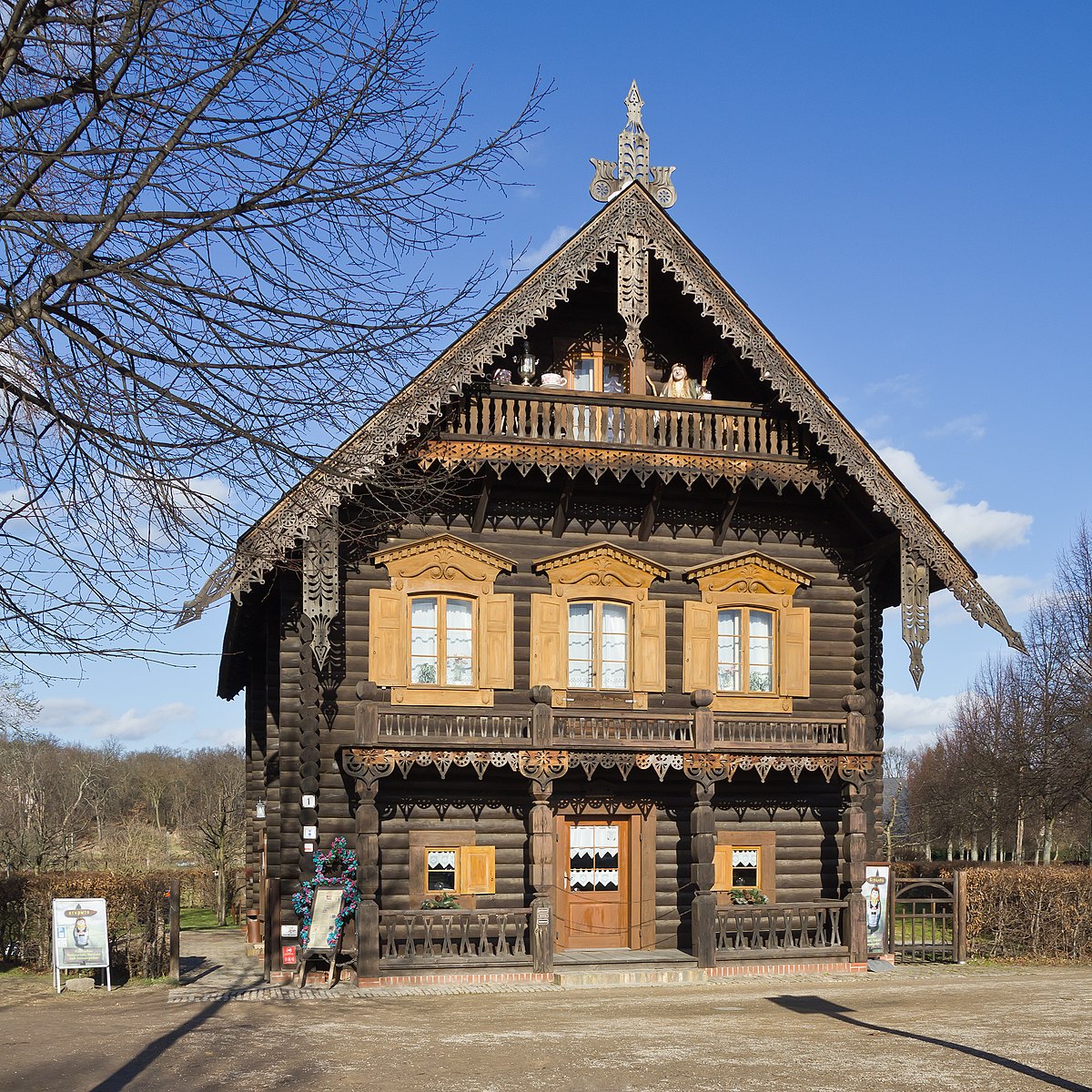
The Alexander Nevsky Memorial Church in Potsdam, Germany, offers visitors a unique glimpse into the city’s cultural and religious heritage. This …
Alexandrowka
📍 Brandenburg, Germany
Located in the picturesque city of Potsdam, Germany, Alexandrowka is an intriguing architectural ensemble that reflects a unique blend of Russian and …

Alte Burg Penzlin
📍 Brandenburg, Germany
Alte Burg Penzlin, a captivating castle located in the quaint town of Penzlin, Germany, serves as a remarkable example of medieval architecture and …

Alte Dorfkirche Röxe
📍 Brandenburg, Germany
The Alte Dorfkirche Röxe stands as a poignant symbol of architectural and cultural history in the Stendal region of Germany. This church building, …
More Windmills

Accumer Mühle
📍 Lower Saxony, Germany
Accumer Mühle is a captivating windmill located in Schortens, Germany, that showcases the remarkable engineering of traditional European mills. This …

Am Wall Windmill
📍 Bremen, Germany
Am Wall Windmill is a fascinating example of German windmill architecture, located in the heart of the Mitte district in Germany. This windmill, with …

Arberger Mühle
📍 Bremen, Germany
Arberger Mühle is a striking windmill located in the Hemelingen district of Bremen, Germany. This historical structure serves as a reminder of the …

Arnumer Mühle
📍 Lower Saxony, Germany
Arnumer Mühle, a windmill located in the village of Arnum within the Hemmingen region of Germany, serves as a captivating reminder of traditional …

Aschwardener Mühle
📍 Bremen, Germany
Aschwardener Mühle is a captivating windmill located in the quaint region of Schwanewede, Germany, within the Landkreis Osterholz area of …
Bahnhofstraße 7
📍 Lower Saxony, Germany
At the heart of Eddelak, in Schleswig-Holstein, Bahnhofstraße 7 stands as an intriguing architectural feature. This villa, representative of the …